James R. Flynn – författare
Visar alla böcker från författaren James R. Flynn. Handla med fri frakt och snabb leverans.
20 produkter
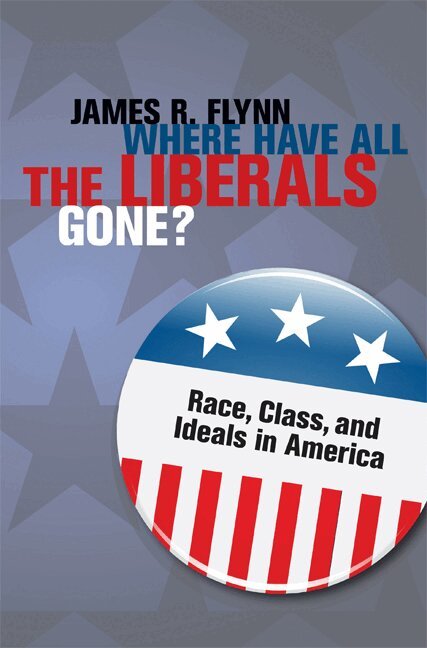
Where Have All the Liberals Gone?
Race, Class, and Ideals in America
Inbunden, 2008
537 kr
Lägg i varukorg
Professor James R. Flynn is renowned for his belief that the IQ gap between black and white Americans is not genetic, but environmental in origin. Flynn's controversial new book offers an alternative to the vision of American society popularized by Herrnstein and Murray in The Bell Curve and is a …
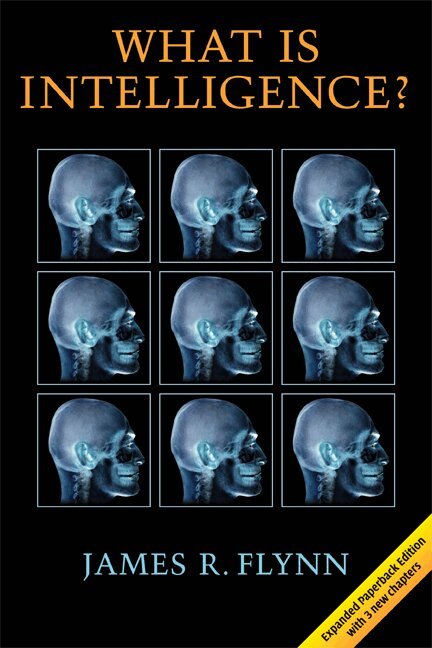
What Is Intelligence?
Beyond the Flynn Effect
Häftad, 2009
433 kr
Lägg i varukorg
The 'Flynn effect' refers to the massive increase in IQ test scores over the course of the twentieth century. Does it mean that each generation is more intelligent than the last? Does it suggest how each of us can enhance our own intelligence? Professor Flynn is finally ready to give his own views. …
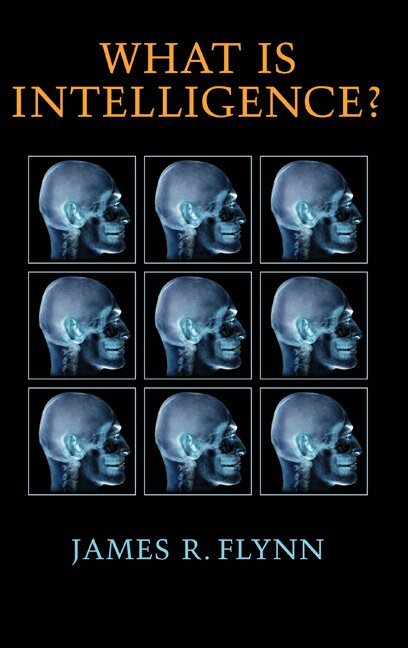
What Is Intelligence?
Beyond the Flynn Effect
Inbunden, 2007
648 kr
Lägg i varukorg
The 'Flynn effect' refers to the massive increase in IQ test scores over the course of the twentieth century. Does it mean that each generation is more intelligent than the last? Does it suggest how each of us can enhance our own intelligence? Professor Flynn is finally ready to give his own views. …
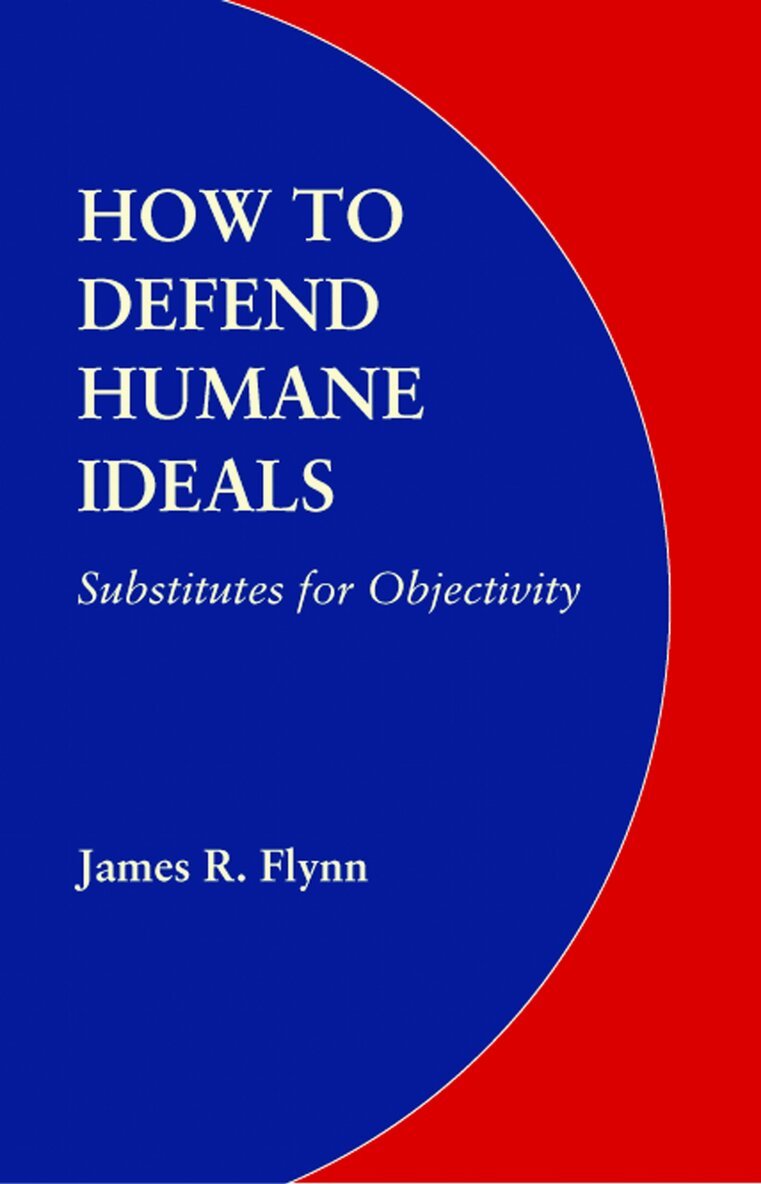
How to Defend Humane Ideals
Substitutes for Objectivity
Häftad, 2008
218 kr
Lägg i varukorg
One of the principal moral and psychological problems of our time is whether humane ideals can be defended. Loss of faith in the objectivity of ethics has encouraged a sense of hopelessness. The notion that no ideal is better than any other, that a humane commitment has no rational advantage over …
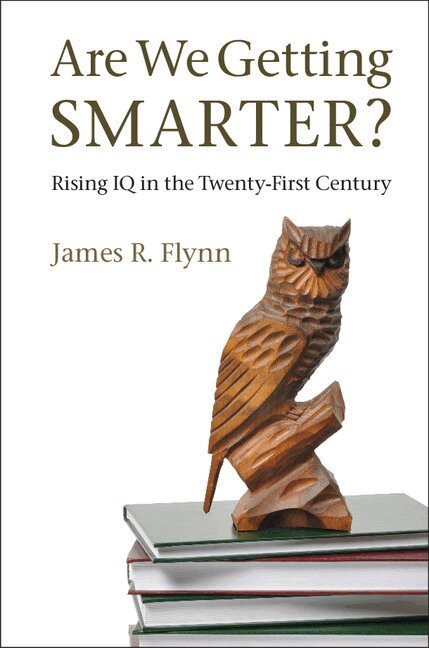
Are We Getting Smarter?
Rising IQ in the Twenty-First Century
Inbunden, 2012
790 kr
Lägg i varukorg
The 'Flynn effect' is a surprising finding, identified by James R. Flynn, that IQ test scores have significantly increased from one generation to the next over the past century. Flynn now brings us an exciting new book which aims to make sense of this rise in IQ scores and considers what this tells …
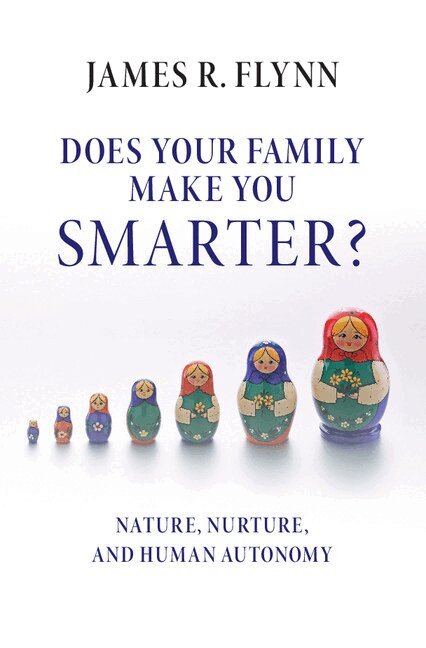
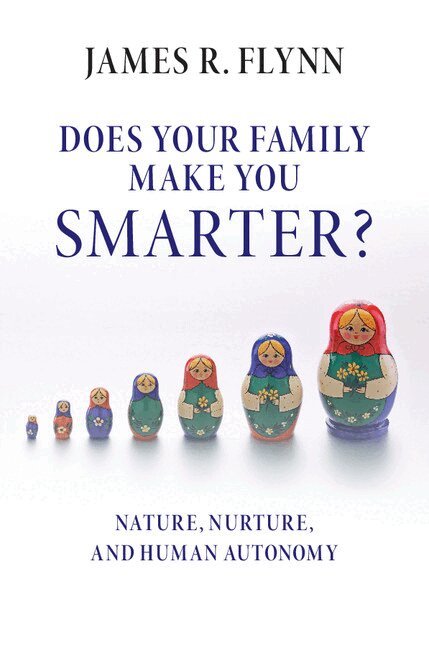
Does your Family Make You Smarter?
Nature, Nurture, and Human Autonomy
Inbunden, 2016
1226 kr
Lägg i varukorg
Does your family make you smarter? James R. Flynn presents an exciting new method for estimating the effects of family on a range of cognitive abilities. Rather than using twin and adoption studies, he analyses IQ tables that have been hidden in manuals over the last 65 years, and shows that family …
Are We Getting Smarter?
Rising IQ in the Twenty-First Century
Häftad, 2012
363 kr
Lägg i varukorg
The 'Flynn effect' is a surprising finding, identified by James R. Flynn, that IQ test scores have significantly increased from one generation to the next over the past century. Flynn now brings us an exciting new book which aims to make sense of this rise in IQ scores and considers what this tells …
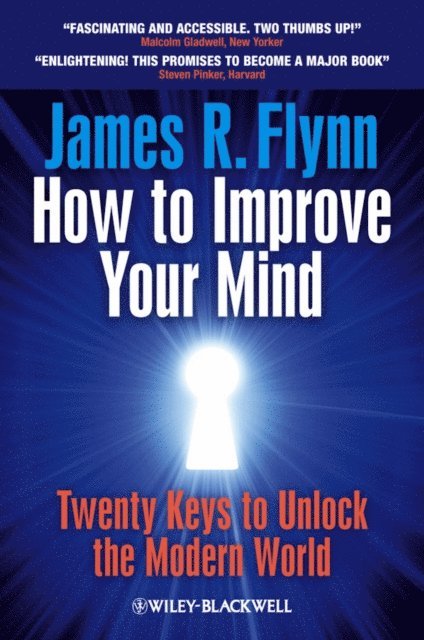
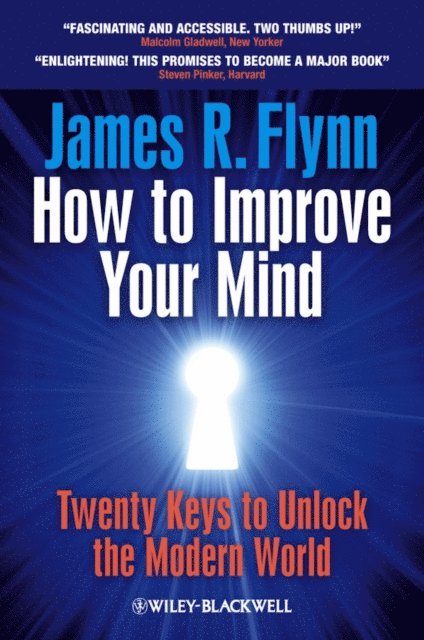
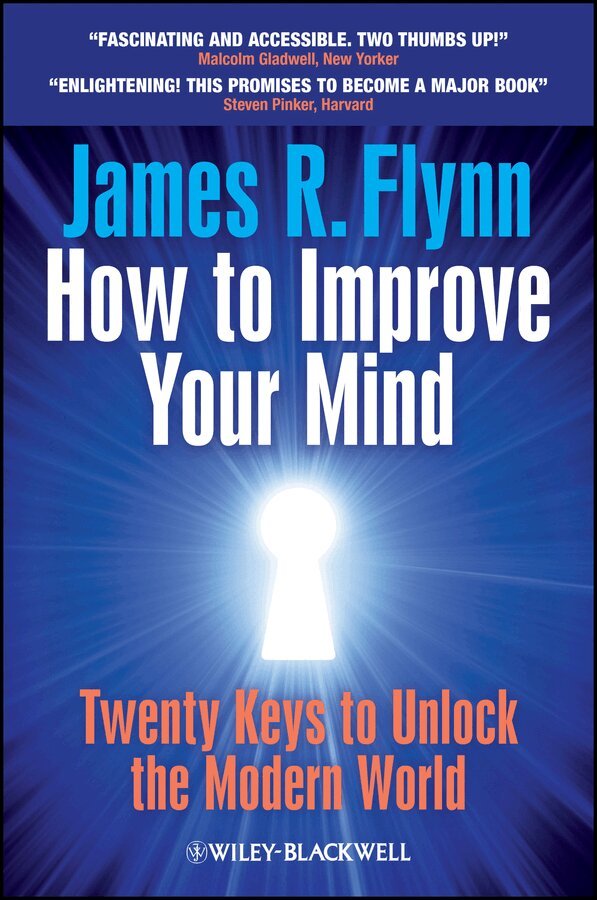
How To Improve Your Mind
20 Keys to Unlock the Modern World
E-bok, 2012
348 kr
Lägg i varukorg
Become the master of your world Presents 20 key concepts, or keys, to aid critical thinking Authored by one of the world''s most eminent psychologists - and founder of the Flynn Effect Looks at topics such as Race and IQ, "good" science and the current world economic crisis Written in a clear and …
How To Improve Your Mind
20 Keys to Unlock the Modern World
E-bok, 2012
348 kr
Lägg i varukorg
Become the master of your world Presents 20 key concepts, or keys, to aid critical thinking Authored by one of the world''s most eminent psychologists - and founder of the Flynn Effect Looks at topics such as Race and IQ, "good" science and the current world economic crisis Written in a clear and …
How To Improve Your Mind
20 Keys to Unlock the Modern World
Häftad, 2012
213 kr
Lägg i varukorg
Become the master of your world Presents 20 key concepts, or keys, to aid critical thinking Authored by one of the world's most eminent psychologists - and founder of the Flynn Effect Looks at topics such as Race and IQ, "good" science and the current world economic crisis Written in a clear and …
Does your Family Make You Smarter?
Nature, Nurture, and Human Autonomy
Häftad, 2016
363 kr
Lägg i varukorg
Does your family make you smarter? James R. Flynn presents an exciting new method for estimating the effects of family on a range of cognitive abilities. Rather than using twin and adoption studies, he analyses IQ tables that have been hidden in manuals over the last 65 years, and shows that family …
Humanism & Ideology Vol 4
E-bok, 2014
864 kr
Lägg i varukorg
This is Volume IV of a series of seven of Studies in Ethics and the Philosophy of Religion. Originally published in 1973. To deal with the problem of ethical scepticism, to show why it is of particular interest to political activists and students of politics, these are the principal aims of this …
Humanism & Ideology Vol 4
E-bok, 2014
883 kr
Lägg i varukorg
This is Volume IV of a series of seven of Studies in Ethics and the Philosophy of Religion. Originally published in 1973. To deal with the problem of ethical scepticism, to show why it is of particular interest to political activists and students of politics, these are the principal aims of this …
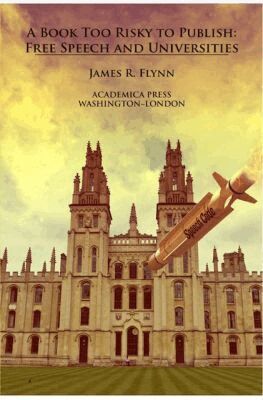
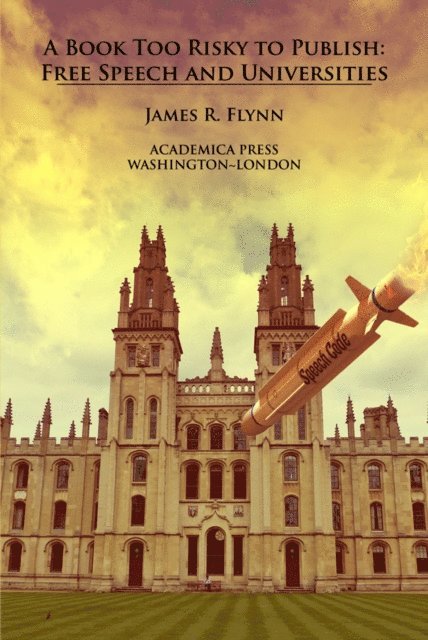
Book Too Risky to Publish
Free Speech and Universities
Inbunden, 2020
1102 kr
Lägg i varukorg
Traditionally, our society has broadly agreed that the “good university” should teach the intellectual skills students need to become citizens who are intelligently critical of their own beliefs and of the narratives presented politicians, society, the media, and, indeed, universities themselves. …
Book Too Risky to Publish
Free Speech and Universities
Häftad, 2020
335 kr
Lägg i varukorg
Traditionally, our society has broadly agreed that the “good university” should teach the intellectual skills students need to become citizens who are intelligently critical of their own beliefs and of the narratives presented politicians, society, the media, and, indeed, universities themselves. …
Book Too Risky To Publish
Free Speech And Universities
E-bok, 2019
1176 kr
Lägg i varukorg
Traditionally, our society has broadly agreed that the "e;good university"e; should teach the intellectual skills students need to become citizens who are intelligently critical of their own beliefs and of the narratives presented politicians, society, the media, and, indeed, universities …
How To Improve Your Mind – Twenty Keys to Unlock the Modern World
2012
196 kr
Tillfälligt slut
Become the master of your world * Presents 20 key concepts, or keys, to aid critical thinking * Authored by one of the world's most eminent psychologists - and founder of the Flynn Effect * Looks at topics such as Race and IQ, "good" science and the current world economic crisis * Written in a …
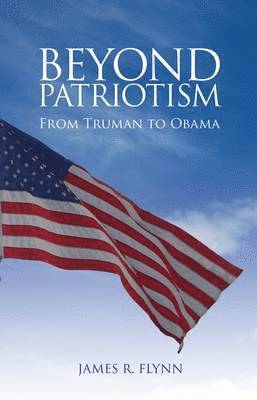
Beyond Patriotism
From Truman to Obama
Häftad, 2012
216 kr
Tillfälligt slut
Beyond Patriotism argues that some millions of Americans have become "post-national" people who put the good of humanity ahead of patriotism or national honour. It discusses the decisions that disillusioned them from the Vietnamese War, to the attempt to put Pol Pot back into power, to the …