James S. Trefil - Böcker
Visar alla böcker från författaren James S. Trefil. Handla med fri frakt och snabb leverans.
5 produkter
5 produkter
182 kr
Skickas inom 7-10 vardagar
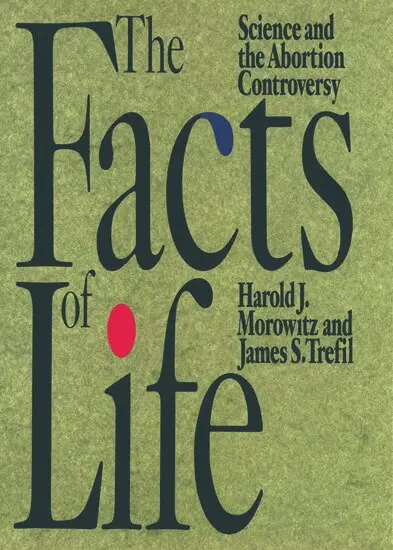
In this novel examination of the issue of abortion, the authors offer a primer in the biological aspects of fetal development and its impact on the abortion controversy. Although purely scientific study cannot offer a universal solution to the issue of abortion, nor can a purely political or moral response be fully informed without the benefit of the latest scientific knowledge.Reviewing the latest developments in molecular biology, evolutionary biology, embryology, and neurophysiology, the authors reveal a surprising agreement of scientific opinion on when 'humanness' begins: with the development of a highly developed cerebral cortex. It is on this issue that the authors focus with sensitivity to the myriad of ethical and religious arguments that surround it.
305 kr
Skickas inom 3-6 vardagar
1 929 kr
Tillfälligt slut
250 kr
Skickas inom 3-6 vardagar
264 kr
Skickas inom 7-10 vardagar
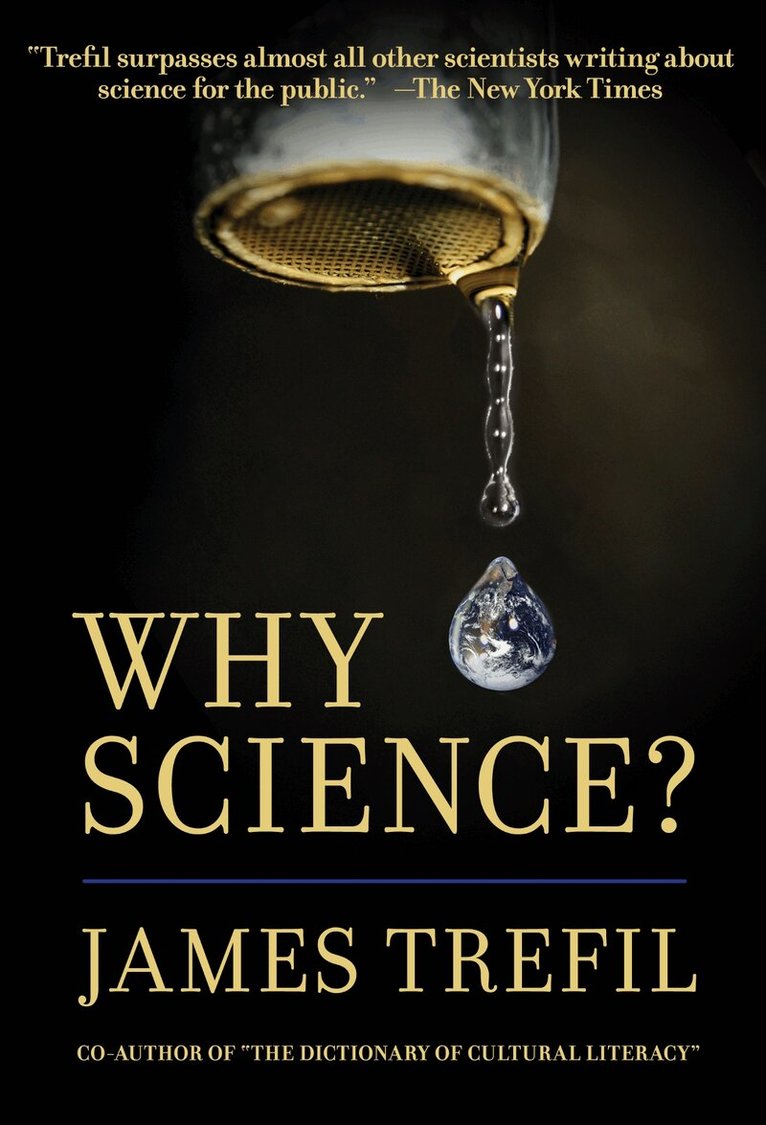
With conviction and clarity, prize-winning scientist and bestselling author James Trefil explains why every U.S. citizen needs to be ""scientifically literate"" and, therefore, why our schools must teach the fundamental principles of scientific literacy to every student. And he lays out those principles straightforwardly, so that educators - and everyone who is interested in education - can understand exactly what they are.Trefil knows that initiating a national scientific literacy program won't be easy, but he convincingly argues that it is essential to our national future. After reading this book, you will agree that, whatever the cost of teaching scientific literacy, we simply can't afford not to heed his advice.In this enjoyable read, a well-known critic of the status quo in science education: describes the woeful state of science knowledge today; explains why today's science education is insufficient for tomorrow's needs; tackles the key topics of ""scientific literacy"" and explains how to teach them; confronts headline issues, including stem cell research, global warming, cloning, and ""intelligent design""; shows why science education is essential to an informed citizenry and how scientific literacy is achievable; and, suggests a middle way between the two prevailing approaches to science education: ""deep and narrow"" vs. ""broad but shallow.