James Stanlaw - Böcker
Visar alla böcker från författaren James Stanlaw. Handla med fri frakt och snabb leverans.
4 produkter
4 produkter
574 kr
Tillfälligt slut
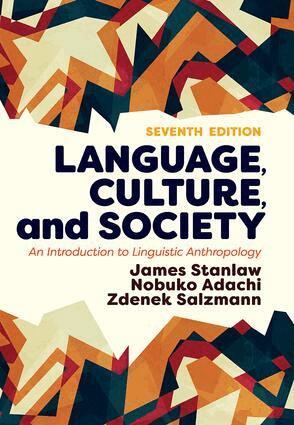
Why should we study language? How do the ways in which we communicate define our identities? And how is this all changing in the digital world? Since 1993, many have turned to Language, Culture, and Society for answers to questions like those above because of its comprehensive coverage of all critical aspects of linguistic anthropology. This seventh edition carries on the legacy while addressing some of the newer pressing and exciting challenges of the 21st century, such as issues of language and power, language ideology, and linguistic diasporas. Chapters on gender, race, and class also examine how language helps create - and is created by - identity. New to this edition are enhanced and updated pedagogical features, such as learning objectives, updated resources for continued learning, and the inclusion of a glossary. There is also an expanded discussion of communication online and of social media outlets and how that universe is changing how we interact. The discussion on race and ethnicity has also been expanded to include Latin- and Asian-American English vernacular.
991 kr
Skickas inom 10-15 vardagar
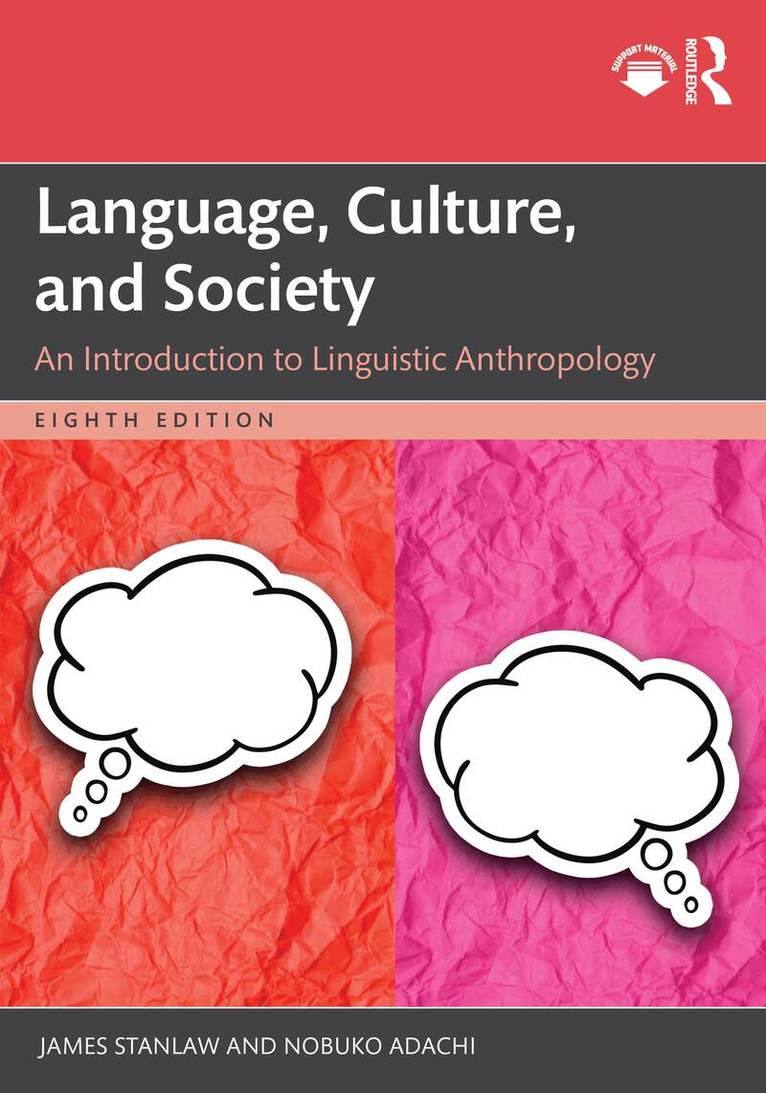
Why should we study language? How do the ways in which we communicate define our identities? And how is this all changing in the digital world? Over seven editions, many have turned to Language, Culture, and Society for answers to questions like these because of its comprehensive coverage of all critical aspects of linguistic anthropology. This eighth edition carries on the legacy while addressing some of the newer, pressing, and exciting challenges of the twenty-first century, such as issues of language and power, language ideology, linguistic diasporas, as well as online and digital ecosystems. New to this edition are a reconceptualization of how linguistics approaches race, gender, and sexuality, with additional chapters and sections on how linguistics benefits archaeology and biological anthropology, as well as considerations of the relationship between language and truth, ethics, and war and politics. It also features enhanced and updated pedagogical features, such as learning objectives, updated resources for continued learning, and cross-references to updated encyclopedias of linguistic anthropology.
2 164 kr
Skickas inom 10-15 vardagar
Why should we study language? How do the ways in which we communicate define our identities? And how is this all changing in the digital world? Over seven editions, many have turned to Language, Culture, and Society for answers to questions like these because of its comprehensive coverage of all critical aspects of linguistic anthropology. This eighth edition carries on the legacy while addressing some of the newer, pressing, and exciting challenges of the twenty-first century, such as issues of language and power, language ideology, linguistic diasporas, as well as online and digital ecosystems. New to this edition are a reconceptualization of how linguistics approaches race, gender, and sexuality, with additional chapters and sections on how linguistics benefits archaeology and biological anthropology, as well as considerations of the relationship between language and truth, ethics, and war and politics. It also features enhanced and updated pedagogical features, such as learning objectives, updated resources for continued learning, and cross-references to updated encyclopedias of linguistic anthropology.
8 498 kr
Skickas inom 7-10 vardagar
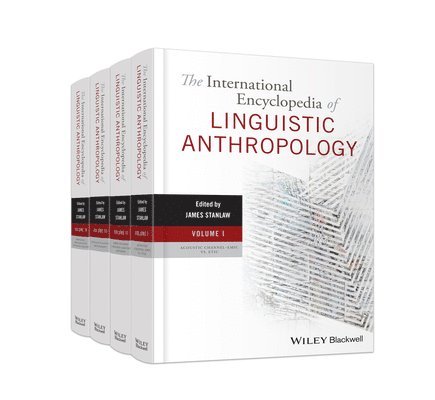
A unique, comprehensive four-volume reference work, representing the combined insights of the leading authorities in linguistic anthropologyWiley Blackwell's International Encyclopedia of Linguistic Anthropology is a key scholarly reference for researchers working in linguistic anthropology, communication studies, education, psychology, and sociology, as well as those involved in language revitalization and other community and applied linguistics programs. The only encyclopedia of its kind, this field-encompassing work serves as an essential reference on the history, development, and modern advancements of the full field of linguistic anthropology. However, the encyclopedia is not limited to coverage of the standard canon, but rather is a forward-looking account of the field, addressing the latest—sometimes even controversial—issues in the discipline. With entries authored by leading international scholars, the encyclopedia's key areas of content include language, thought, and culture; language evolution, acquisition and socialization; language ideologies; speech communities; language, race, and ethnicity; multilingualism and globalization; performance and verbal arts; and literacy and schooling. This essential reference work: Provides complete coverage of the field of linguistic anthropologyCovers subjects of both new and longstanding interest in the fieldIncludes over 300 entries by international expertsStands as the only encyclopedia of its kind to provide an overview of the goals and scientific techniques in the fieldActs as an important resource for linguistic anthropologists, linguists, and other social scientistsIn four comprehensive volumes comprising more than 300 unique entries, this encyclopedia offers authoritative coverage on the leading figures and major events in the development of linguistic anthropology, the theoretical frameworks behind contemporary practice, the methodologies and technologies of modern fieldwork, and the leading developments in new research.This work is also available as an online resource at www.wileyonlinelibrary.com/ref/stanlaw.