Nobuko Adachi – författare
Visar alla böcker från författaren Nobuko Adachi. Handla med fri frakt och snabb leverans.
11 produkter
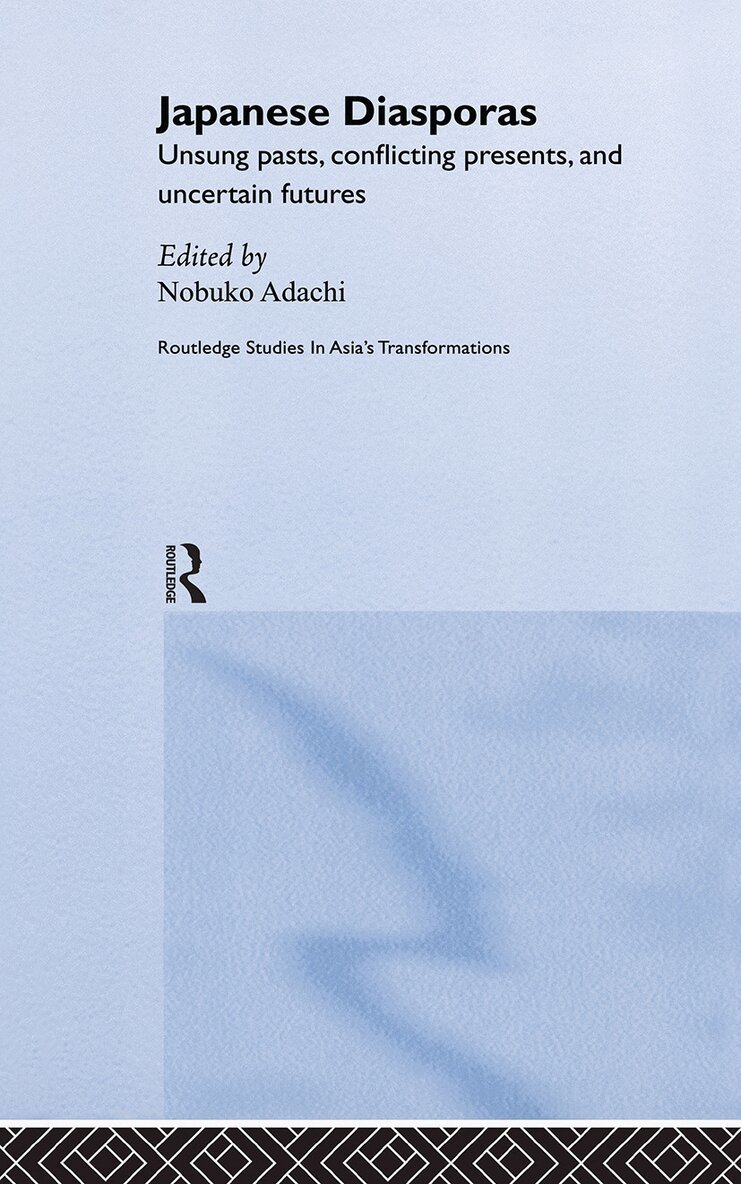
Japanese Diasporas
Unsung Pasts, Conflicting Presents and Uncertain Futures
Häftad, 2009
937 kr
Lägg i varukorg
Japanese Diasporas examines the relationship of overseas Japanese and their descendents (Nikkei) with their home and host nations, focusing on the political, social and economic struggles of Nikkei. Frequently abandoned by their homeland, and experiencing alienation in their host nations, the …
Japanese Diasporas
Unsung Pasts, Conflicting Presents and Uncertain Futures
Inbunden, 2006
2513 kr
Lägg i varukorg
Japanese Diasporas examines the relationship of overseas Japanese and their descendents (Nikkei) with their home and host nations, focusing on the political, social and economic struggles of Nikkei. Frequently abandoned by their homeland, and experiencing alienation in their host nations, the …
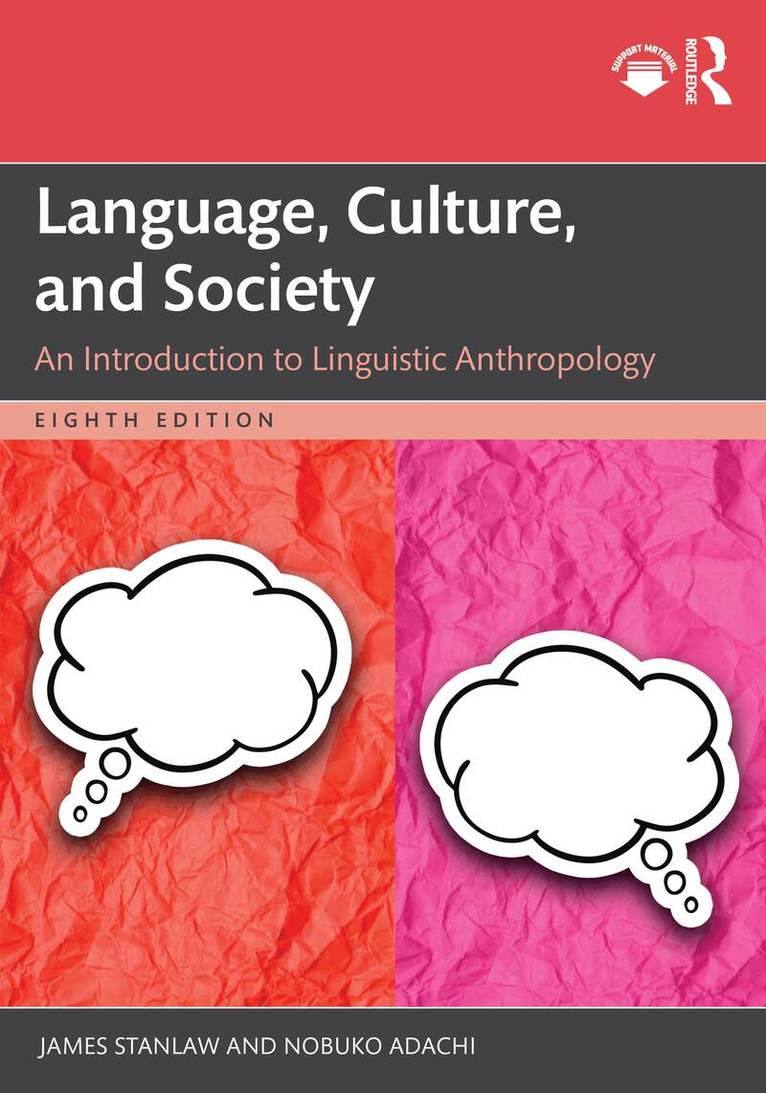
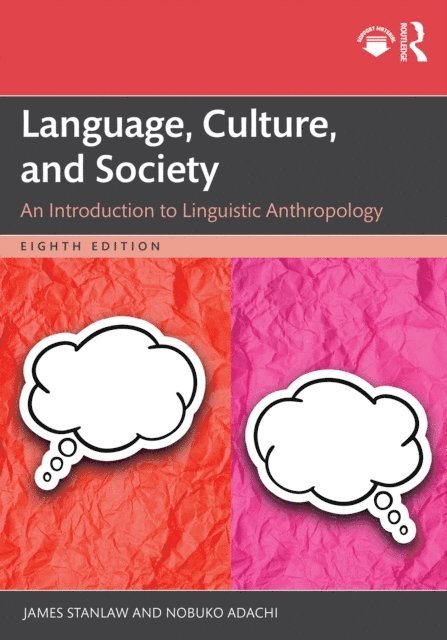
Language, Culture, and Society
An Introduction to Linguistic Anthropology
Av James Stanlaw, Nobuko Adachi
Häftad, 2025
1071 kr
Lägg i varukorg
Why should we study language? How do the ways in which we communicate define our identities? And how is this all changing in the digital world? Over seven editions, many have turned to Language, Culture, and Society for answers to questions like these because of its comprehensive coverage of all …
Language, Culture, and Society
An Introduction to Linguistic Anthropology
Av James Stanlaw, Nobuko Adachi
Inbunden, 2025
2338 kr
Lägg i varukorg
Why should we study language? How do the ways in which we communicate define our identities? And how is this all changing in the digital world? Over seven editions, many have turned to Language, Culture, and Society for answers to questions like these because of its comprehensive coverage of all …
Language, Culture, and Society
An Introduction to Linguistic Anthropology
Av Nobuko Adachi, James Stanlaw
E-bok, 2025
1264 kr
Lägg i varukorg
Why should we study language? How do the ways in which we communicate define our identities? And how is this all changing in the digital world? Over seven editions, many have turned to Language, Culture, and Society for answers to questions like these because of its comprehensive coverage of all …
Language, Culture, and Society
An Introduction to Linguistic Anthropology
Av Nobuko Adachi, James Stanlaw
E-bok, 2025
1224 kr
Lägg i varukorg
Why should we study language? How do the ways in which we communicate define our identities? And how is this all changing in the digital world? Over seven editions, many have turned to Language, Culture, and Society for answers to questions like these because of its comprehensive coverage of all …
Japanese Diasporas
Unsung Pasts, Conflicting Presents and Uncertain Futures
E-bok, 2006
1106 kr
Lägg i varukorg
Japanese Diasporas examines the relationship of overseas Japanese and their descendents ( Nikkei ) with their home and host nations, focusing on the political, social and economic struggles of Nikkei . Frequently abandoned by their homeland, and experiencing alienation in their host nations, the …
Japanese Diasporas
Unsung Pasts, Conflicting Presents and Uncertain Futures
E-bok, 2006
1082 kr
Lägg i varukorg
Japanese Diasporas examines the relationship of overseas Japanese and their descendents ( Nikkei ) with their home and host nations, focusing on the political, social and economic struggles of Nikkei . Frequently abandoned by their homeland, and experiencing alienation in their host nations, the …
Ethnic Capital in a Japanese Brazilian Commune
Children of Nature
Inbunden, 2017
1353 kr
Lägg i varukorg
This is a book about the power ethnic capital and how it drives both the economics of, and the quest for identity in, a Japanese Brazilian commune. Adachi tells readers what this small diaspora community can teach us about how life “in the trenches” looks to those on the outskirts of the exploding …
Japanese and Nikkei at Home and Abroad
Negotiating Identities in a Global World
Inbunden, 2010
1369 kr
Lägg i varukorg
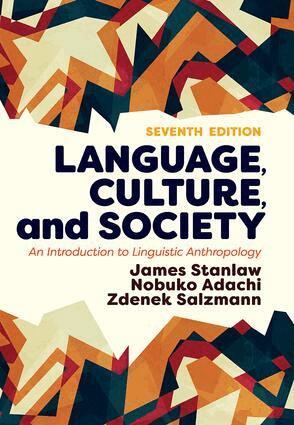
Language, Culture, and Society
An Introduction to Linguistic Anthropology
Av James Stanlaw, Nobuko Adachi m. fl.
Häftad, 2017
574 kr
Tillfälligt slut
Why should we study language? How do the ways in which we communicate define our identities? And how is this all changing in the digital world? Since 1993, many have turned to Language, Culture, and Society for answers to questions like those above because of its comprehensive coverage of all …