James Symonds – författare
Visar alla böcker från författaren James Symonds. Handla med fri frakt och snabb leverans.
20 produkter
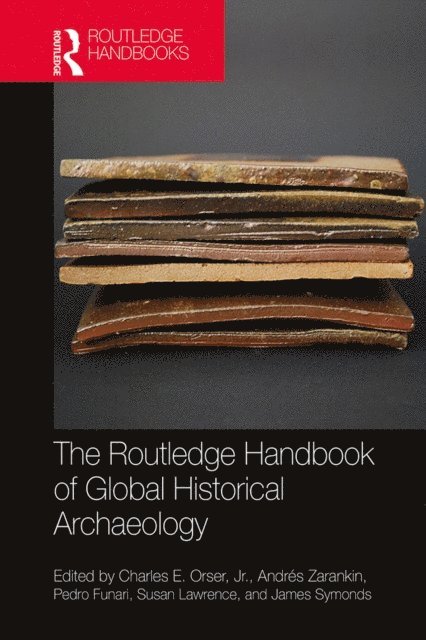
Routledge Handbook of Global Historical Archaeology
Av James Symonds, Susan Lawrence m. fl.
E-bok, 2020
927 kr
Lägg i varukorg
The Routledge Handbook of Global Historical Archaeology is a multi-authored compendium of articles on specific topics of interest to today’s historical archaeologists, offering perspectives on the current state of research and collectively outlining future directions for the field. The broad range …
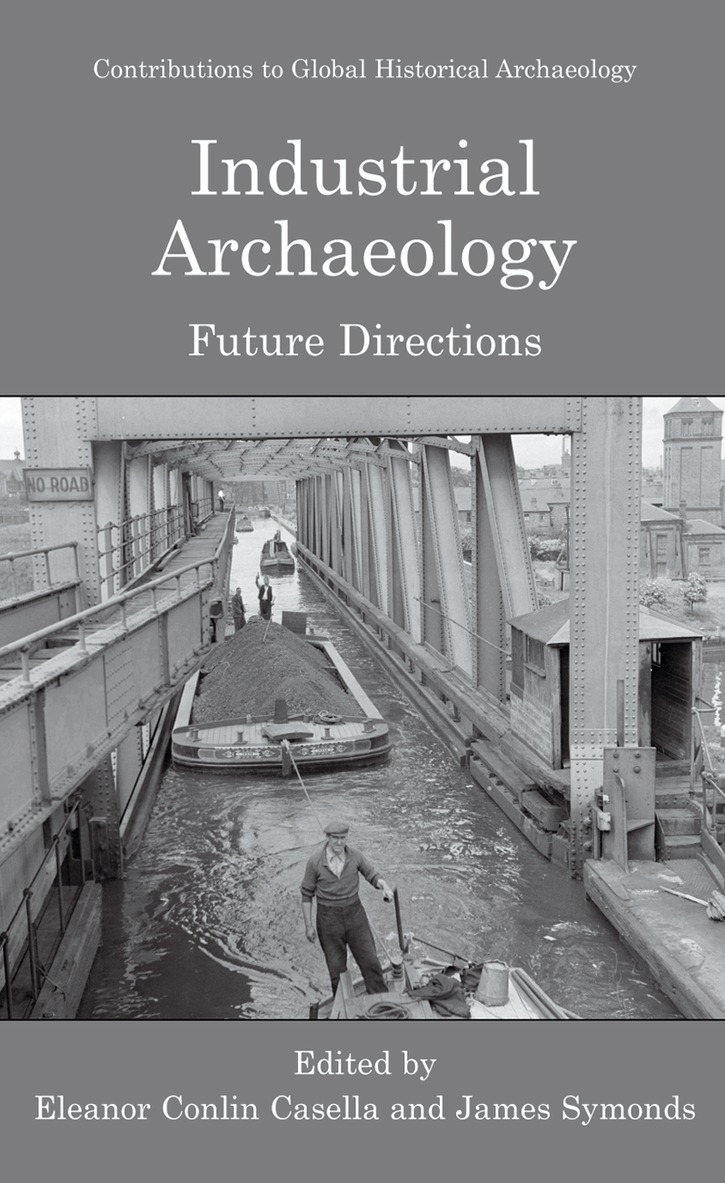
Industrial Archaeology
Future Directions
Av Eleanor Casella, James Symonds
Inbunden, 2005
1130 kr
Lägg i varukorg
Eleanor Conlin Casella and James Symonds th The essays in this book are adapted from papers presented at the 24 Annual Conference of the Theoretical Archaeology Group, held at the University of Manchester, in December 2002. The conference session “An Industrial Revolution? Future Directions for …
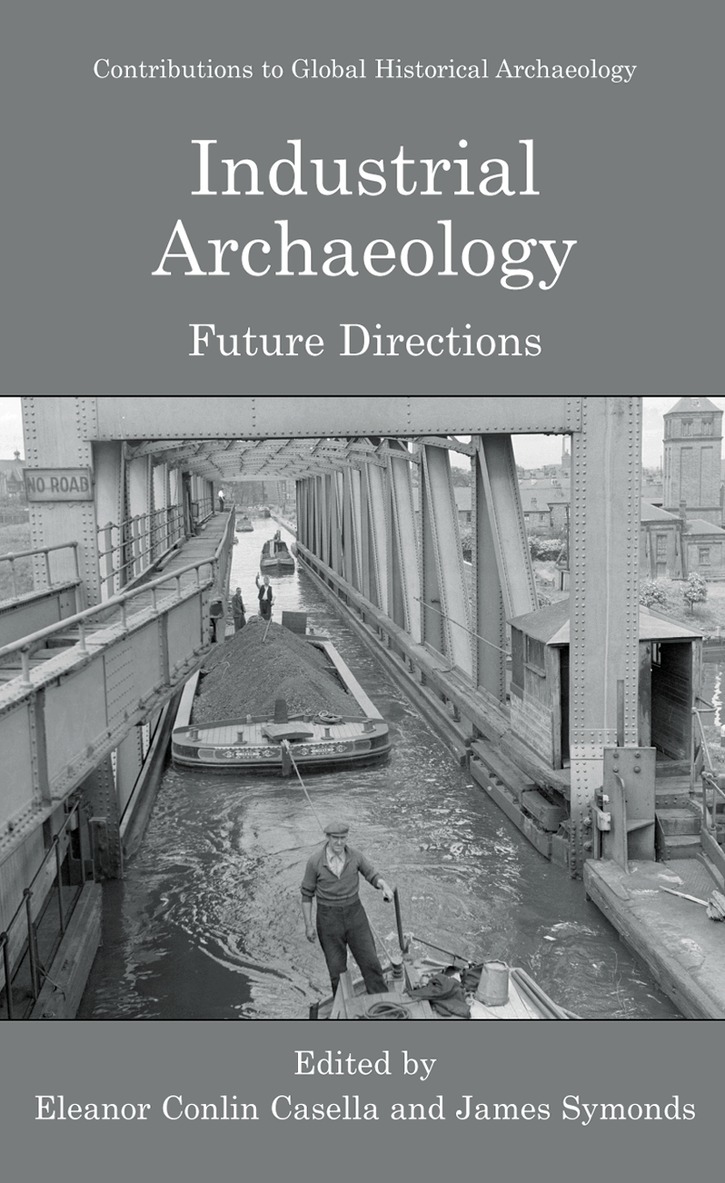
Industrial Archaeology
Future Directions
Av Eleanor Casella, James Symonds
Häftad, 2005
1130 kr
Lägg i varukorg
Eleanor Conlin Casella and James Symonds th The essays in this book are adapted from papers presented at the 24 Annual Conference of the Theoretical Archaeology Group, held at the University of Manchester, in December 2002. The conference session “An Industrial Revolution? Future Directions for …
Industrial Archaeology
Future Directions
Av James Symonds, Eleanor Casella
E-bok, 2007
1470 kr
Lägg i varukorg
Eleanor Conlin Casella and James Symonds th The essays in this book are adapted from papers presented at the 24 Annual Conference of the Theoretical Archaeology Group, held at the University of Manchester, in December 2002. The conference session “An Industrial Revolution? Future Directions for …
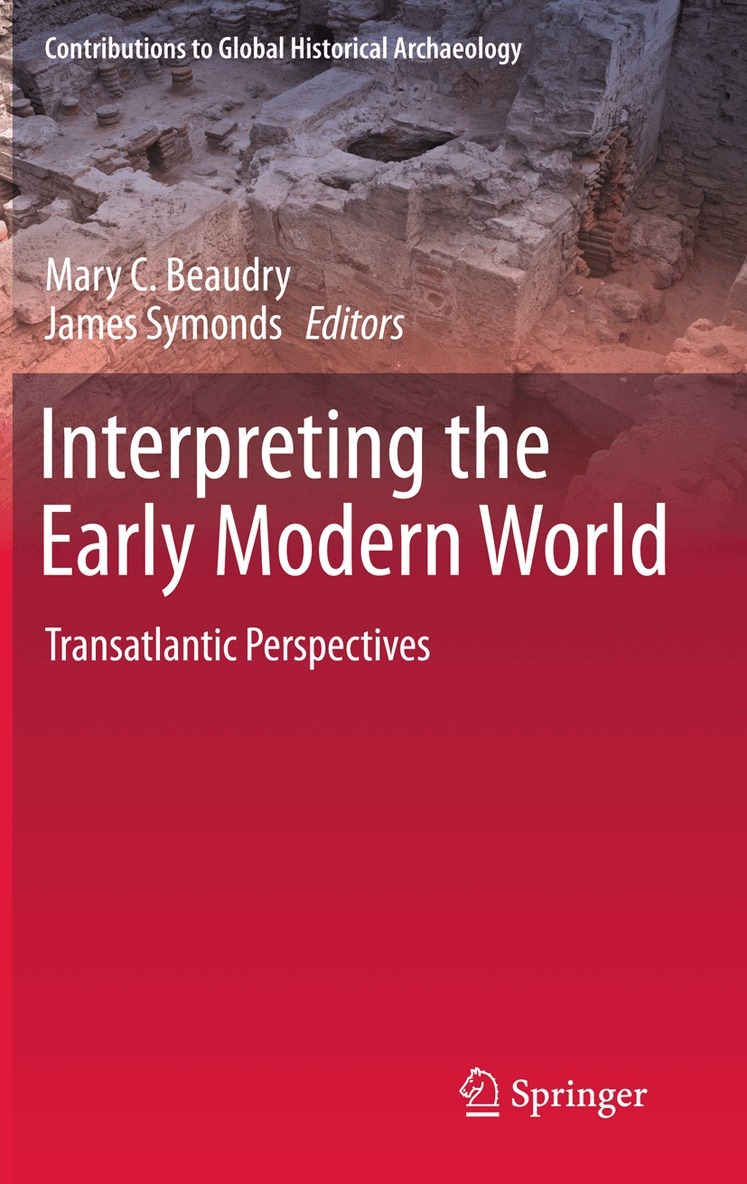
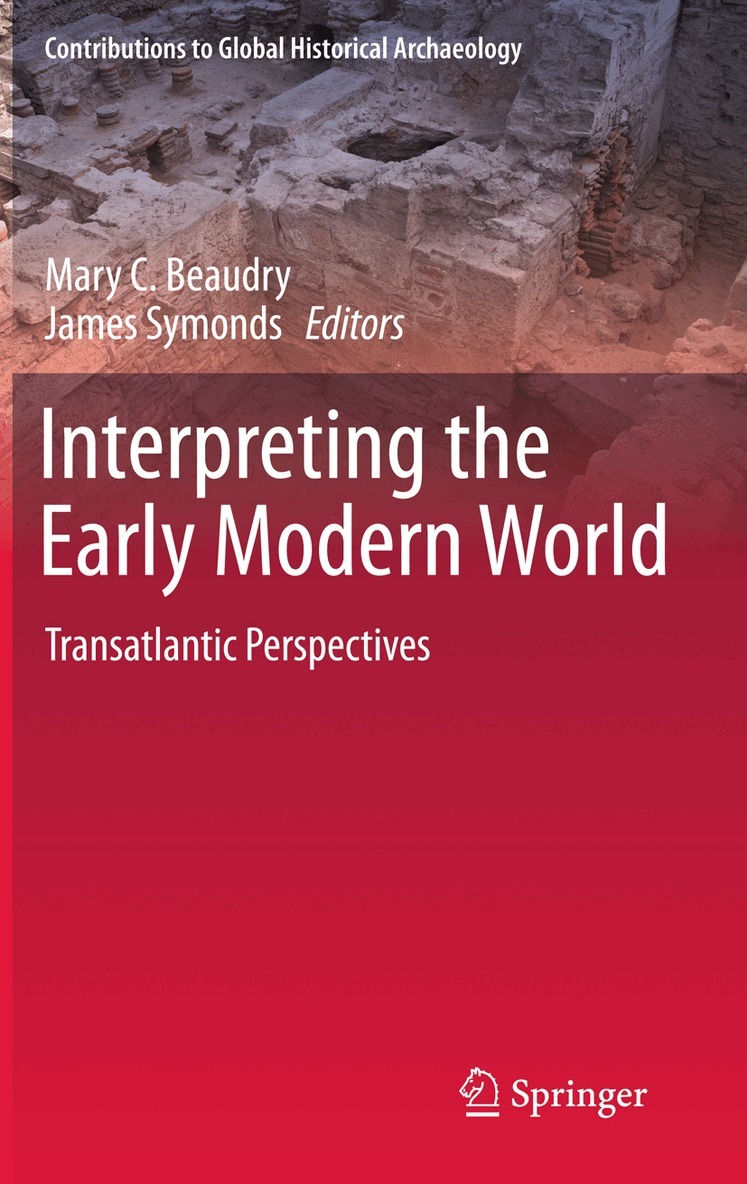
Interpreting the Early Modern World
Transatlantic Perspectives
Av Mary C. Beaudry, James Symonds
Inbunden, 2010
1130 kr
Lägg i varukorg
Interpretive archaeology – meaning the interpretation (social science as opposed to hard science) of archaeology and archaeological artifacts – has predominantly been the realm of prehistoric archaeologists. Many historical archaeologists are participating in this disciplinary shift from …
Interpreting the Early Modern World
Transatlantic Perspectives
Av James Symonds, Mary C. Beaudry
E-bok, 2010
1502 kr
Lägg i varukorg
Interpretive archaeology – meaning the interpretation (social science as opposed to hard science) of archaeology and archaeological artifacts – has predominantly been the realm of prehistoric archaeologists. Many historical archaeologists are participating in this disciplinary shift from …
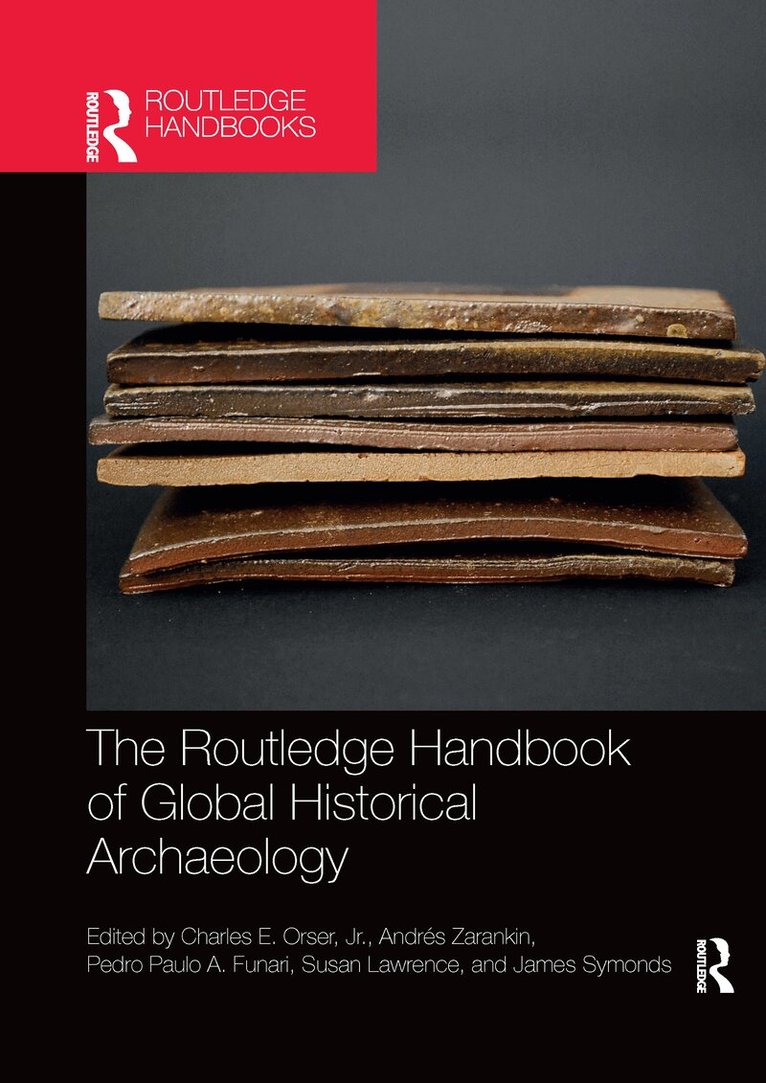
Routledge Handbook of Global Historical Archaeology
Av Jr. Orser, Andres Zarankin m. fl.
Häftad, 2022
791 kr
Lägg i varukorg
The Routledge Handbook of Global Historical Archaeology is a multi-authored compendium of articles on specific topics of interest to today’s historical archaeologists, offering perspectives on the current state of research and collectively outlining future directions for the field.The broad range …
Routledge Handbook of Global Historical Archaeology
Av Jr. Orser, Andres Zarankin m. fl.
Inbunden, 2020
3929 kr
Lägg i varukorg
The Routledge Handbook of Global Historical Archaeology is a multi-authored compendium of articles on specific topics of interest to today’s historical archaeologists, offering perspectives on the current state of research and collectively outlining future directions for the field.The broad range …
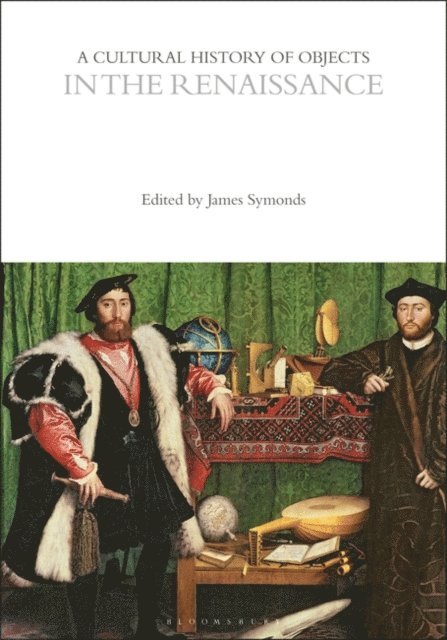
Cultural History of Objects in the Renaissance
E-bok, 2022
434 kr
Lägg i varukorg
A Cultural History of Objects in the Renaissance covers the period 1400 to 1600. The Renaissance was a cultural movement, a time of re-awakening when classical knowledge was rediscovered, leading to an efflorescence in philosophy, art, and literature. The period fostered an emerging sense of …
Cultural History of Objects in the Renaissance
E-bok, 2022
434 kr
Lägg i varukorg
A Cultural History of Objects in the Renaissance covers the period 1400 to 1600. The Renaissance was a cultural movement, a time of re-awakening when classical knowledge was rediscovered, leading to an efflorescence in philosophy, art, and literature. The period fostered an emerging sense of …
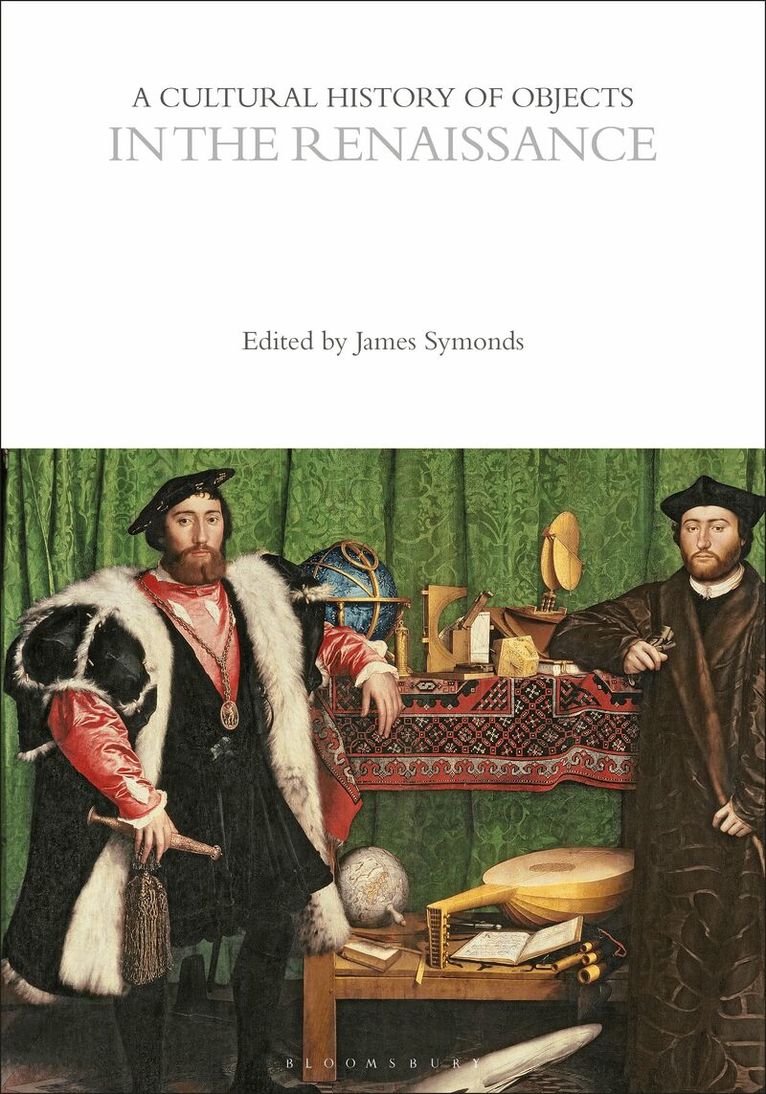
Cultural History of Objects in the Renaissance
Häftad, 2024
399 kr
Lägg i varukorg
A Cultural History of Objects in the Renaissance covers the period 1400 to 1600. The Renaissance was a cultural movement, a time of re-awakening when classical knowledge was rediscovered, leading to an efflorescence in philosophy, art, and literature. The period fostered an emerging sense of …
Routledge Handbook of Global Historical Archaeology
Av James Symonds, Susan Lawrence m. fl.
E-bok, 2020
907 kr
Lägg i varukorg
The Routledge Handbook of Global Historical Archaeology is a multi-authored compendium of articles on specific topics of interest to today’s historical archaeologists, offering perspectives on the current state of research and collectively outlining future directions for the field. The broad range …
Interpreting the Early Modern World
Transatlantic Perspectives
Av Mary C. Beaudry, James Symonds
Häftad, 2012
1130 kr
Lägg i varukorg
Interpretive archaeology – meaning the interpretation (social science as opposed to hard science) of archaeology and archaeological artifacts – has predominantly been the realm of prehistoric archaeologists. Many historical archaeologists are participating in this disciplinary shift from …
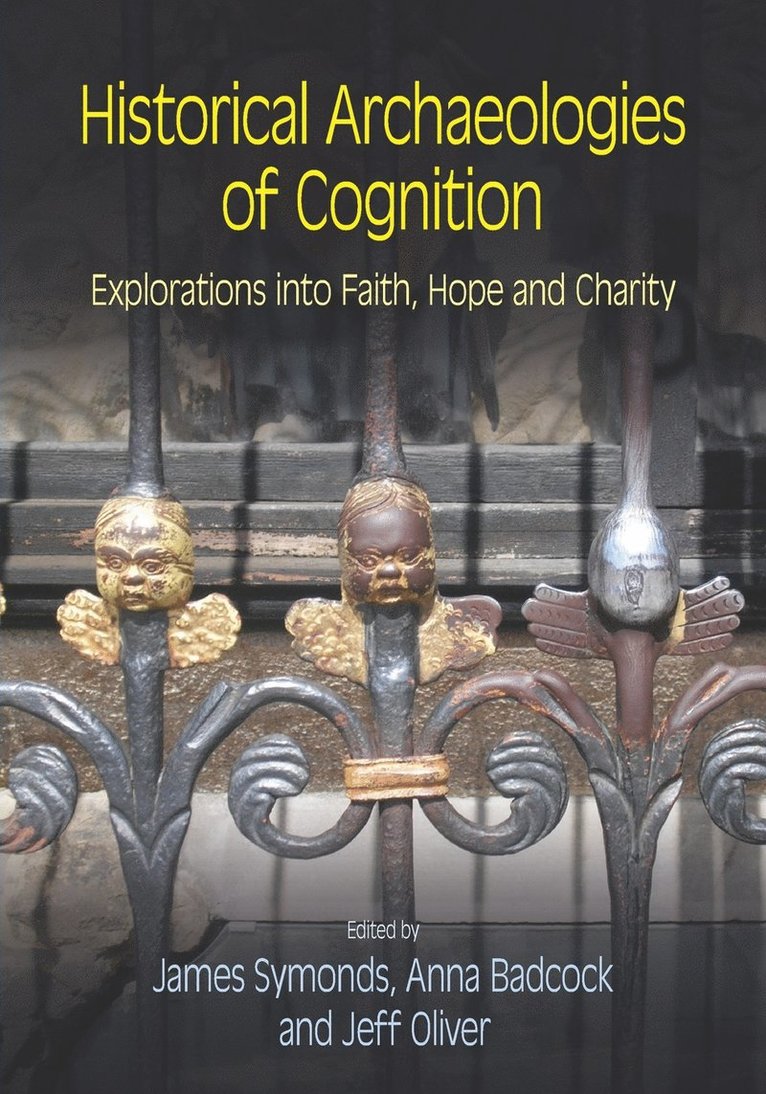
Historical Archaeologies of Cognition
Explorations into Faith, Hope and Charity
Av James Symonds, Anna Badcock m. fl.
Häftad, 2017
388 kr
Lägg i varukorg
This collection of essays draws inspiration from the late James Deetz's In Small Things Forgotten (1977). Deetz's seminal work broke new ground by using structuralist theory to show how artefacts reflected the 'worldviews' or ideologies of their makers and users, and went on to claim that the …
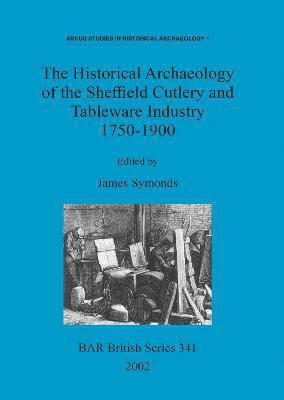
Historical Archaeology of the Sheffield Cutlery and Tableware Industry 1750-1900
Häftad, 2002
386 kr
Lägg i varukorg
Historical Archaeologies of Cognition
Explorations into Faith, Hope and Charity
Av James Symonds, Anna Badcock m. fl.
Inbunden, 2013
1247 kr
Lägg i varukorg
This collection of essays draws inspiration from the late James Deetz's In Small Things Forgotten (1977). Deetz's seminal work broke new ground by using structuralist theory to show how artefacts reflected the 'worldviews' or ideologies of their makers and users, and went on to claim that the …
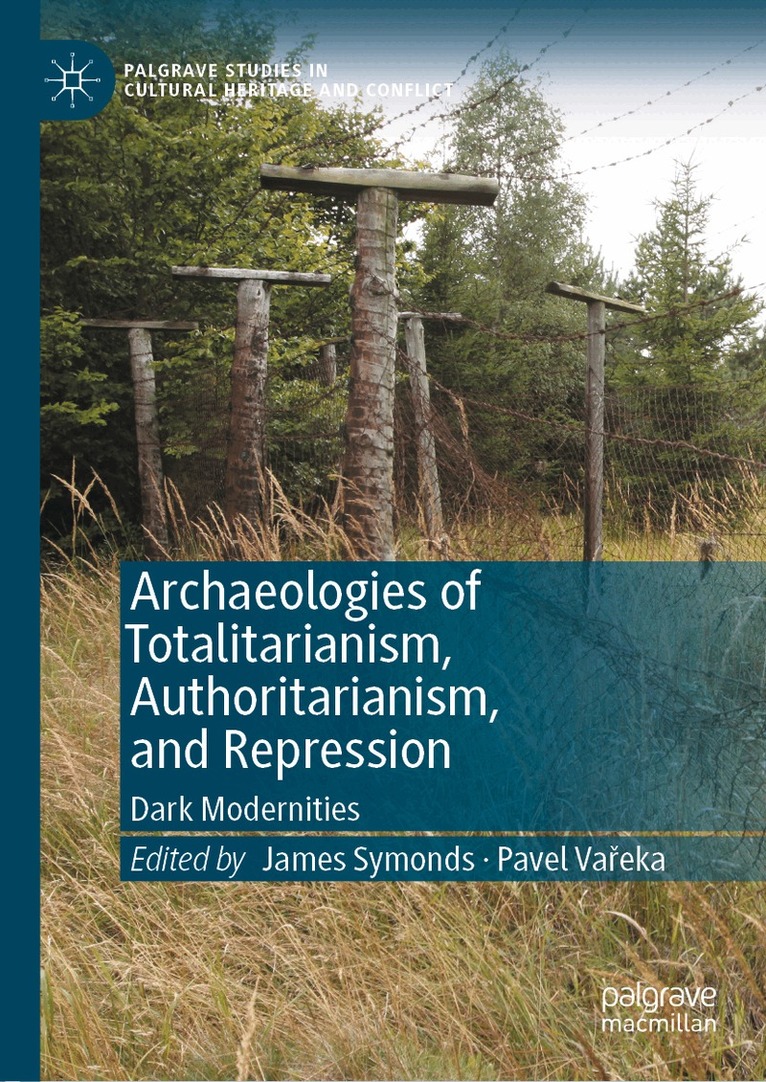
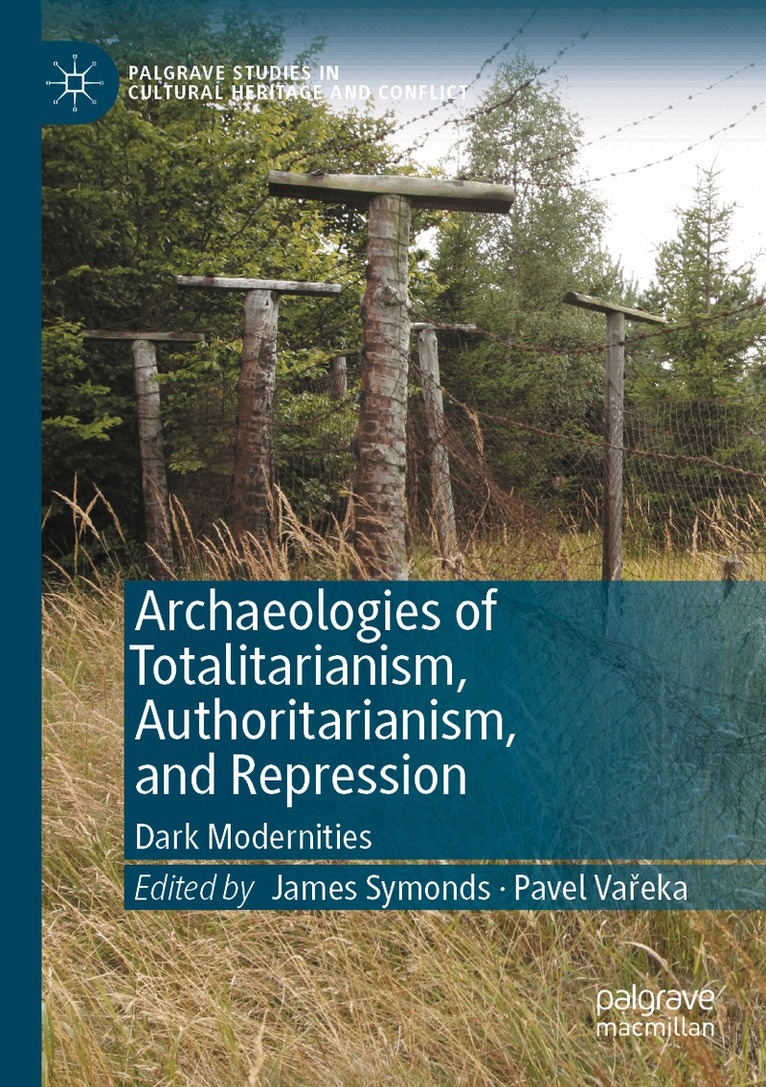
Archaeologies of Totalitarianism, Authoritarianism, and Repression
Dark Modernities
Av James Symonds, Pavel Vařeka
Inbunden, 2020
1576 kr
Lägg i varukorg
This book offers new insights into the mechanisms of state control, systematic repression and mass violence focused on ethnic, political, class, and religious minorities in the recent past. The geographical and temporal scope of the volume breaks new ground as international scholars foreground how …
Archaeologies of Totalitarianism, Authoritarianism, and Repression
Dark Modernities
Av Pavel Vareka, James Symonds
E-bok, 2020
2006 kr
Lägg i varukorg
This book offers new insights into the mechanisms of state control, systematic repression and mass violence focused on ethnic, political, class, and religious minorities in the recent past. The geographical and temporal scope of the volume breaks new ground as international scholars foreground how …
Archaeologies of Totalitarianism, Authoritarianism, and Repression
Dark Modernities
Av James Symonds, Pavel Vařeka
Häftad, 2021
1576 kr
Lägg i varukorg
This book offers new insights into the mechanisms of state control, systematic repression and mass violence focused on ethnic, political, class, and religious minorities in the recent past. The geographical and temporal scope of the volume breaks new ground as international scholars foreground how …