Mary C. Beaudry – författare
Visar alla böcker från författaren Mary C. Beaudry. Handla med fri frakt och snabb leverans.
20 produkter
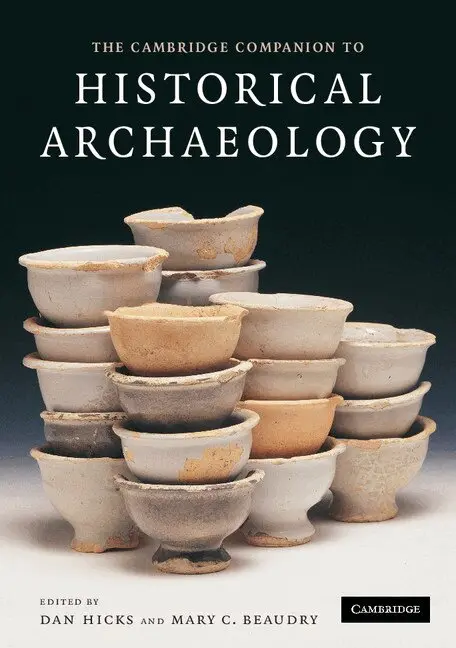
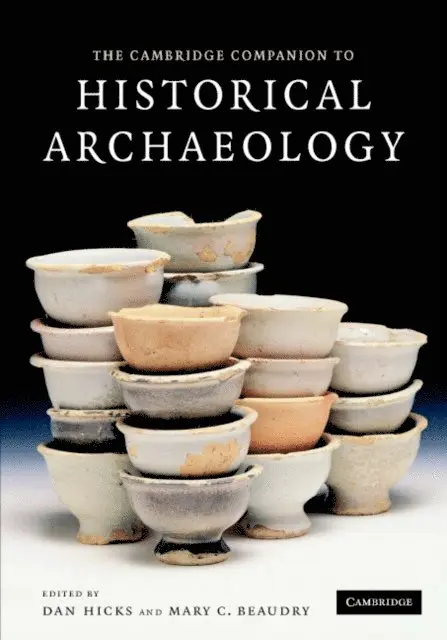
The Cambridge Companion to Historical Archaeology
Häftad, 2006
821 kr
Lägg i varukorg
The Cambridge Companion to Historical Archaeology provides an overview of the international field of historical archaeology (c.AD 1500 to the present) through seventeen specially-commissioned essays from leading researchers in the field. The volume explores key themes in historical archaeology …
The Oxford Handbook of Material Culture Studies
Häftad, 2018
779 kr
Lägg i varukorg
The Oxford Handbook of Material Culture Studies introduces and reviews current thinking in the interdisciplinary field of material culture studies. Drawing together approaches from archaeology, anthropology, geography, and Science and Technology Studies, through twenty-eight specially commissioned …
The Oxford Handbook of Material Culture Studies
Av BEAUDRY HICKS, Dan Hicks m. fl.
Inbunden, 2010
3063 kr
Lägg i varukorg
The Oxford Handbook of Material Culture Studies introduces and reviews current thinking in the interdisciplinary field of material culture studies. Drawing together approaches from archaeology, anthropology, geography, and Science and Technology Studies, through twenty-eight specially commissioned …
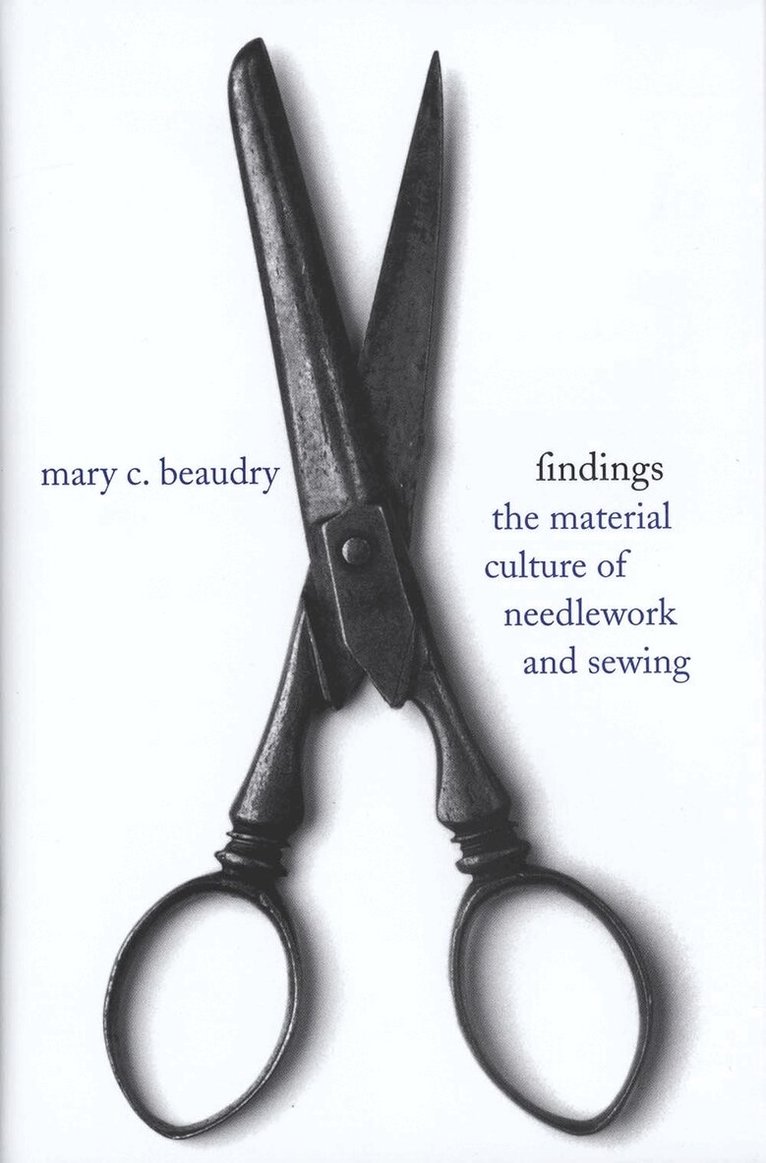
Findings
The Material Culture of Needlework and Sewing
Inbunden, 2006
1242 kr
Lägg i varukorg
Mary C. Beaudry mines archaeological findings of sewing and needlework to discover what these small traces of female experience reveal about the societies and cultures in which they were used. Beaudry’s geographical and chronological scope is broad: she examines sites in the United States and Great …
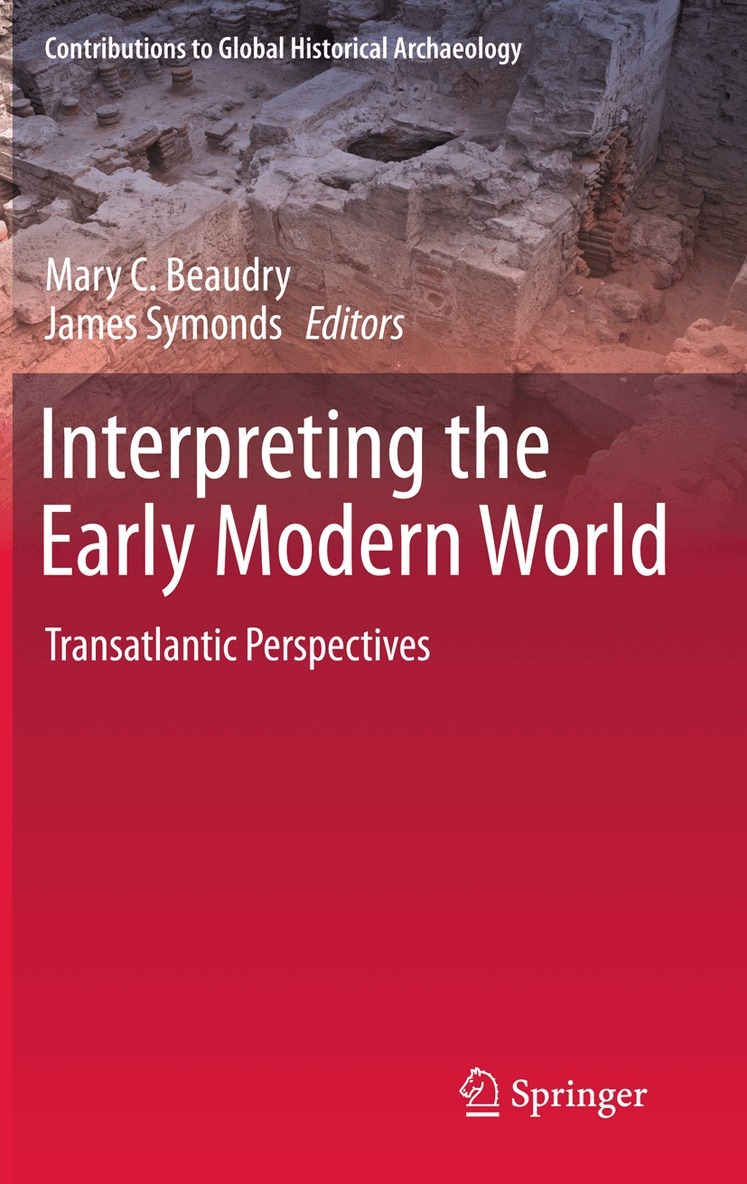
Interpreting the Early Modern World
Transatlantic Perspectives
Av Mary C. Beaudry, James Symonds
Inbunden, 2010
1130 kr
Lägg i varukorg
Interpretive archaeology – meaning the interpretation (social science as opposed to hard science) of archaeology and archaeological artifacts – has predominantly been the realm of prehistoric archaeologists. Many historical archaeologists are participating in this disciplinary shift from …
Interpreting the Early Modern World
Transatlantic Perspectives
Av James Symonds, Mary C. Beaudry
E-bok, 2010
1502 kr
Lägg i varukorg
Interpretive archaeology – meaning the interpretation (social science as opposed to hard science) of archaeology and archaeological artifacts – has predominantly been the realm of prehistoric archaeologists. Many historical archaeologists are participating in this disciplinary shift from …
Documentary Archaeology in the New World
Häftad, 1993
586 kr
Lägg i varukorg
Designed to appeal to a broad spectrum of archaeologists and historians, Documentary Archaeology in the New World outlines a fresh approach to the archaeological study of the historic cultures of North America which places history alongside anthropology, cultural geography, and a whole range of …
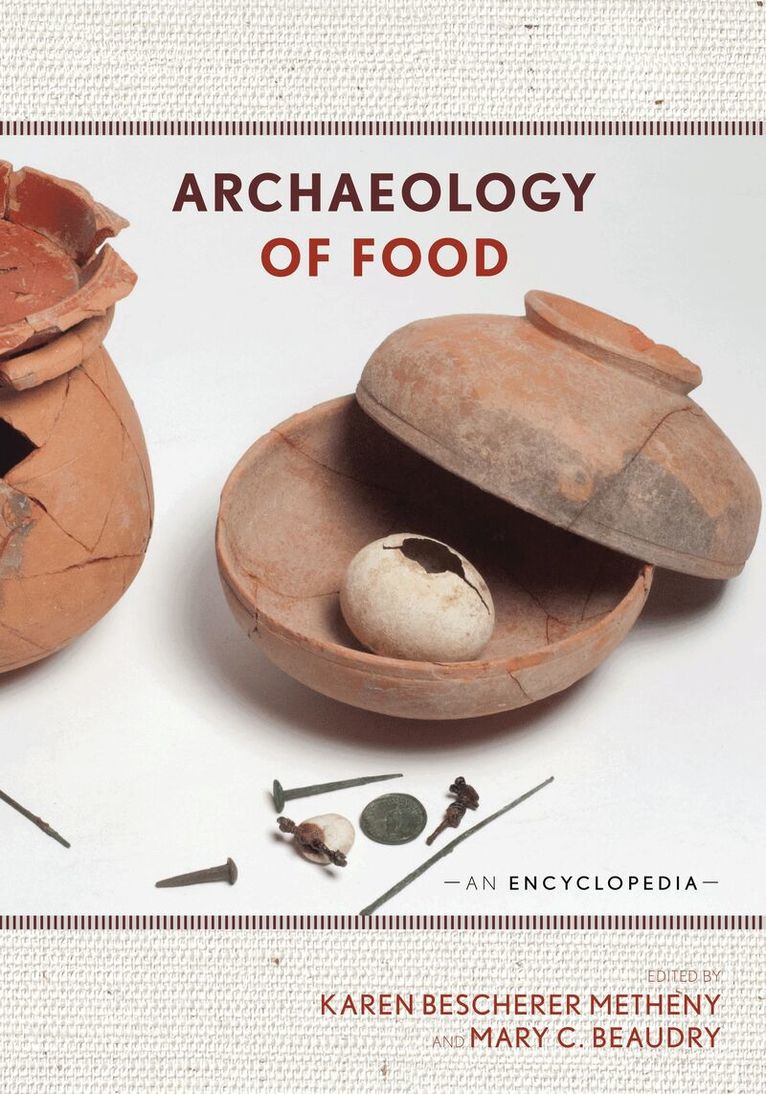
Archaeology of Food: An Encyclopedia
2 Volumes
Av Karen Bescherer Metheny, Mary C. Beaudry
Inbunden, 2015
3269 kr
Lägg i varukorg
What are the origins of agriculture? In what ways have technological advances related to food affected human development? How have food and foodways been used to create identity, communicate meaning, and organize society? In this highly readable, illustrated volume, archaeologists and other …
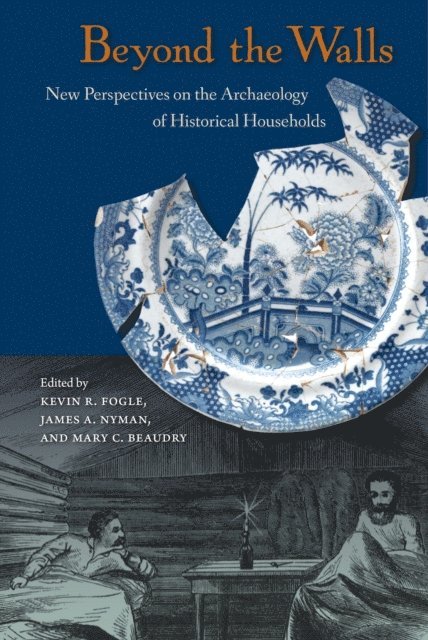
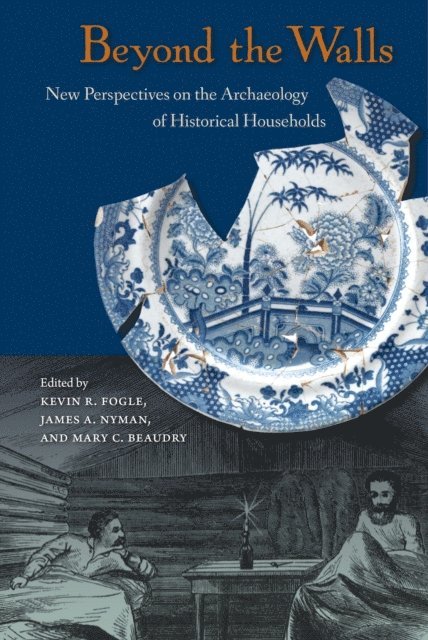
Beyond the Walls
New Perspectives on the Archaeology of Historical Households
Av Mary C. Beaudry, James A. Nyman m. fl.
E-bok, 2015
1337 kr
Lägg i varukorg
While household archaeologists view the home as a social unit, few move their investigations "beyond the walls" when contextualizing a household in its community. Even exterior aspects of a dwelling--its plant life, yard spaces, and trash heaps--uncover issues of domination and resistance, gender …
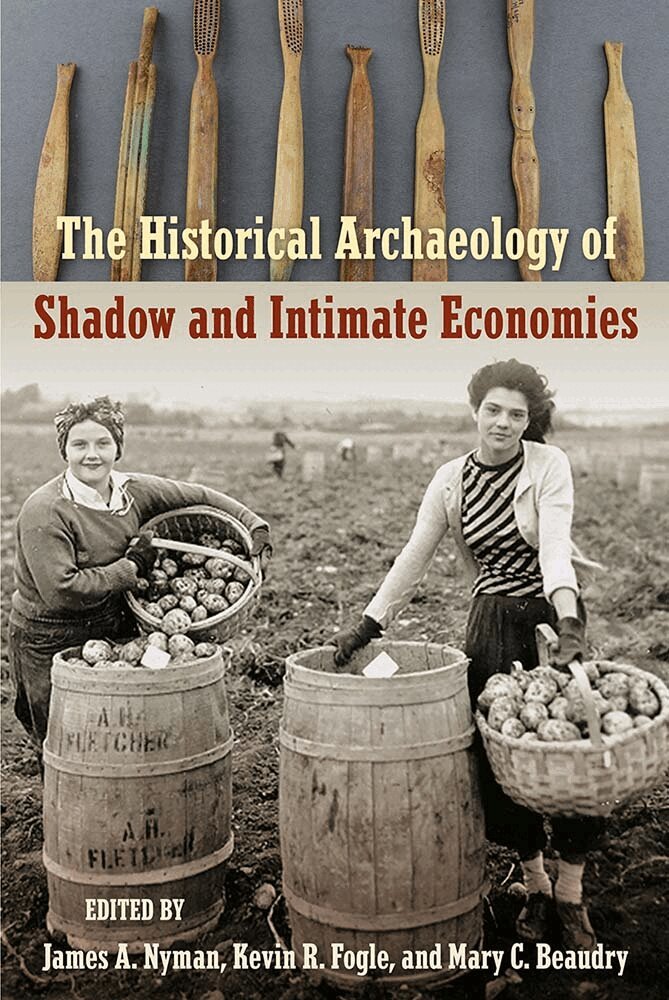
Historical Archaeology of Shadow and Intimate Economies
Av James A. Nyman, Kevin R. Fogle m. fl.
Inbunden, 2019
1119 kr
Lägg i varukorg
Emphasizing the important social relationships that form between people who participate in small-scale economic transactions, contributors to this volume explore often-overlooked networks of intimate and shadow economies?terms used to describe trade that takes place outside formal market systems. …
Historical Archaeology of Shadow and Intimate Economies
Av Mary C. Beaudry, Kevin R. Fogle m. fl.
E-bok, 2019
1779 kr
Lägg i varukorg
Emphasizing the important social relationships that form among people who participate in small-scale economic transactions, contributors to this volume explore often-overlooked networks of intimate and shadow economies—terms used to describe trade that takes place outside formal market systems.Case …
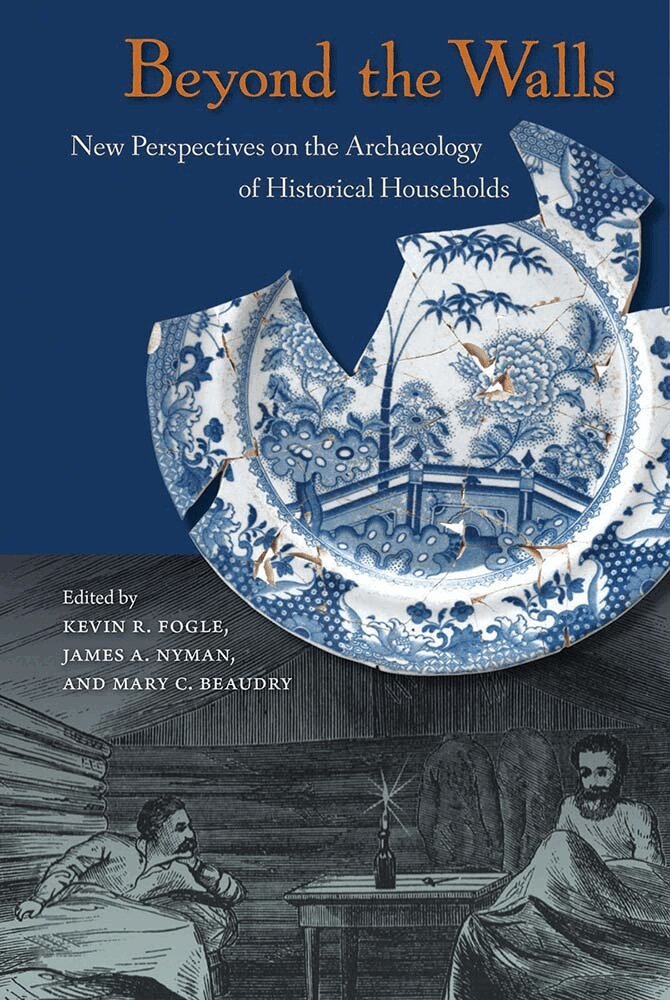
Beyond the Walls
New Perspectives on the Archaeology of Historical Households
Av Kevin R. Fogle, James A. Nyman m. fl.
Inbunden, 2015
885 kr
Lägg i varukorg
While household archaeologists view the home as a social unit, few move their investigations ""beyond the walls"" when contextualizing a household in its community. Even exterior aspects of a dwelling-its plant life, yard spaces, and trash heaps-uncover issues of domination and resistance, gender …
Beyond the Walls
New Perspectives on the Archaeology of Historical Households
Av Mary C. Beaudry, James A. Nyman m. fl.
E-bok, 2019
356 kr
Lägg i varukorg
“Thought-provoking and engaging, Beyond the Walls provides new and relevant theoretical perspectives and specific case studies for archaeologists conducting research related to household archaeology. Essential for both students and professionals.”—Mark D. Groover, author of The Archaeology of North …
Beyond the Walls
New Perspectives on the Archaeology of Historical Households
Av Kevin R. Fogle, James A. Nyman m. fl.
Häftad, 2019
227 kr
Lägg i varukorg
Thought-provoking and engaging, Beyond the Walls provides new and relevant theoretical perspectives and specific case studies for archaeologists conducting research related to household archaeology. Essential for both students and professionals.”—Mark D. Groover, author of The Archaeology of North …
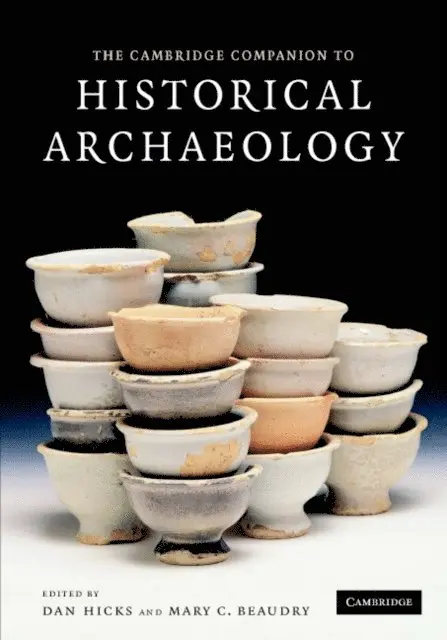
Cambridge Companion to Historical Archaeology
E-bok, 2006
806 kr
Lägg i varukorg
The Cambridge Companion to Historical Archaeology provides an overview of the international field of historical archaeology (c.AD 1500 to the present) through seventeen specially-commissioned essays from leading researchers in the field. The volume explores key themes in historical archaeology …
Cambridge Companion to Historical Archaeology
E-bok, 2006
789 kr
Lägg i varukorg
The Cambridge Companion to Historical Archaeology provides an overview of the international field of historical archaeology (c.AD 1500 to the present) through seventeen specially-commissioned essays from leading researchers in the field. The volume explores key themes in historical archaeology …
Interpreting the Early Modern World
Transatlantic Perspectives
Av Mary C. Beaudry, James Symonds
Häftad, 2012
1130 kr
Lägg i varukorg
Interpretive archaeology – meaning the interpretation (social science as opposed to hard science) of archaeology and archaeological artifacts – has predominantly been the realm of prehistoric archaeologists. Many historical archaeologists are participating in this disciplinary shift from …
Archaeologies of Mobility and Movement
Av Mary C Beaudry, Travis G. Parno
Inbunden, 2013
1579 kr
Lägg i varukorg
This collection of essays in Archaeologies of Mobility and Movement draws inspiration from current archaeological interest in the movement of individuals, things, and ideas in the recent past. Movement is fundamentally concerned with the relationship(s) among time, object, person, and space. The …
Archaeologies of Mobility and Movement
Av Travis G. Parno, Mary C Beaudry
E-bok, 2013
2006 kr
Lägg i varukorg
This collection of essays in Archaeologies of Mobility and Movement draws inspiration from current archaeological interest in the movement of individuals, things, and ideas in the recent past. Movement is fundamentally concerned with the relationship(s) among time, object, person, and space. The …
Archaeologies of Mobility and Movement
Av Mary C Beaudry, Travis G. Parno
Häftad, 2015
1579 kr
Lägg i varukorg
This collection of essays in Archaeologies of Mobility and Movement draws inspiration from current archaeological interest in the movement of individuals, things, and ideas in the recent past. Movement is fundamentally concerned with the relationship(s) among time, object, person, and space. The …