James W. Endersby – författare
Visar alla böcker från författaren James W. Endersby. Handla med fri frakt och snabb leverans.
10 produkter
Ranked Choice Voting
Av James W. Endersby, Michael J. Towle
Inbunden, 2025
977 kr
Lägg i varukorg
Ranked choice voting (RCV) is an electoral and political reform sweeping across North America, already adopted in a variety of places, including New York City, the state of Maine, and cities and towns in Minnesota, California, and Utah. In localities using RCV, voters don't cast just a single vote …
Ranked Choice Voting
Av James W. Endersby, Michael J. Towle
Häftad, 2025
292 kr
Lägg i varukorg
Ranked choice voting (RCV) is an electoral and political reform sweeping across North America, already adopted in a variety of places, including New York City, the state of Maine, and cities and towns in Minnesota, California, and Utah. In localities using RCV, voters don't cast just a single vote …
Ranked Choice Voting
Av Michael J. Towle, James W. Endersby
E-bok, 2025
312 kr
Lägg i varukorg
Ranked choice voting (RCV) is an electoral and political reform sweeping across North America, already adopted in a variety of places, including New York City, the state of Maine, and cities and towns in Minnesota, California, and Utah. In localities using RCV, voters don''t cast just a single vote …
Ranked Choice Voting
Av Michael J. Towle, James W. Endersby
E-bok, 2025
312 kr
Lägg i varukorg
Ranked choice voting (RCV) is an electoral and political reform sweeping across North America, already adopted in a variety of places, including New York City, the state of Maine, and cities and towns in Minnesota, California, and Utah. In localities using RCV, voters don''t cast just a single vote …
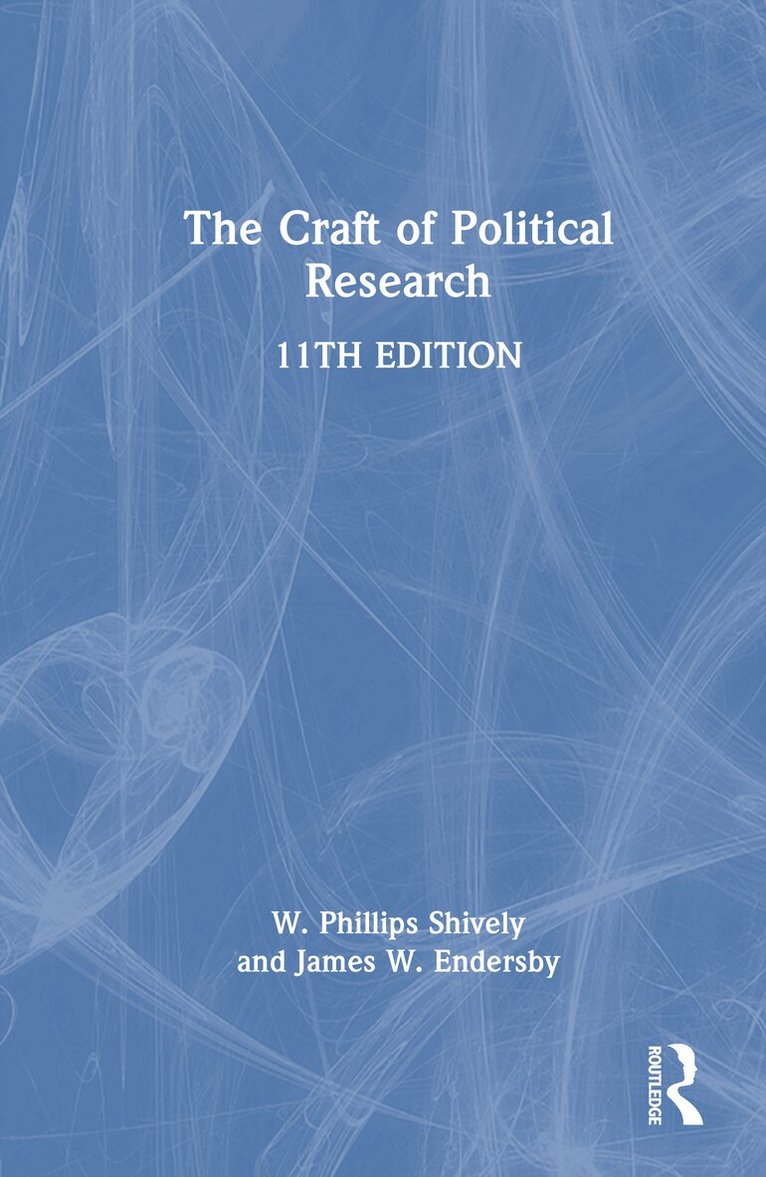
Craft of Political Research
Av W. Phillips Shively, James W. Endersby
Inbunden, 2025
3427 kr
Lägg i varukorg
The Craft of Political Research is a nontechnical introduction to research design and analysis in political science, emphasizing the choices we make when we design a research project and analyze its results. The book’s approach centers on asking an interesting research question, then designing …
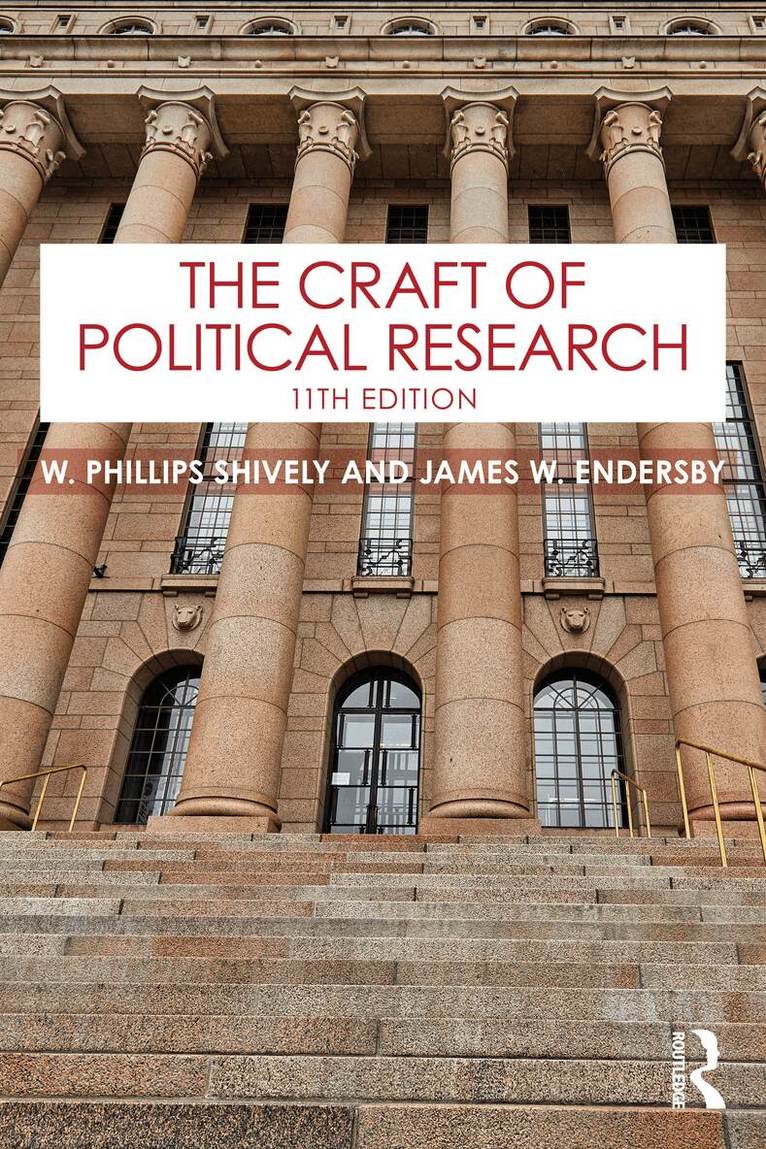
Craft of Political Research
Av W. Phillips Shively, James W. Endersby
Häftad, 2025
1069 kr
Lägg i varukorg
The Craft of Political Research is a nontechnical introduction to research design and analysis in political science, emphasizing the choices we make when we design a research project and analyze its results. The book’s approach centers on asking an interesting research question, then designing …
Craft of Political Research
Av James W. Endersby, W. Phillips Shively
E-bok, 2025
1264 kr
Lägg i varukorg
The Craft of Political Research is a nontechnical introduction to research design and analysis in political science, emphasizing the choices we make when we design a research project and analyze its results. The book’s approach centers on asking an interesting research question, then designing …
Craft of Political Research
Av James W. Endersby, W. Phillips Shively
E-bok, 2025
1264 kr
Lägg i varukorg
The Craft of Political Research is a nontechnical introduction to research design and analysis in political science, emphasizing the choices we make when we design a research project and analyze its results. The book’s approach centers on asking an interesting research question, then designing …
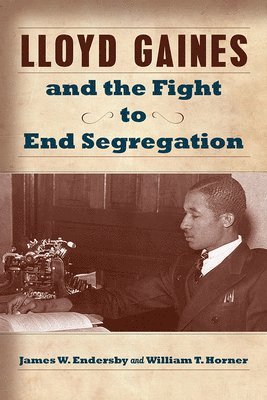
Lloyd Gaines and the Fight to End Segregation
Av James W. Endersby, William T. Horner
Inbunden, 2016
319 kr
Tillfälligt slut
80 years ago, Lloyd Gaines’s application to the University of Missouri law school was denied based on his race. Gaines and the NAACP challenged the university’s deci- sion. Missouri ex rel. Gaines v. Canada (1938) was the rst in a long line of decisions by the U.S. Supreme Court regarding race, …
Lloyd Gaines and the Fight to End Segregation
Av James W. Endersby, William T. Horner
Häftad, 2021
243 kr
Tillfälligt slut
Winner, 2017 Missouri Conference on History Book AwardIn 1936, Lloyd Gaines's application to the University of Missouri law school was denied based on his race. Gaines and the NAACP challenged the university's decision. Missouri ex rel. Gaines v. Canada (1938) was the first in a long line of …