Jamie Furlong – författare
Visar alla böcker från författaren Jamie Furlong. Handla med fri frakt och snabb leverans.
5 produkter
5 produkter
E-bok
PDF, Engelska, 2024445 kr
Läs direkt efter köp
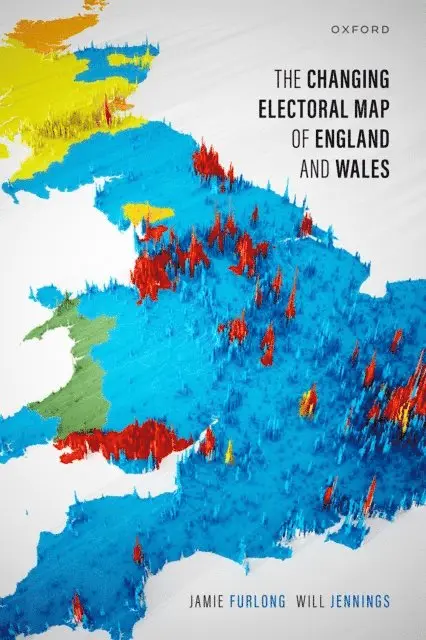
The 2019 British general election saw a dramatic redrawing of the electoral map, with the Labour Party losing seats to the Conservatives in former heartlands in the North of England and Midlands. Yet this had been a long-term shift, with the opposite trend occurring in major cities and university towns, where Labour''s support has been increasing. What has driven these changes in electoral geography? Why do they matter? This book offers a definitive account of the changing electoral geography of England and Wales over the past half century. Jamie Furlong and Will Jennings argue that long-term trends in social and economic structure have significantly altered the spatial distribution of voters and, combined with changes in the parties'' appeal to those voters, have led to a gradual, though recently accelerating, realignment of the geographical basis of electoral competition. Constituency-level analysis of voting at general elections between 1979 and 2019 reveals a swing from Labour to the Conservatives in demographically ''left behind'' areas (areas with largely white, working-class populations and lower levels of educational attainment), while Labour''s support has remained stable in areas characterized by high levels of economic deprivation and insecure employment. Areas that have experienced improvements in their socioeconomic condition - typically cities where Labour have inefficiently stacked up votes - have swung towards Labour, whereas areas characterized by economic and population decline have swung towards the Conservatives. Spatial analysis reveals clusters of seats where each party has more support than expected based on sociodemographic composition - places where, in short, place matters. In Merseyside, Labour''s vote is much higher than would be predicted by demographics, while this is similarly the case for the Conservatives in Lincolnshire and parts of the West Midlands. But what makes these areas distinctive? We present qualitative case studies for Merseyside and Lincolnshire to identify the place-based, contextual factors that help explain their unusual political characteristics. The book argues for the need to recognize the importance of people, places, and parties in shaping the geography of electoral outcomes.
E-bok
Engelska, 2024445 kr
Läs direkt efter köp
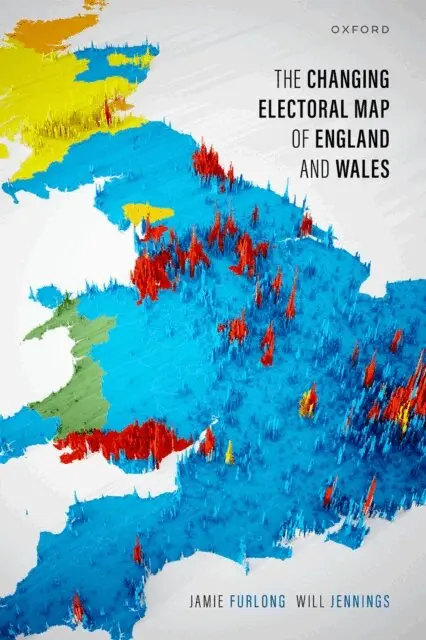
The 2019 British general election saw a dramatic redrawing of the electoral map, with the Labour Party losing seats to the Conservatives in former heartlands in the North of England and Midlands. Yet this had been a long-term shift, with the opposite trend occurring in major cities and university towns, where Labour's support has been increasing. What has driven these changes in electoral geography? Why do they matter? This book offers a definitive account of the changing electoral geography of England and Wales over the past half century. Jamie Furlong and Will Jennings argue that long-term trends in social and economic structure have significantly altered the spatial distribution of voters and, combined with changes in the parties' appeal to those voters, have led to a gradual, though recently accelerating, realignment of the geographical basis of electoral competition. Constituency-level analysis of voting at general elections between 1979 and 2019 reveals a swing from Labour to the Conservatives in demographically 'left behind' areas (areas with largely white, working-class populations and lower levels of educational attainment), while Labour's support has remained stable in areas characterized by high levels of economic deprivation and insecure employment. Areas that have experienced improvements in their socioeconomic condition - typically cities where Labour have inefficiently stacked up votes - have swung towards Labour, whereas areas characterized by economic and population decline have swung towards the Conservatives. Spatial analysis reveals clusters of seats where each party has more support than expected based on sociodemographic composition - places where, in short, place matters. In Merseyside, Labour's vote is much higher than would be predicted by demographics, while this is similarly the case for the Conservatives in Lincolnshire and parts of the West Midlands. But what makes these areas distinctive? We present qualitative case studies for Merseyside and Lincolnshire to identify the place-based, contextual factors that help explain their unusual political characteristics. The book argues for the need to recognize the importance of people, places, and parties in shaping the geography of electoral outcomes.
Inbunden, Engelska, 2024
1 322 kr
Skickas inom 5-8 vardagar
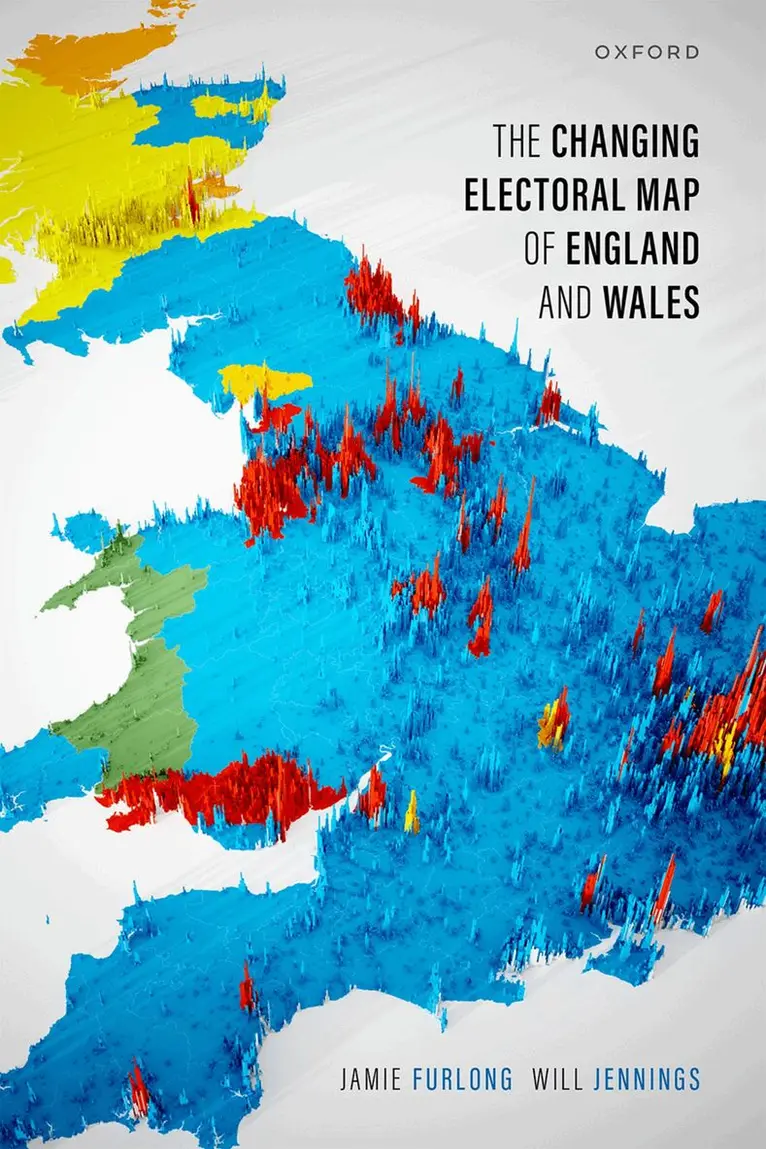
The 2019 British general election saw a dramatic redrawing of the electoral map, with the Labour Party losing seats to the Conservatives in former heartlands in the North of England and Midlands. Yet this had been a long-term shift, with the opposite trend occurring in major cities and university towns, where Labour's support has been increasing. What has driven these changes in electoral geography? Why do they matter? This book offers a definitive account of the changing electoral geography of England and Wales over the past half century. Jamie Furlong and Will Jennings argue that long-term trends in social and economic structure have significantly altered the spatial distribution of voters and, combined with changes in the parties' appeal to those voters, have led to a gradual, though recently accelerating, realignment of the geographical basis of electoral competition. Constituency-level analysis of voting at general elections between 1979 and 2019 reveals a swing from Labour to the Conservatives in demographically 'left behind' areas (areas with largely white, working-class populations and lower levels of educational attainment), while Labour's support has remained stable in areas characterized by high levels of economic deprivation and insecure employment. Areas that have experienced improvements in their socioeconomic condition - typically cities where Labour have inefficiently stacked up votes - have swung towards Labour, whereas areas characterized by economic and population decline have swung towards the Conservatives. Spatial analysis reveals clusters of seats where each party has more support than expected based on sociodemographic composition - places where, in short, place matters. In Merseyside, Labour's vote is much higher than would be predicted by demographics, while this is similarly the case for the Conservatives in Lincolnshire and parts of the West Midlands. But what makes these areas distinctive? We present qualitative case studies for Merseyside and Lincolnshire to identify the place-based, contextual factors that help explain their unusual political characteristics. The book argues for the need to recognize the importance of people, places, and parties in shaping the geography of electoral outcomes.
Häftad, Engelska, 2024
450 kr
Skickas inom 5-8 vardagar
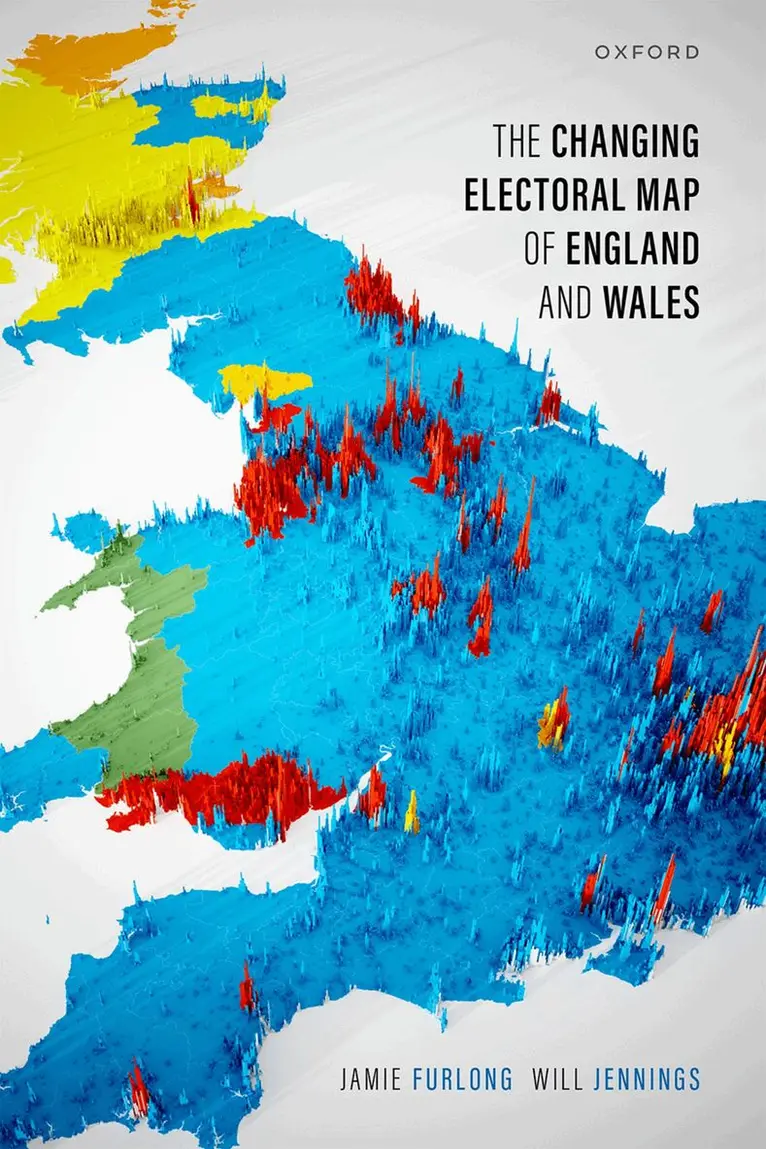
The 2019 British general election saw a dramatic redrawing of the electoral map, with the Labour Party losing seats to the Conservatives in former heartlands in the North of England and Midlands. Yet this had been a long-term shift, with the opposite trend occurring in major cities and university towns, where Labour's support has been increasing. What has driven these changes in electoral geography? Why do they matter? This book offers a definitive account of the changing electoral geography of England and Wales over the past half century. Jamie Furlong and Will Jennings argue that long-term trends in social and economic structure have significantly altered the spatial distribution of voters and, combined with changes in the parties' appeal to those voters, have led to a gradual, though recently accelerating, realignment of the geographical basis of electoral competition. Constituency-level analysis of voting at general elections between 1979 and 2019 reveals a swing from Labour to the Conservatives in demographically 'left behind' areas (areas with largely white, working-class populations and lower levels of educational attainment), while Labour's support has remained stable in areas characterized by high levels of economic deprivation and insecure employment. Areas that have experienced improvements in their socioeconomic condition - typically cities where Labour have inefficiently stacked up votes - have swung towards Labour, whereas areas characterized by economic and population decline have swung towards the Conservatives. Spatial analysis reveals clusters of seats where each party has more support than expected based on sociodemographic composition - places where, in short, place matters. In Merseyside, Labour's vote is much higher than would be predicted by demographics, while this is similarly the case for the Conservatives in Lincolnshire and parts of the West Midlands. But what makes these areas distinctive? We present qualitative case studies for Merseyside and Lincolnshire to identify the place-based, contextual factors that help explain their unusual political characteristics. The book argues for the need to recognize the importance of people, places, and parties in shaping the geography of electoral outcomes.
Häftad, Engelska, 2027
289 kr
Kommande
The ultimate one-stop guide to the long-term cruising life.Cruising is not a holiday; it’s a lifestyle brimming with adventure and unimagined experiences. Stop dreaming and start planning. Are you ready to cast off?Based on 20 years of living at sea, Cast Off the Lines is a practical, no-nonsense guide to leaving life ashore and making the dream of long-term cruising a reality. Highly experienced cruisers Liz Cleere and Jamie Furlong cut through the romanticism to deliver clear, actionable advice on what it really takes to make the transition and thrive once you’re onboard, from maintenance demands and essential sailing experience to provisioning and the discipline of living with less.Packed with checklists, case studies and hard-won insights, it shows how to:· Make the mental leap to becoming a cruiser· Finance the lifestyle and budget realistically with handy budget templates· Choose, buy or upgrade your boat· Earn a living aboard· Perform regular maintenance and manage repairs· Plan passages and provision flexibly and efficiently· Sail safely and sustainably· Navigate cruising grounds and regulations from insurance to permitsWith smart cost-saving tips, this is a hands-on manual grounded in real experience. Honest, empowering and shaped by lessons learnt at sea, Cast Off the Lines gives you the tools and the confidence to cast off and begin your adventure.