Jamuna A Bai - Böcker
Visar alla böcker från författaren Jamuna A Bai. Handla med fri frakt och snabb leverans.
9 produkter
9 produkter
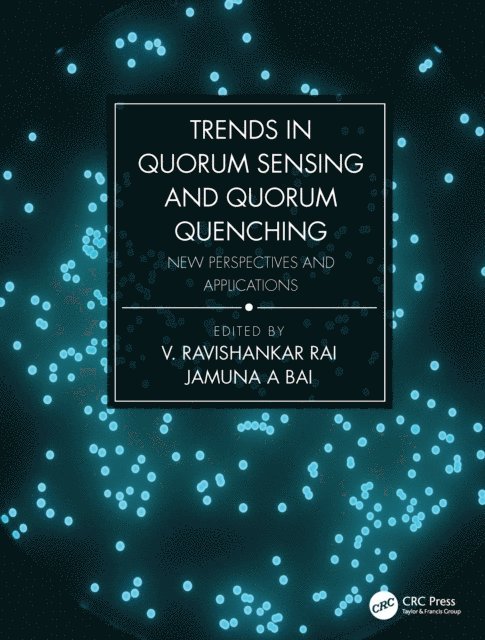
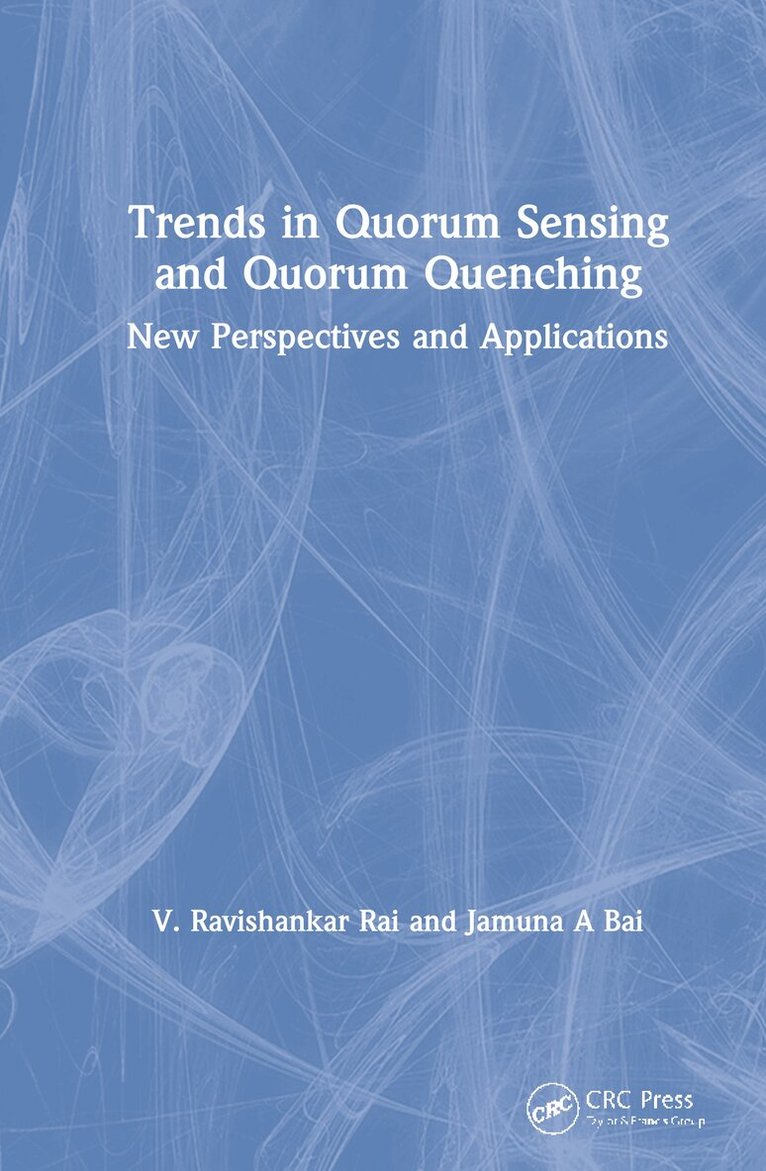
Trends in Quorum Sensing and Quorum Quenching
New Perspectives and Applications
Inbunden, Engelska, 2020
2 724 kr
Skickas inom 10-15 vardagar
The book on Trends in Quorum Sensing and Quorum Quenching: New Perspectives and Applications focuses on the recent advances in the field of quorum sensing in bacteria and the novel strategies developed for quorum sensing inhibition. The topics covered are multidisciplinary and wide-ranging,and includes quorum sensing phenomenon in pathogenic bacteria, food spoilers, and agriculturally relevant bacteria. The applications of quorum sensing inhibitors such as small molecules, bioactives, natural compounds, and quorum quenching enzymes in controlling bacterial infections in clinical settings, agriculture and aquaculture are discussed. The potential use of quorum quenching enzymes for mitigating biofouling is also covered. Special focus is given to exploring quorum sensing inhibitors from microbes and flora inhabiting biodiversity rich regions including tropical rain forests and marine environments.Key features: Covers the fundamental aspects, the progress and challenges in the field of quorum sensing and quorum quenching Reviews quorum sensing in Gram-positive and Gram-negative bacteria of clinical, agricultural, and industrial relevance Discusses the application and future trends of quorum sensing inhibitors from lab to clinical and environmental settings Provides comprehensive coverage on molecular mechanisms in bacterial signaling
1 434 kr
Skickas inom 10-15 vardagar
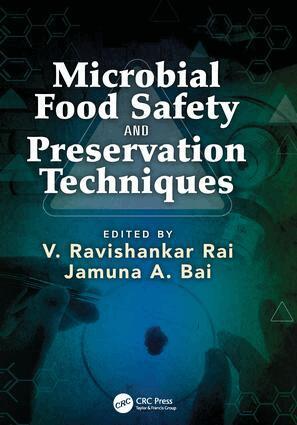
In recent years, rapid strides have been made in the fields of microbiological aspects of food safety and quality, predictive microbiology and microbial risk assessment, microbiological aspects of food preservation, and novel preservation techniques. Written by the experts and pioneers involved in many of these advances, Microbial Food Safety and Preservation Techniques gives you an in-depth look at the fundamental and applied aspects of food safety. It describes the control measures employed and emphasizes the food preservative techniques that are used to ensure high-quality and safe foods.The book elucidates the hazards caused by food-borne pathogens and assesses the microbiological risk of raw, fresh produce, ready-to-eat (RTE), minimally processed, and processed foods. It then discusses the detection of pathogens using advanced molecular techniques, biosensors, and nanotechnology. The topics covered include smart/intelligent and active packaging techniques, hurdle technology, plasma technology, nanotechnology, use of natural flora belonging to lactic acid bacteria, and antimicrobials such as phytochemicals and essential oils, as well as novel food preservatives based on quorum sensing inhibitors. The inclusion of chapters on modeling microbial growth in food enhancing the safety and quality of foods makes the book especially practical.Examining the advantages and limitations of these new preservation techniques, the book highlights the trends and hot topics that help you face the challenges of food safety. With coverage of food safety issues, including detection, identification, and prevention of food-borne illness disease agents, as well as preservation techniques, the book provides a comprehensive resource for tackling current and future food safety issues.
2 724 kr
Skickas inom 10-15 vardagar
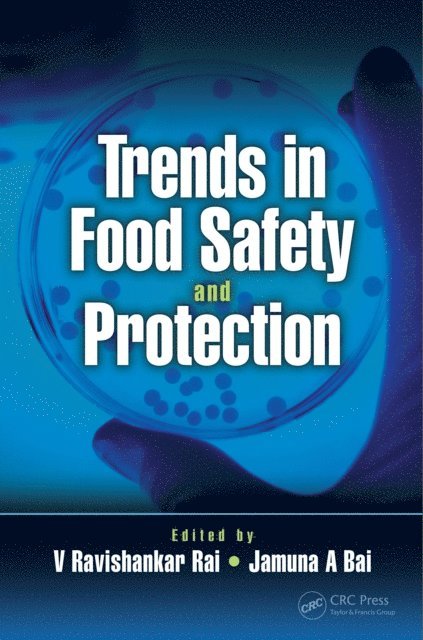
Trends in Food Safety and Protection explores the recent developments and ongoing research in the field of food safety and protection. The book covers improvements in the existing techniques and implementation of novel analytical methods for detecting and characterizing foodborne pathogens.
4 632 kr
Skickas inom 5-8 vardagar
In recent years, rapid strides have been made in the fields of microbiological aspects of food safety and quality, predictive microbiology and microbial risk assessment, microbiological aspects of food preservation, and novel preservation techniques. Written by the experts and pioneers involved in many of these advances, Microbial Food Safety and Preservation Techniques gives you an in-depth look at the fundamental and applied aspects of food safety. It describes the control measures employed and emphasizes the food preservative techniques that are used to ensure high-quality and safe foods.The book elucidates the hazards caused by food-borne pathogens and assesses the microbiological risk of raw, fresh produce, ready-to-eat (RTE), minimally processed, and processed foods. It then discusses the detection of pathogens using advanced molecular techniques, biosensors, and nanotechnology. The topics covered include smart/intelligent and active packaging techniques, hurdle technology, plasma technology, nanotechnology, use of natural flora belonging to lactic acid bacteria, and antimicrobials such as phytochemicals and essential oils, as well as novel food preservatives based on quorum sensing inhibitors. The inclusion of chapters on modeling microbial growth in food enhancing the safety and quality of foods makes the book especially practical.Examining the advantages and limitations of these new preservation techniques, the book highlights the trends and hot topics that help you face the challenges of food safety. With coverage of food safety issues, including detection, identification, and prevention of food-borne illness disease agents, as well as preservation techniques, the book provides a comprehensive resource for tackling current and future food safety issues.
3 435 kr
Skickas inom 10-15 vardagar
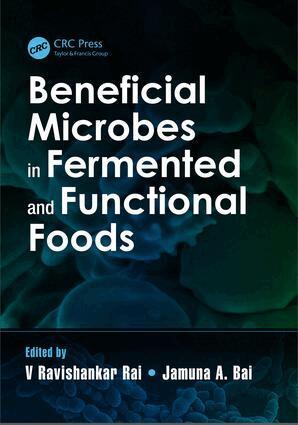
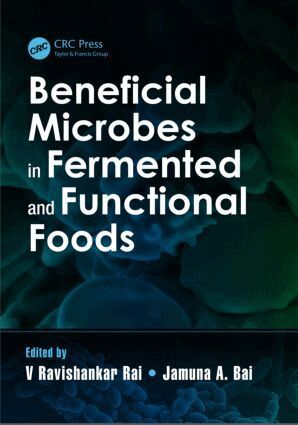
In recent years, the potential health benefits of fermented and functional foods have made them increasingly popular among consumers. A complete overview of the physiology and functional aspects of microbes present in fermented foods and used as functional foods, Beneficial Microbes in Fermented and Functional Foods explores recent advances and progress made in developing fermented and functional foods using molecular biology techniques. With contributions from international experts, the book explores advances in food technology with the prospective applications of microorganisms and their metabolites that can increase opportunities to develop natural substances as food and food ingredients in fermented and functional foods.Divided into four sections and containing 30 chapters, the book takes an in-depth look at the role of microbes and their diversity in traditional and modern fermented and functional foods. It also examines the interaction between the different microflora present in fermented food products, development of starter cultures to improve the nutritional and sensory quality of fermented foods, and factors and processes affecting the safety of various fermented foods. The text then covers application of microbes present in fermented foods and used as functional foods—probiotics, prebiotics, and synbiotics. It explains the different bacteria and strains used as probiotics, their interaction with the other intestinal flora in the host, the health benefits conferred by them, and risks associated with their consumption. The focus on progress and challenges in the technology development of probiotics, prebiotics, and synbiotic preparation makes this book especially useful. The complete and comprehensive overview of the physiology and functional aspects of the microbes present in fermented foods and used as fermented foods gives you a firm foundation for future research and development of new products and uses.
2 996 kr
Skickas inom 10-15 vardagar
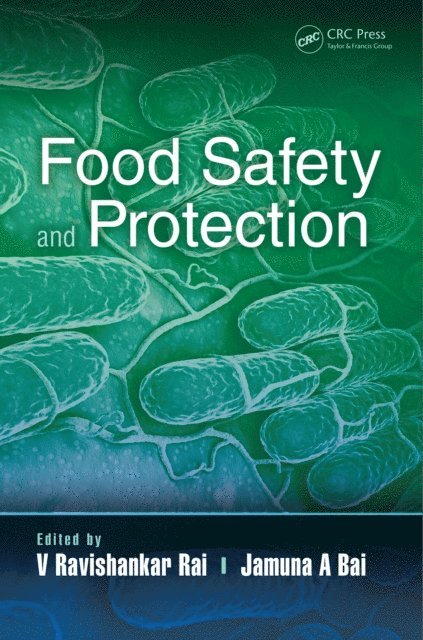
This book provides an overview of issues associated primarily with food safety, shelf-life assessment and preservation of foods. Food safety and protection is a multidisciplinary topic that focuses on the safety, quality, and security aspects of food. Food safety issues involve microbial risks in food products, foodborne infections, and intoxications and food allergenicity. Food protection deals with trends and risks associated with food packaging, advanced food packaging systems for enhancing product safety, the development and application of predictive models for food microbiology, food fraud prevention, and food laws and regulations with the aim to provide safe foods for consumers. Food Safety and Protection covers various aspects of food safety, security, and protection. It discusses the challenges involved in the prevention and control of foodborne illnesses due to microbial spoilage, contamination, and toxins. It starts with documentation on the microbiological and chemical hazards, including allergens, and extends to the advancements in food preservation and food packaging. The book covers new and safe food intervention techniques, predictive food microbiology, and modeling approaches. It reviews the legal framework, regulatory agencies, and laws and regulations for food protection. The book has five sections dealing with the topics of predictive microbiology for safe foods; food allergens, contaminants, and toxins; preservation of foods; food packaging; and food safety laws.
3 607 kr
Skickas inom 10-15 vardagar
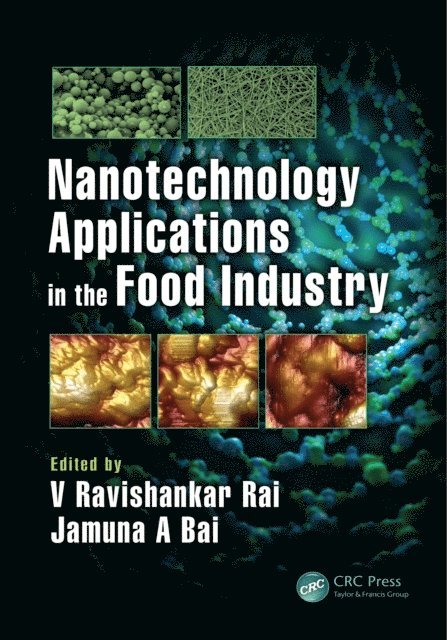
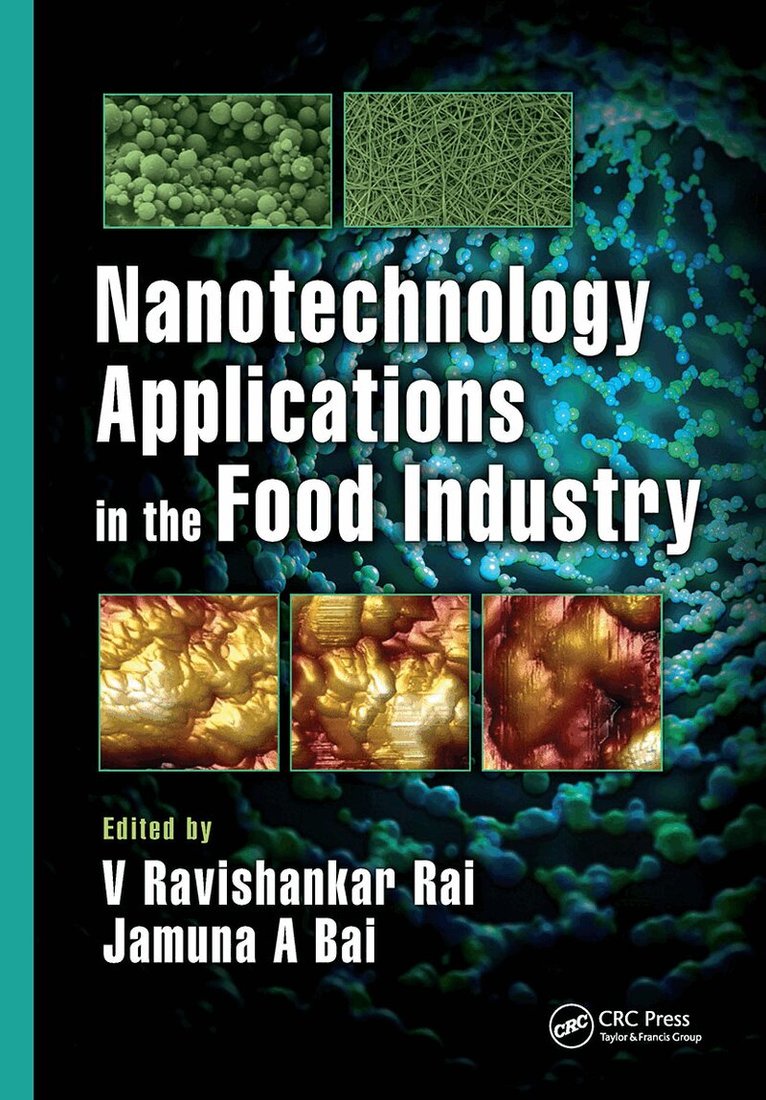
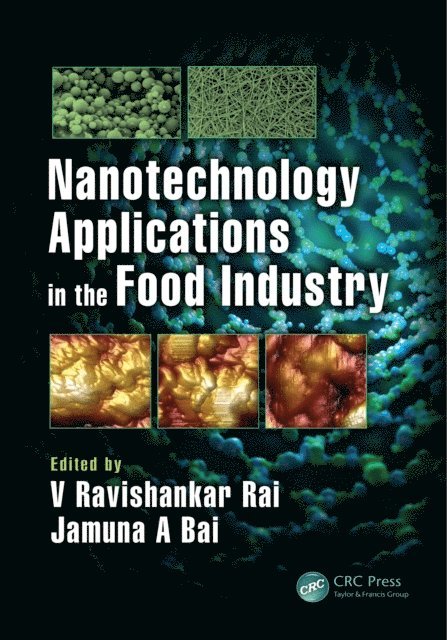
Nanotechnology is increasingly used in the food industry in the production, processing, packaging, and preservation of foods. It is also used to enhance flavor and color, nutrient delivery, and bioavailability, and to improve food safety and in quality management. Nanotechnology Applications in the Food Industry is a comprehensive reference book containing exhaustive information on nanotechnology and the scope of its applications in the food industry. The book has five sections delving on all aspects of nanotechnology and its key role in food industry in the present scenario. Part I on Introduction to Nanotechnology in Food Sector covers the technological basis for its application in food industry and in agriculture. The use of nanosized foods and nanomaterials in food, the safety issues pertaining to its applications in foods and on market analysis and consumer perception of food nanotechnology has been discussed in the section. Part II on Nanotechnology in Food Packaging reviews the use of nanopolymers, nanocomposites and nanostructured coatings in food packaging. Part III on Nanosensors for Safe and Quality Foods provides an overview on nanotechnology in the development of biosensors for pathogen and food contaminant detections, and in sampling and food quality management. Part IV on Nanotechnology for Nutrient Delivery in Foods deals with the use of nanotechnology in foods for controlled and effective release of nutrients. Part V on Safety Assessment for Use of Nanomaterials in Food and Food Production deliberates on the benefits and risks associated with the extensive and long term applications of nanotechnology in food sector.
2 506 kr
Skickas inom 10-15 vardagar
It covers the advanced tools of synthetic biology and metabolic engineering including cluster assembly, CRISPR/Cas9 technologies, and chassis strain development for natural product overproduction in Actinomycetes.
2 506 kr
Skickas inom 10-15 vardagar
It covers the advanced tools of synthetic biology and metabolic engineering including cluster assembly, CRISPR/Cas9 technologies, and chassis strain development for natural product overproduction in Actinomycetes.