1 211 kr
Skickas inom 10-15 vardagar
1 211 kr
Skickas inom 10-15 vardagar
1 587 kr
Läs direkt efter köp
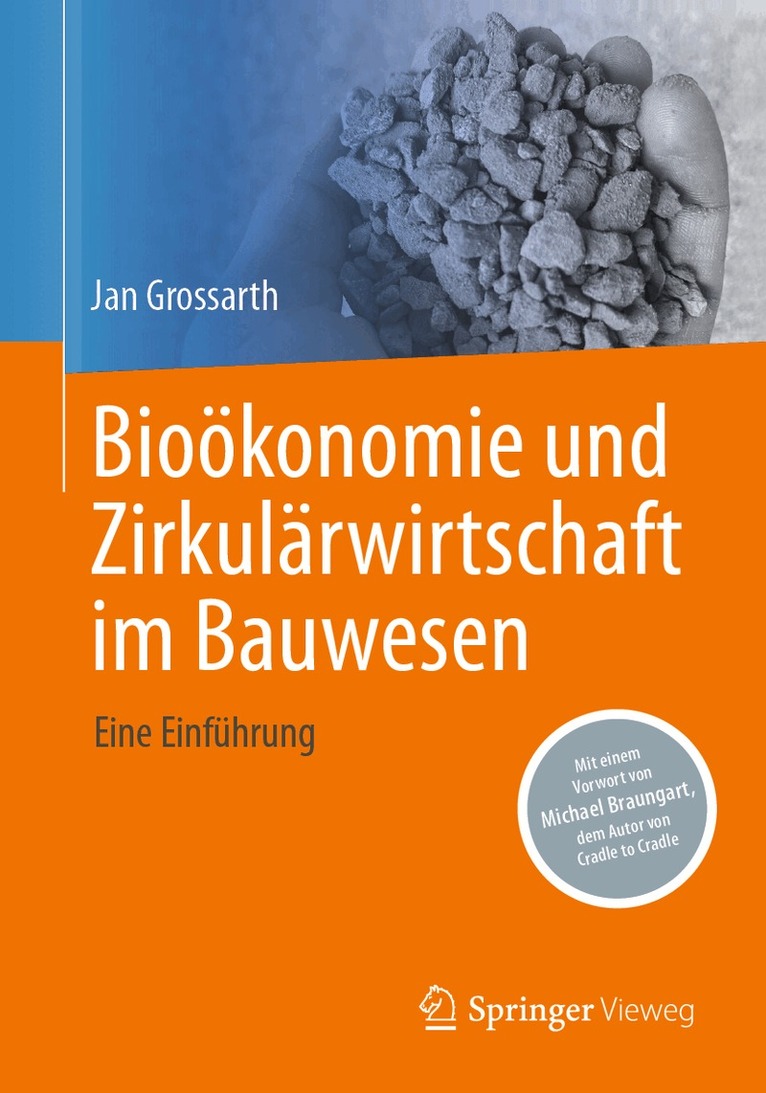
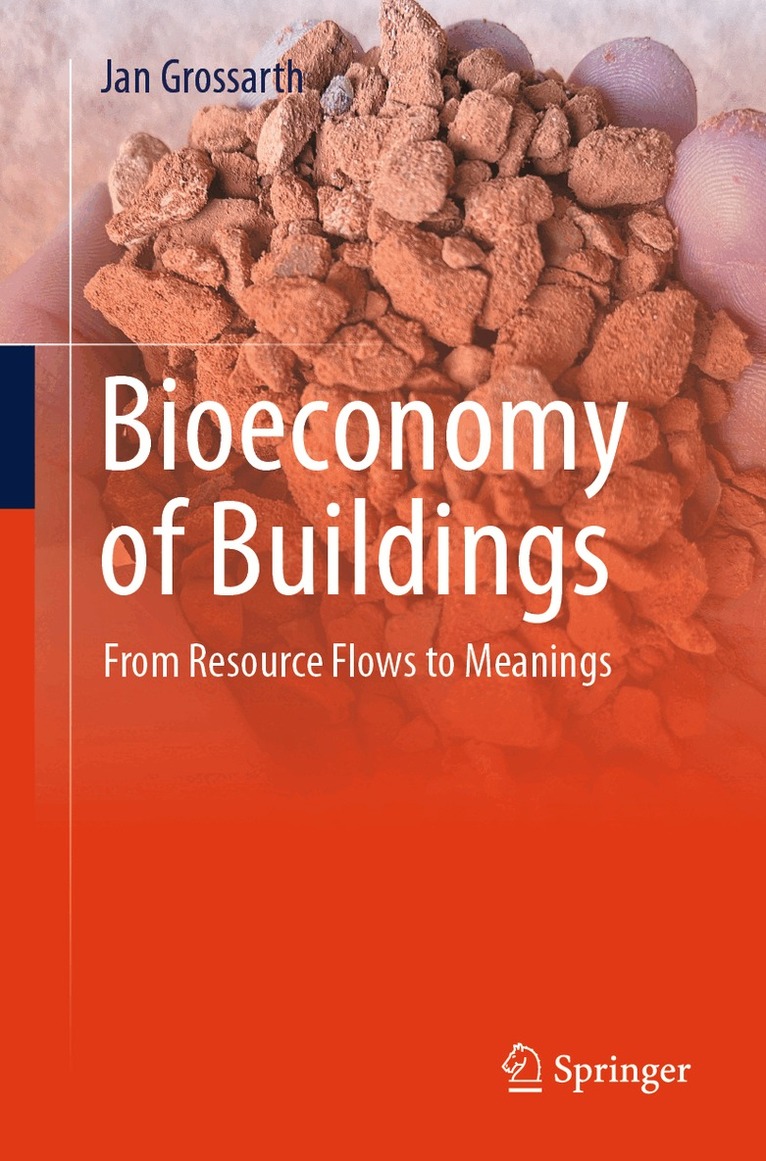
This book looks at how the bioeconomy and circular economy can help make construction more ressource-conserving. The construction sector is at a crossroads, searching for pathways to smarter material use — whether bricks, steel, concrete, or wood. While technical solutions and innovative concepts exist, their widespread adoption lags. This inertia stems not just from technical or economic challenges but also from the deeper, often overlooked layers of social and cultural dynamics: the roles of actors, institutions, and collective perceptions of ecological crises.
The book weaves together quantitative insights and qualitative reflections, exploring the rich history of resource-conscious construction while embracing the promise of groundbreaking biotechnological innovations. Can materials like lab-grown bioplastics, innovative cements, recycled components, or renewable resources such as CLT wood and straw bale construction drive progress toward material longevity? What contributions can sustainable architecture — rooted in aesthetics, character, originality, and historical continuity — make to these efforts? What roles do certifications and lifecycle assessments play? This book explores these questions, offering a compelling narrative through the bioeconomy approach, which envisions circular material flows grounded in economic pragmatism.
"Since the 1950s, when craftsmanship in construction was replaced by industrial processes, knowledge about the value of materials was supplanted by cheap, poorly applied chemistry. As a result, we built residential developments and suburbs that are not only aesthetically unappealing but also riddled with hazardous waste. [...] This book by Jan Grossarth has several strengths. Firstly, it avoids the trap of suggesting that the future of construction must rely solely on wood and biological materials — eschewing the utopian vision of a ''back to nature'' approach to building. Instead, it offers a broad overview of the bewilderingly numerous concepts and ideologies surrounding sustainability, bringing together many promising paths that are emerging in construction." Prof. Michael Braungart
101 kr
Skickas inom 3-6 vardagar
66 kr
Läs direkt efter köp
519 kr
Skickas inom 10-15 vardagar
526 kr
Läs direkt efter köp
Das Bauwesen sucht neue Wege. Ein intelligenterer Umgang mit Materialien wie Ziegeln, Stahl, Beton oder Holz ist notwendig. Techniken und Konzepte dafür gibt es. Aber die Umsetzung bleibt träge. Die Gründe dafür sind nicht allein technischer und ökonomischer Art. Auch die sozial- und kulturwissenschaftliche Perspektive auf Akteure, Institutionen und ökologische Krisenwahrnehmungen ist aufschlussreich.Wie lässt sich ein auf Ressourcenbewahrung und Klimaschutz ausgerichteter Bau verwirklichen? Welche Beiträge leisten Zertifizierungen, Ökobilanzierung und die Kommunikation? Was ist von innovativen Zementen oder Recycling-Baustoffen zu erwarten? Und von Nachwachsenden Rohstoffen wie Holz oder Stroh? Welche Beiträge können der politische Ordnungsrahmen und die Werte nachhaltiger Architektur - Ästhetik, Charakter, Geschichtlichkeit - leisten? Wie sind Ziel- und Interessenkonflikte zu beschreiben?
Der Ansatz der Bioökonomie verbindet die Idee zirkulärer Stoffströme mit ökonomischem Realitätssinn. Dieses Buch gibt einen Überblick, der von historischen Vorbildern bis zu biotechnologischen Innovationen reicht. Es führt erstmals Ansätze der Bioökonomie und Zirkulärwirtschaft mit der Nachhaltigkeitsausrichtung des Bauwesens zusammen und ordnet sie in handlungsrelevante Kontexte ein.
Mit mehreren Exkursionen, und Experteninterviews mit Armin Grunwald und vielen anderen. Sowie einem Vorwort von Michael Braungart: „Unsere Nachhaltigkeits-Expertokratie hilft, das Verkehrte zu optimieren. Zugleich gibt es aber auch gute Entwicklungen.“
Das Buch richtet sich an Leserinnen und Leser aus den Bereichen Bauingenieurwesen, Baupraxis, Architektur, Immobilien, Bioökonomie, sowie an Studierende, interessierte Laien und an Akteure der Politik und Politikberatung.
259 kr
Skickas inom 3-6 vardagar
1 211 kr
Skickas inom 10-15 vardagar
1 587 kr
Läs direkt efter köp
This book looks at how the bioeconomy and circular economy can help make construction more ressource-conserving. The construction sector is at a crossroads, searching for pathways to smarter material use — whether bricks, steel, concrete, or wood. While technical solutions and innovative concepts exist, their widespread adoption lags. This inertia stems not just from technical or economic challenges but also from the deeper, often overlooked layers of social and cultural dynamics: the roles of actors, institutions, and collective perceptions of ecological crises.
The book weaves together quantitative insights and qualitative reflections, exploring the rich history of resource-conscious construction while embracing the promise of groundbreaking biotechnological innovations. Can materials like lab-grown bioplastics, innovative cements, recycled components, or renewable resources such as CLT wood and straw bale construction drive progress toward material longevity? What contributions can sustainable architecture — rooted in aesthetics, character, originality, and historical continuity — make to these efforts? What roles do certifications and lifecycle assessments play? This book explores these questions, offering a compelling narrative through the bioeconomy approach, which envisions circular material flows grounded in economic pragmatism.
"Since the 1950s, when craftsmanship in construction was replaced by industrial processes, knowledge about the value of materials was supplanted by cheap, poorly applied chemistry. As a result, we built residential developments and suburbs that are not only aesthetically unappealing but also riddled with hazardous waste. [...] This book by Jan Grossarth has several strengths. Firstly, it avoids the trap of suggesting that the future of construction must rely solely on wood and biological materials — eschewing the utopian vision of a ''back to nature'' approach to building. Instead, it offers a broad overview of the bewilderingly numerous concepts and ideologies surrounding sustainability, bringing together many promising paths that are emerging in construction." Prof. Michael Braungart
101 kr
Skickas inom 3-6 vardagar
66 kr
Läs direkt efter köp
519 kr
Skickas inom 10-15 vardagar
526 kr
Läs direkt efter köp
Das Bauwesen sucht neue Wege. Ein intelligenterer Umgang mit Materialien wie Ziegeln, Stahl, Beton oder Holz ist notwendig. Techniken und Konzepte dafür gibt es. Aber die Umsetzung bleibt träge. Die Gründe dafür sind nicht allein technischer und ökonomischer Art. Auch die sozial- und kulturwissenschaftliche Perspektive auf Akteure, Institutionen und ökologische Krisenwahrnehmungen ist aufschlussreich.Wie lässt sich ein auf Ressourcenbewahrung und Klimaschutz ausgerichteter Bau verwirklichen? Welche Beiträge leisten Zertifizierungen, Ökobilanzierung und die Kommunikation? Was ist von innovativen Zementen oder Recycling-Baustoffen zu erwarten? Und von Nachwachsenden Rohstoffen wie Holz oder Stroh? Welche Beiträge können der politische Ordnungsrahmen und die Werte nachhaltiger Architektur - Ästhetik, Charakter, Geschichtlichkeit - leisten? Wie sind Ziel- und Interessenkonflikte zu beschreiben?
Der Ansatz der Bioökonomie verbindet die Idee zirkulärer Stoffströme mit ökonomischem Realitätssinn. Dieses Buch gibt einen Überblick, der von historischen Vorbildern bis zu biotechnologischen Innovationen reicht. Es führt erstmals Ansätze der Bioökonomie und Zirkulärwirtschaft mit der Nachhaltigkeitsausrichtung des Bauwesens zusammen und ordnet sie in handlungsrelevante Kontexte ein.
Mit mehreren Exkursionen, und Experteninterviews mit Armin Grunwald und vielen anderen. Sowie einem Vorwort von Michael Braungart: „Unsere Nachhaltigkeits-Expertokratie hilft, das Verkehrte zu optimieren. Zugleich gibt es aber auch gute Entwicklungen.“
Das Buch richtet sich an Leserinnen und Leser aus den Bereichen Bauingenieurwesen, Baupraxis, Architektur, Immobilien, Bioökonomie, sowie an Studierende, interessierte Laien und an Akteure der Politik und Politikberatung.
259 kr
Skickas inom 3-6 vardagar