Jane Gatley – författare
Visar alla böcker från författaren Jane Gatley. Handla med fri frakt och snabb leverans.
6 produkter
6 produkter
Inbunden, Engelska, 2023
1 289 kr
Skickas inom 10-15 vardagar
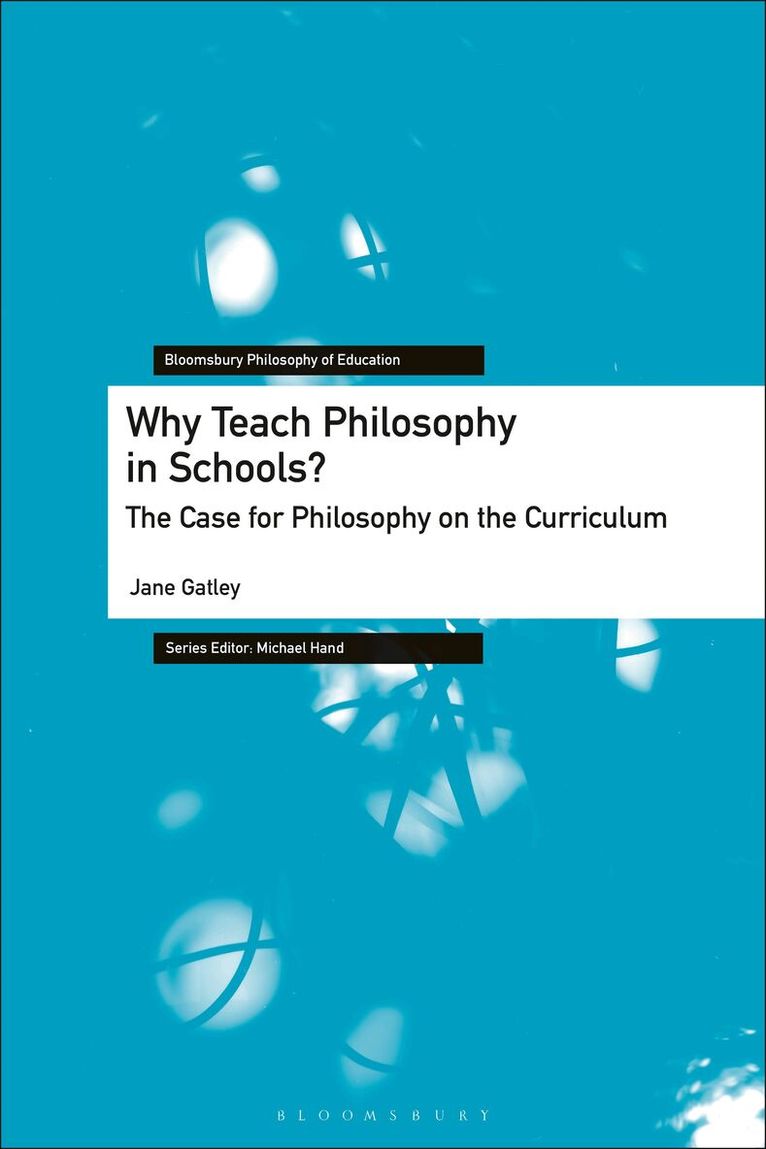
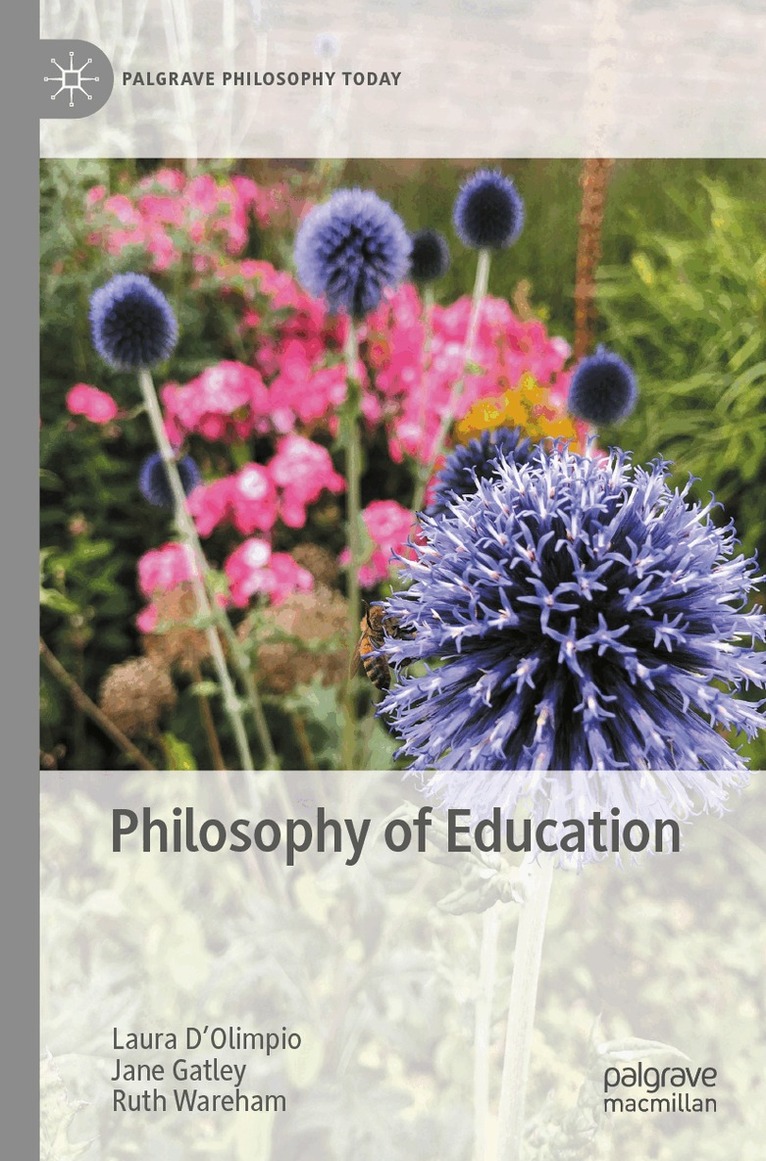
This book presents a case for teaching philosophy in schools. It develops two original arguments for teaching philosophy to all students at some point over the course of their education. Gatley argues that teaching philosophy is the best way to help students to think clearly using ordinary, or non-specialist concepts such as ‘good’, ‘truth’, or ‘happiness’. She goes on to argue that teaching philosophy is the best way to help students to make sense of the different conceptual schemes used by different school subjects. Combining these two arguments, Gatley suggests that these two roles for philosophy are central to the task of educating people, and so philosophy ought to be included on school curricula. Building on the work of philosophers of education including Richard Stanley Peters, Harry Brighouse, Matthew Lipman, Mary Midgley and Martha Nussbaum, the book covers a range of topics including Philosophy for Children (P4C), the aims education, religious education, curriculum design and education policy.
E-bok
PDF, Engelska, 2023426 kr
Läs direkt efter köp
This book presents a case for teaching philosophy in schools. It develops two original arguments for teaching philosophy to all students at some point over the course of their education. Gatley argues that teaching philosophy is the best way to help students to think clearly using ordinary, or non-specialist concepts such as ''good'', ''truth'', or ''happiness''. She goes on to argue that teaching philosophy is the best way to help students to make sense of the different conceptual schemes used by different school subjects. Combining these two arguments, Gatley suggests that these two roles for philosophy are central to the task of educating people, and so philosophy ought to be included on school curricula. Building on the work of philosophers of education including Richard Stanley Peters, Harry Brighouse, Matthew Lipman, Mary Midgley and Martha Nussbaum, the book covers a range of topics including Philosophy for Children (P4C), the aims education, religious education, curriculum design and education policy.
E-bok
Engelska, 2023441 kr
Läs direkt efter köp
This book presents a case for teaching philosophy in schools. It develops two original arguments for teaching philosophy to all students at some point over the course of their education. Gatley argues that teaching philosophy is the best way to help students to think clearly using ordinary, or non-specialist concepts such as ''good'', ''truth'', or ''happiness''. She goes on to argue that teaching philosophy is the best way to help students to make sense of the different conceptual schemes used by different school subjects. Combining these two arguments, Gatley suggests that these two roles for philosophy are central to the task of educating people, and so philosophy ought to be included on school curricula. Building on the work of philosophers of education including Richard Stanley Peters, Harry Brighouse, Matthew Lipman, Mary Midgley and Martha Nussbaum, the book covers a range of topics including Philosophy for Children (P4C), the aims education, religious education, curriculum design and education policy.
Häftad, Engelska, 2024
412 kr
Skickas inom 10-15 vardagar
This book presents a case for teaching philosophy in schools. It develops two original arguments for teaching philosophy to all students at some point over the course of their education. Gatley argues that teaching philosophy is the best way to help students to think clearly using ordinary, or non-specialist concepts such as ‘good’, ‘truth’, or ‘happiness’. She goes on to argue that teaching philosophy is the best way to help students to make sense of the different conceptual schemes used by different school subjects. Combining these two arguments, Gatley suggests that these two roles for philosophy are central to the task of educating people, and so philosophy ought to be included on school curricula. Building on the work of philosophers of education including Richard Stanley Peters, Harry Brighouse, Matthew Lipman, Mary Midgley and Martha Nussbaum, the book covers a range of topics including Philosophy for Children (P4C), the aims education, religious education, curriculum design and education policy.
Häftad, Engelska, 2025
599 kr
Skickas inom 5-8 vardagar
This textbook provides an up to date, accessible introduction to the philosophy of education with a focus on the conceptual and normative questions raised by educational policy and practice. The key concepts explored include learning, teaching, indoctrination, knowledge, equality, intelligence, virtue, and rights. Clarifying the meanings of these terms is vital for educators to be able to explain what they do and why. Such conceptual analysis helps us to address normative questions about what should or should not be done, educationally speaking. Each chapter firstly examines one key concept which is then connected to a theorised aim of education. The aims considered are rationality (i.e. critical thinking), knowledge, social justice, vocational preparation, flourishing, and political participation (citizenship). These aims of education are all hotly debated, so their strengths and weaknesses are considered. Each chapter concludes with a third section connecting the key concept and aim of education under discussion to an applied example. The applied examples include religious schools, attainment gaps in education, the educational impact of the coronavirus pandemic, the curriculum, teaching ethics in schools as a form of moral education, and citizenship education. These applied examples are drawn from vital social and political issues within education. By critically engaging with and then building upon extant literature, this book demonstrates how conceptual and normative issues within education have real world implications. At the end of each chapter, there are pedagogical resources designed to support teachers and students. These include a chapter summary, a list of recommended and further readings and online resources, as well as a list of study and research questions. This book is essential reading for all undergraduate and postgraduate students of the philosophy of education. It is also ideal for use on education theory courses and will be of interest to those studying philosophy or education.
E-bok
Engelska, 2025791 kr
Läs direkt efter köp
This textbook provides an up to date, accessible introduction to the philosophy of education with a focus on the conceptual and normative questions raised by educational policy and practice. The key concepts explored include learning, teaching, indoctrination, knowledge, equality, intelligence, virtue, and rights. Clarifying the meanings of these terms is vital for educators to be able to explain what they do and why. Such conceptual analysis helps us to address normative questions about what should or should not be done, educationally speaking. Each chapter firstly examines one key concept which is then connected to a theorised aim of education. The aims considered are rationality (i.e. critical thinking), knowledge, social justice, vocational preparation, flourishing, and political participation (citizenship). These aims of education are all hotly debated, so their strengths and weaknesses are considered. Each chapter concludes with a third section connecting the key concept and aim of education under discussion to an applied example. The applied examples include religious schools, attainment gaps in education, the educational impact of the coronavirus pandemic, the curriculum, teaching ethics in schools as a form of moral education, and citizenship education. These applied examples are drawn from vital social and political issues within education. By critically engaging with and then building upon extant literature, this book demonstrates how conceptual and normative issues within education have real world implications. At the end of each chapter, there are pedagogical resources designed to support teachers and students. These include a chapter summary, a list of recommended and further readings and online resources, as well as a list of study and research questions. This book is essential reading for all undergraduate and postgraduate students of the philosophy of education. It is also ideal for use on education theory courses and will be of interest to those studying philosophy or education.