Janet Alejandra Gutierrez-Uribe – författare
Visar alla böcker från författaren Janet Alejandra Gutierrez-Uribe. Handla med fri frakt och snabb leverans.
5 produkter
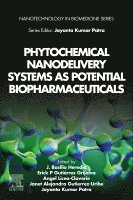
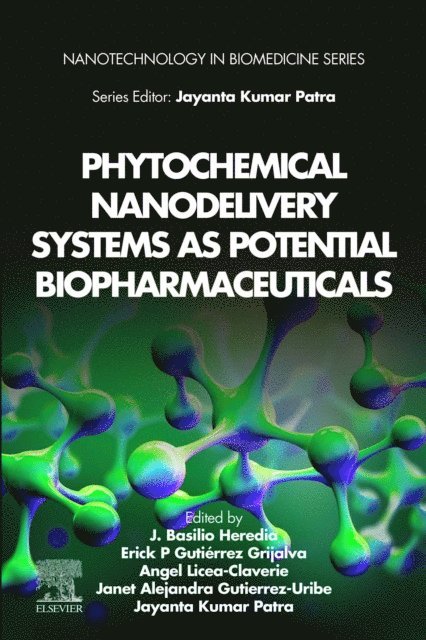
Phytochemical Nanodelivery Systems as Potential Biopharmaceuticals
Av J. Basilio Heredia, Erick P. Gutierrez-Grijalva m. fl.
Häftad, 2023
2124 kr
Lägg i varukorg
Phytochemical Nanodelivery Systems as Potential Biopharmaceuticals comprehensively reviews current information on nanotechnology applied to phytochemical nanoencapsulation to enhance their bioavailability and bioactivity. The book is divided into two sections, the first section critically reviews …
Phytochemical Nanodelivery Systems as Potential Biopharmaceuticals
Av Jayanta Kumar Patra, Janet Alejandra Gutierrez-Uribe m. fl.
E-bok, 2023
3025 kr
Lägg i varukorg
Phytochemical Nanodelivery Systems as Potential Biopharmaceuticals comprehensively reviews current information on nanotechnology applied to phytochemical nanoencapsulation to enhance their bioavailability and bioactivity.The book is divided into two sections, the first section critically reviews …
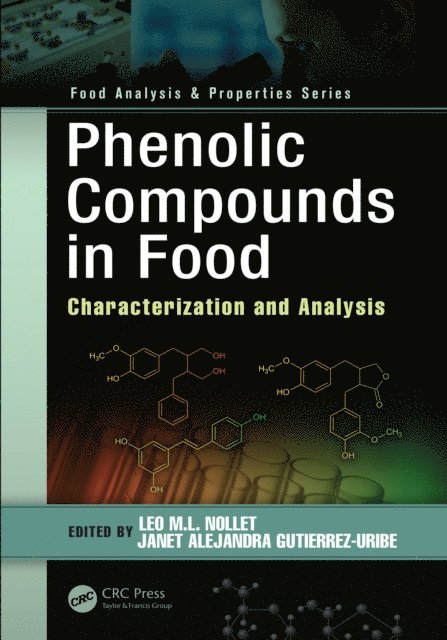
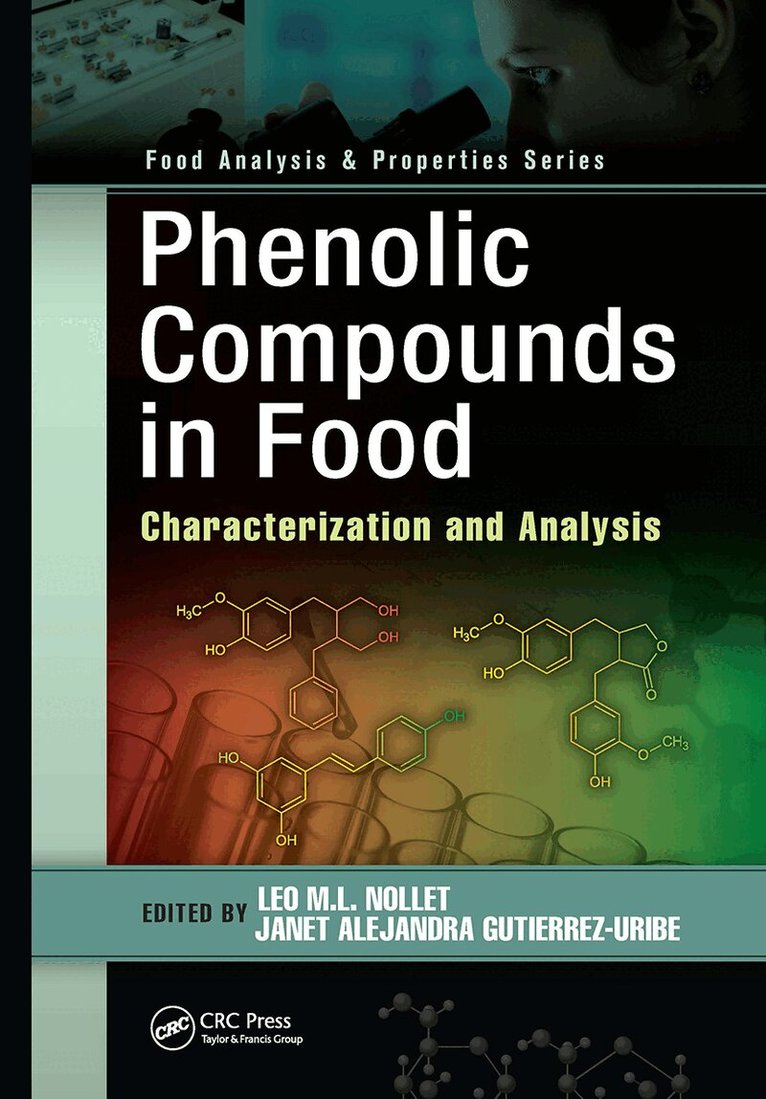
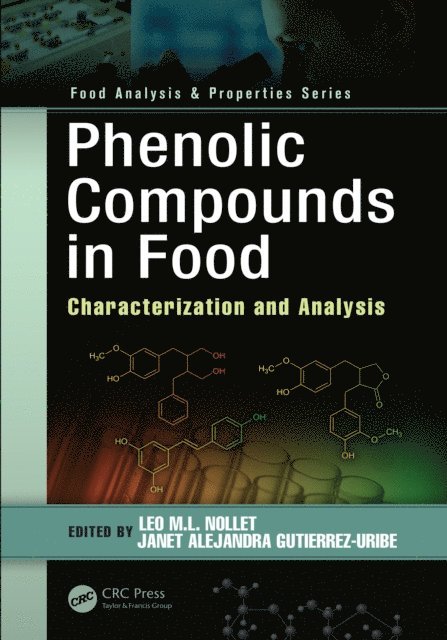
Phenolic Compounds in Food
Characterization and Analysis
Av Janet Alejandra Gutierrez-Uribe, Leo M.L. Nollet
E-bok, 2018
4527 kr
Lägg i varukorg
Phenolic compounds, one of the most widely distributed groups of secondary metabolites in plants, have received a lot of attention in the last few years since the consumption of vegetables and beverages with a high level of such compounds may reduce risks of the development of several diseases. …
Phenolic Compounds in Food
Characterization and Analysis
Av Leo M.L. Nollet, Janet Alejandra Gutierrez-Uribe
Inbunden, 2018
4228 kr
Lägg i varukorg
Phenolic compounds, one of the most widely distributed groups of secondary metabolites in plants, have received a lot of attention in the last few years since the consumption of vegetables and beverages with a high level of such compounds may reduce risks of the development of several diseases. …
Phenolic Compounds in Food
Characterization and Analysis
Av Janet Alejandra Gutierrez-Uribe, Leo M.L. Nollet
E-bok, 2018
4675 kr
Lägg i varukorg
Phenolic compounds, one of the most widely distributed groups of secondary metabolites in plants, have received a lot of attention in the last few years since the consumption of vegetables and beverages with a high level of such compounds may reduce risks of the development of several diseases. …