Jann Matlock – författare
Visar alla böcker från författaren Jann Matlock. Handla med fri frakt och snabb leverans.
6 produkter
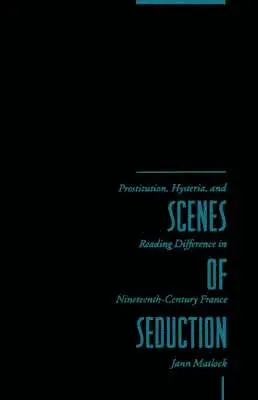
Scenes of Seduction
Prostitution, Hysteria, and Reading Difference in Nineteenth-Century France
Av Jann Matlock
Inbunden, 1994
1572 kr
Lägg i varukorg
This study demonstrates that three subjects traditionally discussed separately - prostitution, hysteria and the popular novel - share a discourse of marginality and of female marginality in particular, central to the 19th-century experience in France. Studying representations of female sexuality …
Scenes of Seduction
Prostitution, Hysteria, and Reading Difference in Nineteenth-Century France
Av Jann Matlock
Häftad, 1994
798 kr
Lägg i varukorg
This study demonstrates that three subjects traditionally discussed separately - prostitution, hysteria and the popular novel - share a discourse of marginality and of female marginality in particular, central to the 19th-century experience in France. Studying representations of female sexuality …
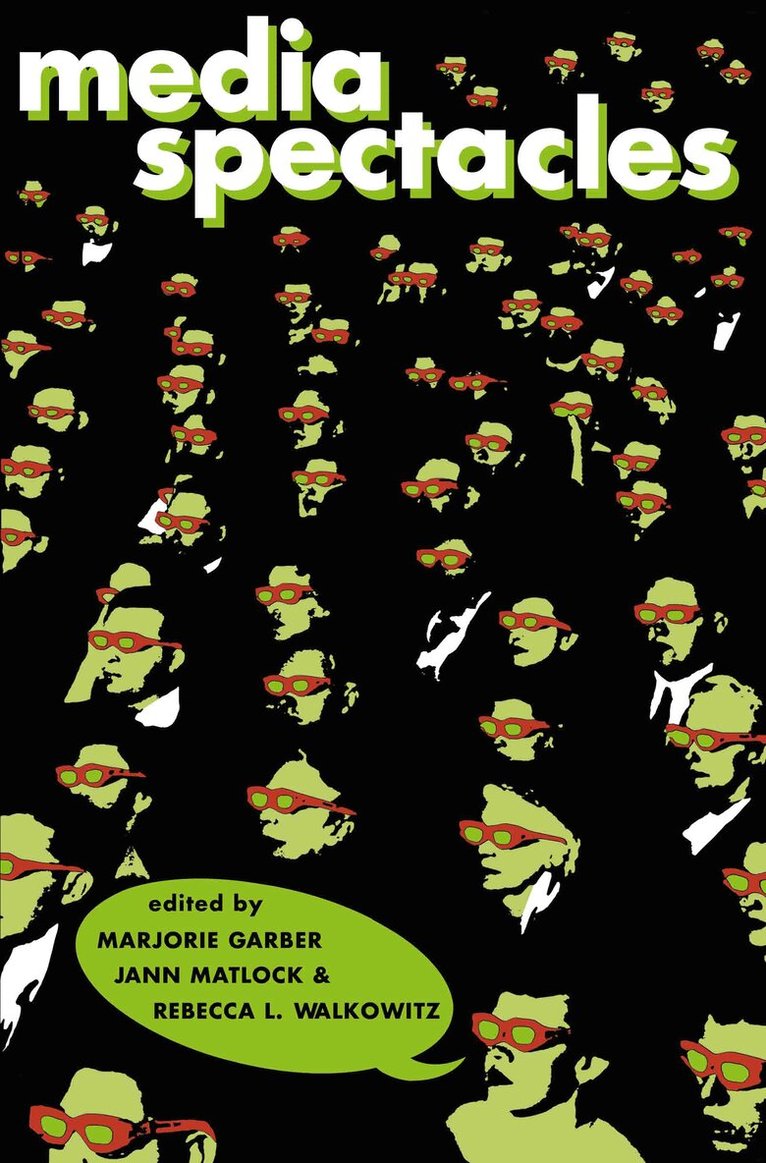
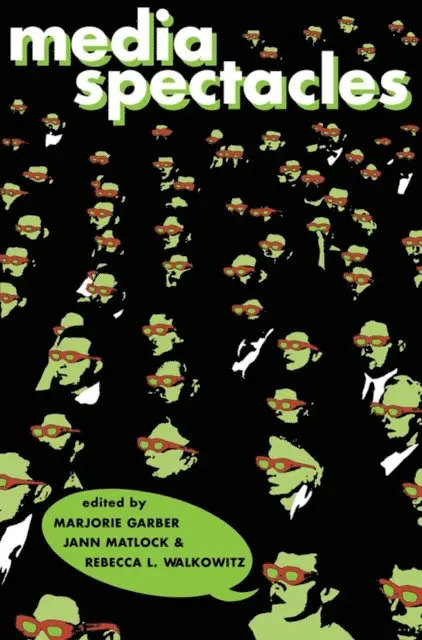
Media Spectacles
Av Marjorie Garber, Jann Matlock m. fl.
Häftad, 1993
486 kr
Lägg i varukorg
Coverage of such major news events as the Gulf War, the AIDS epidemic and the William Kennedy Smith rape trial is analysed by contributors who explore the languages of word and image that produce current events as spectacle.
Media Spectacles
Av Rebecca L. Walkowitz, Jann Matlock m. fl.
E-bok, 2018
559 kr
Lägg i varukorg
Coverage of such major news events as the Gulf War, the AIDS epidemic and the William Kennedy Smith rape trial is analysed by contributors who explore the languages of word and image that produce current events as spectacle.
Media Spectacles
Av Rebecca L. Walkowitz, Jann Matlock m. fl.
E-bok, 2018
559 kr
Lägg i varukorg
Coverage of such major news events as the Gulf War, the AIDS epidemic and the William Kennedy Smith rape trial is analysed by contributors who explore the languages of word and image that produce current events as spectacle.
Media Spectacles
Av Marjorie Garber, Jann Matlock m. fl.
Inbunden, 2017
3058 kr
Lägg i varukorg
First published in 1993. Coverage of such major news events as the Gulf War, the AIDS epidemic and the William Kennedy Smith rape trial is analyzed by contributors who explore the languages of word and image that produce current events "as" spectacle.