Jason Alvis – författare
Visar alla böcker från författaren Jason Alvis. Handla med fri frakt och snabb leverans.
5 produkter
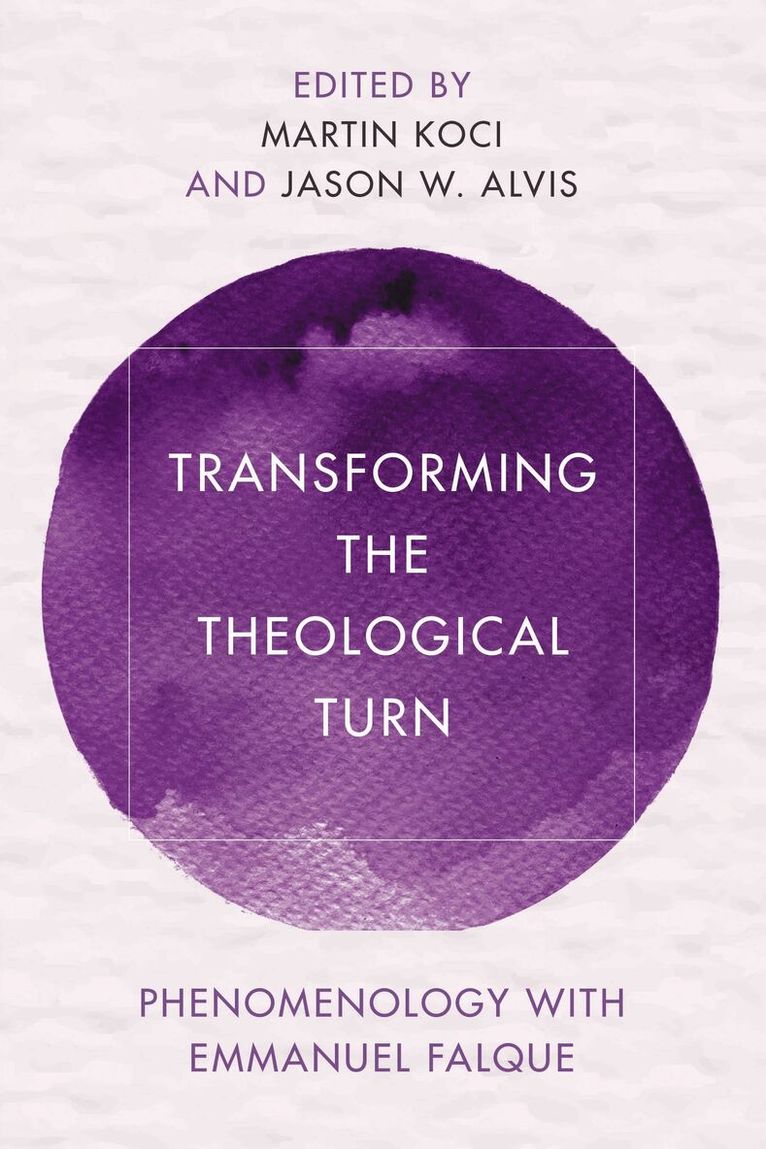
Transforming the Theological Turn
Phenomenology with Emmanuel Falque
Häftad, 2022
460 kr
Lägg i varukorg
Continental philosophers of religion have been engaging with theological issues, concepts and questions for several decades, blurring the borders between the domains of philosophy and theology. Yet when Emmanuel Falque proclaims that both theologians and philosophers need not be afraid of crossing …
Transforming the Theological Turn
Phenomenology with Emmanuel Falque
Inbunden, 2020
1707 kr
Lägg i varukorg
Continental philosophers of religion have been engaging with theological issues, concepts and questions for several decades, blurring the borders between the domains of philosophy and theology. Yet when Emmanuel Falque proclaims that both theologians and philosophers need not be afraid of crossing …
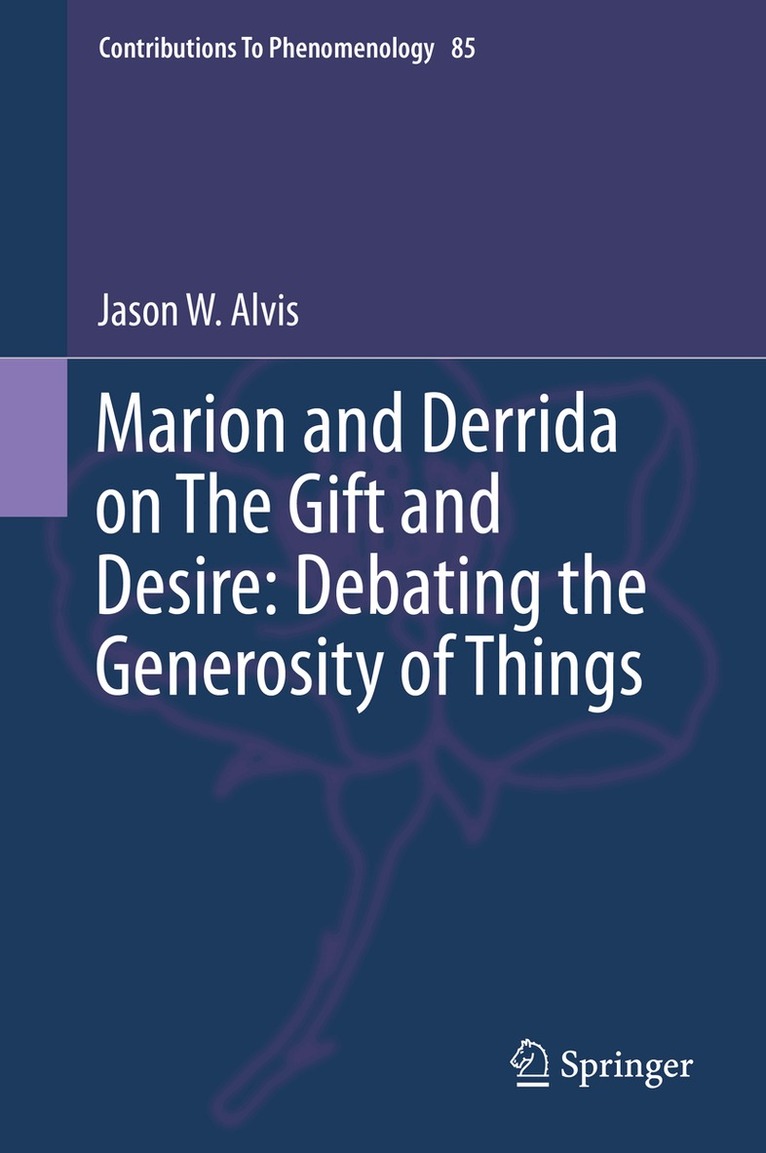
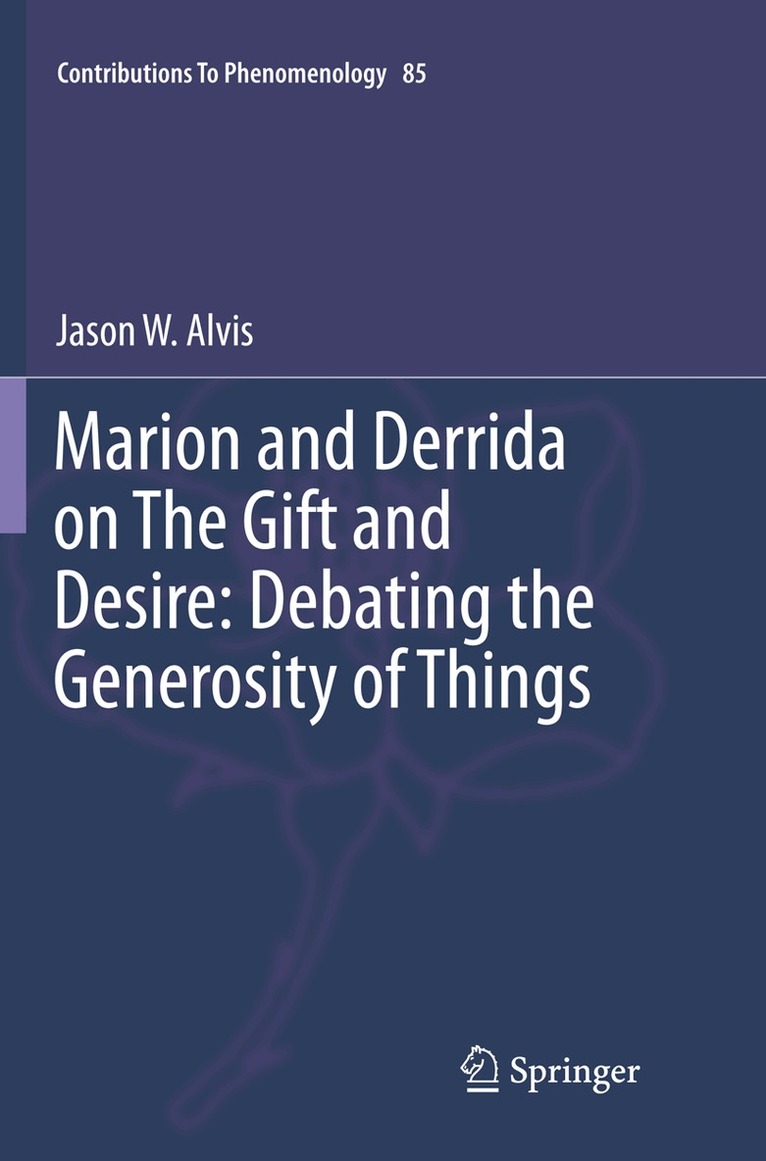
Marion and Derrida on The Gift and Desire: Debating the Generosity of Things
Av Jason Alvis
Inbunden, 2016
1098 kr
Lägg i varukorg
This book examines the various encounters between Jean-Luc Marion and Jacques Derrida on “the gift,” considers their many differences on “desire,” and demonstrates how these topics hold the keys to some of phenomenology’s most pressing structural questions, especially regarding “deconstructive” …
Marion and Derrida on The Gift and Desire: Debating the Generosity of Things
Av Jason Alvis
E-bok, 2016
1413 kr
Lägg i varukorg
This book examines the various encounters between Jean-Luc Marion and Jacques Derrida on “the gift,” considers their many differences on “desire,” and demonstrates how these topics hold the keys to some of phenomenology’s most pressing structural questions, especially regarding “deconstructive” …
Marion and Derrida on The Gift and Desire: Debating the Generosity of Things
Av Jason Alvis
Häftad, 2018
1098 kr
Lägg i varukorg
This book examines the various encounters between Jean-Luc Marion and Jacques Derrida on “the gift,” considers their many differences on “desire,” and demonstrates how these topics hold the keys to some of phenomenology’s most pressing structural questions, especially regarding “deconstructive” …