Martin Koci – författare
Visar alla böcker från författaren Martin Koci. Handla med fri frakt och snabb leverans.
14 produkter
14 produkter
Inbunden, Engelska, 2023
1 248 kr
Skickas inom 10-15 vardagar
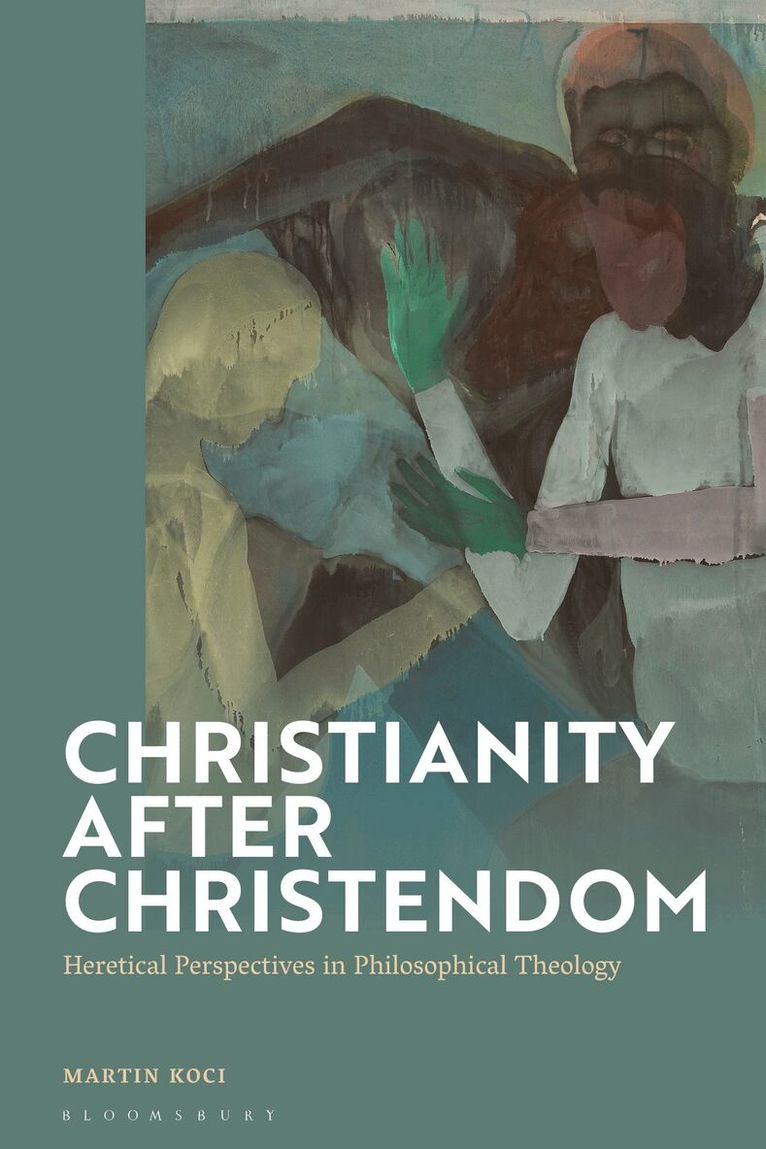
What comes after the end of Christendom? Christianity has ceased to function as the dominant force in society and yet the Christian faith continues. How are we to understand Christianity in this ‘after’? Bringing into conversation seven unorthodox or ‘heretical’ continental philosophers, including Jan Patocka, Jean-Luc Nancy, Gianni Vattimo and John D. Caputo, Martin Koci re-centres the debates around philosophy’s so-called return to religion to address the current ‘not-Christian, but not yet non-Christian’ culture. In the modern context of increasing secularization and pluralization, Christianity after Christendom boldly proposes that Christians must embrace the demise of Christianity as a meta-narrative and see their faith as an existential mode of being-in-the-world. Whilst not denying the religion’s history, this ‘after’ of Christianity emancipates the discourse from the socio-historical focus on Christendom and introduces new perspectives on Christianity as an embodied religious tradition, as a way of being, even as a faithfulness to the world. In dialogue with a broad range of philosophical movements, including deconstruction, phenomenology, hermeneutics and postmodern critiques of religion, this is a timely examination of the present and future of post-Christendom Christianity.
E-bok
PDF, Engelska, 2023424 kr
Läs direkt efter köp
What comes after the end of Christendom? Christianity has ceased to function as the dominant force in society and yet the Christian faith continues. How are we to understand Christianity in this ''after''? Bringing into conversation seven unorthodox or ''heretical'' continental philosophers, including Jan Patocka, Jean-Luc Nancy, Gianni Vattimo and John D. Caputo, Martin Koci re-centres the debates around philosophy''s so-called return to religion to address the current ''not-Christian, but not yet non-Christian'' culture. In the modern context of increasing secularization and pluralization, Christianity after Christendom boldly proposes that Christians must embrace the demise of Christianity as a meta-narrative and see their faith as an existential mode of being-in-the-world. Whilst not denying the religion''s history, this ''after'' of Christianity emancipates the discourse from the socio-historical focus on Christendom and introduces new perspectives on Christianity as an embodied religious tradition, as a way of being, even as a faithfulness to the world. In dialogue with a broad range of philosophical movements, including deconstruction, phenomenology, hermeneutics and postmodern critiques of religion, this is a timely examination of the present and future of post-Christendom Christianity.
424 kr
Läs direkt efter köp
What comes after the end of Christendom? Christianity has ceased to function as the dominant force in society and yet the Christian faith continues. How are we to understand Christianity in this ''after''? Bringing into conversation seven unorthodox or ''heretical'' continental philosophers, including Jan Patocka, Jean-Luc Nancy, Gianni Vattimo and John D. Caputo, Martin Koci re-centres the debates around philosophy''s so-called return to religion to address the current ''not-Christian, but not yet non-Christian'' culture. In the modern context of increasing secularization and pluralization, Christianity after Christendom boldly proposes that Christians must embrace the demise of Christianity as a meta-narrative and see their faith as an existential mode of being-in-the-world. Whilst not denying the religion''s history, this ''after'' of Christianity emancipates the discourse from the socio-historical focus on Christendom and introduces new perspectives on Christianity as an embodied religious tradition, as a way of being, even as a faithfulness to the world. In dialogue with a broad range of philosophical movements, including deconstruction, phenomenology, hermeneutics and postmodern critiques of religion, this is a timely examination of the present and future of post-Christendom Christianity.
Häftad, Engelska, 2025
407 kr
Skickas inom 10-15 vardagar
What comes after the end of Christendom? Christianity has ceased to function as the dominant force in society and yet the Christian faith continues. How are we to understand Christianity in this ‘after’? Bringing into conversation seven unorthodox or ‘heretical’ continental philosophers, including Jan Patocka, Jean-Luc Nancy, Gianni Vattimo and John D. Caputo, Martin Koci re-centres the debates around philosophy’s so-called return to religion to address the current ‘not-Christian, but not yet non-Christian’ culture. In the modern context of increasing secularization and pluralization, Christianity after Christendom boldly proposes that Christians must embrace the demise of Christianity as a meta-narrative and see their faith as an existential mode of being-in-the-world. Whilst not denying the religion’s history, this ‘after’ of Christianity emancipates the discourse from the socio-historical focus on Christendom and introduces new perspectives on Christianity as an embodied religious tradition, as a way of being, even as a faithfulness to the world. In dialogue with a broad range of philosophical movements, including deconstruction, phenomenology, hermeneutics and postmodern critiques of religion, this is a timely examination of the present and future of post-Christendom Christianity.
Häftad, Engelska, 2021
395 kr
Skickas
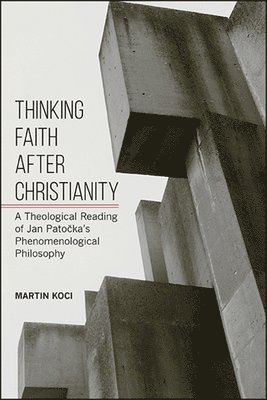
Examines theological motifs in the work of Jan Patočka, drawing out their implications for contemporary theology and philosophy of religion.Winner of the 2020 Emerging Scholar's Theological Book Prize presented by the European Society for Catholic Theology This book examines the work of Czech philosopher Jan Patočka from the largely neglected perspective of religion. Patočka is known primarily for his work in phenomenology and ancient Greek philosophy, and also as a civil rights activist and critic of modernity. In this book, Martin Koci shows Patočka also maintained a persistent and increasing interest in Christianity. Thinking Faith after Christianity examines the theological motifs in Patočka's work and brings his thought into discussion with recent developments in phenomenology, making a case for Patočka as a forerunner to what has become known as the theological turn in continental philosophy. Koci systematically examines his thoughts on the relationship between theology and philosophy, and his perennial struggle with the idea of crisis. For Patočka, modernity, metaphysics, and Christianity were all in different kinds of crises, and Koci demonstrates how his work responded to those crises creatively, providing new insights on theology understood as the task of thinking and living transcendence in a problematic world. It perceives the un-thought element of Christianity-what Patočka identified as its greatest resource and potential-not as a weakness, but as a credible way to ponder Christian faith and the Christian mode of existence after the proclaimed death of God and the end of metaphysics.
Inbunden, Engelska, 2020
1 485 kr
Skickas inom 3-6 vardagar
Examines theological motifs in the work of Jan Patočka, drawing out their implications for contemporary theology and philosophy of religion.Winner of the 2020 Emerging Scholar's Theological Book Prize presented by the European Society for Catholic Theology This book examines the work of Czech philosopher Jan Patočka from the largely neglected perspective of religion. Patočka is known primarily for his work in phenomenology and ancient Greek philosophy, and also as a civil rights activist and critic of modernity. In this book, Martin Koci shows Patočka also maintained a persistent and increasing interest in Christianity. Thinking Faith after Christianity examines the theological motifs in Patočka's work and brings his thought into discussion with recent developments in phenomenology, making a case for Patočka as a forerunner to what has become known as the theological turn in continental philosophy. Koci systematically examines his thoughts on the relationship between theology and philosophy, and his perennial struggle with the idea of crisis. For Patočka, modernity, metaphysics, and Christianity were all in different kinds of crises, and Koci demonstrates how his work responded to those crises creatively, providing new insights on theology understood as the task of thinking and living transcendence in a problematic world. It perceives the un-thought element of Christianity-what Patočka identified as its greatest resource and potential-not as a weakness, but as a credible way to ponder Christian faith and the Christian mode of existence after the proclaimed death of God and the end of metaphysics.
Häftad, Engelska, 2022
448 kr
Skickas inom 10-15 vardagar
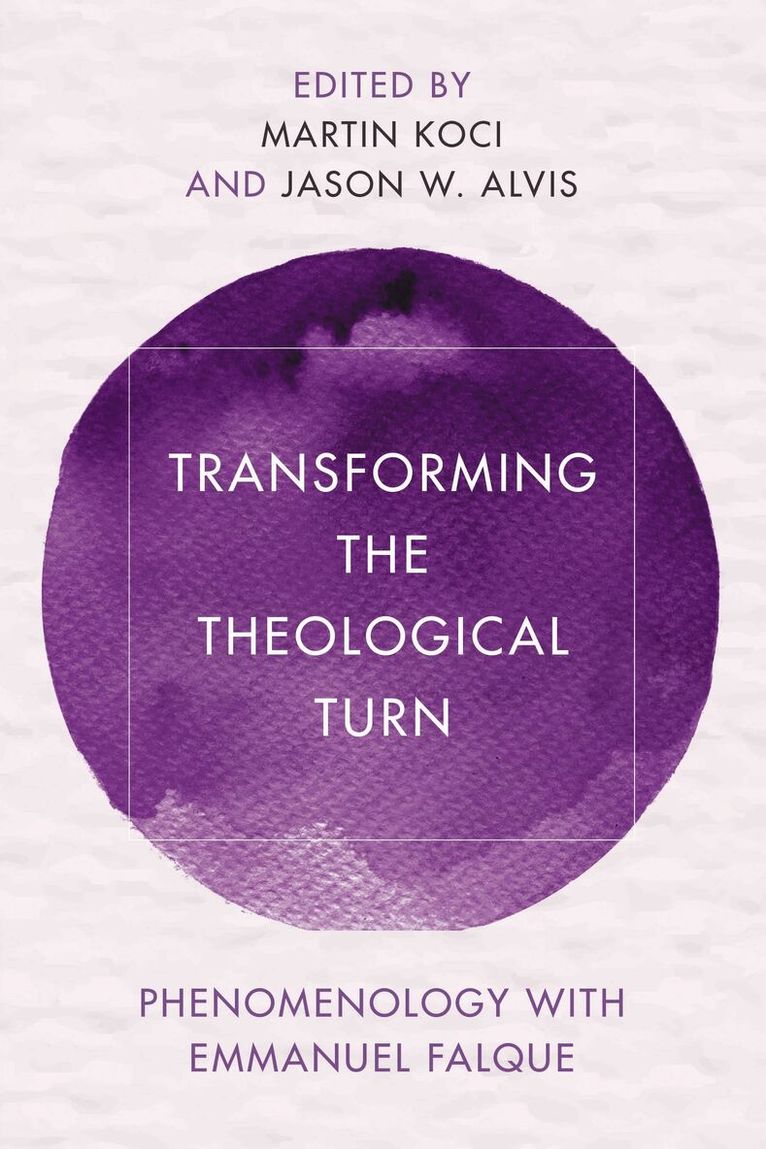
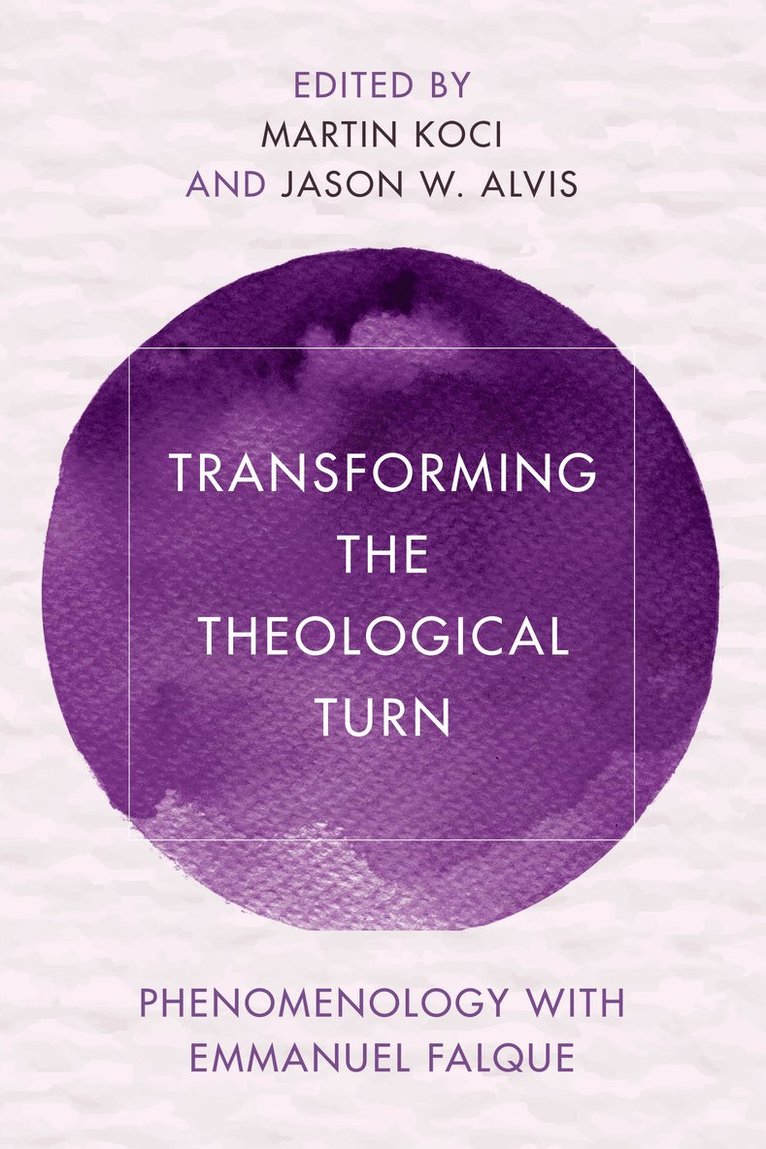
Continental philosophers of religion have been engaging with theological issues, concepts and questions for several decades, blurring the borders between the domains of philosophy and theology. Yet when Emmanuel Falque proclaims that both theologians and philosophers need not be afraid of crossing the Rubicon – the point of no return – between these often artificially separated disciplines, he scandalised both camps. Despite the scholarly reservations, the theological turn in French phenomenology has decisively happened. The challenge is now to interpret what this given fact of creative encounters between philosophy and theology means for these disciplines.In this collection, written by both theologians and philosophers, the question “Must we cross the Rubicon?” is central. However, rather than simply opposing or subscribing to Falque’s position, the individual chapters of this book interrogate and critically reflect on the relationship between theology and philosophy, offering novel perspectives and redrawing the outlines of their borderlands.
Häftad, Engelska, 2023
374 kr
Skickas inom 5-8 vardagar
Inbunden, Engelska, 2023
548 kr
Skickas inom 5-8 vardagar
E-bok
Engelska, 2023509 kr
Läs direkt efter köp
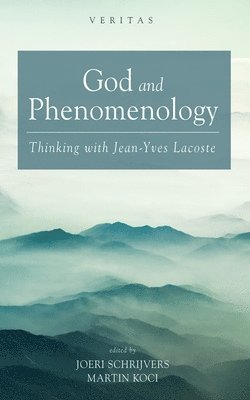
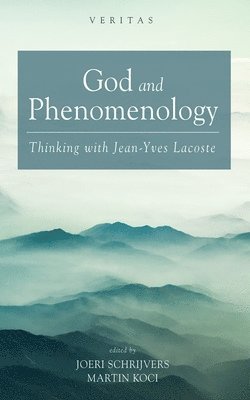
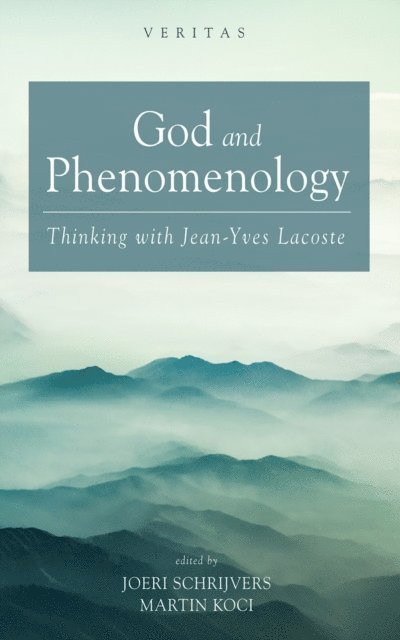
God and Phenomenology: Thinking with Jean-Yves Lacoste provides a starting point for scholars who seek to familiarize themselves with the work of this French phenomenologist and theologian. Thirteen international scholars comment on Lacoste''s work. In conclusion the volume offers an unpublished essay by Lacoste on the topic of eschatology. Table of Contents:Introduction: Thinking with Jean-Yves Lacoste by Joeri Schrijvers and Martin Koci Part I Critiques1. "''Children of the World'': A Note on Jean-Yves Lacoste," by Kevin Hart2. "Lacoste on Appearing and Reduction," by Steven DeLay3. "Reduction Without Appearance: The Non-Phenomenality of God," by Robert C. Reed4. "Only Metaphysics Sustains Phenomenology," by John MilbankPart II Commentaries5. "Canonical Texts," by Oliver O''Donovan6. "Reading Prayerfully Before God: Jean-Yves Lacoste''s Treatment of Lectio Divina as an Instance of Existence Coram Deo," by Christina M. Gschwandtner7. "Affection, Mood, and Poetry: Overcoming Mentalism,"by Joseph Rivera8. "Rejecting the Wrong Questions: Jean-Yves Lacoste''s Resistance to a Philosophical-Theological Divide," by Stephanie RumpzaPart III Explorations9. "For the Love of Revelation: Open and Relational Theology in Light of Lacoste," by Jason W. Alvis10. "Right Use, Right Thinking," by William C. Hackett11. "The Beautiful Life of Faith: A Liturgical Reading of Fear and Trembling," by Amber Bowen12. "In the Footsteps of Henri de Lubac and Gregory of Nyssa: Jean-Yves Lacoste on Human Becoming, Historical and Eternal," by Stephen E. Lewis13. "Kenosis and Transcendence: Jean-Yves Lacoste and Soren Kierkegaard on the Phenomenality of God," by Nikolaas Cassidy-DeketelaereIn Conclusion14. "The Final Word: Prolegomena to Eschatology," by Jean-Yves Lacoste
Inbunden, Engelska, 2022
1 248 kr
Skickas inom 10-15 vardagar
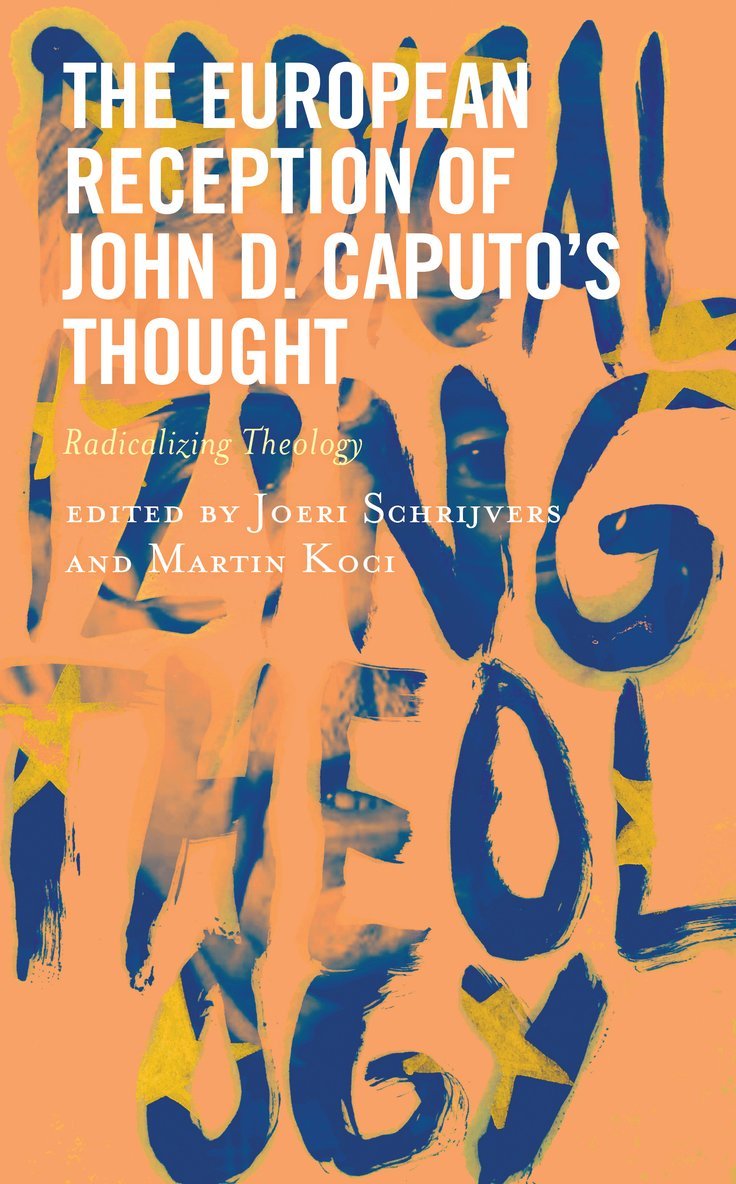
This book gathers the European reception of John. D. Caputo's proposal for a radical theology of our time. Philosophers and theologians from within Europe respond to Caputo's attempt to configure a less rigid, less dogmatic form of religion. These scholars, in turn, receive responses by Caputo. This volume so aims to strengthen the development of radical theology in Europe and abroad.
Inbunden, Engelska, 2020
1 661 kr
Skickas inom 10-15 vardagar
Continental philosophers of religion have been engaging with theological issues, concepts and questions for several decades, blurring the borders between the domains of philosophy and theology. Yet when Emmanuel Falque proclaims that both theologians and philosophers need not be afraid of crossing the Rubicon – the point of no return – between these often artificially separated disciplines, he scandalised both camps. Despite the scholarly reservations, the theological turn in French phenomenology has decisively happened. The challenge is now to interpret what this given fact of creative encounters between philosophy and theology means for these disciplines.In this collection, written by both theologians and philosophers, the question “Must we cross the Rubicon?” is central. However, rather than simply opposing or subscribing to Falque’s position, the individual chapters of this book interrogate and critically reflect on the relationship between theology and philosophy, offering novel perspectives and redrawing the outlines of their borderlands.
Häftad, Engelska, 2025
330 kr
Skickas inom 5-8 vardagar
Inbunden, Engelska, 2025
493 kr
Skickas inom 5-8 vardagar