Jay Garfield - Böcker
Visar alla böcker från författaren Jay Garfield. Handla med fri frakt och snabb leverans.
6 produkter
6 produkter
1 670 kr
Skickas inom 5-8 vardagar
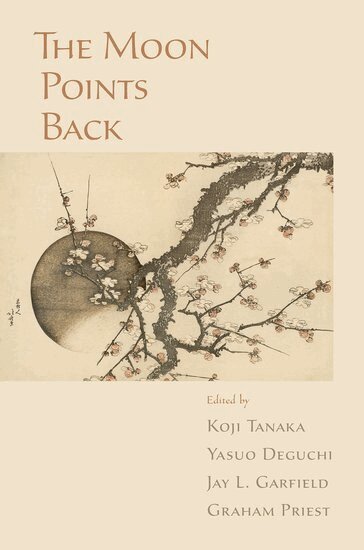
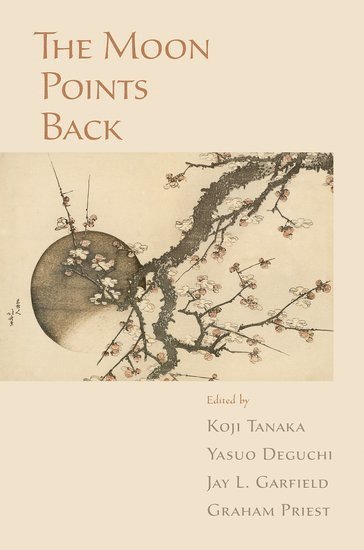
The Moon Points Back comprises essays by both established scholars in Buddhist and Western philosophy and young scholars contributing to cross-cultural philosophy. It continues the program of Pointing at the Moon (Oxford University Press, 2009), integrating the approaches and insights of contemporary logic and analytic philosophy and those of Buddhist Studies to engage with Buddhist ideas in a contemporary voice.This volume demonstrates convincingly that integration of Buddhist philosophy with contemporary analytic philosophy and logic allows for novel understandings of and insights into Buddhist philosophical thought. It also shows how Buddhist philosophers can contribute to debates in contemporary Western philosophy and how contemporary philosophers and logicians can engage with Buddhist material.The essays in the volume focus on the Buddhist notion of emptiness (sunyata), exploring its relationship to core philosophical issues concerning the self, the nature of reality, logic, and epistemology. The volume closes with reflections on methodological issues raised by bringing together traditional Buddhist philosophy and contemporary analytic philosophy. This volume will be of interest to anyone interested in Buddhist philosophy or contemporary analytic philosophy and logic. But it will also be of interest to those who wish to learn how to bring together the insights and techniques of different philosophical traditions.
495 kr
Skickas inom 5-8 vardagar
The Moon Points Back comprises essays by both established scholars in Buddhist and Western philosophy and young scholars contributing to cross-cultural philosophy. It continues the program of Pointing at the Moon (Oxford University Press, 2009), integrating the approaches and insights of contemporary logic and analytic philosophy and those of Buddhist Studies to engage with Buddhist ideas in a contemporary voice.This volume demonstrates convincingly that integration of Buddhist philosophy with contemporary analytic philosophy and logic allows for novel understandings of and insights into Buddhist philosophical thought. It also shows how Buddhist philosophers can contribute to debates in contemporary Western philosophy and how contemporary philosophers and logicians can engage with Buddhist material.The essays in the volume focus on the Buddhist notion of emptiness (sunyata), exploring its relationship to core philosophical issues concerning the self, the nature of reality, logic, and epistemology. The volume closes with reflections on methodological issues raised by bringing together traditional Buddhist philosophy and contemporary analytic philosophy. This volume will be of interest to anyone interested in Buddhist philosophy or contemporary analytic philosophy and logic. But it will also be of interest to those who wish to learn how to bring together the insights and techniques of different philosophical traditions.
1 670 kr
Skickas inom 5-8 vardagar
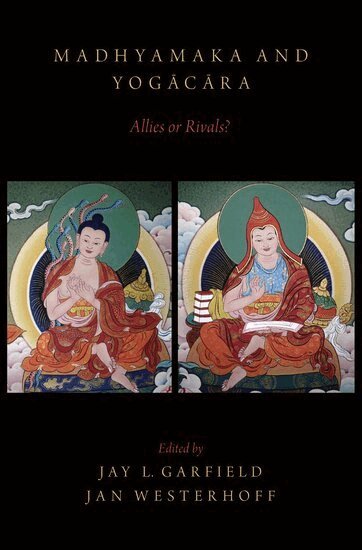
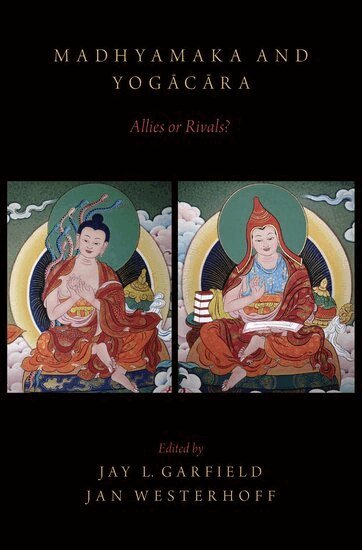
Madhyamaka and Yogacara are the two principal schools of Mahayana Buddhist philosophy. While Madhyamaka asserts the ultimate emptiness and conventional reality of all phenomena, Yogacara is idealistic. This collection of essays addresses the degree to which these philosophical approaches are consistent or complementary.Indian and Tibetan doxographies often take these two schools to be philosophical rivals. They are grounded in distinct bodies of sutra literature and adopt what appear to be very different positions regarding the analysis of emptiness and the status of mind. Madhyamaka-Yogacara polemics abound in Indian Buddhist literature, and Tibetan doxographies regard them as distinct systems. Nonetheless, scholars have tried to synthesize the two positions for centuries, as in the case of Indian Buddhist philosopher Santaraksita. This volume offers new essays by prominent experts on both these traditions, who address the question of the degree to which these philosophical approaches should be seen as rivals or as allies. In answering the question of whether Madhyamaka and Yogacara can be considered compatible, contributors engage with a broad range of canonical literature, and relate the texts to contemporary philosophical problems.
685 kr
Skickas inom 7-10 vardagar
Madhyamaka and Yogacara are the two principal schools of Mahayana Buddhist philosophy. While Madhyamaka asserts the ultimate emptiness and conventional reality of all phenomena, Yogacara is idealistic. This collection of essays addresses the degree to which these philosophical approaches are consistent or complementary.Indian and Tibetan doxographies often take these two schools to be philosophical rivals. They are grounded in distinct bodies of sutra literature and adopt what appear to be very different positions regarding the analysis of emptiness and the status of mind. Madhyamaka-Yogacara polemics abound in Indian Buddhist literature, and Tibetan doxographies regard them as distinct systems. Nonetheless, scholars have tried to synthesize the two positions for centuries, as in the case of Indian Buddhist philosopher Santaraksita. This volume offers new essays by prominent experts on both these traditions, who address the question of the degree to which these philosophical approaches should be seen as rivals or as allies. In answering the question of whether Madhyamaka and Yogacara can be considered compatible, contributors engage with a broad range of canonical literature, and relate the texts to contemporary philosophical problems.
1 757 kr
Skickas inom 5-8 vardagar
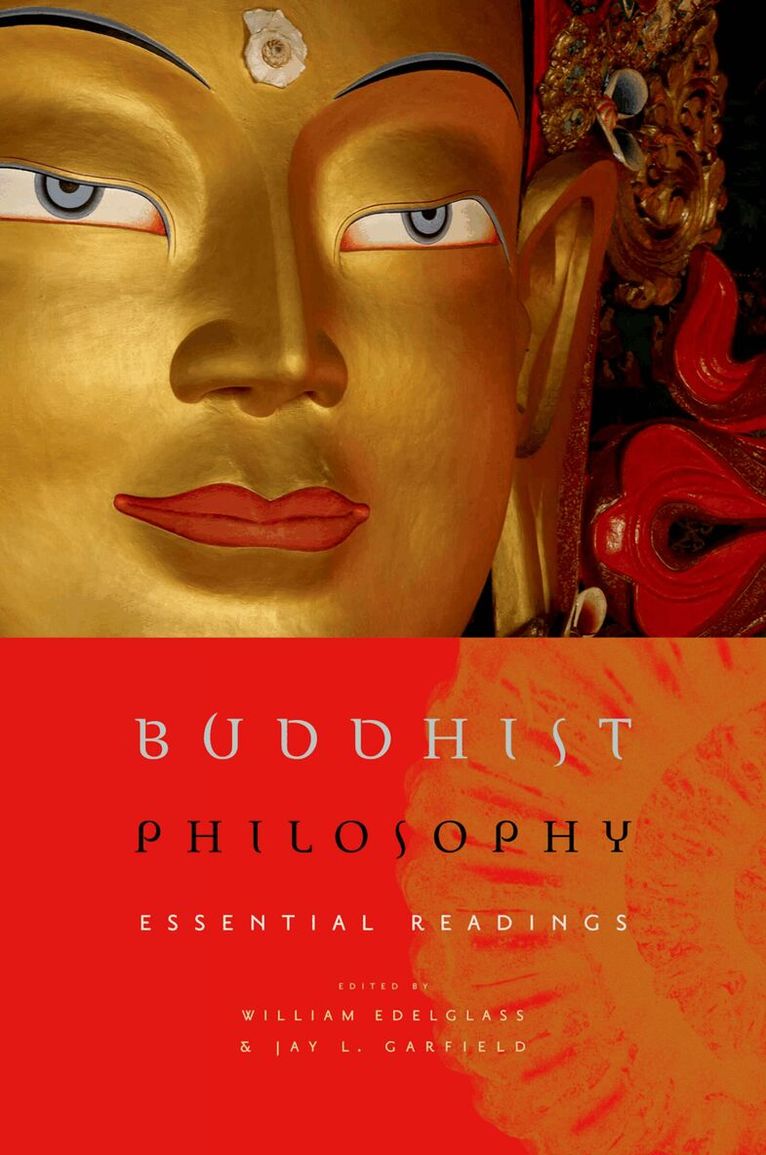
The Buddhist philosophical tradition is vast, internally diverse, and comprises texts written in a variety of canonical languages. It is hence often difficult for those with training in Western philosophy who wish to approach this tradition for the first time to know where to start, and difficult for those who wish to introduce and teach courses in Buddhist philosophy to find suitable textbooks that adequately represent the diversity of the tradition, expose students to important primary texts in reliable translations, that contextualize those texts, and that foreground specifically philosophical issues. Buddhist Philosophy fills that lacuna. It collects important philosophical texts from each major Buddhist tradition. Each text is translated and introduced by a recognized authority in Buddhist studies. Each introduction sets the text in context and introduces the philosophical issues it addresses and arguments it presents, providing a useful and authoritative guide to reading and to teaching the text. The volume is organized into topical sections that reflect the way that Western philosophers think about the structure of the discipline, and each section is introduced by an essay explaining Buddhist approaches to that subject matter, and the place of the texts collected in that section in the enterprise. This volume is an ideal single text for an intermediate or advanced course in Buddhist philosophy, and makes this tradition immediately accessible to the philosopher or student versed in Western philosophy coming to Buddhism for the first time. It is also ideal for the scholar or student of Buddhist studies who is interested specifically in the philosophical dimensions of the Buddhist tradition.
424 kr
Skickas inom 5-8 vardagar
The Buddhist philosophical tradition is vast, internally diverse, and comprises texts written in a variety of canonical languages. It is hence often difficult for those with training in Western philosophy who wish to approach this tradition for the first time to know where to start, and difficult for those who wish to introduce and teach courses in Buddhist philosophy to find suitable textbooks that adequately represent the diversity of the tradition, expose students to important primary texts in reliable translations, that contextualize those texts, and that foreground specifically philosophical issues. Buddhist Philosophy fills that lacuna. It collects important philosophical texts from each major Buddhist tradition. Each text is translated and introduced by a recognized authority in Buddhist studies. Each introduction sets the text in context and introduces the philosophical issues it addresses and arguments it presents, providing a useful and authoritative guide to reading and to teaching the text. The volume is organized into topical sections that reflect the way that Western philosophers think about the structure of the discipline, and each section is introduced by an essay explaining Buddhist approaches to that subject matter, and the place of the texts collected in that section in the enterprise. This volume is an ideal single text for an intermediate or advanced course in Buddhist philosophy, and makes this tradition immediately accessible to the philosopher or student versed in Western philosophy coming to Buddhism for the first time. It is also ideal for the scholar or student of Buddhist studies who is interested specifically in the philosophical dimensions of the Buddhist tradition.