Jayant A. Sathaye - Böcker
Visar alla böcker från författaren Jayant A. Sathaye. Handla med fri frakt och snabb leverans.
6 produkter
6 produkter
1 064 kr
Skickas inom 10-15 vardagar
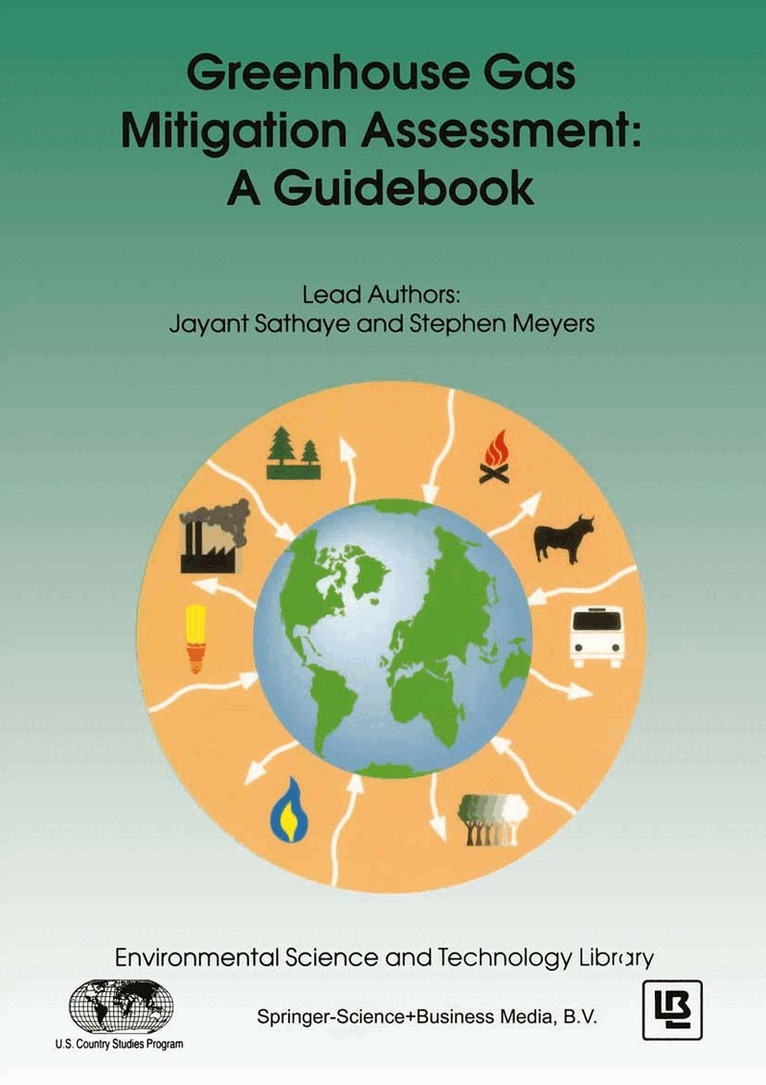
This guidebook assesses options that address the risks posed by climatic change induced by human activity. Drawing on the expertise of over 25 specialists, the book provides guidance for the analysis of options to mitigate greenhouse gas emissions in energy, forestry, agriculture and waste management. It describes the key steps involved in conducting an assessment in different sectors, and also discusses selected models that may be applied to support an analysis. The book is primarily intended for analysts conducting studies at a national level in developing countries and countries with economies in transition. It provides a compendium of information for analysts in other countries and is intended for scientists and policy makers involved in the field of global climate change who wish to better understand how a mitigation assessment may be conducted.
1 682 kr
Skickas inom 10-15 vardagar
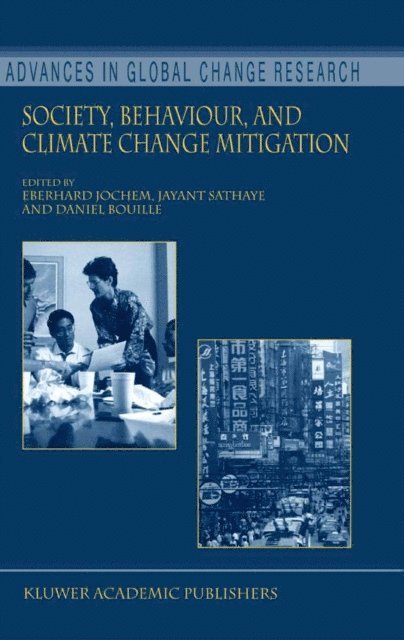
The Intergovernmental Panel on Climate Change (IPCC) noted increasing greenhouse gas concentrations and discernible human influence on global change. Limiting the changing global climate will require policies, programmes, and measures to deploy new mitigation technologies and entrepreneurial opportunities. The social, behavioural, and cultural changes, however, are poorly understood at present. Traditional conceptual frameworks for mitigation assessment do not sufficiently take into account social and psychological factors such as individual motivation and personality (e.g., convenience, fun culture, social prestige), communication, and decision patterns within administrations and companies, or cultural traditions and life styles of societal groups. Therefore, this book focuses on these aspects and related conceptual frameworks for mitigation assessment. Its aim is to encourage and develop more effective mitigation policies worldwide, to assist marketing aspects of energy service companies, technology producers, and utilities in gaining better understanding of their customers' decisions, and to provide material for relevant courses at universities and other research institutions.
1 064 kr
Skickas inom 10-15 vardagar
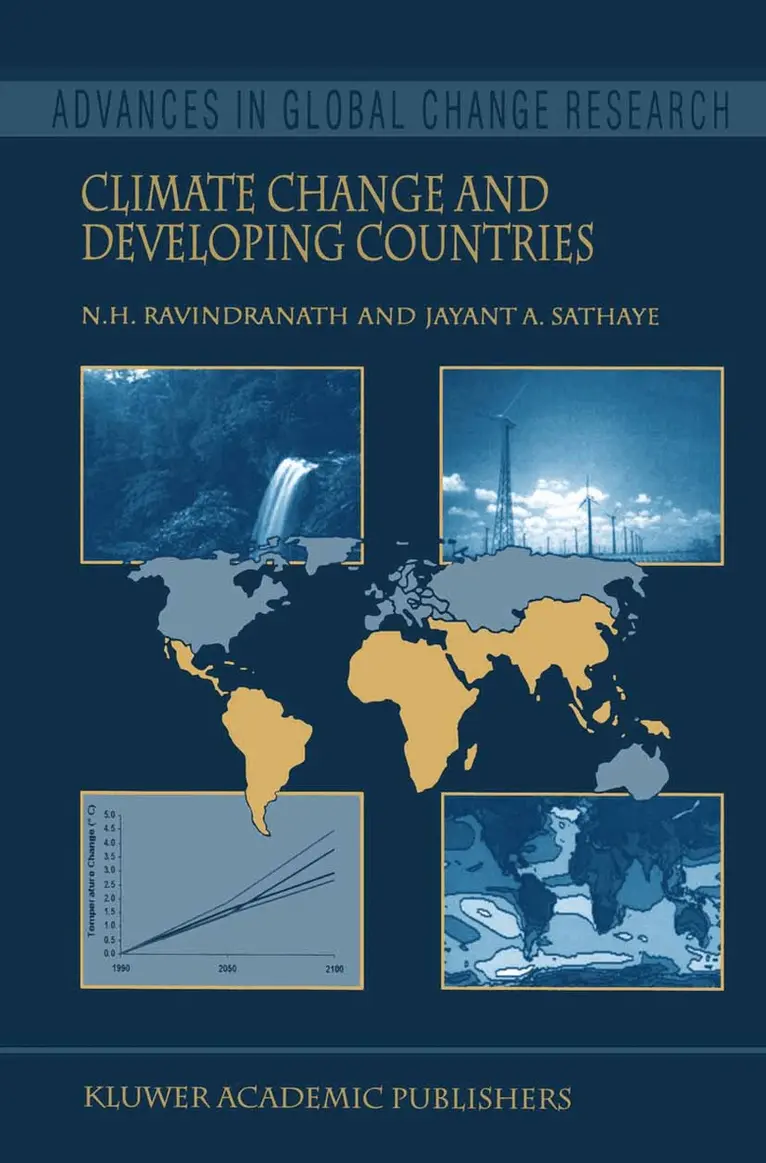
Developing countries recognize the importance of their future role in responding to the uncertainty posed by global climate change through appropriate technical, institutional, and policy measures. A comprehensive assessment and understanding of issues relevant to developing countries, such as greenhouse gas emissions inventories, contribution of developing countries to greenhouse gas emissions, projected climate change, impacts of climate change on the ecosystems and developing economies, mitigation opportunities, and potential socio-economic implications for developing countries, is necessary in order to address the emerging climate change. This title presents alternative perspectives of developing countries on opportunities to benefit from global negotiations, institutions, and mechanisms to address climate change. Analyses show that the developing countries, with appropriate policy and institutional responses, could benefit from the global programmes for mitigating the climate change.
1 064 kr
Skickas inom 10-15 vardagar
Developing countries recognize the importance of their future role in responding to the uncertainty posed by global climate change through appropriate technical, institutional, and policy measures. A comprehensive assessment and understanding of issues relevant to developing countries, such as greenhouse gas emissions inventories, contribution of developing countries to greenhouse gas emissions, projected climate change, impacts of climate change on the ecosystems and developing economies, mitigation opportunities, and potential socio-economic implications for developing countries, is necessary in order to address the emerging climate change. This title presents alternative perspectives of developing countries on opportunities to benefit from global negotiations, institutions, and mechanisms to address climate change. Analyses show that the developing countries, with appropriate policy and institutional responses, could benefit from the global programmes for mitigating the climate change.
1 064 kr
Skickas inom 10-15 vardagar
This is a comprehensive, detailed guidebook for assessing options that address the risks posed by climatic change induced by human activity. Drawing on the expertise of over 25 specialists, the book provides guidance for the analysis of options to mitigate greenhouse gas emissions in energy, forestry, agriculture, and waste management. It describes the key steps involved in conducting an assessment in different sectors, and also discusses selected models that may be applied to support an analysis. Audience: The book is primarily intended for analysts conducting studies at a national level in developing countries and countries with economies in transition. A useful compendium of information for analysts in other countries and also of interest to scientists and policy makers involved in the field of global climate change who wish to better understand how a mitigation assessment may be conducted.
1 733 kr
Skickas inom 10-15 vardagar
The Intergovernmental Panel on Climate Change (IPCC) noted increasing greenhouse gas concentrations and discernible human influence on global change. Limiting the changing global climate will require policies, programmes, and measures to deploy new mitigation technologies and entrepreneurial opportunities. The social, behavioural, and cultural changes, however, are poorly understood at present. Traditional conceptual frameworks for mitigation assessment do not sufficiently take into account social and psychological factors such as individual motivation and personality (e.g., convenience, fun culture, social prestige), communication, and decision patterns within administrations and companies, or cultural traditions and life styles of societal groups. Therefore, this book focuses on these aspects and related conceptual frameworks for mitigation assessment.Its aim is to encourage and develop more effective mitigation policies worldwide, to assist marketing aspects of energy service companies, technology producers, and utilities in gaining better understanding of their customers' decisions, and to provide material for relevant courses at universities and other research institutions.