Jean-Luc Wertz – författare
Visar alla böcker från författaren Jean-Luc Wertz. Handla med fri frakt och snabb leverans.
29 produkter
Starch in the Bioeconomy
Av Jean-Luc Wertz, Bénédicte Goffin
Inbunden, 2020
2126 kr
Lägg i varukorg
Starch is the most widespread and abundant reserve carbohydrate in plants and is unique in that it can be used for the production of food, materials in bio-based products, and energy. Starch in the Bioeconomy covers the structure, biosynthesis, biodegradation, properties, and applications of starch …
Starch in the Bioeconomy
Av Jean-Luc Wertz, Bénédicte Goffin
Häftad, 2024
747 kr
Lägg i varukorg
Starch is the most widespread and abundant reserve carbohydrate in plants and is unique in that it can be used for the production of food, materials in bio-based products, and energy. Starch in the Bioeconomy covers the structure, biosynthesis, biodegradation, properties, and applications of starch …
Hemicelluloses and Lignin in Biorefineries
Av Jean-Luc Wertz, Magali Deleu m. fl.
Häftad, 2019
1067 kr
Lägg i varukorg
Hemicelluloses and Lignin in Biorefineries provides an understanding of lignocellulosic biomass, which is mainly composed of cellulose, hemicelluloses, and lignin. It promotes the valorization of these molecules in the context of the bioeconomy and presents hemicelluloses and lignin, which are …
Starch in the Bioeconomy
Av Benedicte Goffin, Jean-Luc Wertz
E-bok, 2020
883 kr
Lägg i varukorg
Starch is the most widespread and abundant reserve carbohydrate in plants and is unique in that it can be used for the production of food, materials in bio-based products, and energy. Starch in the Bioeconomy covers the structure, biosynthesis, biodegradation, properties, and applications of starch …
Starch in the Bioeconomy
Av Benedicte Goffin, Jean-Luc Wertz
E-bok, 2020
855 kr
Lägg i varukorg
Starch is the most widespread and abundant reserve carbohydrate in plants and is unique in that it can be used for the production of food, materials in bio-based products, and energy. Starch in the Bioeconomy covers the structure, biosynthesis, biodegradation, properties, and applications of starch …
Chitin and Chitosans in the Bioeconomy
Av Jean-Luc Wertz, Serge Perez
E-bok, 2021
864 kr
Lägg i varukorg
Chitin is the second most abundant natural polymer in the world after cellulose, mainly derived from the food waste of shrimp and crabs. Chitosan is the most important derivative of chitin. Thanks to their biodegradability, non-toxicity, biocompatibility, bioactivity, and versatile chemical and …
Chitin and Chitosans in the Bioeconomy
Av Jean-Luc Wertz, Serge Perez
E-bok, 2021
864 kr
Lägg i varukorg
Chitin is the second most abundant natural polymer in the world after cellulose, mainly derived from the food waste of shrimp and crabs. Chitosan is the most important derivative of chitin. Thanks to their biodegradability, non-toxicity, biocompatibility, bioactivity, and versatile chemical and …
Biomass in the Bioeconomy
Focus on the EU and US
Av Serge Perez, Philippe Mengal m. fl.
E-bok, 2022
883 kr
Lägg i varukorg
Biomass is the physical basis of the bioeconomy, the renewable segment of the circular economy, and as a CO2-neutral part of the carbon cycle, biomass is an efficient carbon sink. Demand for biomass is increasing worldwide because of its advantages in replacing fossil-based materials and fuels, …
Biomass in the Bioeconomy
Focus on the EU and US
Av Serge Perez, Philippe Mengal m. fl.
E-bok, 2022
864 kr
Lägg i varukorg
Biomass is the physical basis of the bioeconomy, the renewable segment of the circular economy, and as a CO2-neutral part of the carbon cycle, biomass is an efficient carbon sink. Demand for biomass is increasing worldwide because of its advantages in replacing fossil-based materials and fuels, …
Algae in the Bioeconomy
Av Serge Perez, Jean-Luc Wertz
E-bok, 2024
949 kr
Lägg i varukorg
Algae play an important ecological role as oxygen producers and carbon sequesters and are the food base for all aquatic life. Algae are economically important as a source of crude oil, food and feed, and pharmaceutical and industrial products. High-value and sustainable products from algae are …
Algae in the Bioeconomy
Av Serge Perez, Jean-Luc Wertz
E-bok, 2024
970 kr
Lägg i varukorg
Algae play an important ecological role as oxygen producers and carbon sequesters and are the food base for all aquatic life. Algae are economically important as a source of crude oil, food and feed, and pharmaceutical and industrial products. High-value and sustainable products from algae are …
Chitin and Chitosans in the Bioeconomy
Av Serge Perez, Jean-Luc Wertz
Inbunden, 2022
2133 kr
Lägg i varukorg
Chitin is the second most abundant natural polymer in the world after cellulose, mainly derived from the food waste of shrimp and crabs. Chitosan is the most important derivative of chitin. Thanks to their biodegradability, non-toxicity, biocompatibility, bioactivity, and versatile chemical and …
Chitin and Chitosans in the Bioeconomy
Av Serge Perez, Jean-Luc Wertz
Häftad, 2024
750 kr
Lägg i varukorg
Chitin is the second most abundant natural polymer in the world after cellulose, mainly derived from the food waste of shrimp and crabs. Chitosan is the most important derivative of chitin. Thanks to their biodegradability, non-toxicity, biocompatibility, bioactivity, and versatile chemical and …
Biomass in the Bioeconomy
Focus on the EU and US
Av Jean-Luc Wertz, Philippe Mengal m. fl.
Inbunden, 2022
2126 kr
Lägg i varukorg
Biomass is the physical basis of the bioeconomy, the renewable segment of the circular economy, and as a CO2-neutral part of the carbon cycle, biomass is an efficient carbon sink. Demand for biomass is increasing worldwide because of its advantages in replacing fossil-based materials and fuels, …
Biomass in the Bioeconomy
Focus on the EU and US
Av Jean-Luc Wertz, Philippe Mengal m. fl.
Häftad, 2024
747 kr
Lägg i varukorg
Biomass is the physical basis of the bioeconomy, the renewable segment of the circular economy, and as a CO2-neutral part of the carbon cycle, biomass is an efficient carbon sink. Demand for biomass is increasing worldwide because of its advantages in replacing fossil-based materials and fuels, …
Algae in the Bioeconomy
Av Jean-Luc Wertz, Serge Perez
Inbunden, 2024
2126 kr
Lägg i varukorg
Algae play an important ecological role as oxygen producers and carbon sequesters and are the food base for all aquatic life. Algae are economically important as a source of crude oil, food and feed, and pharmaceutical and industrial products. High-value and sustainable products from algae are …
Algae in the Bioeconomy
Av Jean-Luc Wertz, Serge Perez
Häftad, 2025
820 kr
Lägg i varukorg
Algae play an important ecological role as oxygen producers and carbon sequesters and are the food base for all aquatic life. Algae are economically important as a source of crude oil, food and feed, and pharmaceutical and industrial products. High-value and sustainable products from algae are …
Plastics in the Oceans
Toward Sustainable Solutions
Av Jean-Luc Wertz, Olivier Bédué m. fl.
Inbunden, 2024
994 kr
Lägg i varukorg
Increasing plastic pollution, particularly in oceans, calls for a fundamental shift towards future-proof plastics throughout the circular economy. In a landmark move in 2022, the United Nations adopted a historic resolution to craft an international legally binding instrument to tackle plastic …
Plastics in the Oceans
Toward Sustainable Solutions
Av Jean-Luc Wertz, Olivier Bédué m. fl.
Häftad, 2024
384 kr
Lägg i varukorg
Increasing plastic pollution, particularly in oceans, calls for a fundamental shift towards future-proof plastics throughout the circular economy. In a landmark move in 2022, the United Nations adopted a historic resolution to craft an international legally binding instrument to tackle plastic …
Plastics in the Oceans
Toward Sustainable Solutions
Av Serge Perez, Olivier Bedue m. fl.
E-bok, 2024
441 kr
Lägg i varukorg
Increasing plastic pollution, particularly in oceans, calls for a fundamental shift towards future-proof plastics throughout the circular economy. In a landmark move in 2022, the United Nations adopted a historic resolution to craft an international legally binding instrument to tackle plastic …
Plastics in the Oceans
Toward Sustainable Solutions
Av Serge Perez, Olivier Bedue m. fl.
E-bok, 2024
436 kr
Lägg i varukorg
Increasing plastic pollution, particularly in oceans, calls for a fundamental shift towards future-proof plastics throughout the circular economy. In a landmark move in 2022, the United Nations adopted a historic resolution to craft an international legally binding instrument to tackle plastic …
Hemicelluloses and Lignin in Biorefineries
Av Jean-Luc Wertz, Magali Deleu m. fl.
Inbunden, 2017
3055 kr
Lägg i varukorg
Hemicelluloses and Lignin in Biorefineries provides an understanding of lignocellulosic biomass, which is mainly composed of cellulose, hemicelluloses, and lignin. It promotes the valorization of these molecules in the context of the bioeconomy and presents hemicelluloses and lignin, which are …
Hemicelluloses and Lignin in Biorefineries
Av Aurore Richel, Severine Coppee m. fl.
E-bok, 2017
1237 kr
Lägg i varukorg
Hemicelluloses and Lignin in Biorefineries provides an understanding of lignocellulosic biomass, which is mainly composed of cellulose, hemicelluloses, and lignin. It promotes the valorization of these molecules in the context of the bioeconomy and presents hemicelluloses and lignin, which are …
Hemicelluloses and Lignin in Biorefineries
Av Aurore Richel, Severine Coppee m. fl.
E-bok, 2017
1264 kr
Lägg i varukorg
Hemicelluloses and Lignin in Biorefineries provides an understanding of lignocellulosic biomass, which is mainly composed of cellulose, hemicelluloses, and lignin. It promotes the valorization of these molecules in the context of the bioeconomy and presents hemicelluloses and lignin, which are …
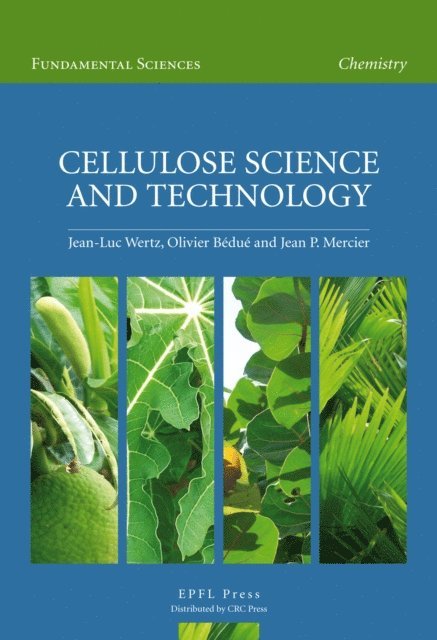
Cellulose Science and Technology
Av Olivier BA(c)duA(c), Jean P. Mercier m. fl.
E-bok, 2010
714 kr
Lägg i varukorg
Cellulose is a major constituent of papers made from plant fibers and combustible component of non-food energy crops. An ideal reference for scientists in natural and synthetic polymer research, this book applies basic biology as well as polymer and sugar chemistry to the study of cellulose. It …
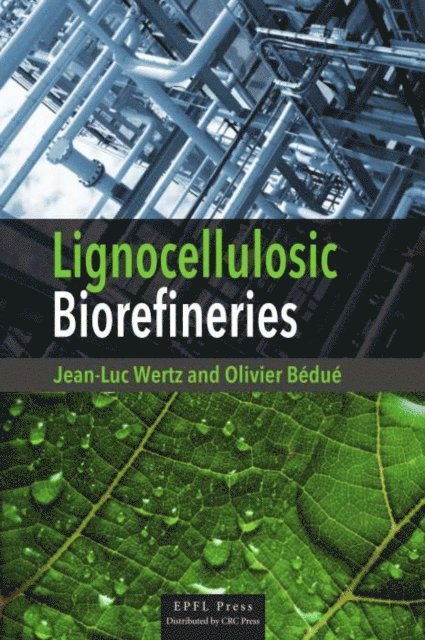
Lignocellulosic Biorefineries
Av Olivier BA(c)duA(c), Jean-Luc Wertz
E-bok, 2013
635 kr
Lägg i varukorg
Written with a diverse audience in mind, this book describes the current status, development, and future prospects for the critical technology of second-generation biorefineries, specifically with a focus on lignocellulosic materials as feedstock. It provides an overview of the issues behind this …