Jean Porter – författare
Visar alla böcker från författaren Jean Porter. Handla med fri frakt och snabb leverans.
10 produkter
Moral Action and Christian Ethics
Av Jean Porter, Robin Gill m. fl.
Häftad, 1999
732 kr
Lägg i varukorg
How do we determine whether an action is right or wrong? Until recently, philosophers assumed that this question could be answered by means of a theory of morality, which set forth clearly established rules for moral behaviour. More recently, however, a number of philosophers have challenged a …
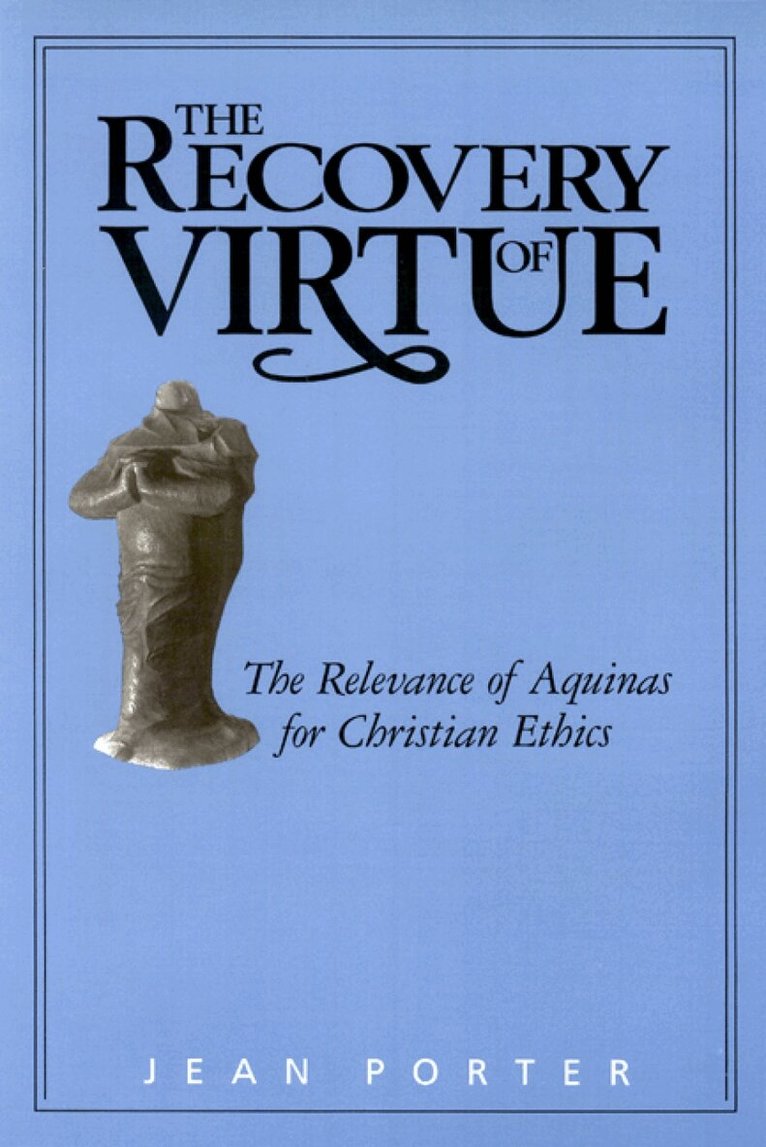
Recovery of Virtue
The Relevance of Aquinas for Christian Ethics
Av Jean Porter
Häftad, 1990
427 kr
Lägg i varukorg
By developing a philosophical reconstruction of the moral philosophy that underlies the Secunda Pars of the Summa Theologiae of Thomas Aquinas, Jean Porter illuminates Aquinas' theory of morality and shows its relevance to contemporary Christian ethics.
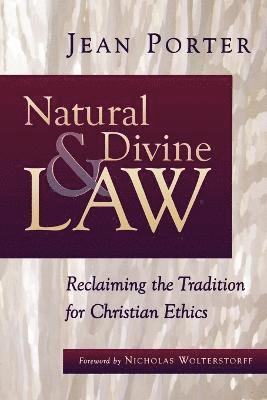
Natural and Divine Law
Reclaiming the Tradition for Christian Ethics
Av Jean Porter
Häftad, 1999
250 kr
Lägg i varukorg
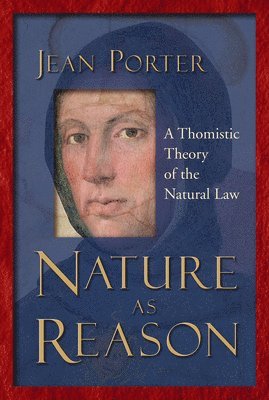
Nature as Reason
A Thomistic Theory of the Natural Law
Av Jean Porter
Häftad, 2004
426 kr
Lägg i varukorg
This noteworthy book develops a new theory of the natural law that takes its orientation from the account of the natural law developed by Thomas Aquinas, as interpreted and supplemented in the context of scholastic theology in the twelfth and thirteenth centuries. Though this history might seem …
Ministers of the Law
A Natural Law Theory of Legal Authority
Av Jean Porter
Häftad, 2010
385 kr
Lägg i varukorg
In Ministers of the Law Jean Porter articulates a theory of legal authority derived from the natural law tradition. As she points out, the legal authority of most traditions rests on their own internal structures, independent of extralegal considerations -- legal houses built on sand, as it were. …
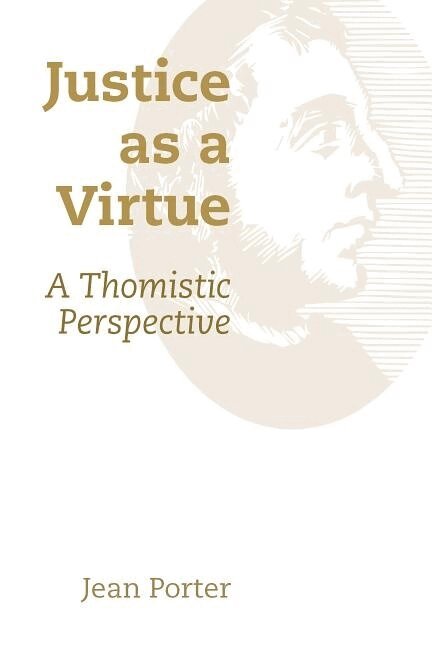
Justice as a Virtue
A Thomistic Perspective
Av Jean Porter
Häftad, 2016
472 kr
Lägg i varukorg
“Aquinas,” says Jean Porter, “gets justice right.” In this book she shows that Aquinas offers us a cogent and illuminating account of justice as a personal virtue rather than a virtue of social institutions, as John Rawls and his interlocutors have described it — and as most people think of it …