Jefferson L. Ingram – författare
Visar alla böcker från författaren Jefferson L. Ingram. Handla med fri frakt och snabb leverans.
7 produkter
7 produkter
847 kr
Kommande
967 kr
Skickas inom 10-15 vardagar
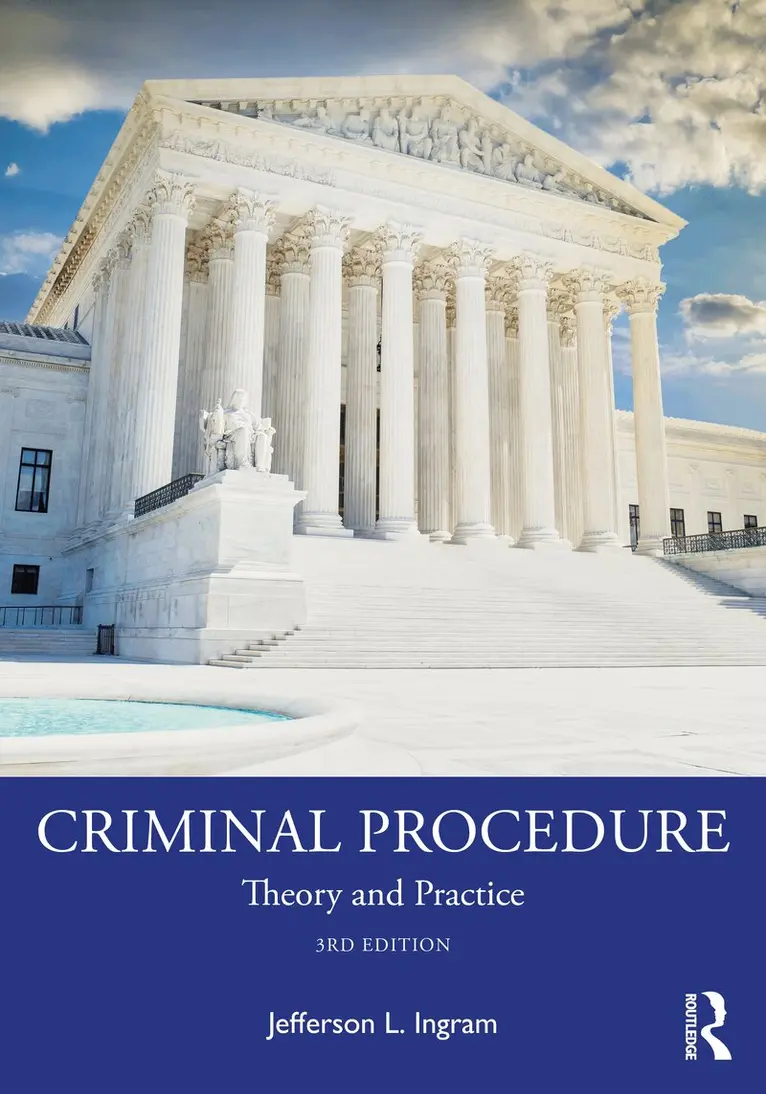
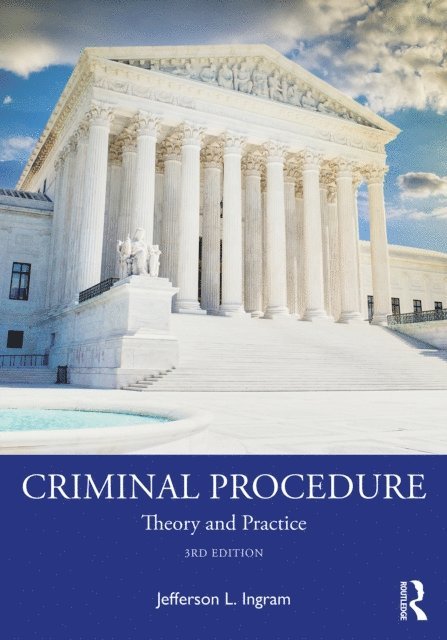
Criminal Procedure: Theory and Practice, 3rd Edition, presents a broad overview of criminal procedure as well as a detailed analysis of specific areas of the law that require specialized consideration. The third edition provides students with an updated, comprehensive text written in reader-friendly language to introduce them to the field of criminal procedure.Significant edited legal cases are integrated into each chapter, and comments, notes, and questions accompany each case. This edition features a new chapter covering searches of Internet-connected devices and electronic devices that may store personally connected data. The chapter “The Internet of Things” introduces search and seizure concepts related to electronics. In addition, a section at the conclusion of each chapter, “How Would You Decide,” allows readers to examine the facts of a real case that contain some of the important concepts form each chapter. The reader can compare the individual's personal resolution of the case with the way the actual court determined the issue. Using a balanced text/case format, the author provides an overview of general criminal procedure as well as guidance for law enforcement actions that honor constitutional protections and comport with the rule of law. Instructor support material prepared by the author is available on our website, including lecture slides and instructor’s manual with test bank, as well as online updates on new case law in the area of criminal procedure.This textbook is ideal for all criminal justice programs in both four-year and two-year schools, especially those preparing future police officers, as well as a reference for law students and attorneys.
1 775 kr
Skickas inom 10-15 vardagar
Criminal Procedure: Theory and Practice, 3rd Edition, presents a broad overview of criminal procedure as well as a detailed analysis of specific areas of the law that require specialized consideration. The third edition provides students with an updated, comprehensive text written in reader-friendly language to introduce them to the field of criminal procedure.Significant edited legal cases are integrated into each chapter, and comments, notes, and questions accompany each case. This edition features a new chapter covering searches of Internet-connected devices and electronic devices that may store personally connected data. The chapter “The Internet of Things” introduces search and seizure concepts related to electronics. In addition, a section at the conclusion of each chapter, “How Would You Decide,” allows readers to examine the facts of a real case that contain some of the important concepts form each chapter. The reader can compare the individual's personal resolution of the case with the way the actual court determined the issue. Using a balanced text/case format, the author provides an overview of general criminal procedure as well as guidance for law enforcement actions that honor constitutional protections and comport with the rule of law. Instructor support material prepared by the author is available on our website, including lecture slides and instructor’s manual with test bank, as well as online updates on new case law in the area of criminal procedure.This textbook is ideal for all criminal justice programs in both four-year and two-year schools, especially those preparing future police officers, as well as a reference for law students and attorneys.
1 965 kr
Skickas inom 10-15 vardagar
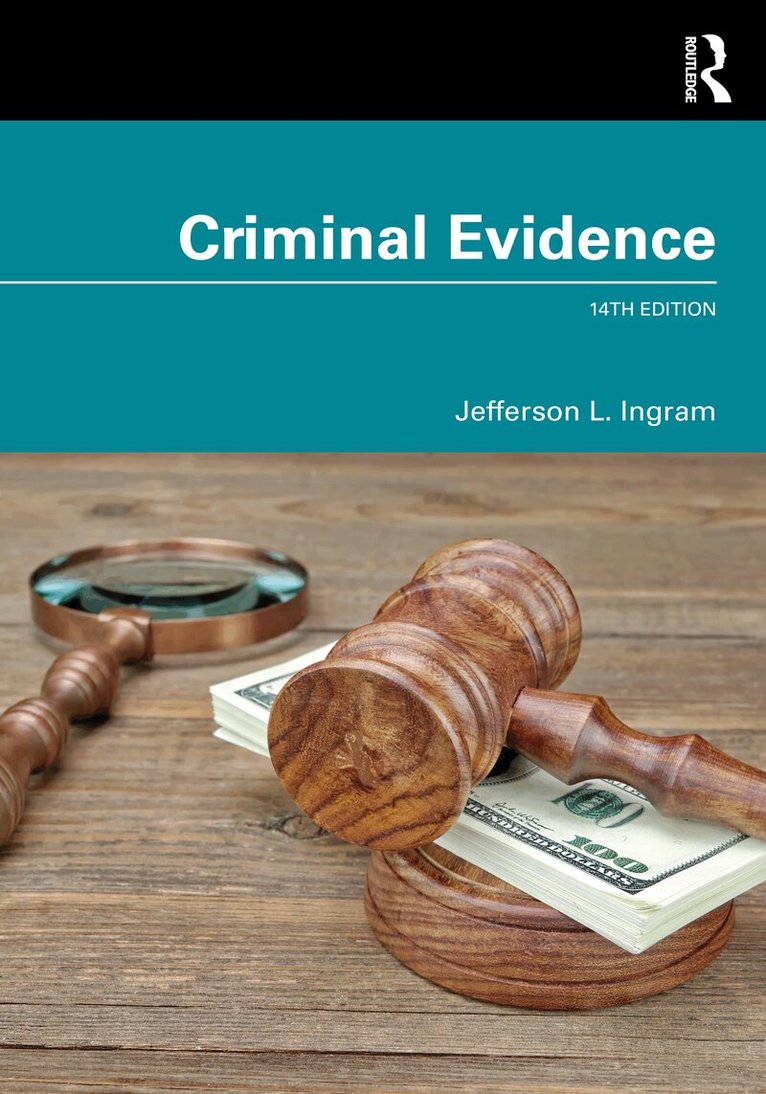
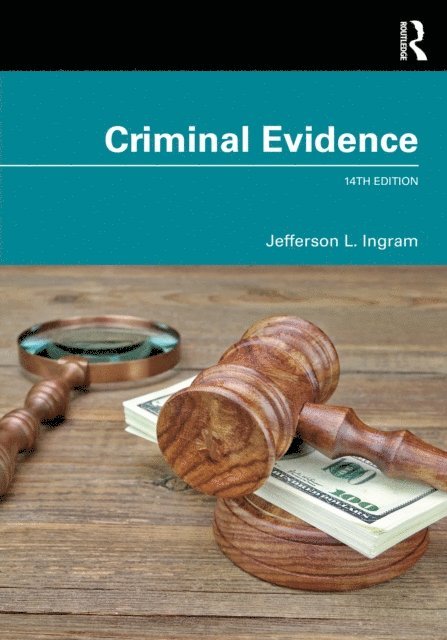
Criminal Evidence is a well-respected and trusted introduction to the rules of criminal evidence for criminal justice students and professionals. Part I of this book generally follows the order and logic of the Federal Rules of Evidence in its explanation of how evidence is collected, preserved, and presented in a criminal court proceeding. Part II provides a selection of edited, relevant criminal court cases that reinforce these basics and provide the context of how these rules are currently practiced. Readers gain an understanding of how concepts of evidence operate to convict the guilty and acquit the innocent.This 14th Edition provides many updates, new references to recent Supreme Court cases, and a current version of the Federal Rules of Evidence. Student aids include chapter outlines, key terms, concepts lists, a glossary, a table of cases cited, and online case study questions. Teacher resources include an Instructor’s Guide, test bank, and PowerPoint slides.Updated with all the newest relevant law, this book is appropriate for undergraduate students in criminal evidence and related courses.Support material for the 14th Edition includes PowerPoint slides, Instructor's Guides with test quesitons, and a "comparison map" pointing to differences between the 13th and 14th editions.
3 734 kr
Skickas inom 10-15 vardagar
Criminal Evidence is a well-respected and trusted introduction to the rules of criminal evidence for criminal justice students and professionals. Part I of this book generally follows the order and logic of the Federal Rules of Evidence in its explanation of how evidence is collected, preserved, and presented in a criminal court proceeding. Part II provides a selection of edited, relevant criminal court cases that reinforce these basics and provide the context of how these rules are currently practiced. Readers gain an understanding of how concepts of evidence operate to convict the guilty and acquit the innocent.This 14th Edition provides many updates, new references to recent Supreme Court cases, and a current version of the Federal Rules of Evidence. Student aids include chapter outlines, key terms, concepts lists, a glossary, a table of cases cited, and online case study questions. Teacher resources include an Instructor’s Guide, test bank, and PowerPoint slides.Updated with all the newest relevant law, this book is appropriate for undergraduate students in criminal evidence and related courses.Support material for the 14th Edition includes PowerPoint slides, Instructor's Guides with test quesitons, and a "comparison map" pointing to differences between the 13th and 14th editions.
1 775 kr
Skickas inom 10-15 vardagar
Constitutional Law for Criminal Justice, Sixteenth Edition, offers criminal justice professionals the training they need to recognize the constitutional principles that apply to their daily work. Jacqueline R. Kanovitz, Jefferson L. Ingram, and Christopher J. Devine provide a comprehensive, well-organized, and up-to-date analysis of constitutional issues that affect the U.S. justice system.Chapter 1 of Part I summarizes the organization and content of the Constitution, the Bill of Rights, and the Fourteenth Amendment. The next eight chapters cover the constitutional principles that regulate investigatory detentions, traffic stops, arrests, use of force, search and seizure, technologically assisted surveillance, the Wiretap Act, interrogations and confessions, self-incrimination, witness identification procedures, the right to counsel, procedural safeguards during criminal trials, First Amendment issues relevant to law enforcement, and capital punishment. The final chapter covers the constitutional rights of criminal justice professionals in the workplace, their protection under Title VII of the Civil Rights Act, and their accountability under 42 U.S.C. § 1983 for violating the constitutional rights of others. Part II contains abstracts of key judicial decisions exemplifying how the doctrines covered in earlier chapters are being applied by the courts. The combination of text and cases creates flexibility in structuring class time.This book makes complex concepts accessible to students in all levels of criminal justice education. The chapters begin with an outline and end with a summary. Key Terms and Concepts are defined in the Glossary. Tables, figures, and charts are used to synthesize and simplify information. The result is an incomparably clear, student-friendly textbook that has remained a leader in criminal justice education for more than 50 years.The accompanying Instructor and Student Resource website provides free digital materials designed to test student knowledge and save time when preparing lessons. Resources include:Student access to practical quizzes including multiple-choice and true-or-false questions, and case studies with interactive questions and answers to test and apply knowledgeA downloadable comprehensive study guide, glossary, and appendix including the text of the United States Constitution to enhance understanding of each chapter alongside studyStep-by-step Instructor Guides and premade lesson slides that correspond to the chapters in an editable format to saving valuable time on lesson preparationInstructor access to test-bank questions for further exam practicePassword-protected instructor resources available on the Instructor Resources Download Hub
3 102 kr
Skickas inom 10-15 vardagar
Constitutional Law for Criminal Justice, Sixteenth Edition, offers criminal justice professionals the training they need to recognize the constitutional principles that apply to their daily work. Jacqueline R. Kanovitz, Jefferson L. Ingram, and Christopher J. Devine provide a comprehensive, well-organized, and up-to-date analysis of constitutional issues that affect the U.S. justice system.Chapter 1 of Part I summarizes the organization and content of the Constitution, the Bill of Rights, and the Fourteenth Amendment. The next eight chapters cover the constitutional principles that regulate investigatory detentions, traffic stops, arrests, use of force, search and seizure, technologically assisted surveillance, the Wiretap Act, interrogations and confessions, self-incrimination, witness identification procedures, the right to counsel, procedural safeguards during criminal trials, First Amendment issues relevant to law enforcement, and capital punishment. The final chapter covers the constitutional rights of criminal justice professionals in the workplace, their protection under Title VII of the Civil Rights Act, and their accountability under 42 U.S.C. § 1983 for violating the constitutional rights of others. Part II contains abstracts of key judicial decisions exemplifying how the doctrines covered in earlier chapters are being applied by the courts. The combination of text and cases creates flexibility in structuring class time.This book makes complex concepts accessible to students in all levels of criminal justice education. The chapters begin with an outline and end with a summary. Key Terms and Concepts are defined in the Glossary. Tables, figures, and charts are used to synthesize and simplify information. The result is an incomparably clear, student-friendly textbook that has remained a leader in criminal justice education for more than 50 years.The accompanying Instructor and Student Resource website provides free digital materials designed to test student knowledge and save time when preparing lessons. Resources include:Student access to practical quizzes including multiple-choice and true-or-false questions, and case studies with interactive questions and answers to test and apply knowledgeA downloadable comprehensive study guide, glossary, and appendix including the text of the United States Constitution to enhance understanding of each chapter alongside studyStep-by-step Instructor Guides and premade lesson slides that correspond to the chapters in an editable format to saving valuable time on lesson preparationInstructor access to test-bank questions for further exam practicePassword-protected instructor resources available on the Instructor Resources Download Hub