Jeffrey Hoorfar – författare
Visar alla böcker från författaren Jeffrey Hoorfar. Handla med fri frakt och snabb leverans.
5 produkter
5 produkter
Inbunden, Engelska, 2011
1 988 kr
Skickas inom 10-15 vardagar
Improving the integrity of the food chain, making certain that food is traceable, safe to eat, high quality and genuine requires new diagnostic tools, the implementation of novel information systems and input from all food chain participants. Food chain integrity reviews key research in this fast-moving area and how it can be applied to improve the provision of food to the consumer.Chapters in part one review developments in food traceability, such as food 'biotracing', and methods to prevent food bioterrorism. Following this, part two focuses on developments in food safety and quality management. Topics covered include advances in understanding of pathogen behaviour, control of foodborne viruses, hazard ranking and the role of animal feed in food safety. Chapters in part three explore essential aspects of food authenticity, from the traceability of genetically modified organisms in supply chains to new methods to demonstrate food origin. Finally, part four focuses on consumer views on food chain integrity and future trends.With its distinguished editors and expert team of contributors, Food chain integrity is a key reference for all those tasked with predicting and implementing actions to prevent breaches in the integrity of food production.Reviews key research in this fast-moving area and how it can be applied to improve the provision of food to the consumerExamines developments in food traceability, such as food 'biotracing', and methods to prevent food bioterrorismFocuses on developments in food safety and quality management featuring advances in understanding pathogen behaviour and control of foodborne viruses
E-bok
Engelska, 20112 215 kr
Läs direkt efter köp
Improving the integrity of the food chain, making certain that food is traceable, safe to eat, high quality and genuine requires new diagnostic tools, the implementation of novel information systems and input from all food chain participants. Food chain integrity reviews key research in this fast-moving area and how it can be applied to improve the provision of food to the consumer.Chapters in part one review developments in food traceability, such as food ''biotracing'', and methods to prevent food bioterrorism. Following this, part two focuses on developments in food safety and quality management. Topics covered include advances in understanding of pathogen behaviour, control of foodborne viruses, hazard ranking and the role of animal feed in food safety. Chapters in part three explore essential aspects of food authenticity, from the traceability of genetically modified organisms in supply chains to new methods to demonstrate food origin. Finally, part four focuses on consumer views on food chain integrity and future trends.With its distinguished editors and expert team of contributors, Food chain integrity is a key reference for all those tasked with predicting and implementing actions to prevent breaches in the integrity of food production.- Reviews key research in this fast-moving area and how it can be applied to improve the provision of food to the consumer- Examines developments in food traceability, such as food ''biotracing'', and methods to prevent food bioterrorism- Focuses on developments in food safety and quality management featuring advances in understanding pathogen behaviour and control of foodborne viruses
Inbunden, Engelska, 2012
2 212 kr
Skickas inom 10-15 vardagar
The identification and control of food contaminants rely on careful investigation and implementation of appropriate management strategies. Using a wide range of real-life examples, Case studies in food safety and authenticity provides a vital insight into the practical application of strategies for control and prevention.Part one provides examples of recent outbreak investigations from a wide range of experts around the world, including lessons learnt, before part two goes on to explore examples of how the source was traced and the implications for the food chain. Methods of crisis management are the focus of part three, whilst part four provides studies of farm-level interventions and the tracking of contaminants before they enter the food chain. Part five is focussed on safe food production, and considers the challenges of regulatory testing and certification, hygiene control and predictive microbiology. The book concludes in part six with an examination of issues related to food adulteration and authenticity.With its distinguished editor and international team of expert contributors, Case studies in food safety and authenticity is a key reference work for those involved in food production, including quality control, laboratory and risk managers, food engineers, and anyone involved in researching and teaching food safety.Delivers a vital insight into the practical application of strategies for control and prevention of food contaminantsProvides detailed examples of recent outbreak investigations from a wide range of international experts, discussing how the source was traced and the implications for the food chainChapters discuss methods of crisis management, farm-level interventions, safe food production and the challenges of regulatory testing and certification
2 453 kr
Läs direkt efter köp
The identification and control of food contaminants rely on careful investigation and implementation of appropriate management strategies. Using a wide range of real-life examples, Case studies in food safety and authenticity provides a vital insight into the practical application of strategies for control and prevention.Part one provides examples of recent outbreak investigations from a wide range of experts around the world, including lessons learnt, before part two goes on to explore examples of how the source was traced and the implications for the food chain. Methods of crisis management are the focus of part three, whilst part four provides studies of farm-level interventions and the tracking of contaminants before they enter the food chain. Part five is focussed on safe food production, and considers the challenges of regulatory testing and certification, hygiene control and predictive microbiology. The book concludes in part six with an examination of issues related to food adulteration and authenticity.With its distinguished editor and international team of expert contributors, Case studies in food safety and authenticity is a key reference work for those involved in food production, including quality control, laboratory and risk managers, food engineers, and anyone involved in researching and teaching food safety.- Delivers a vital insight into the practical application of strategies for control and prevention of food contaminants- Provides detailed examples of recent outbreak investigations from a wide range of international experts, discussing how the source was traced and the implications for the food chain- Chapters discuss methods of crisis management, farm-level interventions, safe food production and the challenges of regulatory testing and certification
E-bok
Engelska, 20142 532 kr
Läs direkt efter köp
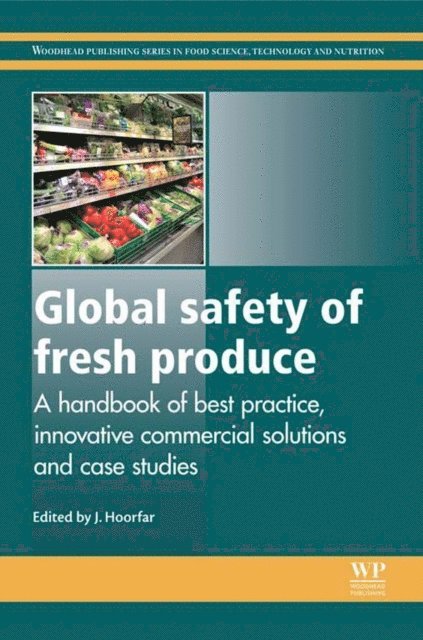
Continuing food poisoning outbreaks around the globe have put fresh produce safety at the forefront of food research. Global Safety of Fresh Produce provides a detailed and comprehensive overview of best practice for produce safety throughout the food chain, and unique coverage of commercial technologies for fresh produce safety.Part one covers the production and regulation of fresh produce on the agricultural level, including issues of niche farm fresh products, FDA regulation, and zoonotic transfer of pathogens from animals to farm products. Part two moves on to look at safety and environmental issues surrounding fresh produce processing, such as postharvest washing, alternative sanitizers, and using produce waste as animal feed. Part three focuses on current and emerging commercial solutions for fresh produce safety, like ionizing radiation and edible coatings, and part four covers methods of laboratory testing and related legislation. The final section of the book covers a series of case studies of fresh produce safety breaches, including European E. coli outbreaks in sprouts and leafy greens, and the illegal use of fluorescent whitening agents (FWAs) in China.This book is an essential text for R&D managers in the fresh produce industry, quality control professionals working with fresh produce throughout the food chain, postgraduate students, and academic researchers with an interest in fresh produce safety.- Provides a comprehensive overview of best practice for produce safety- Examines the production and regulation of fresh agricultural produce- Looks at safety and environmental issues surrounding fresh produce processing