Jennifer L. Jenkins – författare
Visar alla böcker från författaren Jennifer L. Jenkins. Handla med fri frakt och snabb leverans.
5 produkter
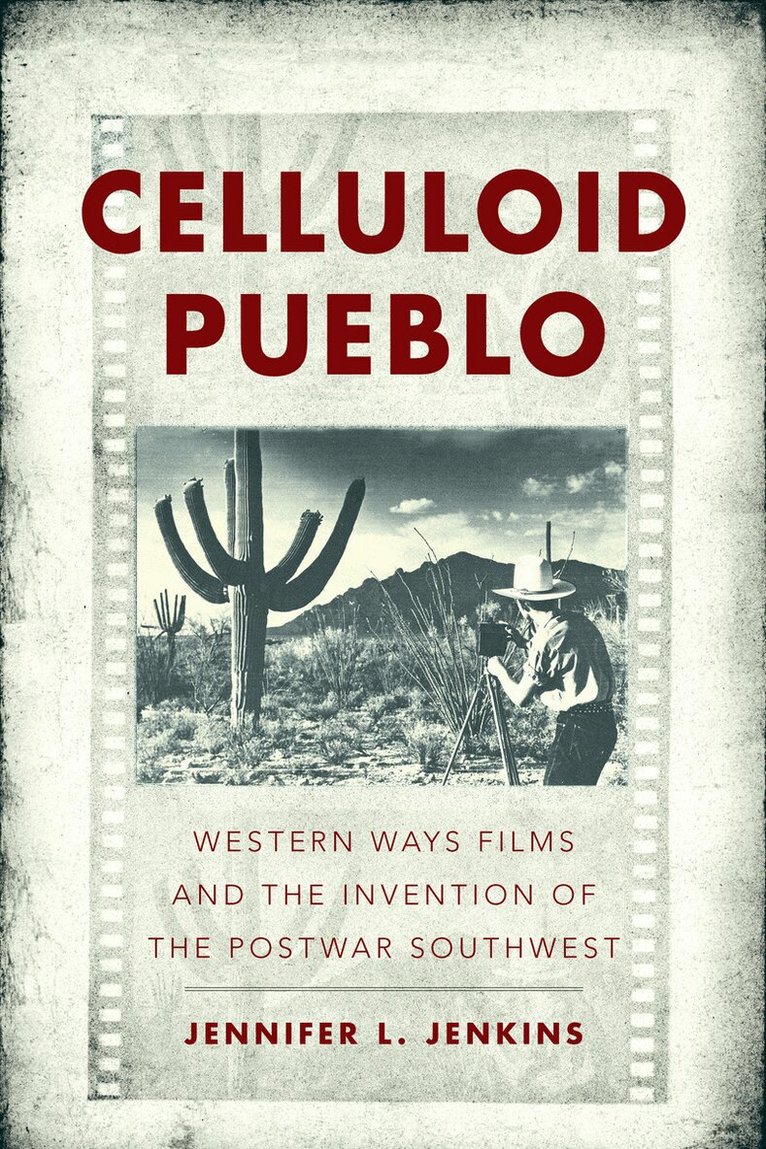
Celluloid Pueblo
Western Ways Films and the Invention of the Postwar Southwest
Häftad, 2024
310 kr
Lägg i varukorg
The five Cs of Arizona—copper, cattle, cotton, citrus, and climate—formed the basis of the state’s livelihood and a readymade roster of subjects for films. With an eye on the developing national appetite for all things western, Charles and Lucile Herbert founded Western Ways Features in 1936 to …
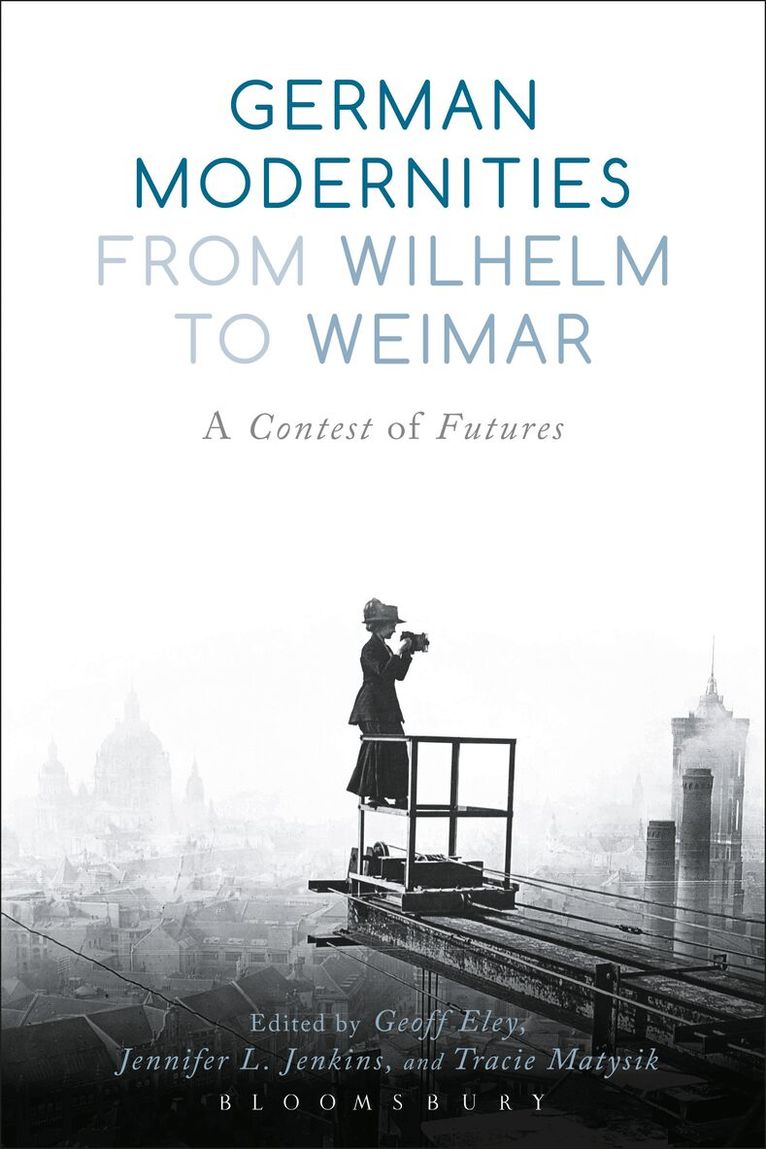
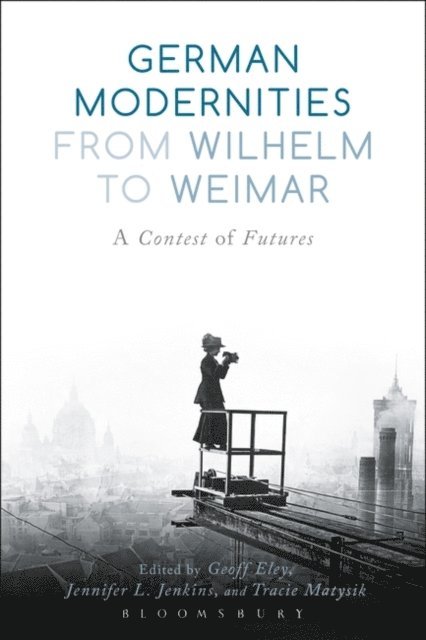
German Modernities From Wilhelm to Weimar
A Contest of Futures
Av Geoff Eley, Jennifer L. Jenkins m. fl.
Häftad, 2016
533 kr
Lägg i varukorg
What was German modernity? What did the years between 1880 and 1930 mean for Germany's navigation through a period of global capitalism, imperial expansion, and technological transformation? German Modernities From Wilhelm to Weimar brings together leading historians of the Imperial and Weimar …
German Modernities From Wilhelm to Weimar
A Contest of Futures
Av Geoff Eley, Jennifer L. Jenkins m. fl.
Inbunden, 2016
2051 kr
Lägg i varukorg
What was German modernity? What did the years between 1880 and 1930 mean for Germany's navigation through a period of global capitalism, imperial expansion, and technological transformation? German Modernities From Wilhelm to Weimar brings together leading historians of the Imperial and Weimar …
German Modernities From Wilhelm to Weimar
A Contest of Futures
Av Geoff Eley, Jennifer L. Jenkins m. fl.
E-bok, 2016
560 kr
Lägg i varukorg
What was German modernity? What did the years between 1880 and 1930 mean for Germany''s navigation through a period of global capitalism, imperial expansion, and technological transformation? German Modernities From Wilhelm to Weimar brings together leading historians of the Imperial and Weimar …
German Modernities From Wilhelm to Weimar
A Contest of Futures
Av Geoff Eley, Jennifer L. Jenkins m. fl.
E-bok, 2016
560 kr
Lägg i varukorg
What was German modernity? What did the years between 1880 and 1930 mean for Germany''s navigation through a period of global capitalism, imperial expansion, and technological transformation? German Modernities From Wilhelm to Weimar brings together leading historians of the Imperial and Weimar …