Jens Arnholtz - Böcker
Visar alla böcker från författaren Jens Arnholtz. Handla med fri frakt och snabb leverans.
4 produkter
4 produkter
2 150 kr
Skickas inom 10-15 vardagar
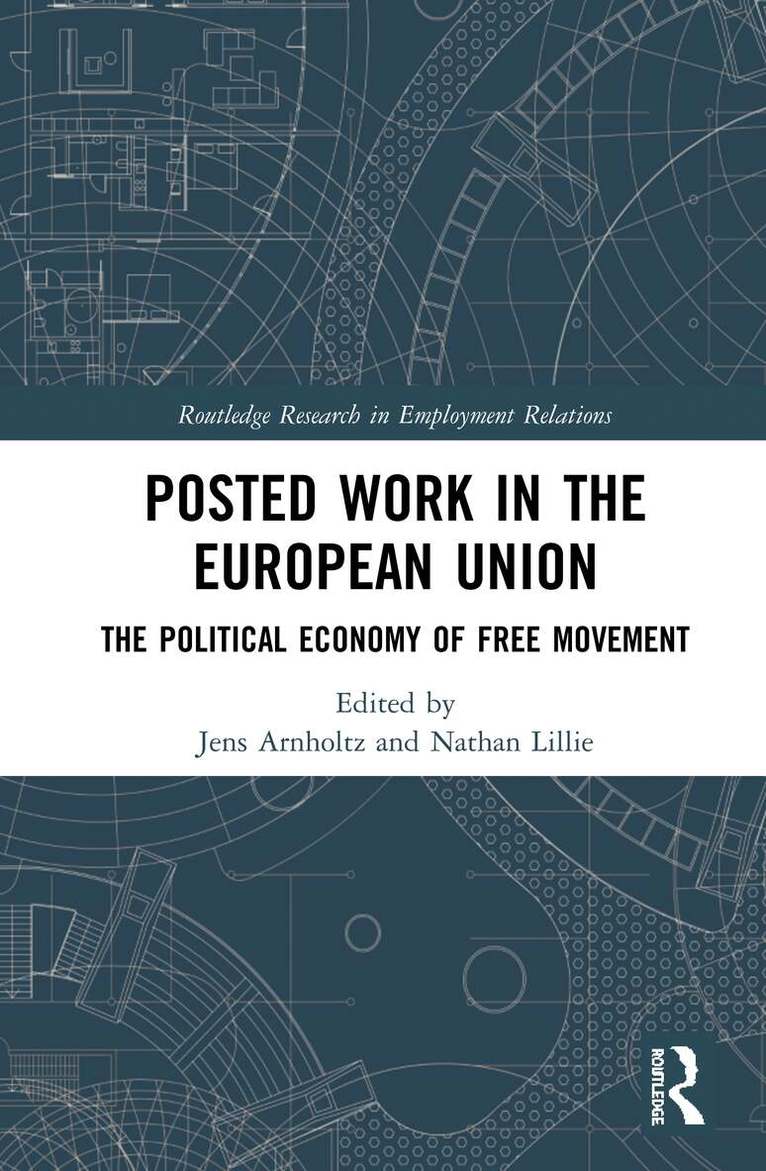
Focusing on posting of workers, where workers employed in one country are send to work in another country, this edited volume is at the nexus of industrial relations and European Union studies. The central aim is to understand how the regulatory regime of worker "posting" is driving institutional changes to national industrial relations systems. In the introduction, the editors develop a framework for understanding the relationship of supra-national EU regulation, transnational actors and national industrial relations systems, which we then apply in the empirical chapters. This unique volume brings together scholars from diverse academic fields, all of whom are experts on the topic of "worker posting." The book examines different aspects of the posting debate, including the interactions of actors such as labour inspectorates, trade unions, European legal/political regulators, manpower firms, transnational subcontractors and posted workers. The main objective of this book is to explore the dynamics of institutional change, by showing how trans- and supra-national dynamics affect European industrial relations systems. This volume will represent the "state of the art" in research on worker posting. It will also contribute to debates on European integration, social dumping, labour market dualization and precariousness and will be of value to those with an interest employment relations, law and regulation.
635 kr
Skickas inom 10-15 vardagar
Focusing on posting of workers, where workers employed in one country are send to work in another country, this edited volume is at the nexus of industrial relations and European Union studies. The central aim is to understand how the regulatory regime of worker "posting" is driving institutional changes to national industrial relations systems. In the introduction, the editors develop a framework for understanding the relationship of supra-national EU regulation, transnational actors and national industrial relations systems, which we then apply in the empirical chapters. This unique volume brings together scholars from diverse academic fields, all of whom are experts on the topic of "worker posting." The book examines different aspects of the posting debate, including the interactions of actors such as labour inspectorates, trade unions, European legal/political regulators, manpower firms, transnational subcontractors and posted workers. The main objective of this book is to explore the dynamics of institutional change, by showing how trans- and supra-national dynamics affect European industrial relations systems. This volume will represent the "state of the art" in research on worker posting. It will also contribute to debates on European integration, social dumping, labour market dualization and precariousness and will be of value to those with an interest employment relations, law and regulation.
1 953 kr
Skickas inom 10-15 vardagar
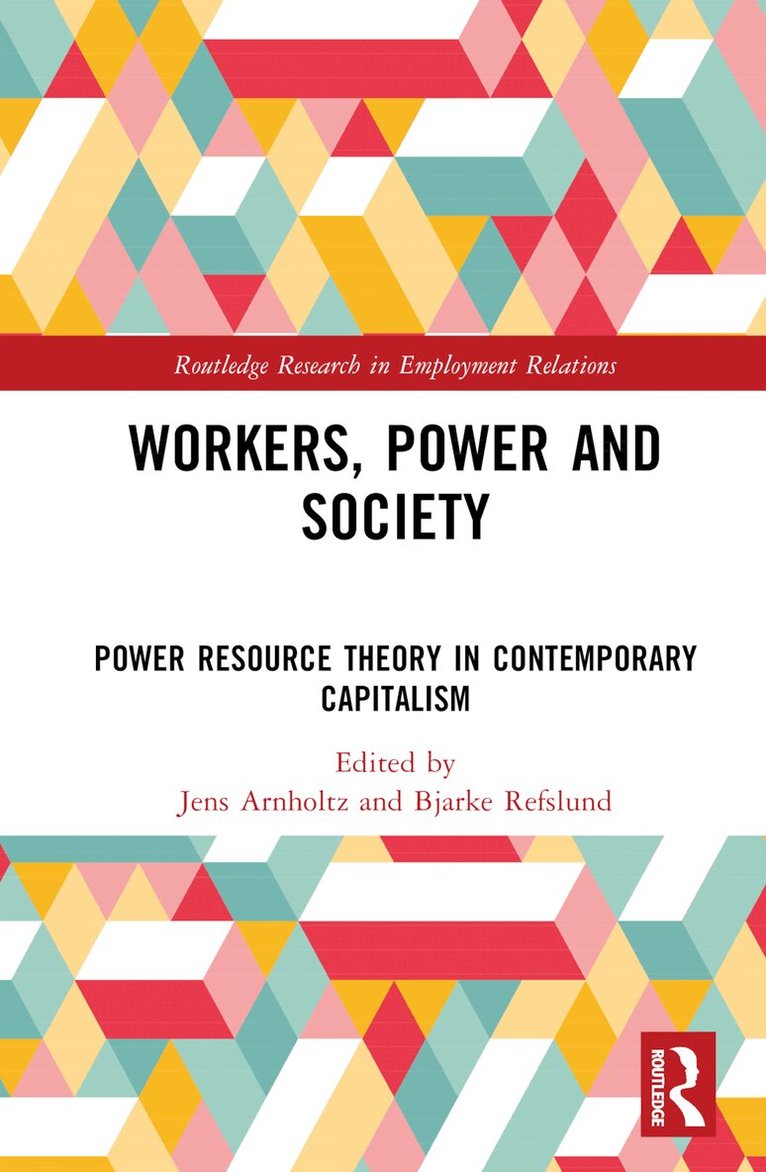
The book addresses how power and power resources remain important analytically as well as empirically dimensions for analysing contemporary capitalism. It provides a theoretical framework for studying, understanding, and explaining changes in the world of work and how that leads to changes in contemporary capitalist societies. Changes in the world of work are closely related to increasing inequality, growing social unrest, and societal polarisation. Hence the book seeks to deepen our understanding of how developments in the sphere of work have implication far beyond the direct impact on workers. The book focuses on how workers and unions utilise their various power resources to off-set the power advantage of employers and capital in the sphere of labour politics, which have crucial linkages with both cultural life, politics, and the market. Although workers’ and unions’ power and influence have been declining almost universally across the world, the argument in the book is that they still hold power resources that can challenge and sometimes alter outcomes in another direction than what employers and capital wants. Hence the theory can help understand the possibilities that workers and unions still have and how these resources affect the outcomes of the labour-capital struggle. A core contribution of the book is that it develops theoretical propositions about power resource theory, provides clear definitions of the core concepts as well as apply the power resource theory to a range of new or emerging topic fields like global value chains, minimum wages, and migrant workers.
590 kr
Skickas inom 10-15 vardagar
The book addresses how power and power resources remain important analytically as well as empirically dimensions for analysing contemporary capitalism. It provides a theoretical framework for studying, understanding, and explaining changes in the world of work and how that leads to changes in contemporary capitalist societies. Changes in the world of work are closely related to increasing inequality, growing social unrest, and societal polarisation. Hence the book seeks to deepen our understanding of how developments in the sphere of work have implication far beyond the direct impact on workers. The book focuses on how workers and unions utilise their various power resources to off-set the power advantage of employers and capital in the sphere of labour politics, which have crucial linkages with both cultural life, politics, and the market. Although workers’ and unions’ power and influence have been declining almost universally across the world, the argument in the book is that they still hold power resources that can challenge and sometimes alter outcomes in another direction than what employers and capital wants. Hence the theory can help understand the possibilities that workers and unions still have and how these resources affect the outcomes of the labour-capital struggle. A core contribution of the book is that it develops theoretical propositions about power resource theory, provides clear definitions of the core concepts as well as apply the power resource theory to a range of new or emerging topic fields like global value chains, minimum wages, and migrant workers.