Jeremy Schmahmann - Böcker
Visar alla böcker från författaren Jeremy Schmahmann. Handla med fri frakt och snabb leverans.
3 produkter
3 produkter
1 738 kr
Skickas inom 5-8 vardagar
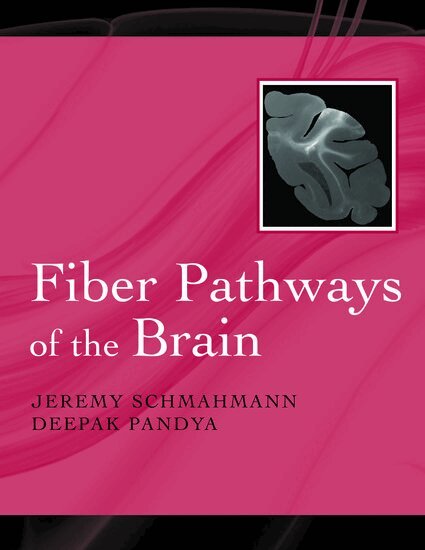
This unique volume is a comprehensive, well-illustrated study of the organization of the white matter pathways of the brain. Schmahmann and Pandya have analyzed and synthesized the corticocortical and corticosubcortical connections of the major areas of the cerebral cortex of the rhesus monkey. The result is a detailed understanding of the constituents of the cerebral white matter and the organization of the fiber tracts. The findings from the 36 cases studied are presented on a single template brain, facilitating comparison of the locations of the different fiber pathways. The summary diagrams provide a comprehensive atlas of the cerebral white matter. The text is enriched by close attention to functional aspects of the anatomical observations. The clinical relevance of the pathways is addressed throughout the text and a chapter is devoted to human white matter diseases. The introductory account gives a detailed historical background. Translations of seminal original observations by early investigators are presented, and when these are considered in the light of the authors' new observations, many longstanding conflicts and debates are resolved. This scholarly book is an important addition to systems and cognitive neuroscience that will be of lasting value to neurobiologists, anatomists, neurologists, neurosurgeons, neuroradiologists, psychiatrists, psychologists, and to their students and trainees.
1 736 kr
Skickas inom 7-10 vardagar
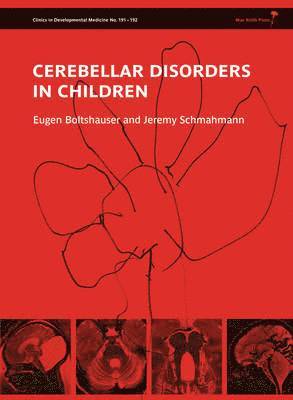
Clinics in Developmental Medicine No. 191-192 This clinically orientated text by an international group of experts is the first definitive reference book on disorders of the cerebellum in children. It presents a wealth of practical clinical experience backed up by a strong scientific basis for the information and guidance given. The first part sets out the theoretical underpinnings of cerebellar disorders. This is followed by sections on clinical conditions grouped according to common characteristics such as aetiology and symptomatology. The descriptions of the clinical conditions each systematically cover, as appropriate, epidemiology, prevalence, diagnostic criteria, clinical features (including course and prognosis), pathophysiology, genetics, investigations, differential diagnosis, and management and treatment.This book will be an invaluable resource for all those caring for children affected by cerebellar disorders, including malformations, genetic and metabolic disorders, acquired cerebellar damage, vascular disorders and acute ataxias.This comprehensive reference text on cerebellar disorders in children includes chapters on cerebellar development, prenatal cerebellar imaging, imaging of the posterior fossa, with coverage of a broad range of malformations, genetic and metabolic disorders involving the cerebellum, prenatal cerebellar disruptions (as related to prematurity), vascular disorders, tumors and paraneoplastic syndromes, as well as acute ataxia and trauma to the posterior fossa. Numerous checklists are provided to assist in the differential diagnosis of clinical signs and neuroimaging findings.Readership:Paediatric neurologists, paediatricians, neurologists, developmental paediatricians, neuroimaging specialists, geneticists, neonatologists
6 306 kr
Skickas inom 10-15 vardagar
Our knowledge of cerebellar functions and cerebellar disorders, called ataxias, is increasing considerably. Studies of the cerebellum are now a central focus in neuroscience. During the last four decades, many laboratories worldwide have dedicated their research activities to understanding the roles of the cerebellum in motor control, cognitive processes and biology of mental processes, behavioral symptoms, and emotion. It is now accepted that the cerebellum acts as a cognitive operator in learning, perception, and attention. Moreover, major improvements in our assessment of in vivo cerebellar architecture using imaging techniques have occurred. A typical example is the accurate description of cerebellar anatomy during fetal development with MRI, a progress which has direct impacts on patient care. These advances have been associated with discoveries of new clinical disorders, in particular in the field of genetic ataxias. More than 20 new genes have been identified these last 10 years. Only for dominant ataxias, more than 30 diseases have now been unravelled. The number of ataxic disorders will increase with aging, the cerebellum being the structure of the brain with the most important loss of neurons with age. More than 300 different cerebellar disorders are encountered during daily practice, but we are missing a single source of information explaining their pathogenesis. Despite the immense amount of knowledge acquired about the cerebellar circuitry these last years, a large book covering the neuroscience of the cerebellum is missing. The goal of this endeavour is to bring up to date information relevant for basic science and also for clinical activities. To reach this goal, the most renowned authors are gathered in a unique and in-depth book with a format of a handbook. We emphasize the connections between molecular findings, imaging features, behavioural/neuropsychological aspects, and clinical implications.