Jerry Ratcliffe - Böcker
Visar alla böcker från författaren Jerry Ratcliffe. Handla med fri frakt och snabb leverans.
5 produkter
5 produkter
2 459 kr
Skickas inom 11-20 vardagar
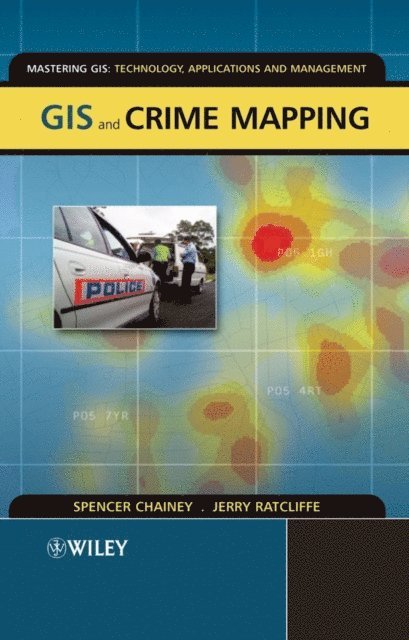
The growing potential of GIS for supporting policing and crime reduction is now being recognised by a broader community. GIS can be employed at different levels to support operational policing, tactical crime mapping, detection, and wider-ranging strategic analyses. With the use of GIS for crime mapping increasing, this book provides a definitive reference. GIS and Crime Mapping provides essential information and reference material to support readers in developing and implementing crime mapping. Relevant case studies help demonstrate the key principles, concepts and applications of crime mapping.This book combines the topics of theoretical principles, GIS, analytical techniques, data processing solutions, information sharing, problem-solving approaches, map design, and organisational structures for using crime mapping for policing and crime reduction. Delivered in an accessible style, topics are covered in a manner that underpins crime mapping use in the three broad areas of operations, tactics and strategy. Provides a complete start-to-finish coverage of crime mapping, including theory, scientific methodologies, analysis techniques and design principles.Includes a comprehensive presentation of crime mapping applications for operational, tactical and strategic purposes.Includes global case studies and examples to demonstrate good practice.Co-authored by Spencer Chainey, a leading researcher and consultant on GIS and crime mapping, and Jerry Ratcliffe, a renowned professor and former police officer.This book is essential reading for crime analysts and other professionals working in intelligence roles in law enforcement or crime reduction, at the local, regional and national government levels. It is also an excellent reference for undergraduate and Masters students taking courses in GIS, Geomatics, Crime Mapping, Crime Science, Criminal Justice and Criminology.
822 kr
Skickas inom 7-10 vardagar
The growing potential of GIS for supporting policing and crime reduction is now being recognised by a broader community. GIS can be employed at different levels to support operational policing, tactical crime mapping, detection, and wider-ranging strategic analyses. With the use of GIS for crime mapping increasing, this book provides a definitive reference. GIS and Crime Mapping provides essential information and reference material to support readers in developing and implementing crime mapping. Relevant case studies help demonstrate the key principles, concepts and applications of crime mapping.This book combines the topics of theoretical principles, GIS, analytical techniques, data processing solutions, information sharing, problem-solving approaches, map design, and organisational structures for using crime mapping for policing and crime reduction. Delivered in an accessible style, topics are covered in a manner that underpins crime mapping use in the three broad areas of operations, tactics and strategy. Provides a complete start-to-finish coverage of crime mapping, including theory, scientific methodologies, analysis techniques and design principles.Includes a comprehensive presentation of crime mapping applications for operational, tactical and strategic purposes.Includes global case studies and examples to demonstrate good practice.Co-authored by Spencer Chainey, a leading researcher and consultant on GIS and crime mapping, and Jerry Ratcliffe, a renowned professor and former police officer.This book is essential reading for crime analysts and other professionals working in intelligence roles in law enforcement or crime reduction, at the local, regional and national government levels. It is also an excellent reference for undergraduate and Masters students taking courses in GIS, Geomatics, Crime Mapping, Crime Science, Criminal Justice and Criminology.
2 692 kr
Skickas inom 10-15 vardagar
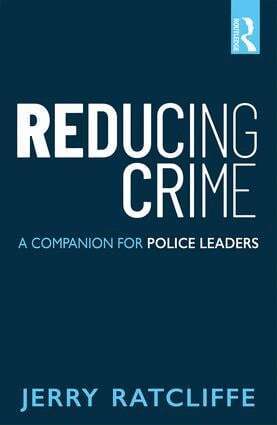
How do I reduce crime in my police command? How do I tackle chronic crime problems? How do I address the long-term issues that have plagued my community? How do I analyze crime and criminal behaviour? How do I show evidence of success in crime reduction? What works, what doesn’t, and how do we know? Providing answers to these questions and more, this engaging and accessible book offers a foundation for leadership in modern policing. Blending concepts from crime science, environmental criminology, and the latest research in evidence-based policing, the book draws on examples from around the world to cover a range of issues such as: how to analyze crime problems and what questions to ask, why the PANDA model is your key to crime reduction, key features of criminal behavior relevant to police commanders, the current research on what works in police crime prevention, why to set up systems to avoid surprises and monitor crime patterns, how to develop evidence of your effectiveness, forming a crime reduction plan, tracking progress, and finally, how to make a wider contribution to the policing field. Crammed with useful tips, checklists and advice including first-person perspectives from police practitioners, case studies and chapter summaries, this book is essential reading both for police professionals taking leadership courses and promotion exams, and for students engaged with police administration and community safety.
549 kr
Skickas inom 10-15 vardagar
How do I reduce crime in my police command? How do I tackle chronic crime problems? How do I address the long-term issues that have plagued my community? How do I analyze crime and criminal behaviour? How do I show evidence of success in crime reduction? What works, what doesn’t, and how do we know? Providing answers to these questions and more, this engaging and accessible book offers a foundation for leadership in modern policing. Blending concepts from crime science, environmental criminology, and the latest research in evidence-based policing, the book draws on examples from around the world to cover a range of issues such as: how to analyze crime problems and what questions to ask, why the PANDA model is your key to crime reduction, key features of criminal behavior relevant to police commanders, the current research on what works in police crime prevention, why to set up systems to avoid surprises and monitor crime patterns, how to develop evidence of your effectiveness, forming a crime reduction plan, tracking progress, and finally, how to make a wider contribution to the policing field. Crammed with useful tips, checklists and advice including first-person perspectives from police practitioners, case studies and chapter summaries, this book is essential reading both for police professionals taking leadership courses and promotion exams, and for students engaged with police administration and community safety.
508 kr
Tillfälligt slut