Spencer Chainey - Böcker
Visar alla böcker från författaren Spencer Chainey. Handla med fri frakt och snabb leverans.
4 produkter
4 produkter
892 kr
Tillfälligt slut
Crime Mapping Case Studies: From Research to Practice provides a series of key examples from practice and research that demonstrate applications of crime mapping and its effect in many areas of policing and crime reduction. This book brings together case studies that show how crime mapping can be used for analysis, intelligence development, monitoring performance, and crime detection and is written by practitioners for practitioners. Leading researchers in the field describe how crime mapping is developing and exposing analytical methodologies and critiquing current practices. Including global case studies that demonstrate a particular application, analytical technique or new theoretical concept, this text offers a truly global overview of this rapidly growing area of interest. Unlike other texts on this topic, this book identifies mistakes and challenges in this field of enquiry to aid the reader in understanding the basics of this technique, giving them the opportunity to learn further.
2 459 kr
Skickas inom 11-20 vardagar
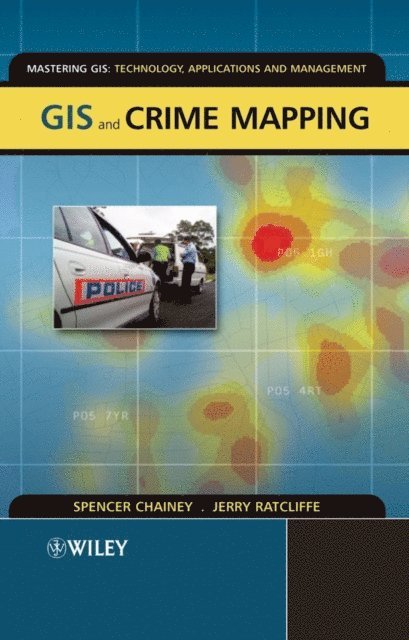
The growing potential of GIS for supporting policing and crime reduction is now being recognised by a broader community. GIS can be employed at different levels to support operational policing, tactical crime mapping, detection, and wider-ranging strategic analyses. With the use of GIS for crime mapping increasing, this book provides a definitive reference. GIS and Crime Mapping provides essential information and reference material to support readers in developing and implementing crime mapping. Relevant case studies help demonstrate the key principles, concepts and applications of crime mapping.This book combines the topics of theoretical principles, GIS, analytical techniques, data processing solutions, information sharing, problem-solving approaches, map design, and organisational structures for using crime mapping for policing and crime reduction. Delivered in an accessible style, topics are covered in a manner that underpins crime mapping use in the three broad areas of operations, tactics and strategy. Provides a complete start-to-finish coverage of crime mapping, including theory, scientific methodologies, analysis techniques and design principles.Includes a comprehensive presentation of crime mapping applications for operational, tactical and strategic purposes.Includes global case studies and examples to demonstrate good practice.Co-authored by Spencer Chainey, a leading researcher and consultant on GIS and crime mapping, and Jerry Ratcliffe, a renowned professor and former police officer.This book is essential reading for crime analysts and other professionals working in intelligence roles in law enforcement or crime reduction, at the local, regional and national government levels. It is also an excellent reference for undergraduate and Masters students taking courses in GIS, Geomatics, Crime Mapping, Crime Science, Criminal Justice and Criminology.
822 kr
Skickas inom 7-10 vardagar
The growing potential of GIS for supporting policing and crime reduction is now being recognised by a broader community. GIS can be employed at different levels to support operational policing, tactical crime mapping, detection, and wider-ranging strategic analyses. With the use of GIS for crime mapping increasing, this book provides a definitive reference. GIS and Crime Mapping provides essential information and reference material to support readers in developing and implementing crime mapping. Relevant case studies help demonstrate the key principles, concepts and applications of crime mapping.This book combines the topics of theoretical principles, GIS, analytical techniques, data processing solutions, information sharing, problem-solving approaches, map design, and organisational structures for using crime mapping for policing and crime reduction. Delivered in an accessible style, topics are covered in a manner that underpins crime mapping use in the three broad areas of operations, tactics and strategy. Provides a complete start-to-finish coverage of crime mapping, including theory, scientific methodologies, analysis techniques and design principles.Includes a comprehensive presentation of crime mapping applications for operational, tactical and strategic purposes.Includes global case studies and examples to demonstrate good practice.Co-authored by Spencer Chainey, a leading researcher and consultant on GIS and crime mapping, and Jerry Ratcliffe, a renowned professor and former police officer.This book is essential reading for crime analysts and other professionals working in intelligence roles in law enforcement or crime reduction, at the local, regional and national government levels. It is also an excellent reference for undergraduate and Masters students taking courses in GIS, Geomatics, Crime Mapping, Crime Science, Criminal Justice and Criminology.
997 kr
Skickas inom 5-8 vardagar
The definitive guide to analysis techniques for examining the geography of crimeUnderstanding Crime: Analyzing the Geography of Crime delves into both theory and technique to explain the geographic analysis of crime. Intended as a comprehensive resource and textbook, this book breaks down old, new, and complex approaches to make crime analysis more accessible for readers wanting to improve their own understanding of crime.Through detailed descriptions, explanations, and illustrations of geographic analysis techniques, Understanding Crime examines spatial and temporal patterns of crime, the use of spatial data in the analysis of crime, and methods for evaluating the impact of geographically targeted interventions. Topics include:Hot spot analysis, using cluster analysis techniquesTemporal analysis, including techniques for examining the stability of crime patternsAnalysis of repeat and near repeat victimizationAnalysis of persistent and emerging patterns of crimeSpatial regression analysis, including geographically weighted regressionDetermining crime risk, and where crime is likely to happenPerforming robust evaluation and applying techniques that determine whether an intervention workedEvery chapter begins with key learning points and ends with a summary and references. “Thought boxes” with useful information for understanding a theoretical principle or a technical matter are included throughout the book.Written by world-renowned crime science expert Dr. Spencer Chainey and designed for both students and practitioners of all levels, Understanding Crime is a vital reference that will support you in your spatial analysis of crime and ultimately in making better recommendations for improving your community.