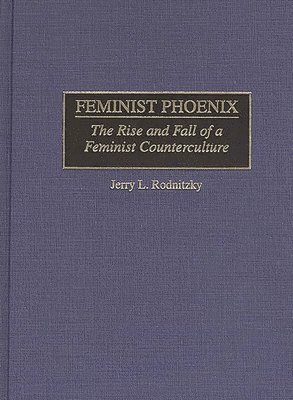
The rise and fall of feminist counterculture is traced through feminism's liberation of popular media such as music, cinema, and television and provides portraits of personalities as countercultural models. In addition, the decline of feminism after 1980 is explored.The book begins by suggesting relevant countercultural problems and failures throughout American history to provide a broad historical perspective. It also describes how the New Left countercultural stress influenced the women's liberation movement. Individual chapters focus on how feminists used music as a counterculture and how they attempted to liberate media such as cinema, television, and advertising. Cultural portraits of Janis Joplin, Joan Baez, and Gloria Steinem suggest how individual women can be effective countercultural models. The book examines the decline of feminism since 1980 and links that decline to the fall of feminist counterculture. Feminists of the 1960s seemed to be repeating the history of the 1920s, when feminists gained the vote, but then lost the next generation. Contemporary feminists made many economic and political gains, but again lost the next generation of women. Despite this loss, the book concentrates primarily on the positive and predicts that countercultural feminism will rise phoenix-like into a new future, feminist era.
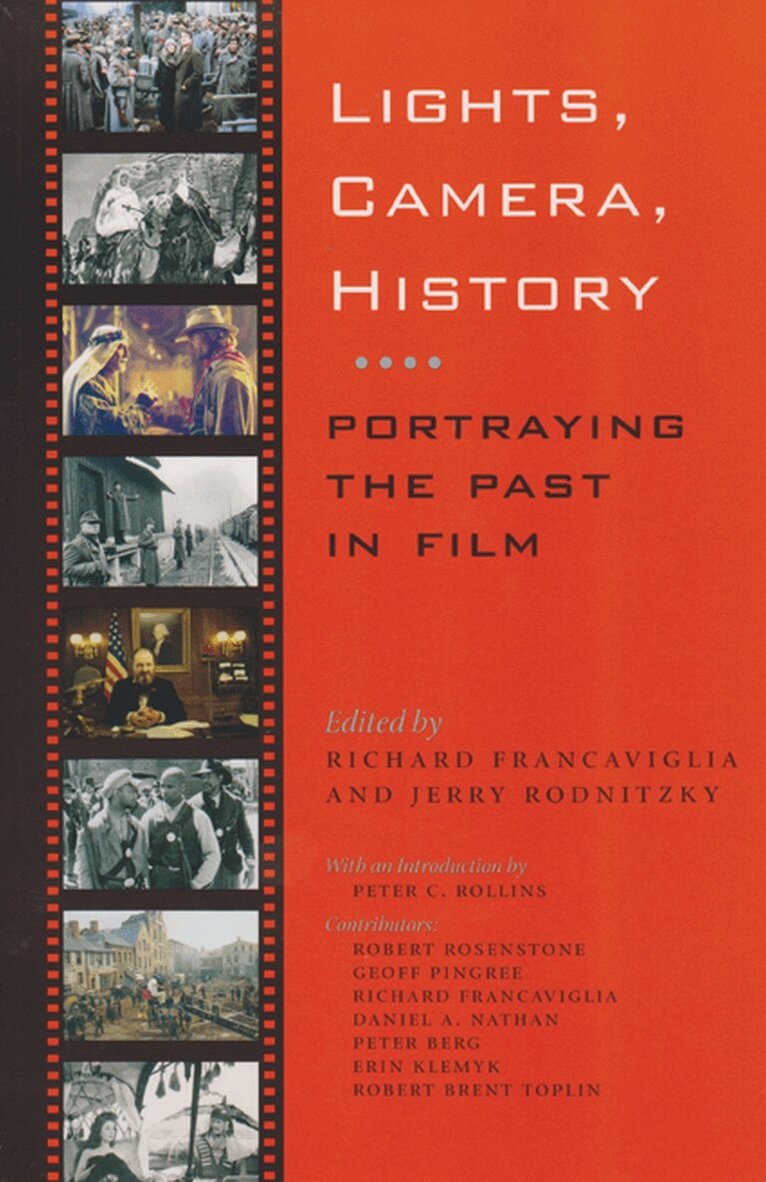
This important volume addresses a number of central topics concerning how history is depicted in film. In the preface, the volume editors emphasize the importance of using film in teaching history: students will see historical films, and if they are not taught critical viewing, they will be inclined simply to accept what they see as fact. Authors of the individual chapters then explore the portrayal of history - and the uses of history - in specific films and film genres. Robert Rosenstone's ""In Praise of the Biopic"" considers such films as ""Reds"", ""They Died with Their Boots On"", ""Little Big Man"", ""Seabiscuit"", ""Cinderella Man"", and ""The Grapes of Wrath"". In his chapter, Geoff Pingree focuses on the big questions posed in Jay Rosenblatt's 1998 film ""Human Remains"". Richard Francaviglia's chapter on films about the Middle East is especially timely in the post-9/11 world. One chapter, by Daniel A. Nathan, Peter Berg, and Erin Klemyk, is devoted to a single film: Martin Scorsese's urban history ""The Gangs of New York"", which the authors see as a way of exploring complex themes of the immigrant experience. Finally, Robert Brent Toplin addresses the paradox of using an art form (film) to present history. Among other themes, he considers the impact of Patton and Platoon on military decisions and interpretations, and of Birth of a Nation and Glory on race relations. The cumulative effect is to increase the reader's understanding of the medium of film in portraying history and to stimulate the imagination as to how it can and how it should not be used. Students and teachers of history and cinema will benefit deeply from this informative and thoughtful discussion.
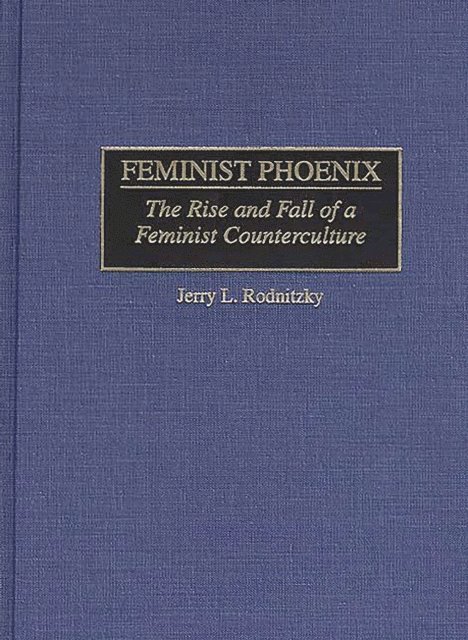
The rise and fall of feminist counterculture is traced through feminism's liberation of popular media such as music, cinema, and television and provides portraits of personalities as countercultural models. In addition, the decline of feminism after 1980 is explored.The book begins by suggesting relevant countercultural problems and failures throughout American history to provide a broad historical perspective. It also describes how the New Left countercultural stress influenced the women's liberation movement. Individual chapters focus on how feminists used music as a counterculture and how they attempted to liberate media such as cinema, television, and advertising. Cultural portraits of Janis Joplin, Joan Baez, and Gloria Steinem suggest how individual women can be effective countercultural models. The book examines the decline of feminism since 1980 and links that decline to the fall of feminist counterculture. Feminists of the 1960s seemed to be repeating the history of the 1920s, when feminists gained the vote, but then lost the next generation. Contemporary feminists made many economic and political gains, but again lost the next generation of women. Despite this loss, the book concentrates primarily on the positive and predicts that countercultural feminism will rise phoenix-like into a new future, feminist era.
This important volume addresses a number of central topics concerning how history is depicted in film. In the preface, the volume editors emphasize the importance of using film in teaching history: students will see historical films, and if they are not taught critical viewing, they will be inclined simply to accept what they see as fact. Authors of the individual chapters then explore the portrayal of history - and the uses of history - in specific films and film genres. Robert Rosenstone's ""In Praise of the Biopic"" considers such films as ""Reds"", ""They Died with Their Boots On"", ""Little Big Man"", ""Seabiscuit"", ""Cinderella Man"", and ""The Grapes of Wrath"". In his chapter, Geoff Pingree focuses on the big questions posed in Jay Rosenblatt's 1998 film ""Human Remains"". Richard Francaviglia's chapter on films about the Middle East is especially timely in the post-9/11 world. One chapter, by Daniel A. Nathan, Peter Berg, and Erin Klemyk, is devoted to a single film: Martin Scorsese's urban history ""The Gangs of New York"", which the authors see as a way of exploring complex themes of the immigrant experience. Finally, Robert Brent Toplin addresses the paradox of using an art form (film) to present history. Among other themes, he considers the impact of Patton and Platoon on military decisions and interpretations, and of Birth of a Nation and Glory on race relations. The cumulative effect is to increase the reader's understanding of the medium of film in portraying history and to stimulate the imagination as to how it can and how it should not be used. Students and teachers of history and cinema will benefit deeply from this informative and thoughtful discussion.