Jianfeng Feng – författare
Visar alla böcker från författaren Jianfeng Feng. Handla med fri frakt och snabb leverans.
10 produkter
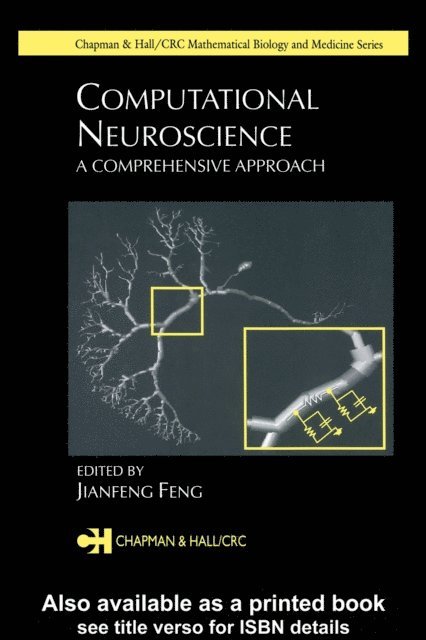
Computational Neuroscience
A Comprehensive Approach
E-bok, 2003
3531 kr
Lägg i varukorg
How does the brain work? After a century of research, we still lack a coherent view of how neurons process signals and control our activities. But as the field of computational neuroscience continues to evolve, we find that it provides a theoretical foundation and a set of technological approaches …
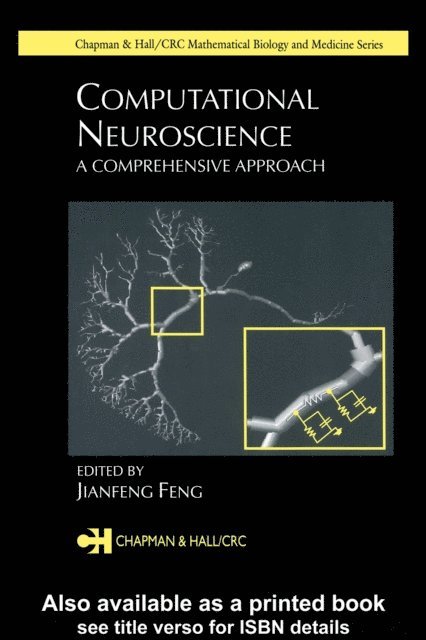
Computational Neuroscience
A Comprehensive Approach
E-bok, 2003
3531 kr
Lägg i varukorg
How does the brain work? After a century of research, we still lack a coherent view of how neurons process signals and control our activities. But as the field of computational neuroscience continues to evolve, we find that it provides a theoretical foundation and a set of technological approaches …
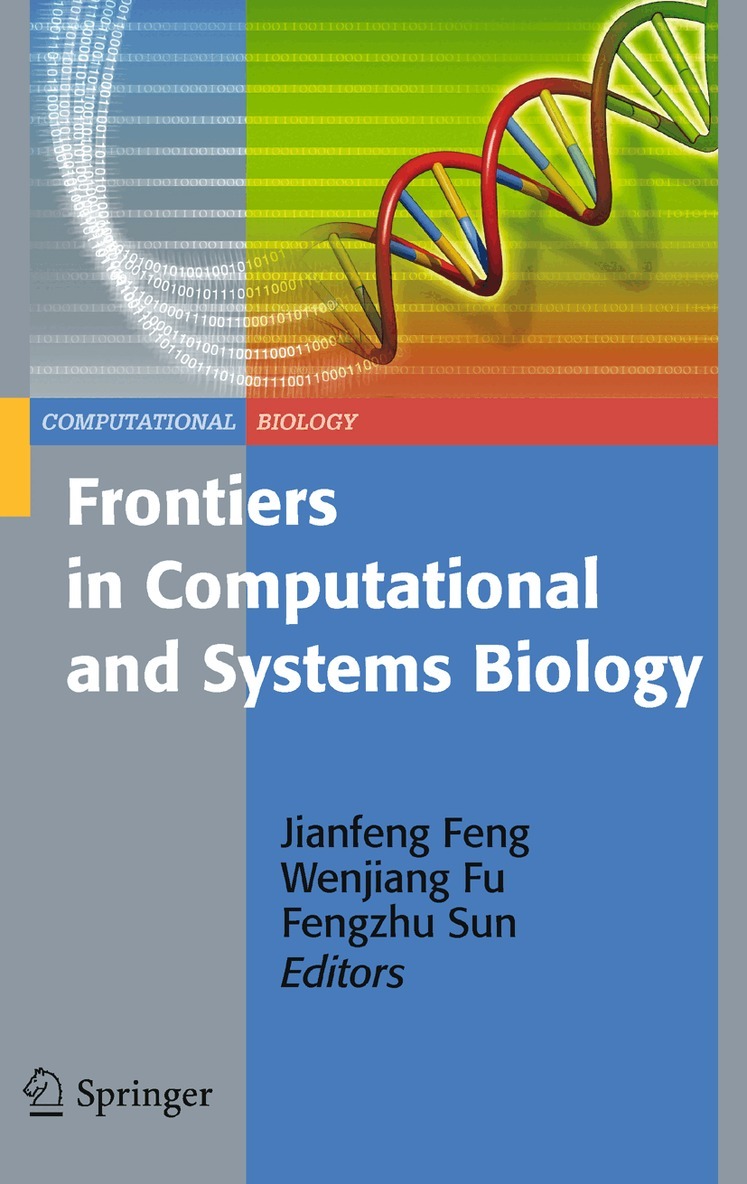
Frontiers in Computational and Systems Biology
Av Jianfeng Feng, Wenjiang Fu m. fl.
Häftad, 2012
1641 kr
Lägg i varukorg
Biological and biomedical studies have entered a new era over the past two decades thanks to the wide use of mathematical models and computational approaches. A booming of computational biology, which sheerly was a theoretician’s fantasy twenty years ago, has become a reality. Obsession with …
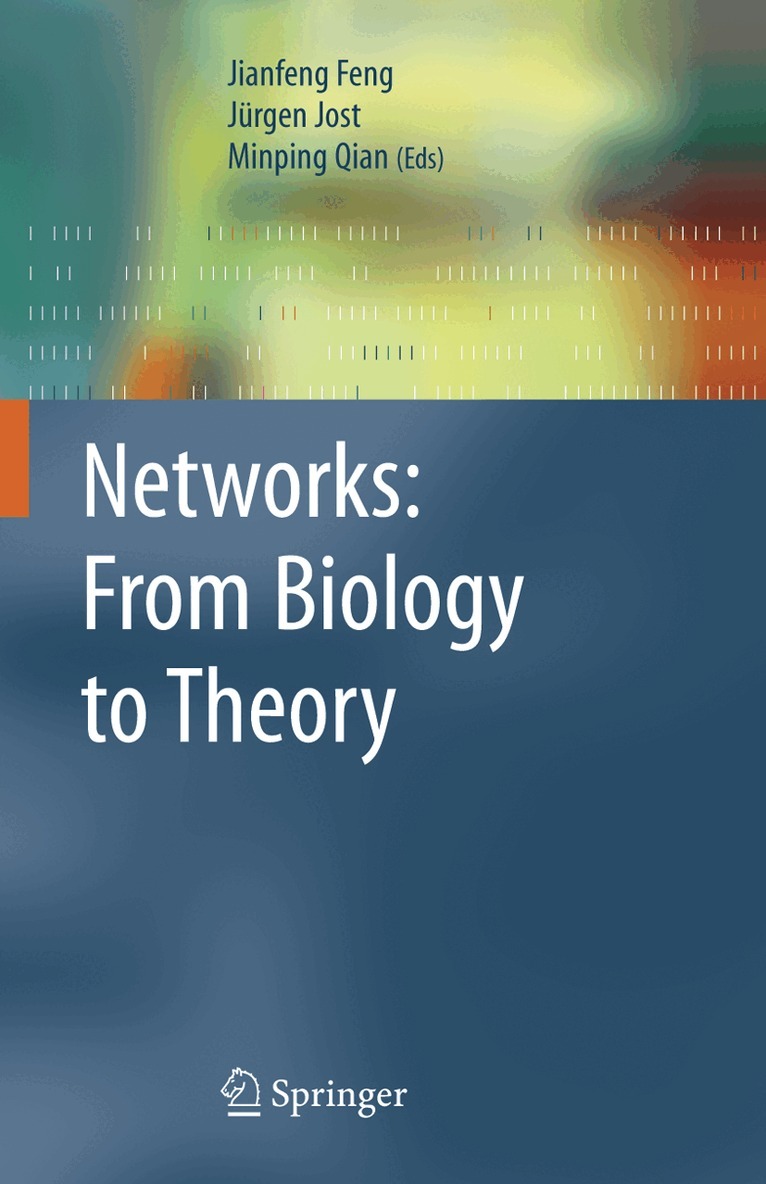
Networks: From Biology to Theory
Av Jianfeng Feng, Jürgen Jost m. fl.
Inbunden, 2007
1096 kr
Lägg i varukorg
After over a century of research, we still do not understand the principle by which a stimulus, such as an odour or a sound, is represented by distributed neural ensembles within the brain; by which an individual is developed by the control of gene networks. While past studies have made detailed …
Networks: From Biology to Theory
Av Minping Qian, Jurgen Jost m. fl.
E-bok, 2007
1459 kr
Lägg i varukorg
After over a century of research, we still do not understand the principle by which a stimulus, such as an odour or a sound, is represented by distributed neural ensembles within the brain; by which an individual is developed by the control of gene networks. While past studies have made detailed …
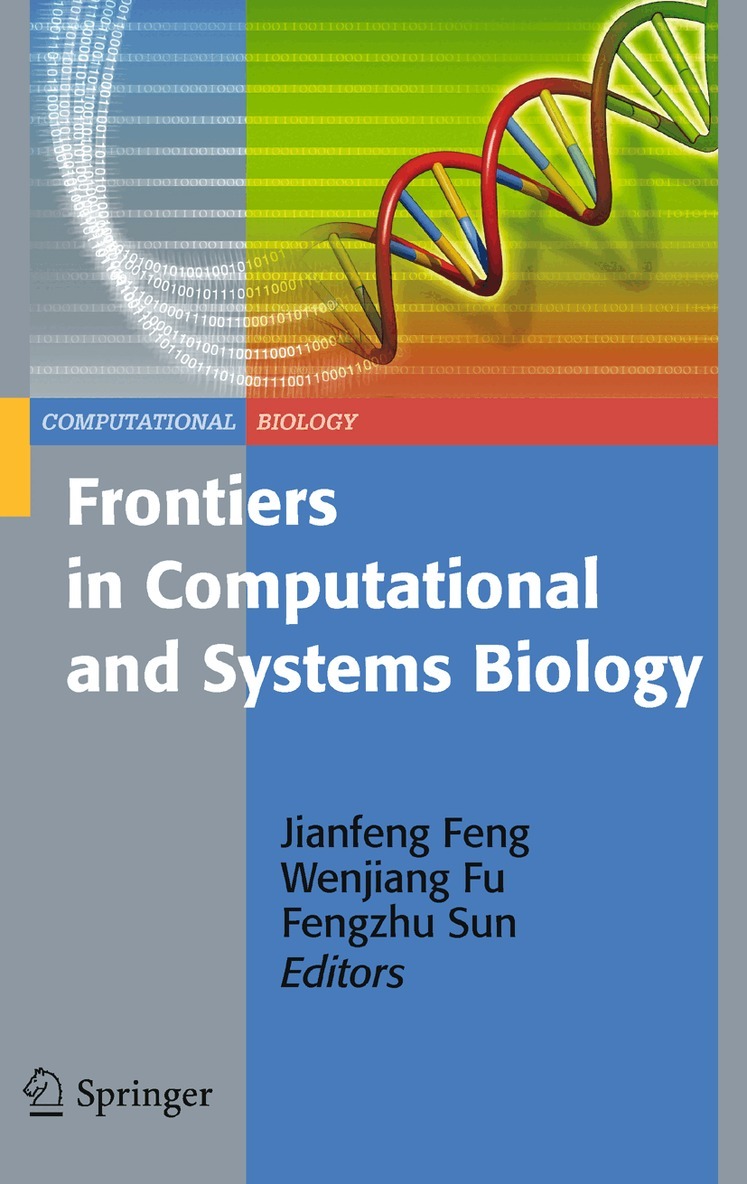
Frontiers in Computational and Systems Biology
Av Jianfeng Feng, Wenjiang Fu m. fl.
Inbunden, 2010
1641 kr
Lägg i varukorg
Biological and biomedical studies have entered a new era over the past two decades thanks to the wide use of mathematical models and computational approaches. A booming of computational biology, which sheerly was a theoretician’s fantasy twenty years ago, has become a reality. Obsession with …
Frontiers in Computational and Systems Biology
Av Fengzhu Sun, Wenjiang Fu m. fl.
E-bok, 2010
2111 kr
Lägg i varukorg
Biological and biomedical studies have entered a new era over the past two decades thanks to the wide use of mathematical models and computational approaches. A booming of computational biology, which sheerly was a theoretician’s fantasy twenty years ago, has become a reality. Obsession with …
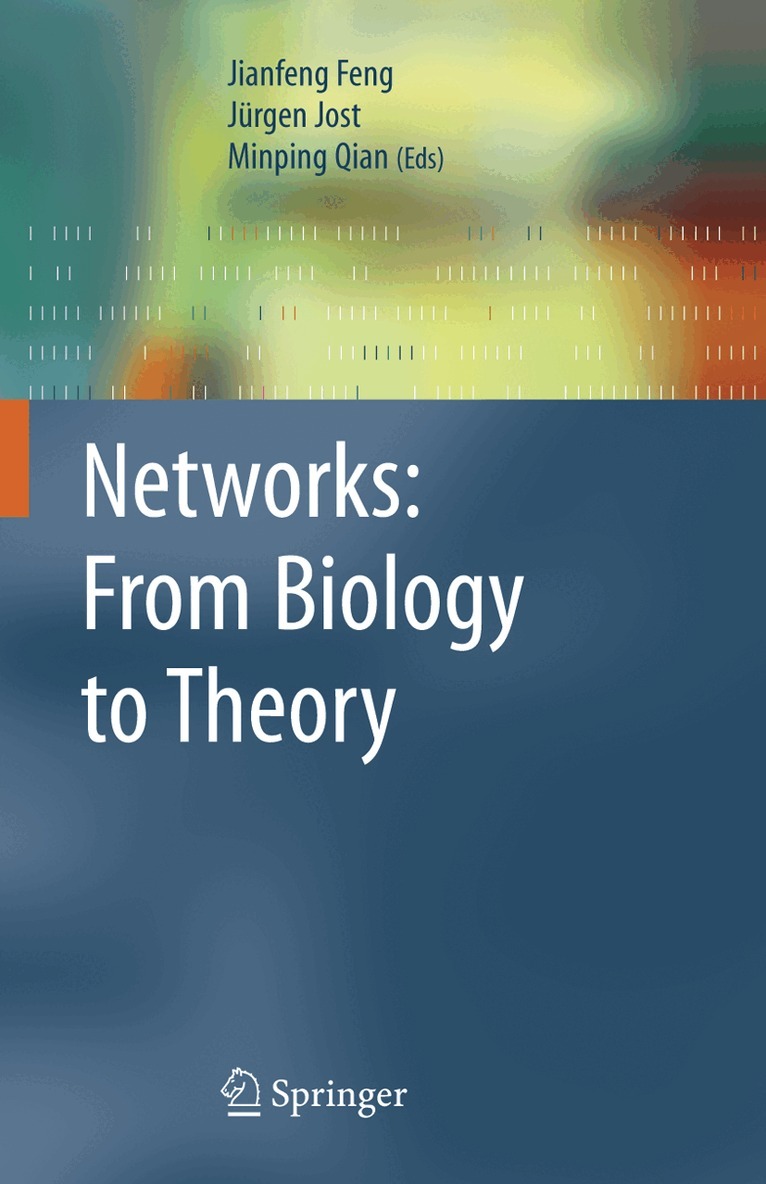
Networks: From Biology to Theory
Av Jianfeng Feng, Jürgen Jost m. fl.
Häftad, 2010
1096 kr
Lägg i varukorg
After over a century of research, we still do not understand the principle by which a stimulus, such as an odour or a sound, is represented by distributed neural ensembles within the brain; by which an individual is developed by the control of gene networks. While past studies have made detailed …
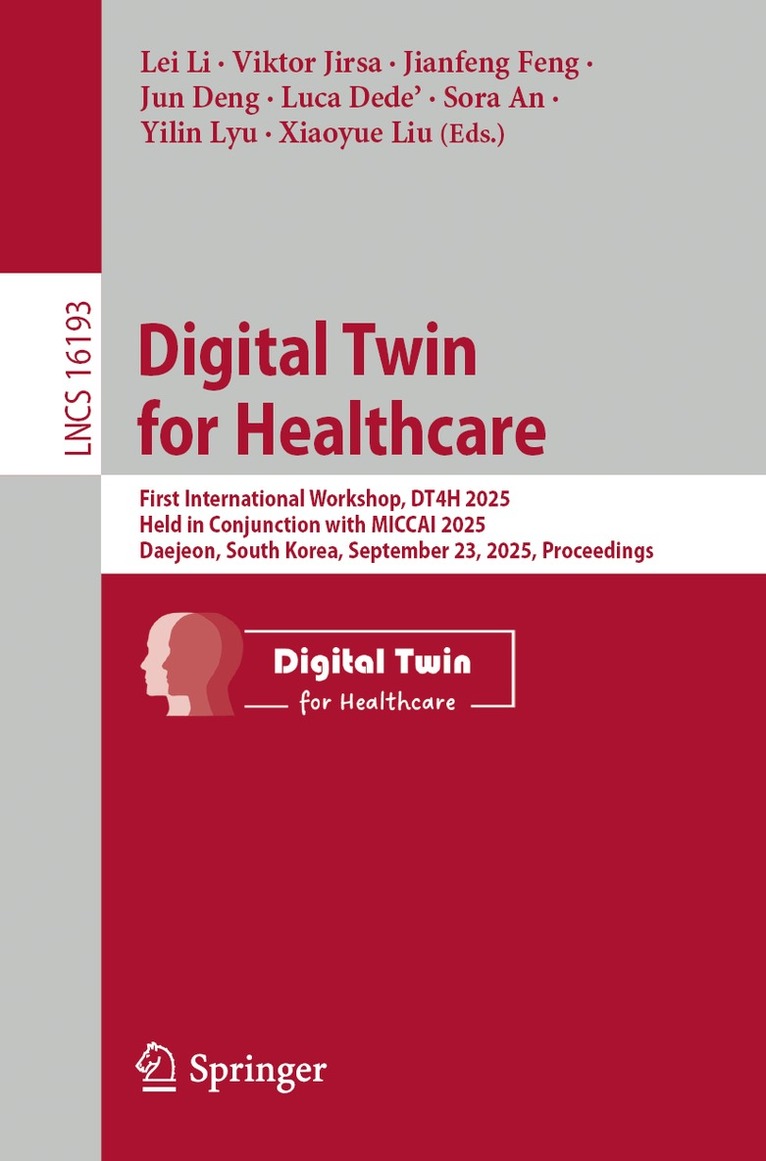
Digital Twin for Healthcare
First International Workshop, DT4H 2025, Held in Conjunction with MICCAI 2025, Daejeon, South Korea, September 23, 2025, Proceedings
Av Lei Li, Viktor Jirsa m. fl.
Häftad, 2025
1022 kr
Lägg i varukorg
This book, LNCS 16193, constitutes the proceedings of the First International Workshop on Digital Twin for Healthcare, DT4H 2025, held in conjunction with MICCAI 2025, in Daejeon, South Korea, during September 23, 2025.The 15 full papers included in the book were carefully reviewed and selected …
Digital Twin for Healthcare
First International Workshop, DT4H 2025, Held in Conjunction with MICCAI 2025, Daejeon, South Korea, September 23, 2025, Proceedings
Av Xiaoyue Liu, Yilin Lyu m. fl.
E-bok, 2025
957 kr
Lägg i varukorg
This book, LNCS 16193, constitutes the proceedings of the First International Workshop on Digital Twin for Healthcare, DT4H 2025, held in conjunction with MICCAI 2025, in Daejeon, South Korea, during September 23, 2025.The 15 full papers included in the book were carefully reviewed and selected …