
Jihan A. Youssef – författare
Visar alla böcker från författaren Jihan A. Youssef. Handla med fri frakt och snabb leverans.
4 produkter
4 produkter
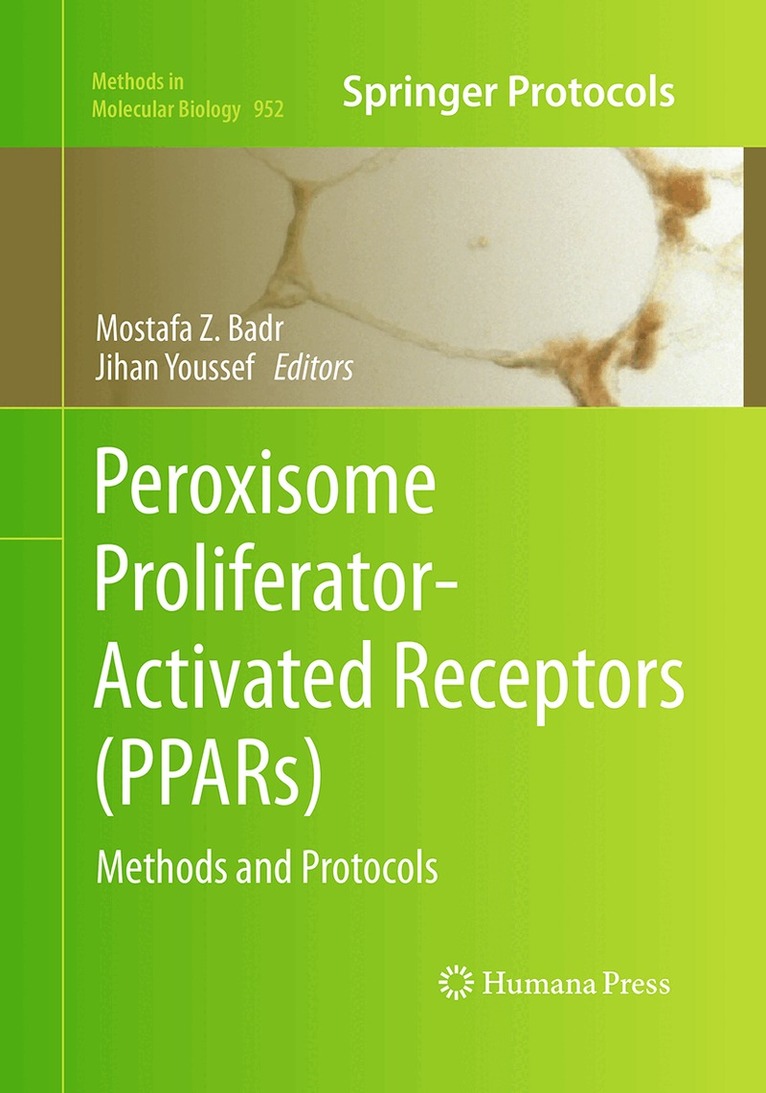
1 564 kr
Skickas inom 5-8 vardagar
All three peroxisome proliferator-activated receptor (PPAR) subtypes share a high degree of structural homology but differ in function, tissue distribution and ligand specificity.
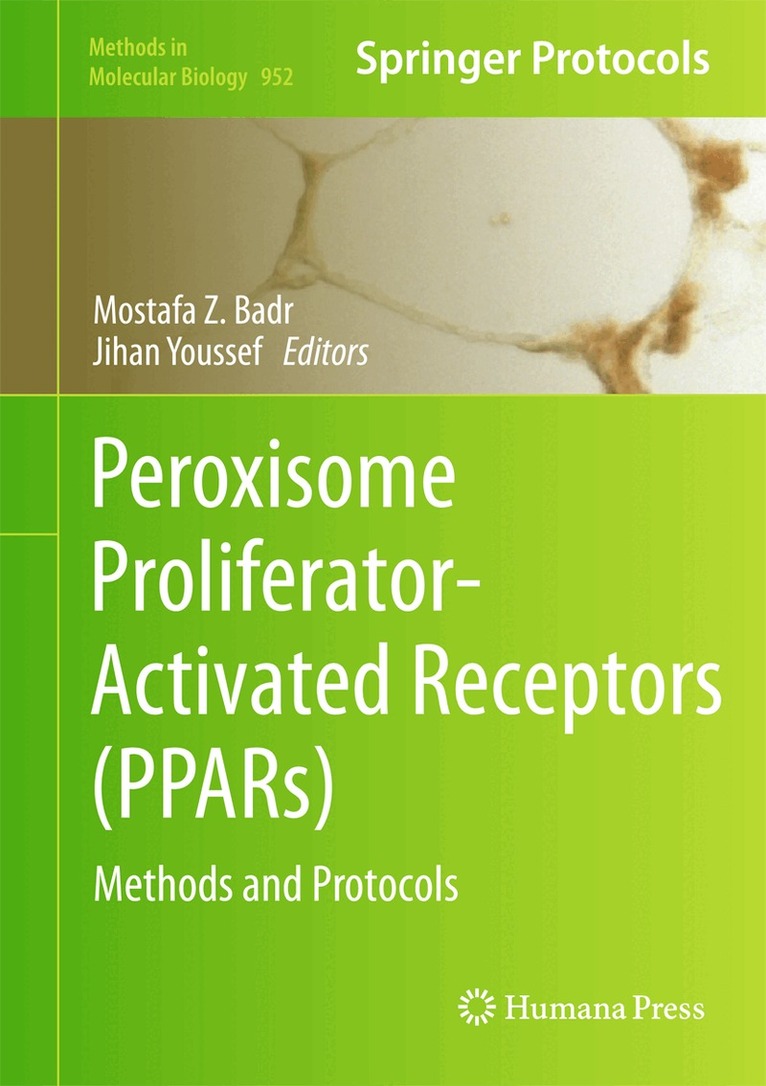
1 589 kr
Skickas inom 10-15 vardagar
All three peroxisome proliferator-activated receptor (PPAR) subtypes share a high degree of structural homology but differ in function, tissue distribution and ligand specificity. PPARs play critical roles as regulators of numerous physiological as well as pathophysiological pathways, and efforts are currently underway to fully characterize their functioning and to develop safer and more effective PPAR modulators to treat a myriad of diseases and conditions. In Peroxisome proliferator-Activated Receptors: Methods and Protocols, renowned experts in the PPAR arena provide detailed protocols for investigating these receptors. Chapters contain methods ranging from the cloning of receptors to their knockdown, to protocols exploring posttranslational modifications of PPARs and coactivators, as well as receptor subcellular localization. Also assembled are methods to evaluate the involvement of these receptors in behavior functions, an emerging facet in PPAR research. Written in the successful Methods in Molecular Biology™ series format, chapters include introductions to their respective topics, lists of the necessary materials and reagents, step-by-step, readily reproducible protocols, and notes on troubleshooting and avoiding known pitfalls. With its well-honed methodologies, Peroxisome proliferator-Activated Receptors: Methods and Protocols, will be a useful resource for all seeking to advance their knowledge of this field.
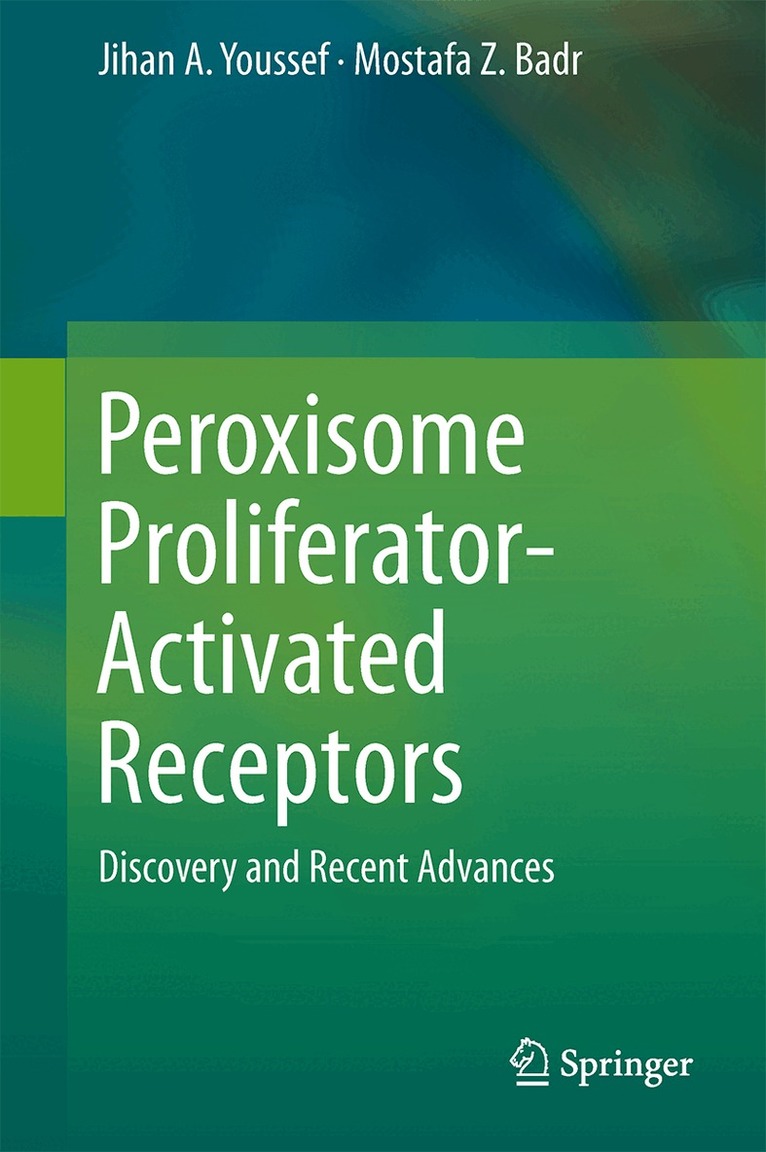
1 589 kr
Skickas inom 10-15 vardagar
All three peroxisome proliferator-activated receptor (PPAR) subtypes share a high degree of structural homology while exhibiting differences in function, tissue distribution, and ligand specificity. In Peroxisome Proliferator-Activated Receptors: Discovery and Recent Advances, the authors trace the history of PPAR discovery and detail the receptor structure and its posttranslational modifications. Furthermore, endogenous ligands as well as various classes of exogenous ligands, subtype-selective, dual and pan agonists as well as antagonists, are discussed. In addition, the tissue distribution and versatile functions of PPAR subtypes in major organs are described. As PPARs play critical roles as regulators of numerous physiological as well as pathophysiological pathways, Peroxisome Proliferator-Activated Receptors: Discovery and Recent Advances aims to help researchers to develop safer and more effective PPAR modulators as therapeutic agents to treat a myriad of diseases and conditions.
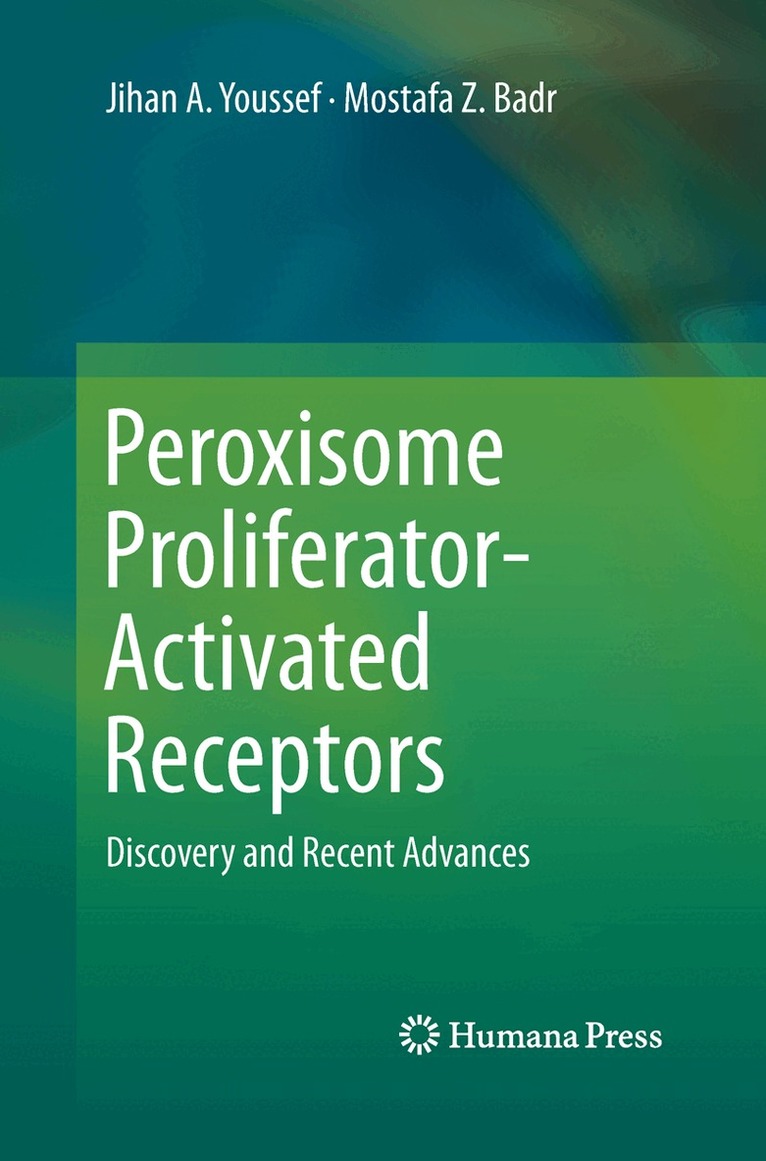
1 167 kr
Skickas inom 10-15 vardagar
All three peroxisome proliferator-activated receptor (PPAR) subtypes share a high degree of structural homology while exhibiting differences in function, tissue distribution, and ligand specificity.