460 kr
Läs direkt efter köp
460 kr
Läs direkt efter köp
606 kr
Skickas inom 5-8 vardagar
1 071 kr
Skickas inom 5-8 vardagar
433 kr
Läs direkt efter köp
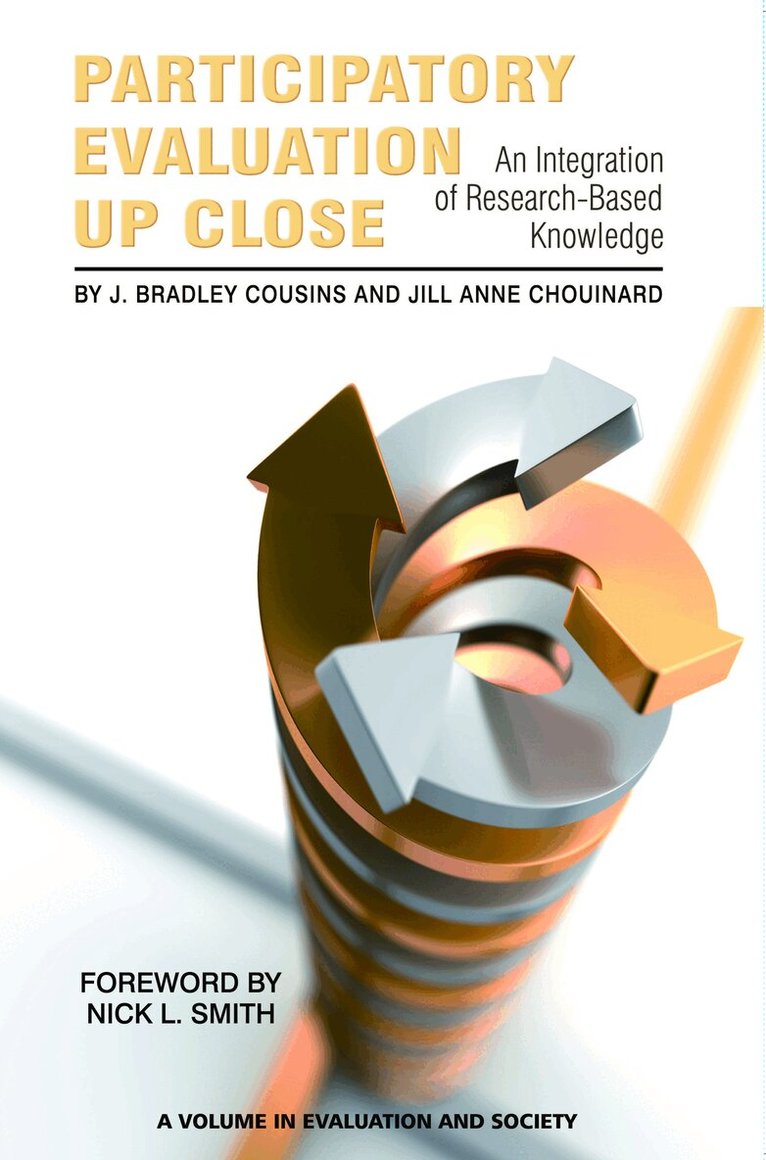
Empiricism provides the backbone of knowledge creation within social science disciplines (e.g., psychology, sociology) and applied domains of study (e.g., education, administration) alike. Yet, relative to such domains of inquiry, comparatively little empirical research on evaluation has occurred, and the research knowledge base been infrequently synthesized and integrated to influence theory and practice. The proposed book aims to fill this void with regard to participatory evaluation, a set of collaborative approaches to evaluation that is receiving considerable attention of late, including a growing body of empirical studies.
The authors begin in Part 1 with the delineation of a widely known and familiar conceptual framework for participatory evaluation. They then use the framework in Part 2 as a guide to conducting an extensive review of the extant empirical knowledge base in participatory evaluation, culminating in a thematic analysis of what we know about the approach. In Part 3 the authors focus on methodological considerations of doing research on participatory evaluation through a critique of existing studies and an explication of design choices drawn from their own research program. The book concludes in Part 4 with implications for moving the field forward in terms of important research questions, methodological direction and evaluation practice.
This book will be of central interest to evaluation theorists and to those who choose to conduct research on evaluation; appeal will be conceptual and methodological. It will provide excellent supplementary reading for graduate students, many of whom seek to develop empirical studies on evaluation as part of their graduate programs. Rife with examples of participatory evaluation in practice, and practical implications, the book will also benefit evaluation practitioners with an interest in evaluation capacity building and participatory and collaborative approaches to practice.
539 kr
Skickas inom 5-8 vardagar
986 kr
Skickas inom 5-8 vardagar
384 kr
Läs direkt efter köp
575 kr
Läs direkt efter köp
647 kr
Läs direkt efter köp
666 kr
Läs direkt efter köp
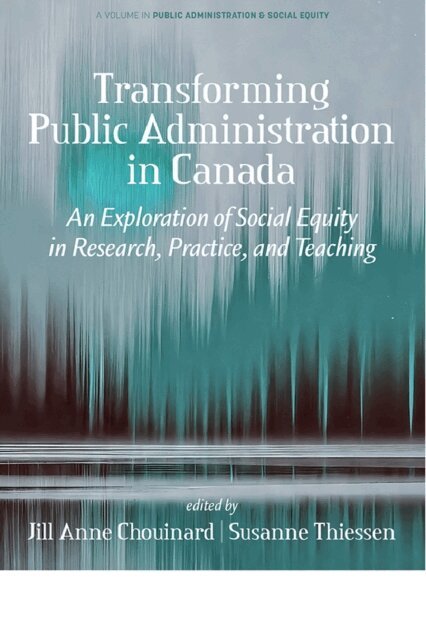
This book explores the intersection of social equity-related issues with concerns within the field of public administration in Canada. Shifts in public sector governance, populist discourse and political extremism, democratic instability, and super-wicked challenges such as climate change and environmental disasters, demographic transformations (aging society along with increased migration), financial crises, terrorism, housing crises, religious conflicts and racial inequities, dominate the landscape. This book challenges scholars from schools of public administration to use a social equity lens to reimagine and rethink the ways in which public administration is currently practiced, with the goal of abandoning colonial logics that betray social equity. The chapters in this volume include contributions from a diversity of authors, each contributing their unique perspectives on social equity as they relate broadly to their areas of expertise. The authors share a common interest in critically exploring how social equity intersects with their areas of public administration research or practice including concerns with environmental justice, Indigenous rights, education and decolonization.This book is intended for three audiences: (1) scholars who are also involved in teaching public administration; (2) students of public administration who want to learn more about what they are learning, and why social equity matters to their field of study; and (3) public administrators who are managing public institutions and who may also be involved in training public administrators.
623 kr
Skickas inom 5-8 vardagar
1 102 kr
Skickas inom 5-8 vardagar
666 kr
Läs direkt efter köp
This book explores the intersection of social equity-related issues with concerns within the field of public administration in Canada. Shifts in public sector governance, populist discourse and political extremism, democratic instability, and super-wicked challenges such as climate change and environmental disasters, demographic transformations (aging society along with increased migration), financial crises, terrorism, housing crises, religious conflicts and racial inequities, dominate the landscape. This book challenges scholars from schools of public administration to use a social equity lens to reimagine and rethink the ways in which public administration is currently practiced, with the goal of abandoning colonial logics that betray social equity. The chapters in this volume include contributions from a diversity of authors, each contributing their unique perspectives on social equity as they relate broadly to their areas of expertise. The authors share a common interest in critically exploring how social equity intersects with their areas of public administration research or practice including concerns with environmental justice, Indigenous rights, education and decolonization.This book is intended for three audiences: (1) scholars who are also involved in teaching public administration; (2) students of public administration who want to learn more about what they are learning, and why social equity matters to their field of study; and (3) public administrators who are managing public institutions and who may also be involved in training public administrators.