770 kr
Skickas inom 10-15 vardagar
770 kr
Skickas inom 10-15 vardagar
2 868 kr
Skickas inom 10-15 vardagar
770 kr
Skickas inom 10-15 vardagar
339 kr
Läs direkt efter köp
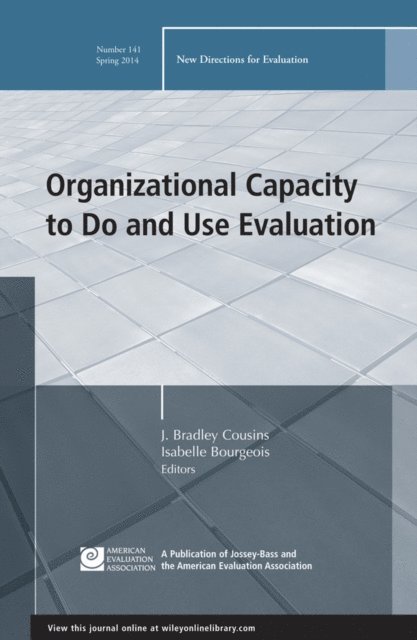
Gain a greater understanding of organizational capacity to do and use evaluation and implications for evaluation capacity building (ECB). This volume is unique in that it represents a multiple case study of eight organizations that were committed to ECB. It:
Situates the study in terms of ECB theory and research Delineates a conceptual framework Presents case profile reports and the results of a cross-case analysis. Discusses findings in terms of implications for research, theory, and practice.This is the 141st issue in the New Directions for Evaluation series from Jossey-Bass. It is an official publication of the American Evaluation Association.
338 kr
Läs direkt efter köp
Gain a greater understanding of organizational capacity to do and use evaluation and implications for evaluation capacity building (ECB). This volume is unique in that it represents a multiple case study of eight organizations that were committed to ECB. It:
Situates the study in terms of ECB theory and research Delineates a conceptual framework Presents case profile reports and the results of a cross-case analysis. Discusses findings in terms of implications for research, theory, and practice.This is the 141st issue in the New Directions for Evaluation series from Jossey-Bass. It is an official publication of the American Evaluation Association.
913 kr
Läs direkt efter köp
913 kr
Läs direkt efter köp
913 kr
Läs direkt efter köp
915 kr
Läs direkt efter köp
715 kr
Skickas inom 10-15 vardagar
2 946 kr
Skickas inom 3-6 vardagar
916 kr
Läs direkt efter köp
474 kr
Läs direkt efter köp
604 kr
Skickas inom 5-8 vardagar
1 069 kr
Skickas inom 5-8 vardagar
433 kr
Läs direkt efter köp
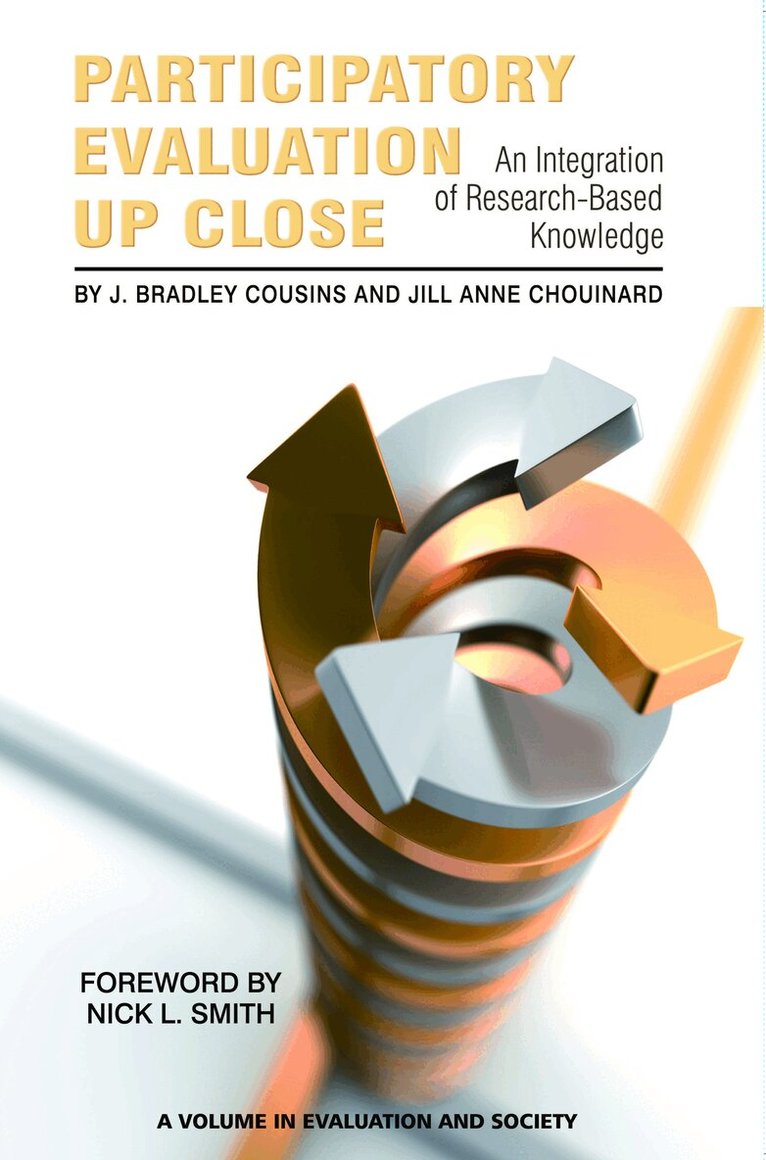
Empiricism provides the backbone of knowledge creation within social science disciplines (e.g., psychology, sociology) and applied domains of study (e.g., education, administration) alike. Yet, relative to such domains of inquiry, comparatively little empirical research on evaluation has occurred, and the research knowledge base been infrequently synthesized and integrated to influence theory and practice. The proposed book aims to fill this void with regard to participatory evaluation, a set of collaborative approaches to evaluation that is receiving considerable attention of late, including a growing body of empirical studies.
The authors begin in Part 1 with the delineation of a widely known and familiar conceptual framework for participatory evaluation. They then use the framework in Part 2 as a guide to conducting an extensive review of the extant empirical knowledge base in participatory evaluation, culminating in a thematic analysis of what we know about the approach. In Part 3 the authors focus on methodological considerations of doing research on participatory evaluation through a critique of existing studies and an explication of design choices drawn from their own research program. The book concludes in Part 4 with implications for moving the field forward in terms of important research questions, methodological direction and evaluation practice.
This book will be of central interest to evaluation theorists and to those who choose to conduct research on evaluation; appeal will be conceptual and methodological. It will provide excellent supplementary reading for graduate students, many of whom seek to develop empirical studies on evaluation as part of their graduate programs. Rife with examples of participatory evaluation in practice, and practical implications, the book will also benefit evaluation practitioners with an interest in evaluation capacity building and participatory and collaborative approaches to practice.
647 kr
Läs direkt efter köp