Jill M. Harper – författare
Visar alla böcker från författaren Jill M. Harper. Handla med fri frakt och snabb leverans.
4 produkter
Functional Analysis
A Practitioner's Guide to Implementation and Training
Av James T. Chok, Jill M. Harper m. fl.
Häftad, 2019
793 kr
Lägg i varukorg
Functional Analysis: A Practitioner's Guide to Implementation and Training provides practitioners with the most updated information about�applying the�wide span of current functional analysis (FA) methodologies geared specifically to applied service settings. The book serves as a self-instructional …
Functional Analysis
A Practitioner''s Guide to Implementation and Training
Av James K. Luiselli, Frank L. Bird m. fl.
E-bok, 2019
1104 kr
Lägg i varukorg
Functional Analysis: A Practitioner''s Guide to Implementation and Training provides practitioners with the most updated information about applying the wide span of current functional analysis (FA) methodologies geared specifically to applied service settings. The book serves as a …
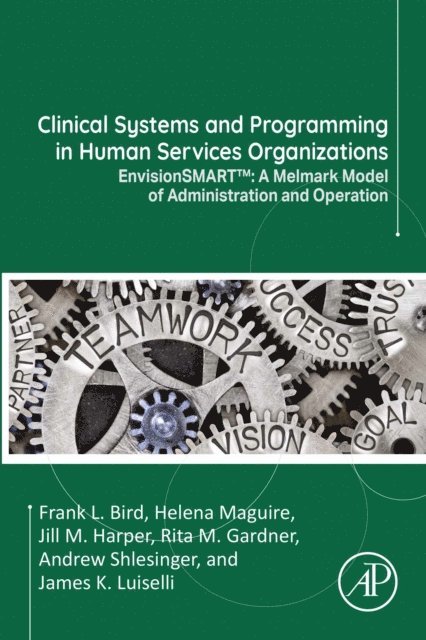
Clinical Systems and Programming in Human Services Organizations
EnvisionSMARTT: A Melmark Model of Administration and Operation
Av Frank L. Bird, Helena Maguire m. fl.
Häftad, 2023
1527 kr
Lägg i varukorg
Clinical Systems and Programming in Human Services Organizations: EnvisionSMARTT: A Melmark Model of Administration and Operation provides a step-by-step plan for creating clinical programs within HSOs using Functional Behavioral Assessment (FBA) and Functional Analysis (FA) Systems. This includes …
Clinical Systems and Programming in Human Services Organizations
EnvisionSMART™: A Melmark Model of Administration and Operation
Av James K. Luiselli, Andrew Shlesinger m. fl.
E-bok, 2023
2049 kr
Lägg i varukorg
Clinical Systems and Programming in Human Services Organizations: EnvisionSMART™: A Melmark Model of Administration and Operation provides a step-by-step plan for creating clinical programs within HSOs using Functional Behavioral Assessment (FBA) and Functional Analysis (FA) Systems. This includes …