Jim Silver – författare
Visar alla böcker från författaren Jim Silver. Handla med fri frakt och snabb leverans.
14 produkter
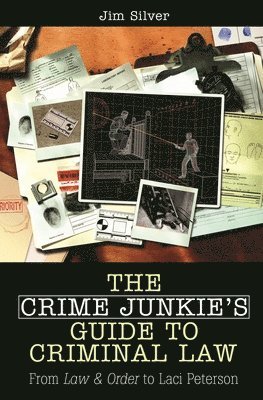
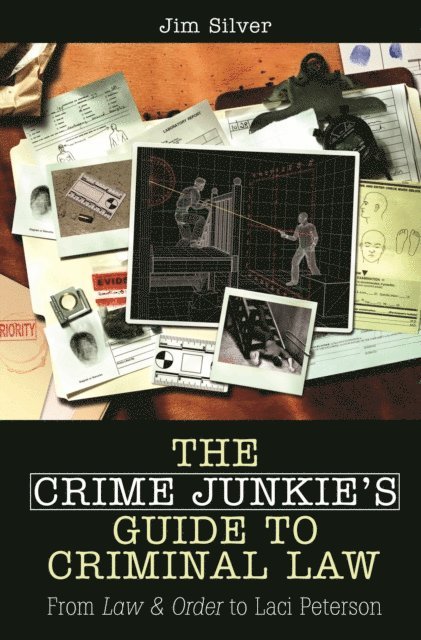
Crime Junkie's Guide to Criminal Law
From Law & Order to Laci Peterson
Av Jim Silver
Inbunden, 2007
590 kr
Lägg i varukorg
Historically, prime-time television has devoted at least one-third of its programming to crime. The extreme popularity of crime shows continues unabated. From Law & Order to CSI, Americans are riveted by crime TV. Court TV and other cable channels produce true crime series, too, that take viewers …
Solutions That Work
Fighting Poverty in Winnipeg
Av Jim Silver
Häftad, 1999
312 kr
Lägg i varukorg
The explosive and dramatic growth of poverty in Winnipeg, and strategies for combating poverty, are the subject of this collection. Some of the chapters discuss the severity and the consequences of poverty; others describe policy solutions, with a particular emphasis on community-based solutions. …
In Their Own Voices
Building Urban Aboriginal Communities
Av Jim Silver
Häftad, 2006
239 kr
Lägg i varukorg
In Their Own Voices is an examination of the urban Aboriginal experience, based on the voices of Aboriginal people. It is set in Winnipeg’s inner city, but has implications for urban Aboriginal people across Canada. While not glossing over the problems that confront urban Aboriginal people, the …
Good Places to Live
Poverty and Public Housing in Canada
Av Jim Silver
Häftad, 2011
239 kr
Lägg i varukorg
Public housing projects are stigmatized and stereotyped as bad places to live, as havens of poverty, illegal activity and violence. In many cities they are being bulldozed, ostensibly for these reasons but also because the land on which they are located has become so valuable. In Good Places to …
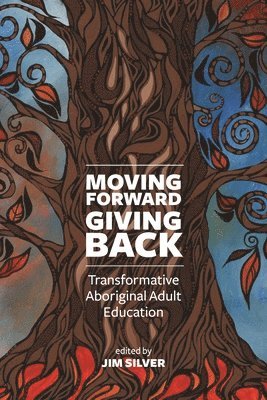
Moving Forward, Giving Back
Transformative Aboriginal Adult Education
Av Jim Silver
Häftad, 2013
239 kr
Lägg i varukorg
Aboriginal people who choose to improve their education as adults often face many challenges, most of which arise from the ongoing impact of colonialism and of racialized poverty. Yet in Winnipeg’s low-income inner city, a variety of innovative and effective Aboriginal adult education initiatives …
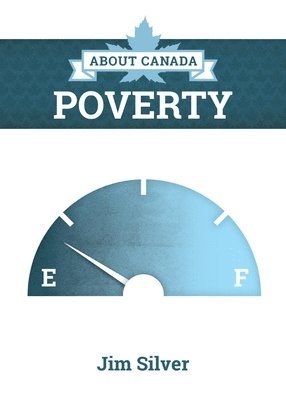
About Canada: Poverty
Av Jim Silver
Häftad, 2014
210 kr
Lägg i varukorg
For a country as wealthy as Canada, poverty is utterly unnecessary. In About Canada: Poverty, Jim Silver illustrates that poverty is about more than a shortage of money: it is complex and multifaceted and can profoundly damage the human spirit. At the centre of this analysis are Canada’s neoliberal …
Crime Junkie's Guide to Criminal Law
From Law & Order to Laci Peterson
Av Jim Silver
E-bok, 2007
745 kr
Lägg i varukorg
Historically, prime-time television has devoted at least one-third of its programming to crime. The extreme popularity of crime shows continues unabated. From Law & Order to CSI , Americans are riveted by crime TV. Court TV and other cable channels produce true crime series, too, that take viewers …
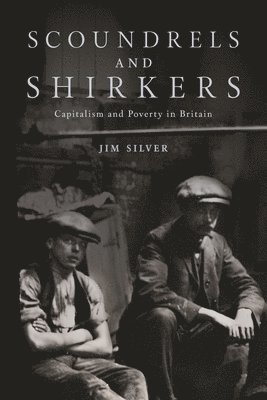
Scoundrels and Shirkers
Capitalism and Poverty in Britain
Av Jim Silver
Häftad, 2023
306 kr
Lägg i varukorg
Scoundrels and Shirkers examines the deep relationship between capitalism and poverty in England since the 12th century. It exposes the dynamics of capitalism, from its origins in the long transition from feudalism to its current crisis under neoliberal capitalism, in producing poverty.The book, …
Transformative Power of Adult Education
Av Jim Silver
Häftad, 2026
204 kr
Kommande
Adult basic education transforms lives of pain and despair into lives of hope and pride. For people who are broken, defeated, and down on themselves, finishing a high school education can get them off social assistance and into work that pays a living wage. The benefits far outweigh the costs of …
Thin Ice
Money, Politics and the Demise of an NHL Franchise
Av Jim Silver
Häftad, 1995
305 kr
Lägg i varukorg
Thousands of Winnipegers rallied on the streets while corporate businessmen fought each other behind closed doors. Information was manipulated. Arms were twisted. Politicians capitulated. Adults wept on open-line radio shows. Children broke open their piggy banks. This was the campaign to keep the …
Doing Community Economic Development
Av John Loxley, Jim Silver m. fl.
Häftad, 2007
376 kr
Tillfälligt slut
Challenging traditional notions of development, these essays critically examine bottom-up, community economic development strategies in a wide variety of contexts: as a means of improving lives in northern, rural and inner-city settings; shaped and driven by women and by Aboriginal people; aimed at …
Indians Wear Red
Colonialism, Resistance, and Aboriginal Street Gangs
Av Elizabeth Comack, Lawrence Deane m. fl.
Häftad, 2013
246 kr
Tillfälligt slut
With the advent of Aboriginal street gangs such as Indian Posse, Manitoba Warriors, and Native Syndicate, Winnipeg garnered a reputation as the “gang capital of Canada.” Yet beyond the stereotypes of outsiders, little is known about these street gangs and the factors and conditions that have …
Poor Housing
A Silent Crisis
Häftad, 2015
239 kr
Tillfälligt slut
Across Canada, there is a severe shortage of decent quality housing that is affordable to those with low incomes, and much of the housing that is available is inadequate, even appalling. The poor condition of housing for those below the poverty line adds to the weight of the complex poverty they …
Solving Poverty
Innovative Strategies from Winnipeg's Inner City
Av Jim Silver
Häftad, 2016
275 kr
Tillfälligt slut
Poverty in Canada’s inner cities is deep, complex, racialized and often intergenerational. In this collection of essays published over the past decade, Jim Silver argues that urban poverty today includes not only low incomes, but in all too many cases also poor housing, poor health, low educational …