João Pedro Cachopo – författare
Visar alla böcker från författaren João Pedro Cachopo. Handla med fri frakt och snabb leverans.
7 produkter
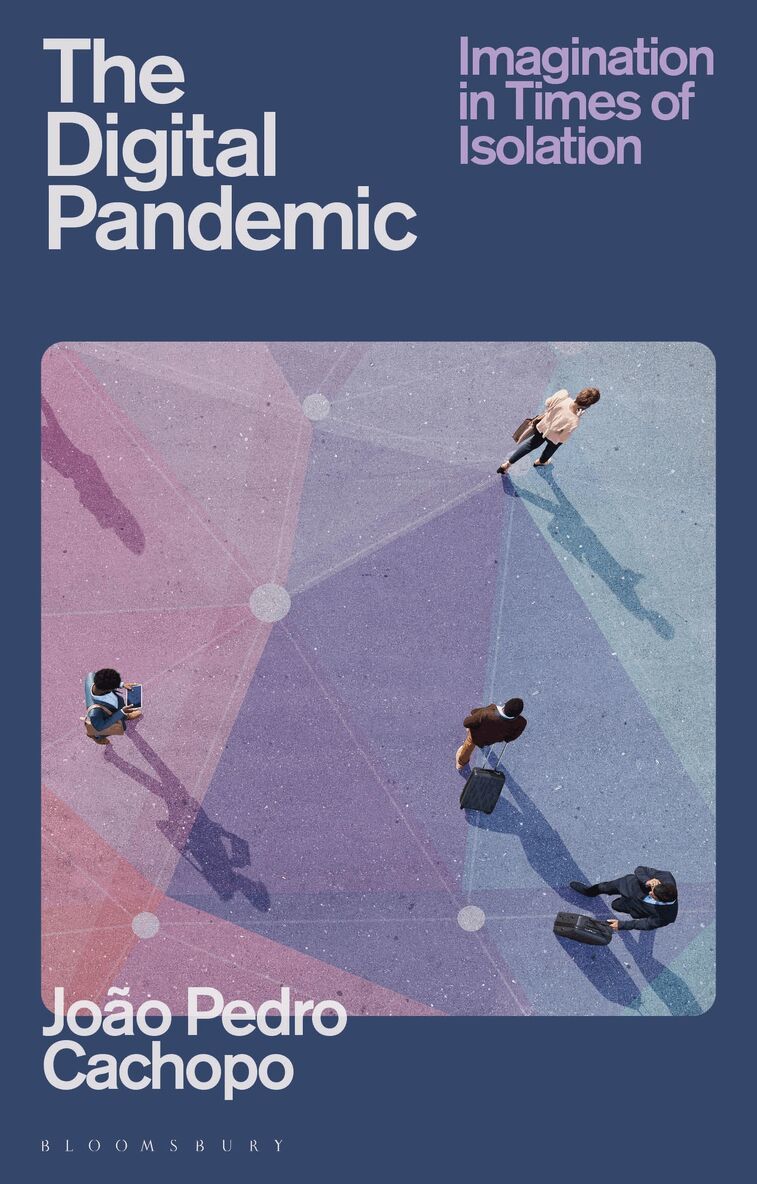
Digital Pandemic
Imagination in Times of Isolation
Inbunden, 2022
782 kr
Lägg i varukorg
A refreshing approach to the dominance of technology in our contemporary lives, The Digital Pandemic, translated from Portuguese, poses fundamental questions about love, fear, connectedness, proximity, imagination and consciousness.Arguing that the pandemic has ushered in a civilizational digital …
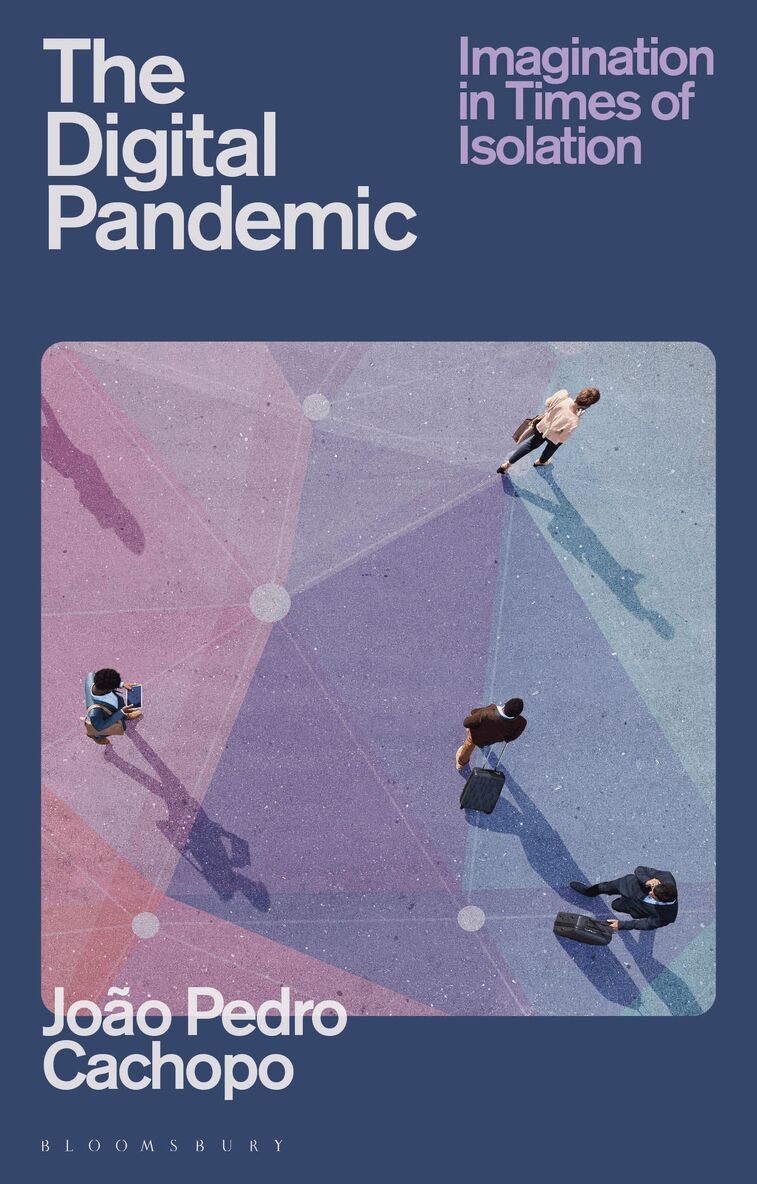
Digital Pandemic
Imagination in Times of Isolation
Häftad, 2022
246 kr
Lägg i varukorg
A refreshing approach to the dominance of technology in our contemporary lives, The Digital Pandemic, translated from Portuguese, poses fundamental questions about love, fear, connectedness, proximity, imagination and consciousness.Arguing that the pandemic has ushered in a civilizational digital …
Digital Pandemic
Imagination in Times of Isolation
E-bok, 2022
265 kr
Lägg i varukorg
A refreshing approach to the dominance of technology in our contemporary lives, The Digital Pandemic , translated from Portuguese, poses fundamental questions about love, fear, connectedness, proximity, imagination and consciousness. Arguing that the pandemic has ushered in a civilizational digital …
Digital Pandemic
Imagination in Times of Isolation
E-bok, 2022
265 kr
Lägg i varukorg
A refreshing approach to the dominance of technology in our contemporary lives, The Digital Pandemic , translated from Portuguese, poses fundamental questions about love, fear, connectedness, proximity, imagination and consciousness. Arguing that the pandemic has ushered in a civilizational digital …
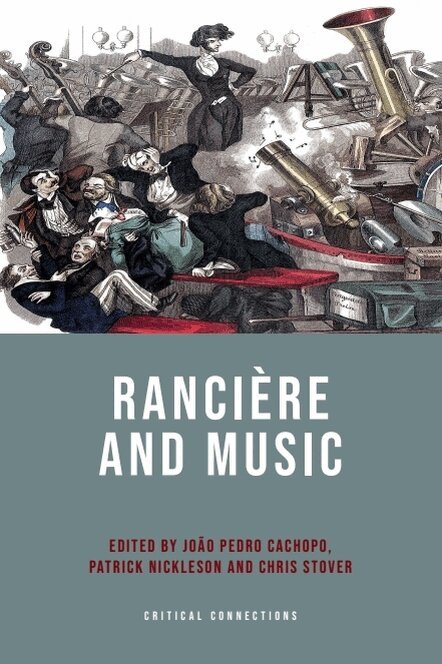
Rancière and Music
Av João Pedro Cachopo, Patrick Nickleson m. fl.
Inbunden, 2020
1397 kr
Lägg i varukorg
The place of music in Rancière’s thought has long been underestimated or unrecognised. This volume responds to this absence with a collection of 15 essays by scholars from a variety of music- and sound-related fields, including an Afterword by Rancière on the role of music in his thought and …
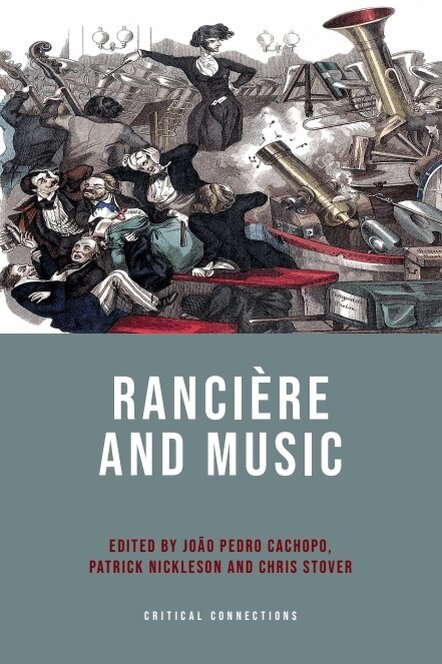
Rancière and Music
Av João Pedro Cachopo, Patrick Nickleson m. fl.
Häftad, 2022
619 kr
Lägg i varukorg
The place of music in Ranciere's thought has long been underestimated or unrecognised. Ranciere and Music responds to this absence with a collection of 15 essays by scholars from a variety of music- and sound-related fields including an original Afterword by Ranciere on the role of music in his …
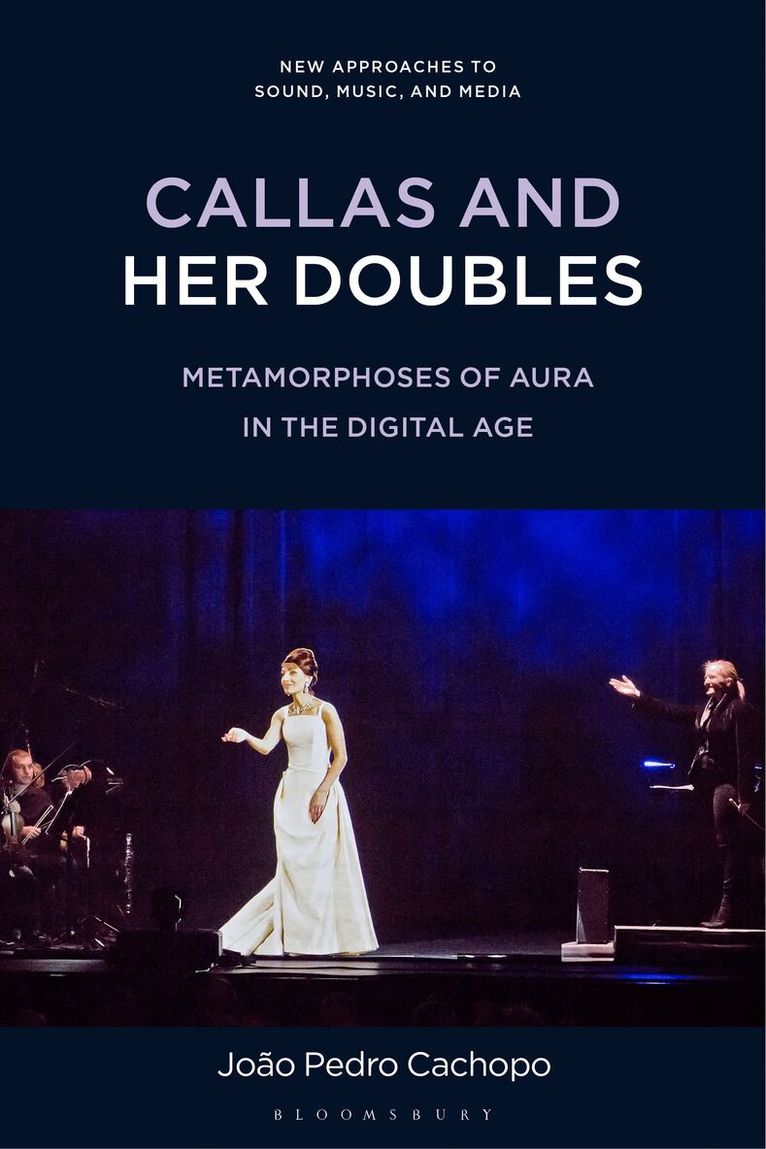
Callas and Her Doubles
Metamorphoses of Aura in the Digital Age
Av João Pedro Cachopo, Carol Vernallis m. fl.
Inbunden, 2027
1300 kr
Kommande
João Pedro Cachopo examines the intensification of the myth of Maria Callas in the 21st century, focusing on media-driven projects around the celebrated soprano that illustrate the coexistence of technological euphoria and cultural nostalgia in the digital age.Nearly 50 years after the death of …