Jochen Böhler - Böcker
Visar alla böcker från författaren Jochen Böhler. Handla med fri frakt och snabb leverans.
13 produkter
13 produkter
404 kr
Skickas inom 5-8 vardagar
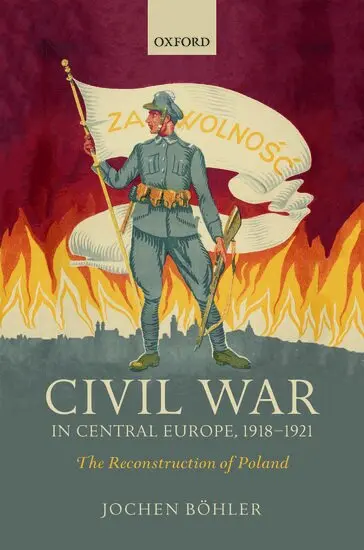
The First World War did not end in Central Europe in November 1918. The armistices marked the creation of the Second Polish Republic and the first shot of the Central European Civil War which raged from 1918 to 1921. The fallen German, Russian, and Austrian Empires left in their wake lands with peoples of mixed nationalities and ethnicities. These lands soon became battle grounds and the ethno-political violence that ensued forced those living within them to decide on their national identity. Civil War in Central Europe seeks to challenge previous notions that such conflicts which occurred between the First and Second World Wars were isolated incidents and argues that they should be considered as part of a European war; a war which transformed Poland into a nation.
1 899 kr
Skickas inom 5-8 vardagar
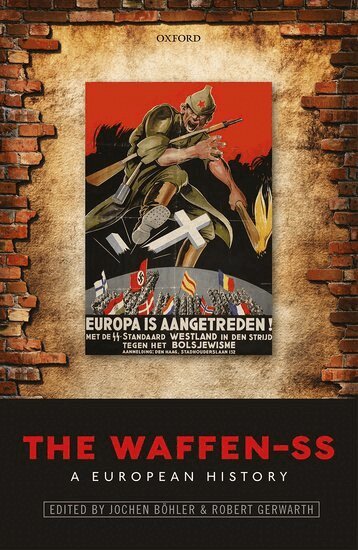
This is the first systematic pan-European study of the hundreds of thousands of non-Germans who fought -- either voluntarily or under different kinds of pressures -- for the Waffen-SS (or auxiliary police formations operating in the occupied East). Building on the findings of regional studies by other scholars -- many of them included in this volume -- The Waffen-SS aims to arrive at a fuller picture of those non-German citizens (from Eastern as well as Western Europe) who served under the SS flag. Where did the non-Germans in the SS come from (socially, geographically, and culturally)? What motivated them? What do we know about the practicalities of international collaboration in war and genocide, in terms of everyday life, language, and ideological training? Did a common transnational identity emerge as a result of shared ideological convictions or experiences of extreme violence? In order to address these questions (and others), The Waffen-SS adopts an approach that does justice to the complexity of the subject, adding a more nuanced, empirically sound understanding of collaboration in Europe during World War II, while also seeking to push the methodological boundaries of the historiographical genre of perpetrator studies by adopting a transnational approach.
694 kr
Skickas inom 7-10 vardagar
The First World War did not end in Central Europe in November 1918. The armistices marked the creation of the Second Polish Republic and the first shot of the Central European Civil War which raged from 1918 to 1921. The fallen German, Russian, and Austrian Empires left in their wake lands with peoples of mixed nationalities and ethnicities. These lands soon became battle grounds and the ethno-political violence that ensued forced those living within them to decide on their national identity. Civil War in Central Europe seeks to challenge previous notions that such conflicts which occurred between the First and Second World Wars were isolated incidents and argues that they should be considered as part of a European war; a war which transformed Poland into a nation.
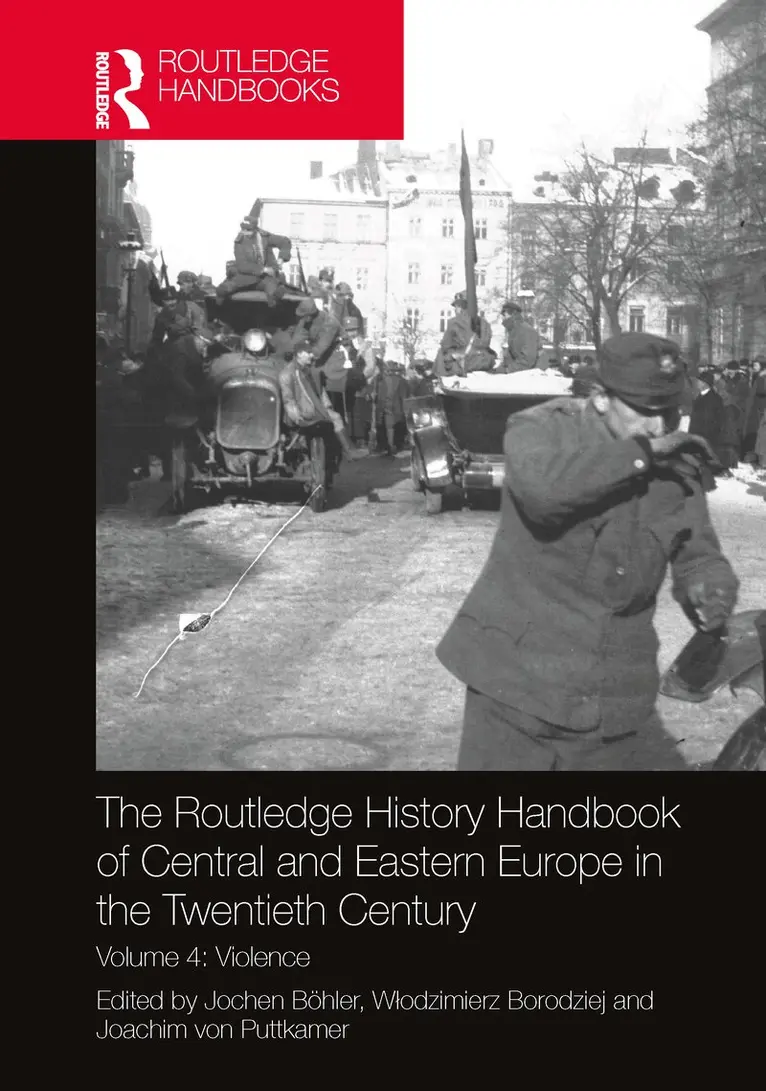
Routledge History Handbook of Central and Eastern Europe in the Twentieth Century
Volume 4: Violence
Häftad, Engelska, 2023
663 kr
Skickas inom 10-15 vardagar
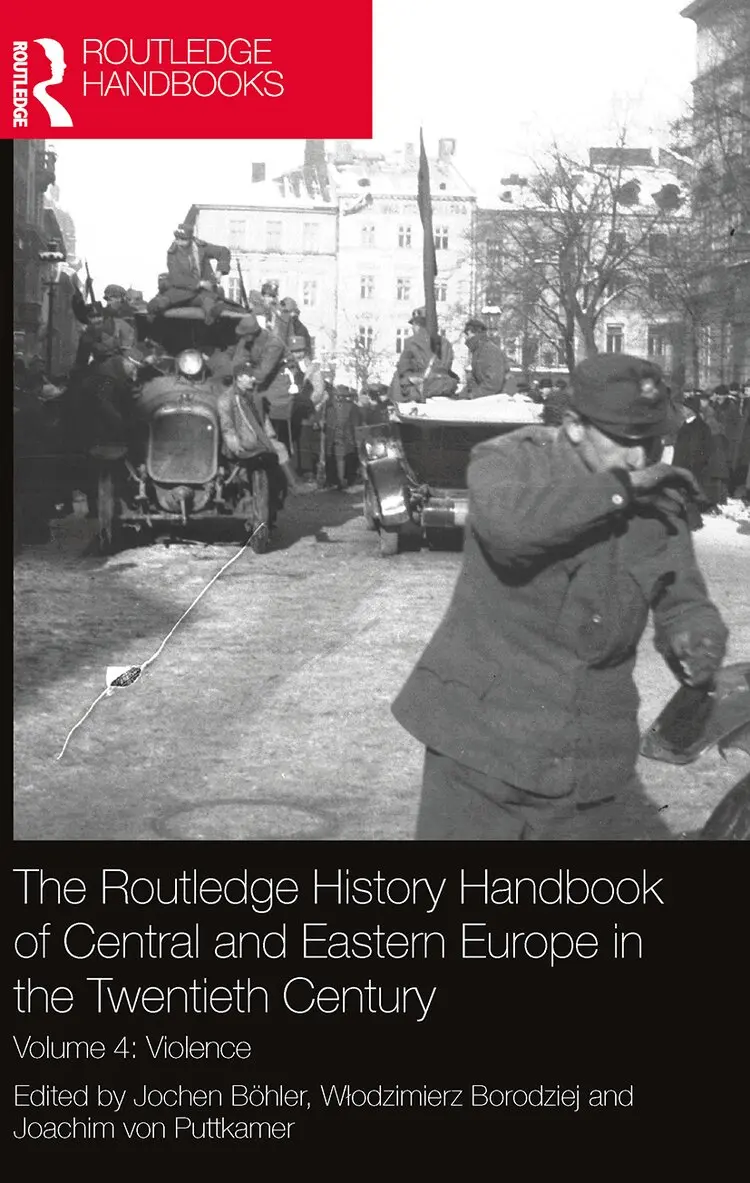
Violence analyzes both the violence exerted on the societies of Central and Eastern Europe during the twentieth century by belligerent powers and authoritarian and/or totalitarian regimes and armed conflicts between ethnic, social and national groups, as well as the interaction between these two phenomena.Throughout the twentieth century, Central and Eastern Europe was hit particularly hard by war, violence and repression, with armed conflicts in the Balkans at the start and end of the period and two world wars in between. In the shadow of these full-scale wars, ethnic, social and national conflicts were intensified, found new forms and were violently played out. The interwar period witnessed the emergence of authoritarian states who enforced their claim to power through continued violence against political opponents, stigmatized ethnic, national and social groups, and were themselves fought with subversive or terrorist techniques. This volume focuses specifically on physical violence: war and civil war, ethnic cleansing, systematic starvation policies, deportations and expulsions, forced labour and prison camps, persecution by state security – such as intensive surveillance, which had an enormous impact on the lives of those it affected – and other forms of government oppression and militant resistance. Geographically, it considers the western regions of Belarus and Ukraine as sites of extreme violence that had a noticeable impact on neighbouring Central and Eastern European countries as well.The concluding volume in a four-volume set on Central and Eastern Europe in the twentieth century, it is the go-to resource for those interested in violence in this complex region.
14 962 kr
Skickas inom 10-15 vardagar
This four-volume set of handbooks offers comprehensive survey of the history of a region that went from domination by various Empires before the First World War to membership of the EU in the late twentieth century.Challenges of Modernity offers a broad account of the social and economic history of Central and Eastern Europe in the twentieth century and asks critical questions about the structure and experience of modernity in different contexts and periods. Statehood examines the extending lines of development of nation-state systems in Eastern Europe, in particular considering why certain tendencies in state development found a different expression in this region compared to other parts of the continent. Intellectual Horizons offers a pioneering, transnational and comparative treatment of key thematic areas in the intellectual and cultural history of Central and Eastern Europe in the twentieth century. Violence analyses both the violence exerted on the societies of Central and Eastern Europe during the twentieth century by belligerent powers and authoritarian and/or totalitarian regimes and armed conflicts between ethnic, social and national groups, as well as the interaction between these two phenomena.Transnational and comparative in approach, key lines of development are synthesised leading to a complex understanding of the region. Written by a range of international contributors, many from the region itself, this is the go-to resource on Central, Eastern, and Southeastern Europe in the twentieth century.
3 074 kr
Skickas inom 10-15 vardagar
This four-volume set of handbooks offers comprehensive survey of the history of a region that went from domination by various Empires before the First World War to membership of the EU in the late twentieth century.Challenges of Modernity offers a broad account of the social and economic history of Central and Eastern Europe in the twentieth century and asks critical questions about the structure and experience of modernity in different contexts and periods. Statehood examines the extending lines of development of nation-state systems in Eastern Europe, in particular considering why certain tendencies in state development found a different expression in this region compared to other parts of the continent. Intellectual Horizons offers a pioneering, transnational and comparative treatment of key thematic areas in the intellectual and cultural history of Central and Eastern Europe in the twentieth century. Violence analyses both the violence exerted on the societies of Central and Eastern Europe during the twentieth century by belligerent powers and authoritarian and/or totalitarian regimes and armed conflicts between ethnic, social and national groups, as well as the interaction between these two phenomena.Transnational and comparative in approach, key lines of development are synthesised leading to a complex understanding of the region. Written by a range of international contributors, many from the region itself, this is the go-to resource on Central, Eastern, and Southeastern Europe in the twentieth century.
447 kr
Skickas inom 10-15 vardagar
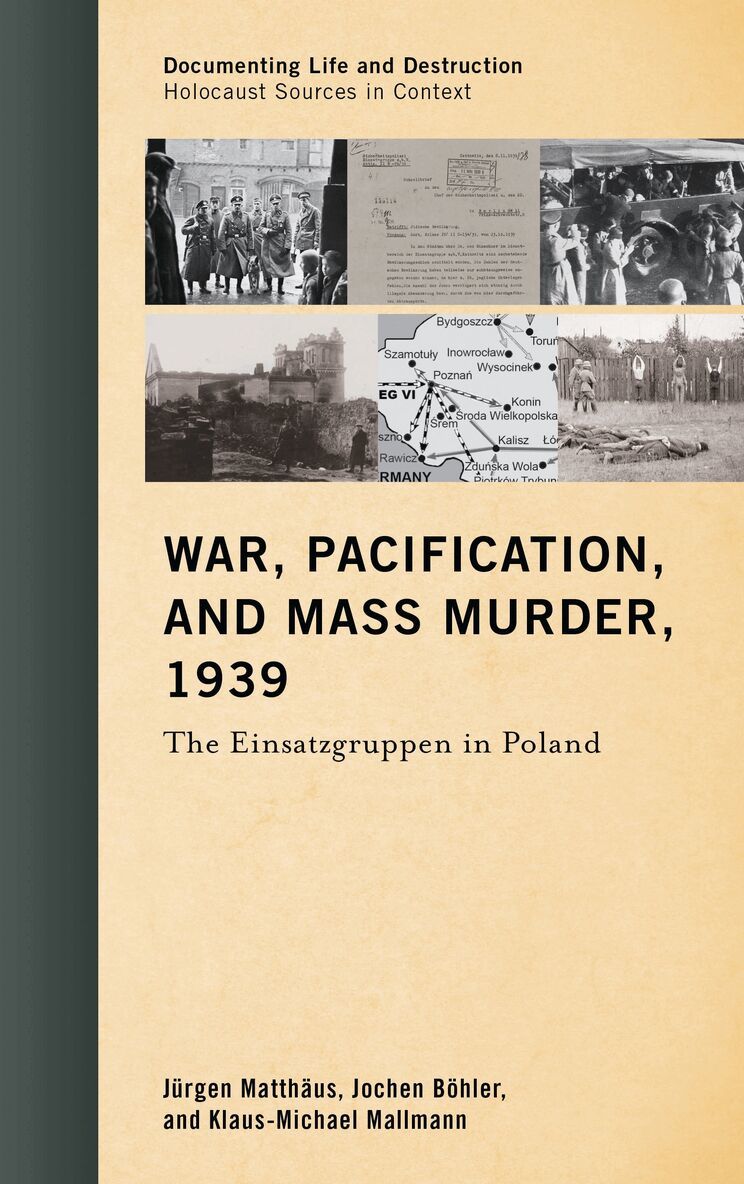
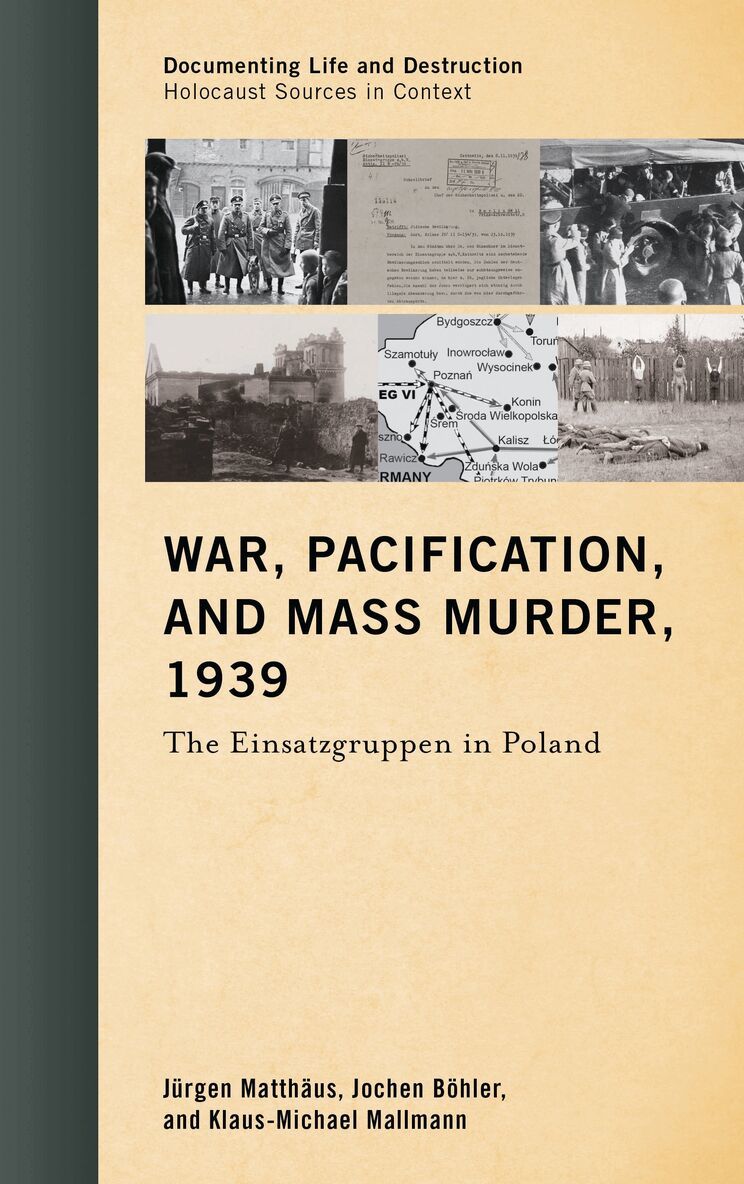
Published in association with the United States Holocaust Memorial MuseumThis invaluable work traces the role of the Einsatzgruppen of the Security Police and SD, the core group of Himmler’s murder units involved in the “Final Solution of the Jewish Question,” during and immediately after the German campaign in Poland in 1939. In addition to relevant Einsatzgruppen reports, the book includes key documents from other sources, especially eyewitness accounts from victims or onlookers. Such accounts provide an alternative, often much more realistic, perspective on the nature and consequences of the actions previously known only through documentation generated by the perpetrators. With carefully selected primary sources contextualized by the authors’ clear narrative, this work fills an important gap in our understanding of a crucial period in the evolution of policies directed against Jews, Poles, and others deemed dangerous or inferior by the Third Reich. Supplemented by maps and photographs, this book will be an essential reference and research tool.
Routledge History Handbook of Central and Eastern Europe in the Twentieth Century
Volume 4: Violence
Inbunden, Engelska, 2022
3 188 kr
Skickas inom 10-15 vardagar
Violence analyzes both the violence exerted on the societies of Central and Eastern Europe during the twentieth century by belligerent powers and authoritarian and/or totalitarian regimes and armed conflicts between ethnic, social and national groups, as well as the interaction between these two phenomena.Throughout the twentieth century, Central and Eastern Europe was hit particularly hard by war, violence and repression, with armed conflicts in the Balkans at the start and end of the period and two world wars in between. In the shadow of these full-scale wars, ethnic, social and national conflicts were intensified, found new forms and were violently played out. The interwar period witnessed the emergence of authoritarian states who enforced their claim to power through continued violence against political opponents, stigmatized ethnic, national and social groups, and were themselves fought with subversive or terrorist techniques. This volume focuses specifically on physical violence: war and civil war, ethnic cleansing, systematic starvation policies, deportations and expulsions, forced labour and prison camps, persecution by state security – such as intensive surveillance, which had an enormous impact on the lives of those it affected – and other forms of government oppression and militant resistance. Geographically, it considers the western regions of Belarus and Ukraine as sites of extreme violence that had a noticeable impact on neighbouring Central and Eastern European countries as well.The concluding volume in a four-volume set on Central and Eastern Europe in the twentieth century, it is the go-to resource for those interested in violence in this complex region.
970 kr
Skickas inom 10-15 vardagar
Published in association with the United States Holocaust Memorial MuseumThis invaluable work traces the role of the Einsatzgruppen of the Security Police and SD, the core group of Himmler’s murder units involved in the “Final Solution of the Jewish Question,” during and immediately after the German campaign in Poland in 1939. In addition to relevant Einsatzgruppen reports, the book includes key documents from other sources, especially eyewitness accounts from victims or onlookers. Such accounts provide an alternative, often much more realistic, perspective on the nature and consequences of the actions previously known only through documentation generated by the perpetrators. With carefully selected primary sources contextualized by the authors’ clear narrative, this work fills an important gap in our understanding of a crucial period in the evolution of policies directed against Jews, Poles, and others deemed dangerous or inferior by the Third Reich. Supplemented by maps and photographs, this book will be an essential reference and research tool.
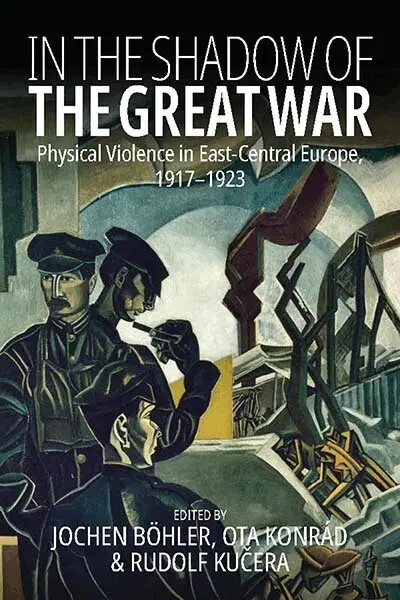
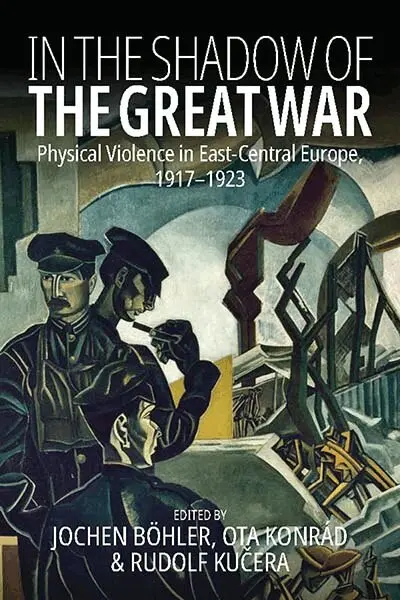
In the Shadow of the Great War
Physical Violence in East-Central Europe, 1917–1923
Inbunden, Engelska, 2021
2 014 kr
Skickas inom 3-6 vardagar
Whether victorious or not, Central European states faced fundamental challenges after the First World War as they struggled to contain ongoing violence and forge peaceful societies. This collection explores the various forms of violence these nations confronted during this period, which effectively transformed the region into a laboratory for state-building. Employing a bottom-up approach to understanding everyday life, these studies trace the contours of individual and mass violence in the interwar era while illuminating their effects upon politics, intellectual developments, and the arts.
In the Shadow of the Great War
Physical Violence in East-Central Europe, 1917–1923
Häftad, Engelska, 2023
583 kr
Skickas inom 3-6 vardagar
Whether victorious or not, Central European states faced fundamental challenges after the First World War as they struggled to contain ongoing violence and forge peaceful societies. This collection explores the various forms of violence these nations confronted during this period, which effectively transformed the region into a laboratory for state-building. Employing a bottom-up approach to understanding everyday life, these studies trace the contours of individual and mass violence in the interwar era while illuminating their effects upon politics, intellectual developments, and the arts.
972 kr
Skickas inom 5-8 vardagar
The First World War began in the Balkans, and it was fought as fiercely in the East as it was in the West. Fighting persisted in the East for almost a decade, radically transforming the political and social order of the entire continent. The specifics of the Eastern war such as mass deportations, ethnic cleansing, and the radicalization of military, paramilitary and revolutionary violence have only recently become the focus of historical research. This volume situates the ‘Long First World War’ on the Eastern Front (1912–1923) in the hundred years from the mid-19th to the mid-20th century and explores the legacies of violence within this context.ContentJochen Böhler/Włodzimierz Borodziej/Joachim von Puttkamer: IntroductionI. A World in TransitionJoachim von Puttkamer: Collapse and Restoration. Politics and the Strains of War in Eastern EuropeMark Biondich: Eastern Borderlands and Prospective Shatter Zones. Identity and Conflict in East Central and Southeastern Europe on the Eve of the First World WarJochen Böhler: Generals and Warlords, Revolutionaries and Nation-State Builders. The First World War and its Aftermath in Central and Eastern EuropeII. OccupationJonathan E. Gumz: Losing Control. The Norm of Occupation in Eastern Europe during the First World WarStephan Lehnstaedt: Fluctuating between ‘Utilisation’ and Exploitation. Occupied East Central Europe during the First World WarRobert L. Nelson: Utopias of Open Space. Forced Population Transfer Fantasies during the First World WarIII. RadicalizationMaciej Górny: War on Paper? Physical Anthropology in the Service of States and NationsPiotr J. Wróbel: Foreshadowing the Holocaust. The Wars of 1914–1921 and Anti-Jewish Violence in Central and Eastern EuropeRobert Gerwarth: Fighting the Red Beast. Counter-Revolutionary Violence in the Defeated States of Central EuropeIV. AftermathJulia Eichenberg: Consent, Coercion and Endurance in Eastern Europe. Poland and the Fluidity of War ExperiencesPhilipp Ther: Pre-negotiated Violence. Ethnic Cleansing in the ‘Long’ First World WarDietrich Beyrau: The Long Shadow of the Revolution. Violence in War and Peace in the Soviet UnionCommentaryJörn Leonhard: Legacies of Violence: Eastern Europe’s First World War – A Commentary from a Comparative Perspective
296 kr
Skickas inom 3-6 vardagar