Joachim von Puttkamer – författare
2 215 kr
Skickas inom 10-15 vardagar
677 kr
Skickas inom 10-15 vardagar
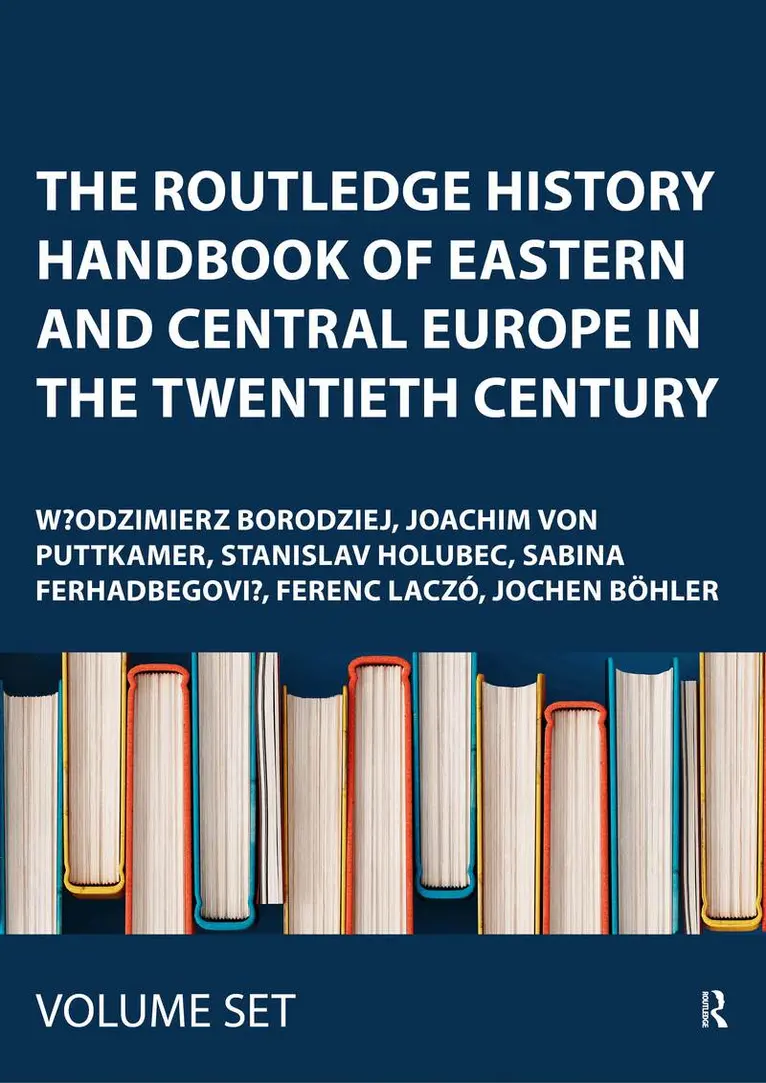
Routledge History Handbook of Central and Eastern Europe in the Twentieth Century
Volume 2: Statehood
677 kr
Skickas inom 10-15 vardagar
677 kr
Skickas inom 10-15 vardagar
677 kr
Skickas inom 10-15 vardagar
15 715 kr
Skickas inom 10-15 vardagar
3 166 kr
Skickas inom 10-15 vardagar
2 002 kr
Skickas inom 10-15 vardagar
605 kr
Skickas inom 10-15 vardagar
662 kr
Skickas inom 10-15 vardagar
2 201 kr
Skickas inom 10-15 vardagar
746 kr
Läs direkt efter köp
Immigrants and Foreigners in Central and Eastern Europe during the Twentieth Century challenges widespread conceptions of Central and Eastern European countries as merely countries of origin. It sheds light on their experience of immigration and the establishment of refugee regimes at different stages in the history of the region.
The book brings together a variety of case studies on Poland, Hungary, Czechoslovakia, and Yugoslavia, and the experiences of return migrants from the United States, displaced Hungarian Jews, desperate German social democrats, resettled Magyars, resourceful tourists, labour migrants, and Zionists. In doing so, it highlights and explores the variety of experience across different forms of immigration and discusses its broader social and political framework.
Presenting the challenges within the history of immigration in Eastern Europe and considering both immigration to the region and emigration from it, Immigrants and Foreigners in Central and Eastern Europe during the Twentieth Century provides a new perspective on, and contribution to, this ongoing subject of debate.
746 kr
Läs direkt efter köp
Immigrants and Foreigners in Central and Eastern Europe during the Twentieth Century challenges widespread conceptions of Central and Eastern European countries as merely countries of origin. It sheds light on their experience of immigration and the establishment of refugee regimes at different stages in the history of the region.
The book brings together a variety of case studies on Poland, Hungary, Czechoslovakia, and Yugoslavia, and the experiences of return migrants from the United States, displaced Hungarian Jews, desperate German social democrats, resettled Magyars, resourceful tourists, labour migrants, and Zionists. In doing so, it highlights and explores the variety of experience across different forms of immigration and discusses its broader social and political framework.
Presenting the challenges within the history of immigration in Eastern Europe and considering both immigration to the region and emigration from it, Immigrants and Foreigners in Central and Eastern Europe during the Twentieth Century provides a new perspective on, and contribution to, this ongoing subject of debate.
Routledge History Handbook of Central and Eastern Europe in the Twentieth Century
Volume 2: Statehood
785 kr
Läs direkt efter köp
Statehood examines the extending lines of development of nation-state systems in Eastern Europe, in particular considering why certain tendencies in state development found a different expression in this region compared to other parts of the continent.
This volume discusses the differences between the social developments, political decisions, and historical experience that have influenced processes of state-building, with a focus on the structural problems of the region and the different paths taken to overcome them. The book addresses processes of building social orders and examines the contribution of state institutions to social and cultural integration and disintegration. It analyses institutional and personnel continuities that have outlasted the great political changes of the twentieth century and addresses the expansion of state activity in shaping property relations in agriculture and industry as well as in social security and family politics. Taking a comparative approach based on experiential history, allowing individual experience to be detached from specific national references, the volume delineates a transnational comparison of problems shared within the region as they have been passed down through history, providing definition to the specificity of Eastern Europe and situating the historical experience of the region within a pan-European context.
The second in a four-volume set on Central and Eastern Europe in the twentieth century, it is the go-to resource for those interested in statehood and state-building in this complex region.
Routledge History Handbook of Central and Eastern Europe in the Twentieth Century
Volume 2: Statehood
785 kr
Läs direkt efter köp
Statehood examines the extending lines of development of nation-state systems in Eastern Europe, in particular considering why certain tendencies in state development found a different expression in this region compared to other parts of the continent.
This volume discusses the differences between the social developments, political decisions, and historical experience that have influenced processes of state-building, with a focus on the structural problems of the region and the different paths taken to overcome them. The book addresses processes of building social orders and examines the contribution of state institutions to social and cultural integration and disintegration. It analyses institutional and personnel continuities that have outlasted the great political changes of the twentieth century and addresses the expansion of state activity in shaping property relations in agriculture and industry as well as in social security and family politics. Taking a comparative approach based on experiential history, allowing individual experience to be detached from specific national references, the volume delineates a transnational comparison of problems shared within the region as they have been passed down through history, providing definition to the specificity of Eastern Europe and situating the historical experience of the region within a pan-European context.
The second in a four-volume set on Central and Eastern Europe in the twentieth century, it is the go-to resource for those interested in statehood and state-building in this complex region.
785 kr
Läs direkt efter köp
Intellectual Horizons offers a pioneering, transnational and comparative treatment of key thematic areas in the intellectual and cultural history of Central and Eastern Europe in the twentieth century.
For most of the twentieth century, Central and Eastern European ideas and cultures constituted an integral part of wider European trends. However, the intellectual and cultural history of this diverse region has rarely been incorporated sufficiently into nominally comprehensive histories of Europe. This volume redresses this underrepresentation and provides a more balanced perspective on the recent past of the continent through original, critical overviews of themes ranging from the social and conceptual history of intellectuals and histories of political thought and historiography, to literary, visual and religious cultures, to perceptions and representations of the region in the twentieth century. While structured thematically, individual contributions are organized chronologically. They emphasize, where relevant, generational experiences, agendas and accomplishments, while taking into account the sharp ruptures that characterize the period.
The third in a four-volume set on Central and Eastern Europe in the twentieth century, it is the go-to resource for understanding the intellectual and cultural history of this dynamic region.
785 kr
Läs direkt efter köp
Intellectual Horizons offers a pioneering, transnational and comparative treatment of key thematic areas in the intellectual and cultural history of Central and Eastern Europe in the twentieth century.
For most of the twentieth century, Central and Eastern European ideas and cultures constituted an integral part of wider European trends. However, the intellectual and cultural history of this diverse region has rarely been incorporated sufficiently into nominally comprehensive histories of Europe. This volume redresses this underrepresentation and provides a more balanced perspective on the recent past of the continent through original, critical overviews of themes ranging from the social and conceptual history of intellectuals and histories of political thought and historiography, to literary, visual and religious cultures, to perceptions and representations of the region in the twentieth century. While structured thematically, individual contributions are organized chronologically. They emphasize, where relevant, generational experiences, agendas and accomplishments, while taking into account the sharp ruptures that characterize the period.
The third in a four-volume set on Central and Eastern Europe in the twentieth century, it is the go-to resource for understanding the intellectual and cultural history of this dynamic region.
785 kr
Läs direkt efter köp
Violence analyzes both the violence exerted on the societies of Central and Eastern Europe during the twentieth century by belligerent powers and authoritarian and/or totalitarian regimes and armed conflicts between ethnic, social and national groups, as well as the interaction between these two phenomena.
Throughout the twentieth century, Central and Eastern Europe was hit particularly hard by war, violence and repression, with armed conflicts in the Balkans at the start and end of the period and two world wars in between. In the shadow of these full-scale wars, ethnic, social and national conflicts were intensified, found new forms and were violently played out. The interwar period witnessed the emergence of authoritarian states who enforced their claim to power through continued violence against political opponents, stigmatized ethnic, national and social groups, and were themselves fought with subversive or terrorist techniques. This volume focuses specifically on physical violence: war and civil war, ethnic cleansing, systematic starvation policies, deportations and expulsions, forced labour and prison camps, persecution by state security – such as intensive surveillance, which had an enormous impact on the lives of those it affected – and other forms of government oppression and militant resistance. Geographically, it considers the western regions of Belarus and Ukraine as sites of extreme violence that had a noticeable impact on neighbouring Central and Eastern European countries as well.
The concluding volume in a four-volume set on Central and Eastern Europe in the twentieth century, it is the go-to resource for those interested in violence in this complex region.
785 kr
Läs direkt efter köp
Violence analyzes both the violence exerted on the societies of Central and Eastern Europe during the twentieth century by belligerent powers and authoritarian and/or totalitarian regimes and armed conflicts between ethnic, social and national groups, as well as the interaction between these two phenomena.
Throughout the twentieth century, Central and Eastern Europe was hit particularly hard by war, violence and repression, with armed conflicts in the Balkans at the start and end of the period and two world wars in between. In the shadow of these full-scale wars, ethnic, social and national conflicts were intensified, found new forms and were violently played out. The interwar period witnessed the emergence of authoritarian states who enforced their claim to power through continued violence against political opponents, stigmatized ethnic, national and social groups, and were themselves fought with subversive or terrorist techniques. This volume focuses specifically on physical violence: war and civil war, ethnic cleansing, systematic starvation policies, deportations and expulsions, forced labour and prison camps, persecution by state security – such as intensive surveillance, which had an enormous impact on the lives of those it affected – and other forms of government oppression and militant resistance. Geographically, it considers the western regions of Belarus and Ukraine as sites of extreme violence that had a noticeable impact on neighbouring Central and Eastern European countries as well.
The concluding volume in a four-volume set on Central and Eastern Europe in the twentieth century, it is the go-to resource for those interested in violence in this complex region.
785 kr
Läs direkt efter köp
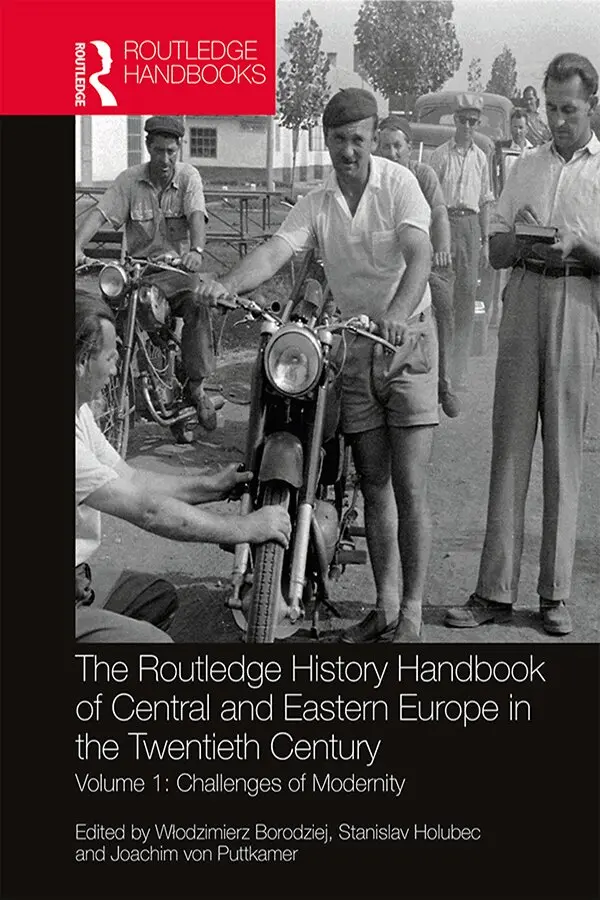
Challenges of Modernity offers a broad account of the social and economic history of Central and Eastern Europe in the twentieth century and asks critical questions about the structure and experience of modernity in different contexts and periods.
This volume focuses on central questions such as: How did the various aspects of modernity manifest themselves in the region, and what were their limits? How was the multifaceted transition from a mainly agrarian to an industrial and post-industrial society experienced and perceived by historical subjects? Did Central and Eastern Europe in fact approximate its dream of modernity in the twentieth century despite all the reversals, detours and third-way visions? Structured chronologically and taking a comparative approach, a range of international contributors combine a focus on the overarching problems of the region with a discussion of individual countries and societies, offering the reader a comprehensive, nuanced survey of the social and economic history of this complex region in the recent past.
The first in a four-volume set on Central and Eastern Europe in the twentieth century, it is the go-to resource for those interested in the ‘challenges of modernity‘ faced by this dynamic region.
785 kr
Läs direkt efter köp
Challenges of Modernity offers a broad account of the social and economic history of Central and Eastern Europe in the twentieth century and asks critical questions about the structure and experience of modernity in different contexts and periods.
This volume focuses on central questions such as: How did the various aspects of modernity manifest themselves in the region, and what were their limits? How was the multifaceted transition from a mainly agrarian to an industrial and post-industrial society experienced and perceived by historical subjects? Did Central and Eastern Europe in fact approximate its dream of modernity in the twentieth century despite all the reversals, detours and third-way visions? Structured chronologically and taking a comparative approach, a range of international contributors combine a focus on the overarching problems of the region with a discussion of individual countries and societies, offering the reader a comprehensive, nuanced survey of the social and economic history of this complex region in the recent past.
The first in a four-volume set on Central and Eastern Europe in the twentieth century, it is the go-to resource for those interested in the ‘challenges of modernity‘ faced by this dynamic region.
682 kr
Läs direkt efter köp
The field of biopolitics encompasses issues from health and hygiene, birth rates, fertility and sexuality, life expectancy and demography to eugenics and racial regimes. This book is the first to provide a comprehensive view on these issues for Central and Eastern Europe in the twentieth century.
The cataclysms of imperial collapse, World War(s) and the Holocaust but also the rise of state socialism after 1945 provided extraordinary and distinct conditions for the governing of life and death. The volume collects the latest research and empirical studies from the region to showcase the diversity of biopolitical regimes in their regional and global context – from hunger relief for Hungarian children after the First World War to abortion legislation in communist Poland. It underlines the similarities as well, demonstrating how biopolitical strategies in this area often revolved around the notion of an endangered nation; and how ideological schemes and post-imperial experiences in Eastern Europe further complicate a ''western'' understanding of democratic participatory and authoritarian repressive biopolitics.
The new geographical focus invites scholars and students of social and human sciences to reconsider established perspectives on the history of population management and the history of Europe.
682 kr
Läs direkt efter köp
The field of biopolitics encompasses issues from health and hygiene, birth rates, fertility and sexuality, life expectancy and demography to eugenics and racial regimes. This book is the first to provide a comprehensive view on these issues for Central and Eastern Europe in the twentieth century.
The cataclysms of imperial collapse, World War(s) and the Holocaust but also the rise of state socialism after 1945 provided extraordinary and distinct conditions for the governing of life and death. The volume collects the latest research and empirical studies from the region to showcase the diversity of biopolitical regimes in their regional and global context – from hunger relief for Hungarian children after the First World War to abortion legislation in communist Poland. It underlines the similarities as well, demonstrating how biopolitical strategies in this area often revolved around the notion of an endangered nation; and how ideological schemes and post-imperial experiences in Eastern Europe further complicate a ''western'' understanding of democratic participatory and authoritarian repressive biopolitics.
The new geographical focus invites scholars and students of social and human sciences to reconsider established perspectives on the history of population management and the history of Europe.
658 kr
Skickas inom 10-15 vardagar
3 355 kr
Skickas inom 10-15 vardagar
3 355 kr
Skickas inom 10-15 vardagar
Routledge History Handbook of Central and Eastern Europe in the Twentieth Century
Volume 2: Statehood
3 240 kr
Skickas
3 171 kr
Skickas
776 kr
Läs direkt efter köp
Throughout Eastern Europe, the unexpected and irrevocable fall of communism that began in the late 1980s presented enormous challenges in the spheres of politics and society, as well as at the level of individual experience. Excitement, uncertainty, and fear predicated the shaping of a new order, the outcome of which was anything but predetermined.
Recent studies have focused on the ambivalent impact of capitalism. Yet, at the time, parliamentary democracy had equally few traditions to return to, and membership in the European Union was a distant dream at best. Nowadays, as new threats arise, Europe’s current political crises prompt us to reconsider how liberal democracy in Eastern Europe came about in the first place.
This book undertakes an analysis of the year 1990 in several countries throughout Europe to consider the role of uncertainty and change in shaping political nations.
769 kr
Läs direkt efter köp
Throughout Eastern Europe, the unexpected and irrevocable fall of communism that began in the late 1980s presented enormous challenges in the spheres of politics and society, as well as at the level of individual experience. Excitement, uncertainty, and fear predicated the shaping of a new order, the outcome of which was anything but predetermined.
Recent studies have focused on the ambivalent impact of capitalism. Yet, at the time, parliamentary democracy had equally few traditions to return to, and membership in the European Union was a distant dream at best. Nowadays, as new threats arise, Europe’s current political crises prompt us to reconsider how liberal democracy in Eastern Europe came about in the first place.
This book undertakes an analysis of the year 1990 in several countries throughout Europe to consider the role of uncertainty and change in shaping political nations.