Jörg Rinklebe - Böcker
Visar alla böcker från författaren Jörg Rinklebe. Handla med fri frakt och snabb leverans.
10 produkter
10 produkter
2 570 kr
Skickas inom 10-15 vardagar
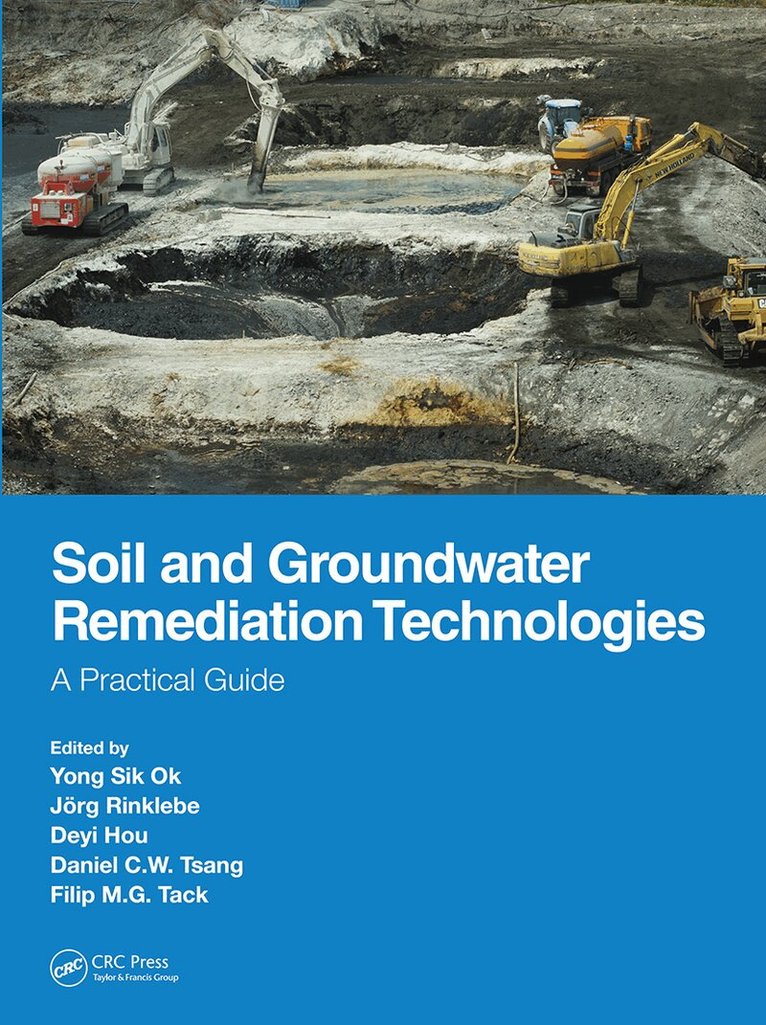
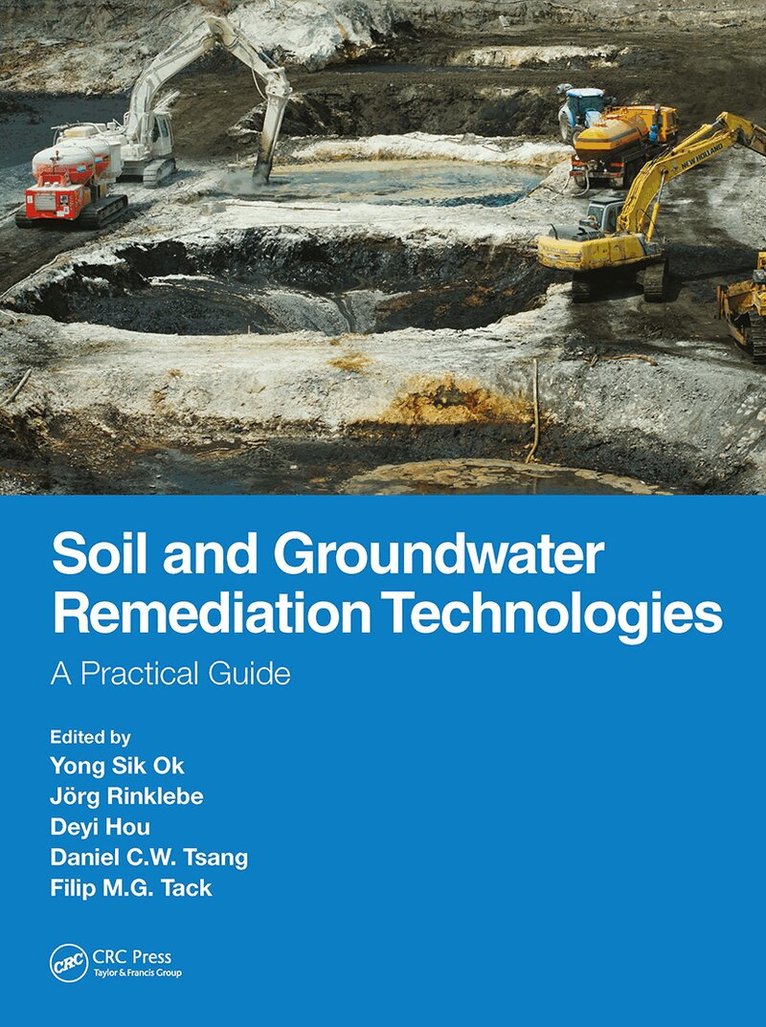
This book offers various soil and water treatment technologies due to increasing global soil and water pollution. In many countries, the management of contaminated land has matured, and it is developing in many others. Topics covered include chemical and ecological risk assessment of contaminated sites; phytomanagement of contaminants; arsenic removal; selection and technology diffusion; technologies and socio-environmental management; post-remediation long-term management; soil and groundwater laws and regulations; and trace element regulation limits in soil. Future prospects of soil and groundwater remediation are critically discussed in this book. Hence, readers will learn to understand the future prospects of soil and groundwater contaminants and remediation measures.Key Features:Discusses conventional and novel aspects of soil and groundwater remediation technologiesIncludes new monitoring/sensing technologies for soil and groundwater pollutionFeatures a case study of remediation of contaminated sites in the old, industrial, Ruhr area in GermanyHighlights soil washing, soil flushing, and stabilization/solidificationPresents information on emerging contaminants that exhibit new challengesThis book is designed for undergraduate and graduate courses and can be used as a handbook for researchers, policy makers, and local governmental institutes. Soil and Groundwater Remediation Technologies: A Practical Guide is written by a team of leading global experts in the field.
736 kr
Skickas inom 10-15 vardagar
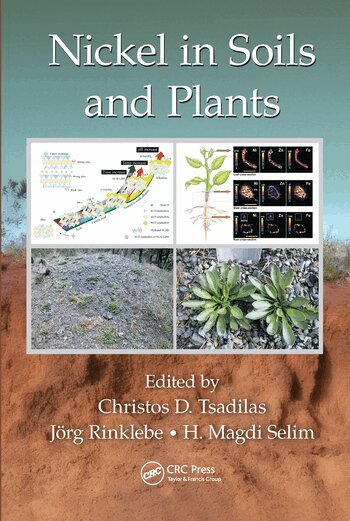
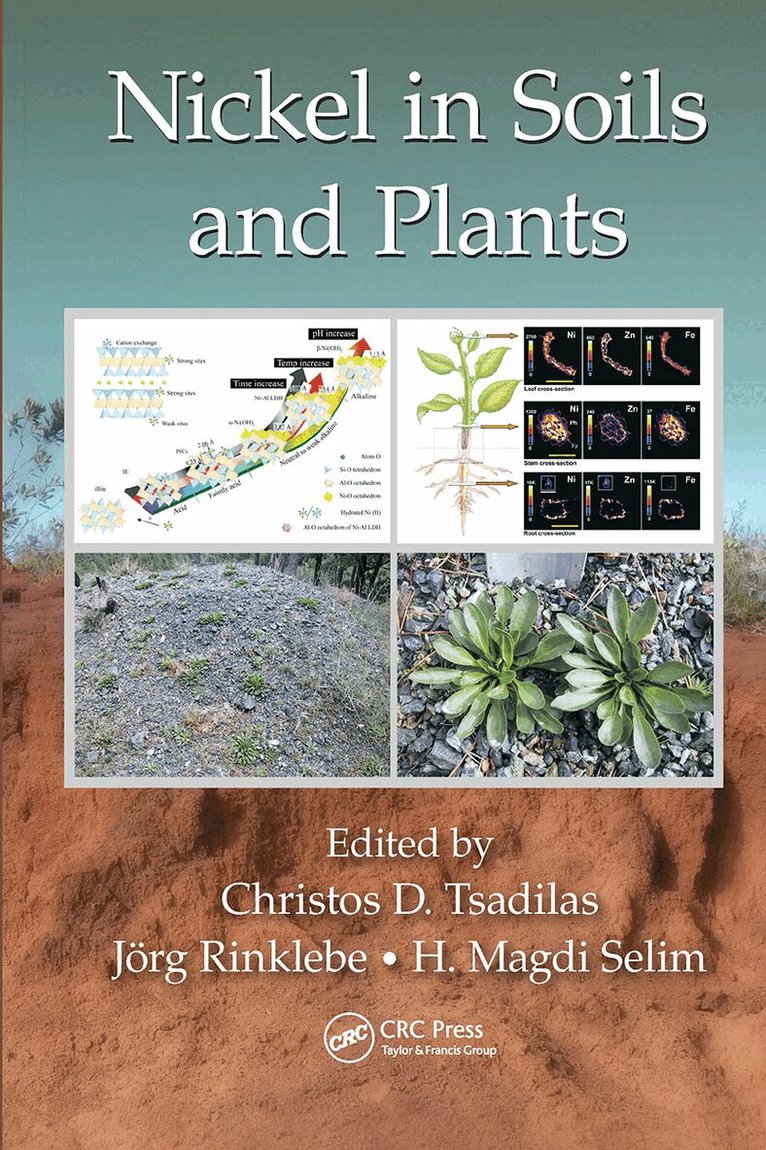
Soils with high Ni contents occur in several parts of the world, especially in areas with ultramafic rocks which cause serious environmental impacts. This book aims to extend the knowledge on the risks and problems caused by elevated Ni contents and to cover the existing gaps on issues related to various aspects and consequences of high Ni contents in soils and plants.Nickel in Soils and Plants brings together discussions on Ni as a trace element and as a micronutrient essential for plant growth and its role in plant physiology. It analyzes the biogeochemistry of Ni at the soil plant interface, and explains its behavior in the rhizosphere resulting in Ni deficiency or toxicity, or Ni tolerance of various Ni hyperaccumulators. Included are Ni resources and sources, the origin of soil Ni, its geochemical forms in soils and their availability to plants, a special reference on soils enriched with geogenic Ni, such as serpentine soils, and the special characteristics of those ecosystems. Recent advancements in methods of Ni speciation, including the macroscale and X- ray absorption spectroscopy studies as well as serious views on Ni kinetics, are also covered. Written by a team of internationally recognized researchers and expert contributors, this comprehensive work addresses the practical aspects of managing Ni in soils and plants for agricultural production, and managing soils with high Ni levels by using organic and inorganic amendments. The text also addresses practical measures related to Ni toxicity in plants, the removal and recovery of Ni from high Ni wastes, and offers environmentally friendly innovative processes for mining Ni from soils containing high Ni levels.
1 227 kr
Skickas inom 10-15 vardagar
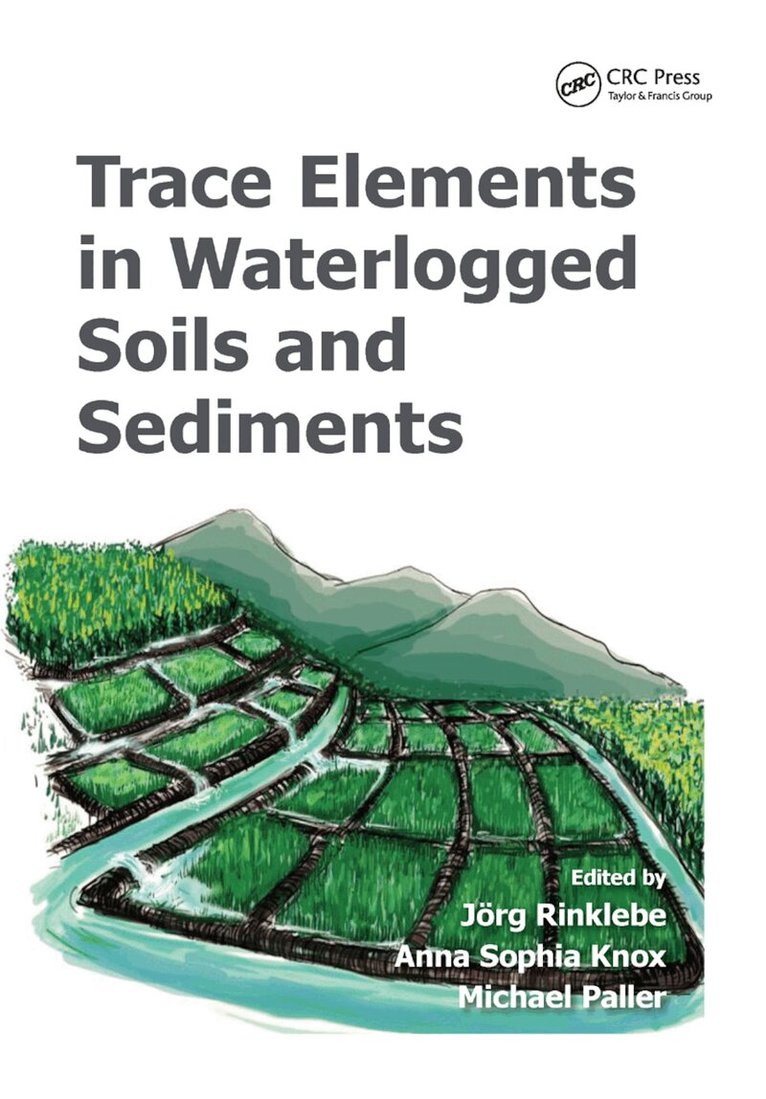
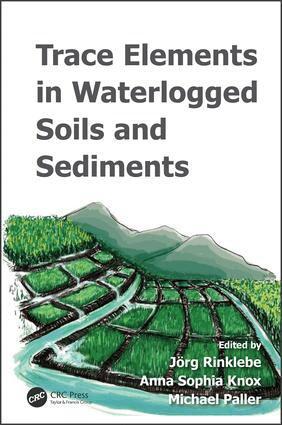
Many wetlands around the world act as sinks for pollutants, in particular for trace elements. In comparison to terrestrial environments, wetlands are still far less studied. A collaborative effort among world experts, this book brings the current knowledge concerning trace elements in temporary waterlogged soils and sediments together. It discusses factors controlling the dynamics and release kinetics of trace elements and their underlying biogeochemical processes. It also discusses current technologies for remediating sites contaminated with trace metals, and the role of bioavailability in risk assessment and regulatory decision making. This book is intended for professionals around the world in disciplines related to contaminant bioavailability in aquatic organisms, contaminant fate and transport, remediation technologies, and risk assessment of aquatic and wetland ecosystems.
1 685 kr
Skickas inom 10-15 vardagar
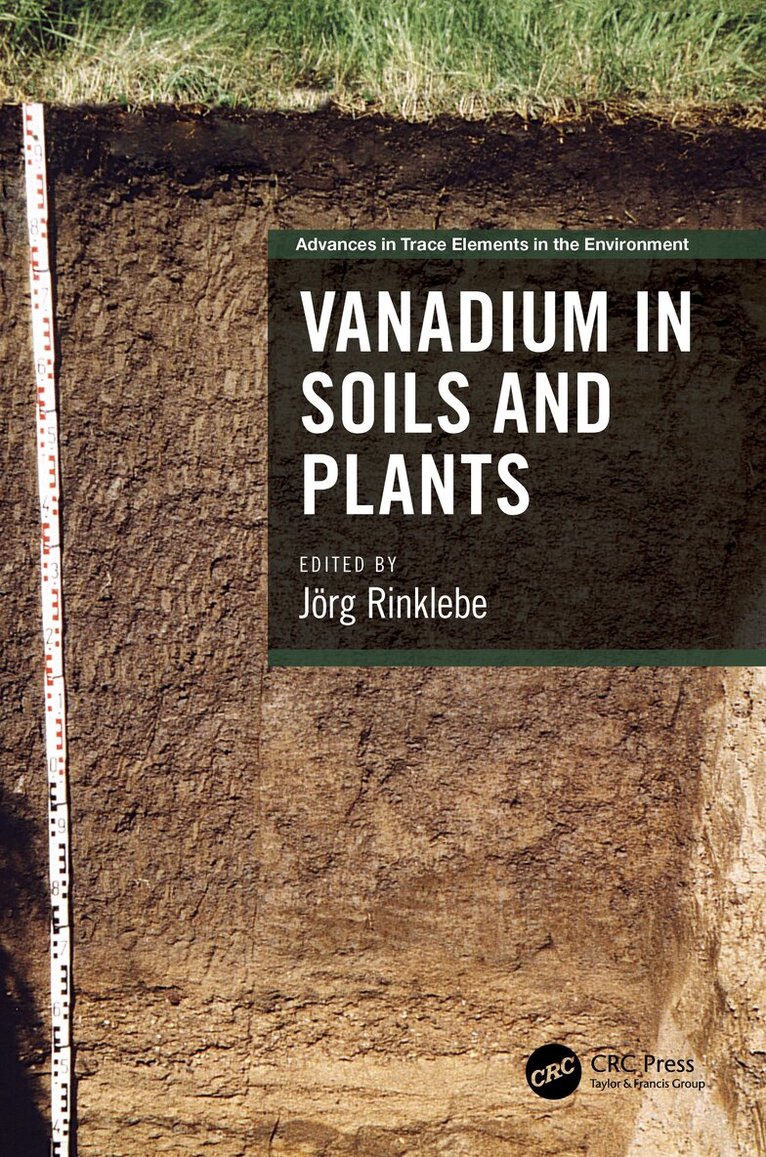
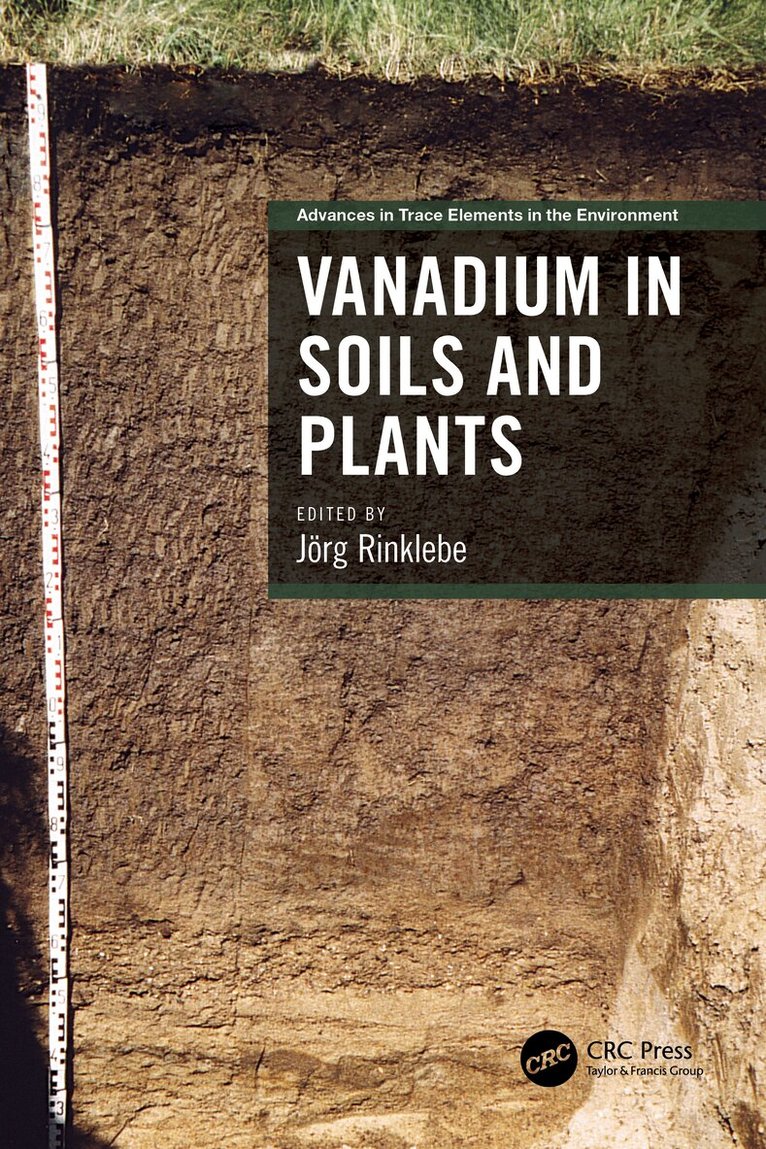
Vanadium is an essential element for humans and animals. The toxicity of vanadium at higher concentrations could be a global environmental concern and a significant issue for both environmental protection and economic benefits. The relevance of anthropogenic vanadium in the environment has increased significantly in recent years due to an increased demand for vanadium in high-temperature industrial activities. This book summarizes vanadium’s current research and explains its behavior and mobilization in the environment, especially in soils, sediments, water and plants. Through case studies from various countries, it discusses critical limits set and risk assessment approaches and remediation approaches of vanadium-contaminated soils.FEATURES Provides a comprehensive overview of vanadium in the total environment Covers the role of vanadium in various environments such as soils, sediments, water and plants Includes bioavailability studies and further case studies from various countries around the world Focuses on a better understanding of biogeochemical processes of vanadium Is written by international experts who present the current stage of the knowledge including innovative remediation and management approaches of vanadium-contaminated sitesThis book will be of use to upper-level undergraduate and graduate students taking courses in soil science, environmental science, soil ecology, water science, plant science, ecotoxicology, geology and geography as well as scientists, lecturers, environmental and technical engineers, ecologists, applied ecological scientists and managers.
671 kr
Skickas inom 10-15 vardagar
Vanadium is an essential element for humans and animals. The toxicity of vanadium at higher concentrations could be a global environmental concern and a significant issue for both environmental protection and economic benefits. The relevance of anthropogenic vanadium in the environment has increased significantly in recent years due to an increased demand for vanadium in high-temperature industrial activities. This book summarizes vanadium’s current research and explains its behavior and mobilization in the environment, especially in soils, sediments, water and plants. Through case studies from various countries, it discusses critical limits set and risk assessment approaches and remediation approaches of vanadium-contaminated soils.FEATURES Provides a comprehensive overview of vanadium in the total environment Covers the role of vanadium in various environments such as soils, sediments, water and plants Includes bioavailability studies and further case studies from various countries around the world Focuses on a better understanding of biogeochemical processes of vanadium Is written by international experts who present the current stage of the knowledge including innovative remediation and management approaches of vanadium-contaminated sitesThis book will be of use to upper-level undergraduate and graduate students taking courses in soil science, environmental science, soil ecology, water science, plant science, ecotoxicology, geology and geography as well as scientists, lecturers, environmental and technical engineers, ecologists, applied ecological scientists and managers.
1 626 kr
Skickas inom 10-15 vardagar
This book presents state-of-the-art knowledge related to concerns about methylmercury (MeHg) in the soil-rice system. It covers increasing concerns about human exposure to methylmercury through the consumption of Hg-contaminated rice and shows the global contamination of soil and how Hg can be mobilized, immobilized, methylated, and demethylated in soils. The authors present the biogeochemical process through which rice plants accumulate Hg. This book comprehensively displays the biogeochemical behavior of Hg in paddy soils and rice plants, as well as the current remediation technologies to mitigate Hg risks from paddy soil ecosystems.Features:Provides cutting-edge knowledge on mercury in paddy field ecosystemsDiscusses the key biogeochemical transformation processes of mercury in soilExplains the accumulation processes of mercury in rice plantsIncludes case studies on how to inhibit mercury accumulation in rice plantsShows the application of Hg stable isotope traces in paddy soil-rice field studiesIntended for researchers, graduate students, and professionals working in fields such as Geochemistry, Agronomy, and Environmental Science and Engineering, this book will be an important resource for anyone interested in Hg contamination in soils and rice and the related risk for human and environmental health.
715 kr
Skickas inom 10-15 vardagar
This book offers various soil and water treatment technologies due to increasing global soil and water pollution. In many countries, the management of contaminated land has matured, and it is developing in many others. Topics covered include chemical and ecological risk assessment of contaminated sites; phytomanagement of contaminants; arsenic removal; selection and technology diffusion; technologies and socio-environmental management; post-remediation long-term management; soil and groundwater laws and regulations; and trace element regulation limits in soil. Future prospects of soil and groundwater remediation are critically discussed in this book. Hence, readers will learn to understand the future prospects of soil and groundwater contaminants and remediation measures.Key Features:Discusses conventional and novel aspects of soil and groundwater remediation technologiesIncludes new monitoring/sensing technologies for soil and groundwater pollutionFeatures a case study of remediation of contaminated sites in the old, industrial, Ruhr area in GermanyHighlights soil washing, soil flushing, and stabilization/solidificationPresents information on emerging contaminants that exhibit new challengesThis book is designed for undergraduate and graduate courses and can be used as a handbook for researchers, policy makers, and local governmental institutes. Soil and Groundwater Remediation Technologies: A Practical Guide is written by a team of leading global experts in the field.
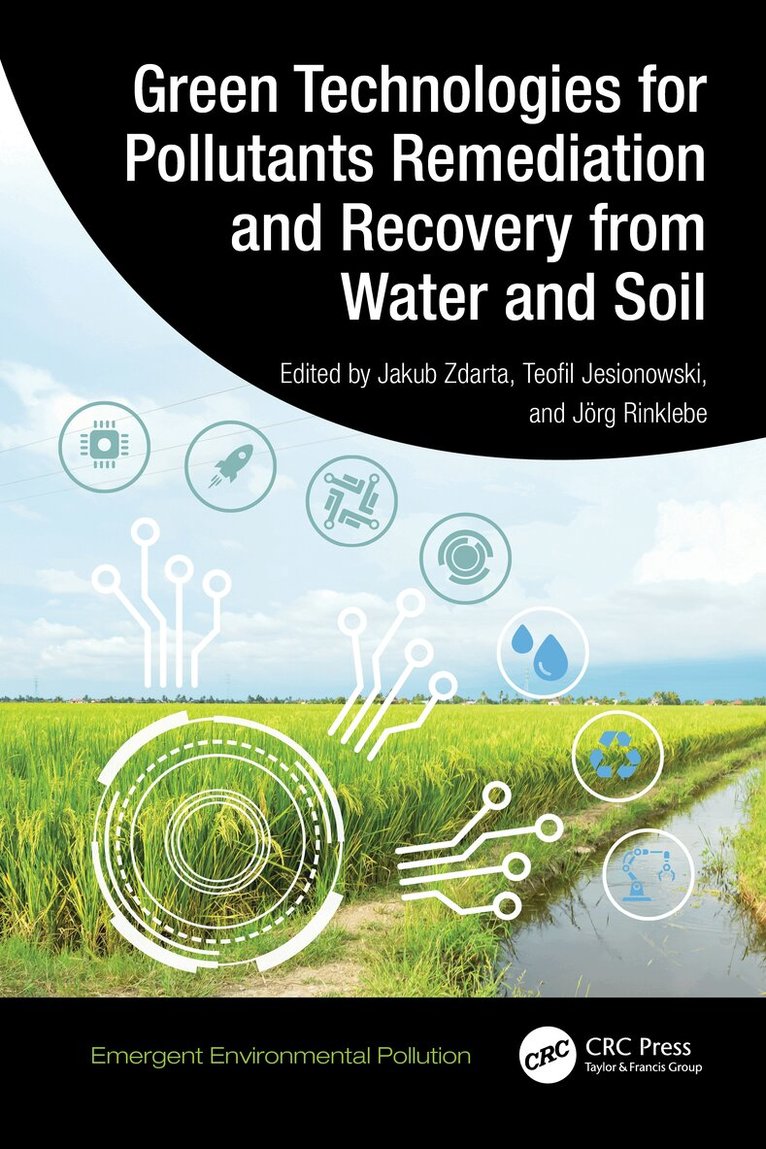
Green Technologies for Pollutants Remediation and Recovery from Water and Soil
Inbunden, Engelska, 2025
1 895 kr
Skickas inom 10-15 vardagar
Green Technologies for Pollutants Remediation and Recovery from Water and Soil presents a comprehensive examination of sustainable and environmentally friendly methods for remediation and recovery from various types of pollutants in water bodies and soil. It discusses diverse remediation and recovery technologies, ranging from classic adsorption and membrane technologies to the most promising green technologies such as biocatalysts and microorganisms for obtaining value-added products for practical use. Through many case studies and best practices, this book explores current achievements and challenges and indicates future directions for global and cross-border collaboration.Key Features:Provides a comprehensive overview of the achievements, challenges, and the current use of eco-friendly approaches for pollutant removal and recovery.Covers the role of biology, biotechnology, and chemical technology in designing green technologies for environmental applications.Presents innovative applications of microorganisms, enzymes, adsorption processes, and membrane technologies as a base for improvement in green technologies of environmental importance.Explains the basic assumptions, requirements, and mechanisms of green technologies used for pollutant conversion.Aims to better understand the importance of sustainable technologies in environmental protection.This reference is a great resource for upper-level undergraduate and graduate students in environmental science and engineering, soil and water sciences, biotechnology, and chemical engineering, as well as researchers and professionals who work as environmental and technical engineers, ecologists, applied environmental scientists, and managers.
2 502 kr
Skickas inom 7-10 vardagar
Many wetlands around the world act as sinks for pollutants, in particular for trace elements. In comparison to terrestrial environments, wetlands are still far less studied. A collaborative effort among world experts, this book brings the current knowledge concerning trace elements in temporary waterlogged soils and sediments together. It discusses factors controlling the dynamics and release kinetics of trace elements and their underlying biogeochemical processes. It also discusses current technologies for remediating sites contaminated with trace metals, and the role of bioavailability in risk assessment and regulatory decision making. This book is intended for professionals around the world in disciplines related to contaminant bioavailability in aquatic organisms, contaminant fate and transport, remediation technologies, and risk assessment of aquatic and wetland ecosystems.
2 716 kr
Skickas inom 10-15 vardagar
Soils with high Ni contents occur in several parts of the world, especially in areas with ultramafic rocks which cause serious environmental impacts. This book aims to extend the knowledge on the risks and problems caused by elevated Ni contents and to cover the existing gaps on issues related to various aspects and consequences of high Ni contents in soils and plants.Nickel in Soils and Plants brings together discussions on Ni as a trace element and as a micronutrient essential for plant growth and its role in plant physiology. It analyzes the biogeochemistry of Ni at the soil plant interface, and explains its behavior in the rhizosphere resulting in Ni deficiency or toxicity, or Ni tolerance of various Ni hyperaccumulators. Included are Ni resources and sources, the origin of soil Ni, its geochemical forms in soils and their availability to plants, a special reference on soils enriched with geogenic Ni, such as serpentine soils, and the special characteristics of those ecosystems. Recent advancements in methods of Ni speciation, including the macroscale and X- ray absorption spectroscopy studies as well as serious views on Ni kinetics, are also covered. Written by a team of internationally recognized researchers and expert contributors, this comprehensive work addresses the practical aspects of managing Ni in soils and plants for agricultural production, and managing soils with high Ni levels by using organic and inorganic amendments. The text also addresses practical measures related to Ni toxicity in plants, the removal and recovery of Ni from high Ni wastes, and offers environmentally friendly innovative processes for mining Ni from soils containing high Ni levels.