Johanna Creswell Báez - Böcker
Visar alla böcker från författaren Johanna Creswell Báez. Handla med fri frakt och snabb leverans.
3 produkter
3 produkter
2 040 kr
Skickas inom 10-15 vardagar
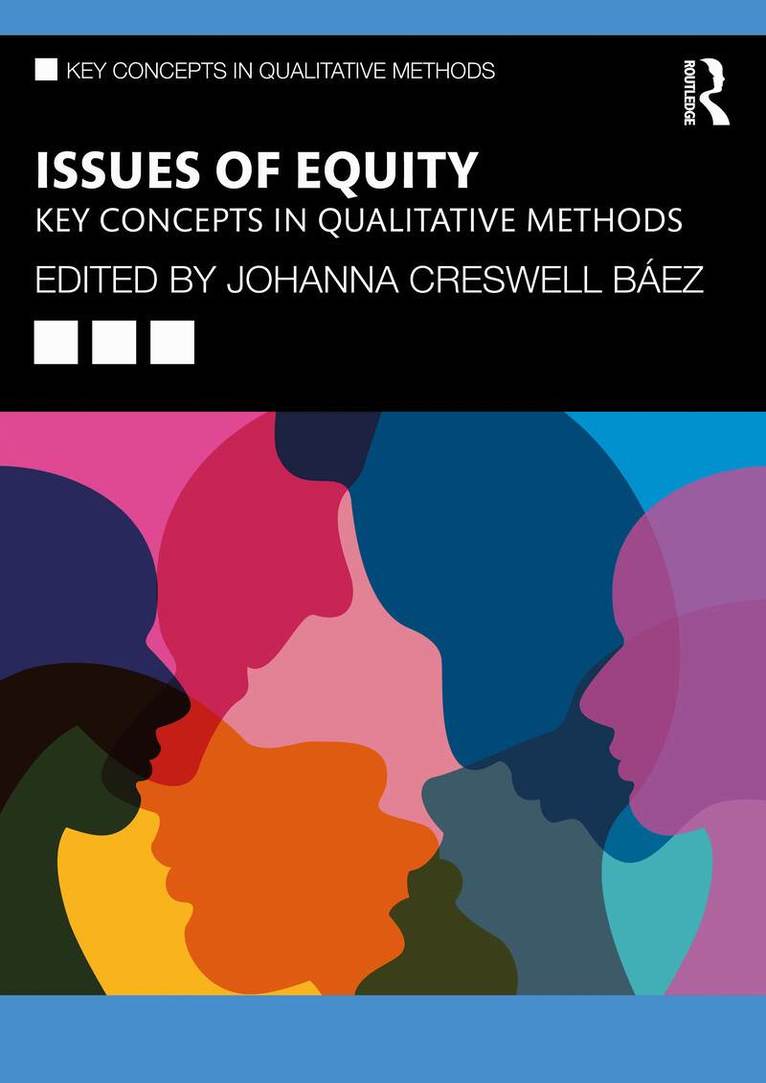
Issues of Equity: Key Concepts in Qualitative Methods provides practical and theoretical tools to advance equity in qualitative research, featuring chapters on research methods, concepts, and populations. The short chapters offer guidance for researchers, students, and practitioners to conduct ethically sound and transformative qualitative research focused on diverse perspectives and social justice principles.This book covers a wide range of topics essential to equity in qualitative research. Methods like testimonio research, person-centered interviewing, black liberation research, and liberatory participatory action research provide ways to amplify marginalized voices, promote collaboration, and create knowledge grounded in participants’ lived experiences. Key concepts such as transformative-emancipatory praxis, critical reflexivity, and counternarratives offer innovative frameworks for analyzing power dynamics in qualitative research. Chapters on research with culturally diverse populations, within the Lesbian, Gay, Bisexual, Transgender, Queer and Questioning, Intersex, Asexual, and Two-Spirit (LGBTQIA2S+) community, and through Diné (Navajo) Philosophy and Indigenous Ways of Knowing highlight the importance of uplifting cultural identities and ways of knowing... The book’s main findings emphasize the importance of integrating social justice principles in all phases of research, encouraging critical reflexivity, and understanding context-specific challenges to conducting equitable qualitative research studies.Aimed at qualitative researchers, students, and practitioners, the book provides practical and theoretical tools to center equity in research design, implementation, and analysis.
558 kr
Skickas inom 10-15 vardagar
Issues of Equity: Key Concepts in Qualitative Methods provides practical and theoretical tools to advance equity in qualitative research, featuring chapters on research methods, concepts, and populations. The short chapters offer guidance for researchers, students, and practitioners to conduct ethically sound and transformative qualitative research focused on diverse perspectives and social justice principles.This book covers a wide range of topics essential to equity in qualitative research. Methods like testimonio research, person-centered interviewing, black liberation research, and liberatory participatory action research provide ways to amplify marginalized voices, promote collaboration, and create knowledge grounded in participants’ lived experiences. Key concepts such as transformative-emancipatory praxis, critical reflexivity, and counternarratives offer innovative frameworks for analyzing power dynamics in qualitative research. Chapters on research with culturally diverse populations, within the Lesbian, Gay, Bisexual, Transgender, Queer and Questioning, Intersex, Asexual, and Two-Spirit (LGBTQIA2S+) community, and through Diné (Navajo) Philosophy and Indigenous Ways of Knowing highlight the importance of uplifting cultural identities and ways of knowing... The book’s main findings emphasize the importance of integrating social justice principles in all phases of research, encouraging critical reflexivity, and understanding context-specific challenges to conducting equitable qualitative research studies.Aimed at qualitative researchers, students, and practitioners, the book provides practical and theoretical tools to center equity in research design, implementation, and analysis.
813 kr
Skickas inom 3-6 vardagar
The Second Edition of 30 Essential Skills for the Qualitative Researcher provides practical, applied information for the novice qualitative researcher, addressing the "how" of conducting qualitative research in one brief guide. Author John W. Creswell and new co-author Johanna Creswell Báez draw on many examples from their own research experiences, sharing them throughout the book. The 30 listed skills are competencies that can help qualitative researchers conduct more thorough, more rigorous, and more efficient qualitative studies. Innovative chapters on thinking like a qualitative research and engaging with the emotional side of doing qualitative research go beyond the topics of a traditional research methods text and offer crucial support for qualitative practitioners. By starting with a strong foundation of a skills-based approach to qualitative research, readers can continue to develop their skills over the course of a career in research. This revised edition updates skills to follow the research process, using new research from a wide variety of disciplines like social work and sociology as examples. Chapters on research designs now tie back explicitly to the five approaches to qualitative research so readers can better integrate their new skills into these designs. Additional figures and tables help readers better visualize data collection through focus groups and interviews and better organize and implement validity checks. The new edition provides further examples on how to incorporate reflexivity into a study, illuminating a challenging aspect of qualitative research. Information on writing habits now addresses co-authorship and provides more context and variation from the two authors.