• Fri frakt över 249 kr
  • •
  • Snabba leveranser
  • •
  • Billiga böcker
Kundservice

Du är på sajten för privatpersoner.

Företag, bibliotek eller offentlig verksamhet?

Du handlar på classic.bokus.com, där alla dina funktioner finns intakta.
Till classic.bokus.com
Bokus logotyp. Gå till startsidan.
  • Erbjudanden
  • Nyheter
  • Student
  • Topplistor
  • Barn & ungdom
  • Bokus Play
  • E-böcker
  • Pocketböcker
  • Spel & pussel

10% rabatt på allt med kod: NYSTART10 →

Sidfot

Mina sidor

    Hjälp

    • Kundservice
    • Vanliga frågor och svar
    • Frakt och leverans
    • Retur vid ångerrätt
    • Reklamera vara
    • Betalning
    • Köpvillkor
    • Allmänna villkor
    • Information om webbplatsens tillgänglighet

    Om Bokus

    • Om oss
    • Pressrum
    • För studenter
    • För företag
    • För bibliotek och offentlig verksamhet
    • För leverantörer
    • Hållbarhet

    Populärt

    • Aktuella erbjudanden
    • Presentkort
    • Studentlitteratur
    • Nya böcker
    • Topplistor
    • Signerade böcker
    • Engelska böcker

    Inspiration

    • Boktips
    • BookTok
    • Populära bokserier
    • Barnbokskaraktärer
    • Populära författare
    Logotyp för Bokus
    Följ oss på Facebook (extern länk)Följ oss på Instagram (extern länk)Följ oss på YouTube (extern länk)Följ oss på TikTok (extern länk)
    bokus @ CookiesAnpassa cookiesIntegritetspolicyKöpvillkor
    Till Citymail hemsida (extern länk)Till Budbee hemsida (extern länk)Till Postnord hemsida (extern länk)Till Schenker hemsida (extern länk)Till Early Bird hemsida (extern länk)Till Walleys hemsida (extern länk)
    1. Psykologi och pedagogik
    2. Pedagogik
    3. Skolväsen och utbildningssystem
    4. Examination och betygsättning

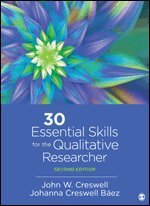
    30 Essential Skills for the Qualitative Researcher

    AvJohn W. Creswell,Johanna Creswell Baez

    Häftad, Engelska, 2020

    816 kr

    Beställningsvara. Skickas inom 3-6 vardagar. Fri frakt över 249 kr.

    Beskrivning

    The Second Edition of 30 Essential Skills for the Qualitative Researcher provides practical, applied information for the novice qualitative researcher, addressing the "how" of conducting qualitative research in one brief guide. Author John W. Creswell and new co-author Johanna Creswell Báez draw on many examples from their own research experiences, sharing them throughout the book. The 30 listed skills are competencies that can help qualitative researchers conduct more thorough, more rigorous, and more efficient qualitative studies.  Innovative chapters on thinking like a qualitative research and engaging with the emotional side of doing qualitative research go beyond the topics of a traditional research methods text and offer crucial support for qualitative practitioners. By starting with a strong foundation of a skills-based approach to qualitative research, readers can continue to develop their skills over the course of a career in research. 

    This revised edition updates skills to follow the research process, using new research from a wide variety of disciplines like social work and sociology as examples. Chapters on research designs now tie back explicitly to the five approaches to qualitative research so readers can better integrate their new skills into these designs. Additional figures and tables help readers better visualize data collection through focus groups and interviews and better organize and implement validity checks. The new edition provides further examples on how to incorporate reflexivity into a study, illuminating a challenging aspect of qualitative research. Information on writing habits now addresses co-authorship and provides more context and variation from the two authors. 

    Produktinformation

    • Utgivningsdatum:2020-11-04
    • Mått:187 x 231 x 16 mm
    • Vikt:580 g
    • Format:Häftad
    • Språk:Engelska
    • Antal sidor:336
    • Upplaga:2
    • Förlag:SAGE Publications
    • ISBN:9781544355702

    Utforska kategorier

    • Examination och betygsättning inom Psykologi och pedagogik
    • Omvårdnad inom Medicin
    • Sociologi inom Samhälle och politik

    Mer om författaren

    John W. Creswell, PhD, is a Professor of Family Medicine and Senior Research Scientist ofthe Michigan Mixed Methods Program. He has authored numerous articles and 34 books onmixed methods research, qualitative research, and research design. While at the University ofNebraska–Lincoln, he held the Clifton Endowed Professor Chair, served as Director of theMixed Methods Research Office, co-founded SAGE’s Journal of Mixed Methods Research, andwas an Adjunct Professor of Family Medicine at the University of Michigan and a consultant tothe Veterans Administration Health Services Research Center in Ann Arbor, Michigan. He wasa Senior Fulbright Scholar to South Africa in 2008 and to Thailand in 2012. In 2011, he co-leda National Institutes of Health working group on the “best practices of mixed methods researchin the health sciences,” served as a Visiting Professor at Harvard’s School of Public Health andreceived an honorary doctorate from the University of Pretoria, South Africa. In 2014, he wasthe founding President of the Mixed Methods International Research Association. In 2015, hejoined the staff of Family Medicine at the University of Michigan to Co-Direct the MichiganMixed Methods Program. In 2017, he coauthored the American Psychological Association“standards” on qualitative and mixed methods research. The fourth edition of this book onQualitative Inquiry & Research Design won the 2018 McGuffey Longevity Award from the U.S.Textbook & Academic Authors Association. During the COVID-19 pandemic, he gave virtualkeynote presentations to many countries from his office in Osaka, Japan. Updates on his workcan be found on his website at johnwcreswell.com.

    Recensioner i media

    Adopted this text to support "Qualitative Inquiry and Research Design" text in my course. Pairs nicely and written well to support student′s working knowledge of QR and engages them in best practices as well as research design."

    Innehållsförteckning

    • PrefaceAcknowledgmentsAbout the AuthorsPart I: Understanding the Landscape of Qualitative ResearchChapter 1 • Thinking Like a Qualitative ResearcherWhy the Skill Is ImportantThe Research ProcessDifferent Approaches to This Research ProcessHow Qualitative Researchers ThinkThe Boat PictureThe Nature of Qualitative ResearchSome Misconceptions About Qualitative ResearchSummaryActivityFurther resourcesChapter 2 • Building on Quantitative Research Knowledge to Implement Qualitative ResearchWhy the Skill Is ImportantCharacteristics of Quantitative Research in a Quantitative Journal ArticleCharacteristics of Qualitative Research in a Qualitative Journal ArticleComparing Qualitative and Quantitative Characteristics on a ContinuumEasy- and Hard-to-See ComponentsSummaryActivityFurther resourcesChapter 3 • Making Your Qualitative Project Rigorous and Conceptually InterestingWhy the Skill Is ImportantDecide on Your Research TopicBe Cautious About Studying Your Own BackyardMake Your Topic Conceptually InterestingInclude an Interesting Element in Your TitleSummaryActivityFurther resourcesChapter 4 • Managing Difficult Emotions That Come Up During ResearchWhy the Skill Is ImportantThe Emotional Journey of Qualitative ResearchPossible Steps in the Emotional JourneyThe Upside of Qualitative ResearchThe Downside of Qualitative ResearchSummaryActivityFurther resourcesChapter 5 • Working With Research Advisers and CommitteesWhy the Skill Is ImportantEducating Your CommitteePutting Forward Your Best MaterialOn Taking FeedbackResearch Committee MeetingsSummaryActivityFurther resourcesPART II • Considering Preliminary ElementsChapter 6 • Using Philosophy and Theory in Qualitative ResearchWhy the Skills Are ImportantThe Philosophy Behind Qualitative ResearchWriting About Philosophy in Your Qualitative StudyUse of Theory in Qualitative ResearchSummaryActivitiesFurther resourcesChapter 7 • Anticipating Ethical IssuesWhy the Skill Is ImportantHuman Research Protections in Your Qualitative ResearchEthical Issues at Different Phases in the ResearchEthical Issues We Have Faced as Qualitative ResearchersPermissions for Borrowed Material Used in Qualitative ResearchA Checklist for EthicsSummaryActivityFurther resourcesChapter 8 • Organizing the LiteratureWhy the Skill Is ImportantChallenges in Reviewing the LiteratureOptions for Placing the Literature in a Qualitative StudySteps in Conducting a Literature ReviewPriority for Reviewing the LiteratureHow to Design a Literature MapAdditional Ideas About Designing a Literature MapA Sample Description of a Literature MapSummaryActivityFurther resourcesChapter 9 • Viewing the Structure of a Thesis or Dissertation for a Qualitative StudyWhy the Skill Is ImportantTopics Typically Included in a Qualitative Proposal or PlanStructure of a Dissertation or Thesis Qualitative ProposalA Concept Map of the Structure of a Qualitative Journal ArticleSummaryActivityFurther resourcesPART III • Introducing a Qualitative StudyChapter 10 • Writing a Good Qualitative Title and AbstractWhy the Skill Is ImportantGood Qualitative TitlesImproving TitlesDefinition of an AbstractA Word About Word CountTopics of a Good AbstractExamples of AbstractsSummaryActivityFurther resourcesChapter 11 • Writing a Good Introduction and Opening Sentence for a StudyWhy the Skill Is ImportantPositioning an Introduction Within a Qualitative StudyFive Key Elements of a Good IntroductionThe First Sentence of an IntroductionSummaryActivityFurther resourcesChapter 12 • Scripting a Qualitative Purpose Statement and Research QuestionsWhy the Skills Are ImportantInterrelating the Purpose, the Research Questions, and the MethodsPurpose StatementsResearch QuestionsThe Central QuestionExamples of Improving the Central QuestionThe Central PhenomenonSummaryActivityFurther resourcesPART IV • Collecting Qualitative DataChapter 13 • Understanding the Process of Qualitative Data CollectionWhy the Skill Is ImportantThe Parts of Qualitative Data CollectionA Checklist for Qualitative Data CollectionSummaryActivitiesFurther resourcesChapter 14 • Conducting a Good ObservationWhy the Skill Is ImportantObservation as a Developed SkillThe Nature of ObservingSteps in the Process of ObservingAdditional Helpful Guidelines for ObservingChallenges in ObservingObservation ChecklistSummaryActivityFurther resourcesChapter 15 • Designing and Administering an Interview ProtocolWhy the Skill Is ImportantTypes of InterviewsSteps in Conducting a Qualitative InterviewParts of an Interview ProtocolA Sample Interview ProtocolAdditional Interviewing IdeasAn Interview ChecklistChallenges in Conducting InterviewsSummaryActivityFurther resourcesChapter 16 • Collecting Data With Marginalized PopulationsWhy the Skills Are ImportantMarginalized GroupsConcerns in Collecting Data From Marginalized GroupsAddressing Potential ConcernsSummaryActivitiesFurther resourcesChapter 17 • Being Culturally Aware in Global Qualitative ResearchWhy the Skills Are ImportantKey Concepts in Conducting Global Qualitative ResearchCultural CompetencyBuilding Country-Level ExpertiseGlobal Research PoliciesMethodological Orientation and Data Collection MethodsQualitative Study Designs and ProceduresRecommendations for the Global Qualitative ResearcherSummaryActivitiesFurther resourcesPART V • Analyzing and Validating DataChapter 18 • Coding Text DataWhy the Skill Is ImportantThe Overall Process of Qualitative Data AnalysisFrom the Raw Data to CodesFrom the Raw Data to ThemesThe Nature of CodingWorking Backward From a Theme Passage to Understand CodingThe Process of CodingSummaryActivityFurther resourcesChapter 19 • Coding Images and PicturesWhy the Skill Is ImportantTypes of Qualitative Image DataPotential Concerns When Using ImagesAnalyzing ImagesSummaryActivitiesFurther resourcesChapter 20 • Developing Theme PassagesWhy the Skill Is ImportantFour Levels of Evidence in Qualitative Data AnalysisElements to Write Into ThemesA Table That Organizes Themes, Codes, and QuotationsSummaryActivityFurther resourcesChapter 21 • Using a Computer Software Program for Data AnalysisWhy the Skill Is ImportantUsing QDA Software in the Data Analysis and Report Writing PhasesShould You Use QDA Software?Major Software Programs AvailableHow Do You Choose a QDA Program?What Are the Steps in Using QDA Software?SummaryActivityFurther resourcesChapter 22 • Implementing Validity ChecksWhy the Skill Is ImportantWhat Is Validity in Qualitative Research?Types of Validity in Qualitative ResearchWhat Validity Strategies Should You Use?SummaryActivityFurther resourcesChapter 23 • Conducting Intercoder AgreementWhy the Skill Is ImportantWhat Is Intercoder Agreement?Procedures for Conducting Intercoder AgreementExamples of Intercoder Agreement From Informal to More Systematic ProceduresSummaryActivityFurther resourcesPART VI • Writing and Publishing Qualitative ResearchChapter 24 • Writing in a Scholarly WayWhy the Skill Is ImportantDeveloping as WritersWriting to Think About Your TopicDeveloping the Habit of WritingStaging Your ThoughtsUsing Principles of Good WritingOther Strategies for Good WritingSummaryActivityFurther resourcesChapter 25 • Writing in a Qualitative WayWhy the Skill Is ImportantWriting Using Thick DescriptionWriting CoherentlyWriting Using SimilesWriting Using QuotationsSummaryActivityFurther resourcesChapter 26 • Writing ReflexivelyWhy the Skill Is ImportantWhat Is Reflexivity?Reflexivity for the ResearcherReflexivity for the ParticipantsReflexivity for the ReadersHow to Facilitate Reflexive WritingWhere Do You Place Your Personal Reflexive Statements in a Study?SummaryActivityFurther resourcesChapter 27 • Writing a Good “Conclusion” SectionWhy the Skill Is ImportantHow Do You Conclude a Qualitative Study?Perspectives on Elements of a “Conclusion” SectionTwo Approaches to Concluding a Qualitative StudySummaryActivityFurther resourcesChapter 28 • Publishing a Qualitative Journal ArticleWhy the Skill Is ImportantPublishing During an Academic CareerStudying a Journal Before SubmissionSummaryActivityFurther resourcesPART VII • Evaluating a Study and Using Qualitative DesignsChapter 29 • Selecting Quality Criteria for a Qualitative StudyWhy the Skill Is ImportantAre Standards Important in Qualitative Research?Some Perspectives on the Standards QuestionWhat Standards Should You Use?SummaryActivityFurther resourcesChapter 30 • Selecting a Qualitative DesignWhy the Skill Is ImportantMoving From Generic to Types of Qualitative DesignsThe Choice of Five Designs to EmphasizeHow Do You Choose What Design Is Appropriate for Your Project?An Example, “Turning the Story”SummaryActivityFurther resourcesGlossaryReferences