Johannes Praetorius-Rhein – författare
Visar alla böcker från författaren Johannes Praetorius-Rhein. Handla med fri frakt och snabb leverans.
6 produkter
6 produkter
E-bok
PDF, Engelska, 202526 kr
Läs direkt efter köp
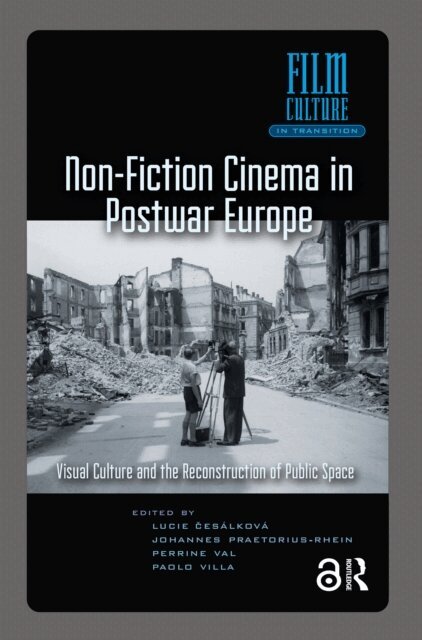
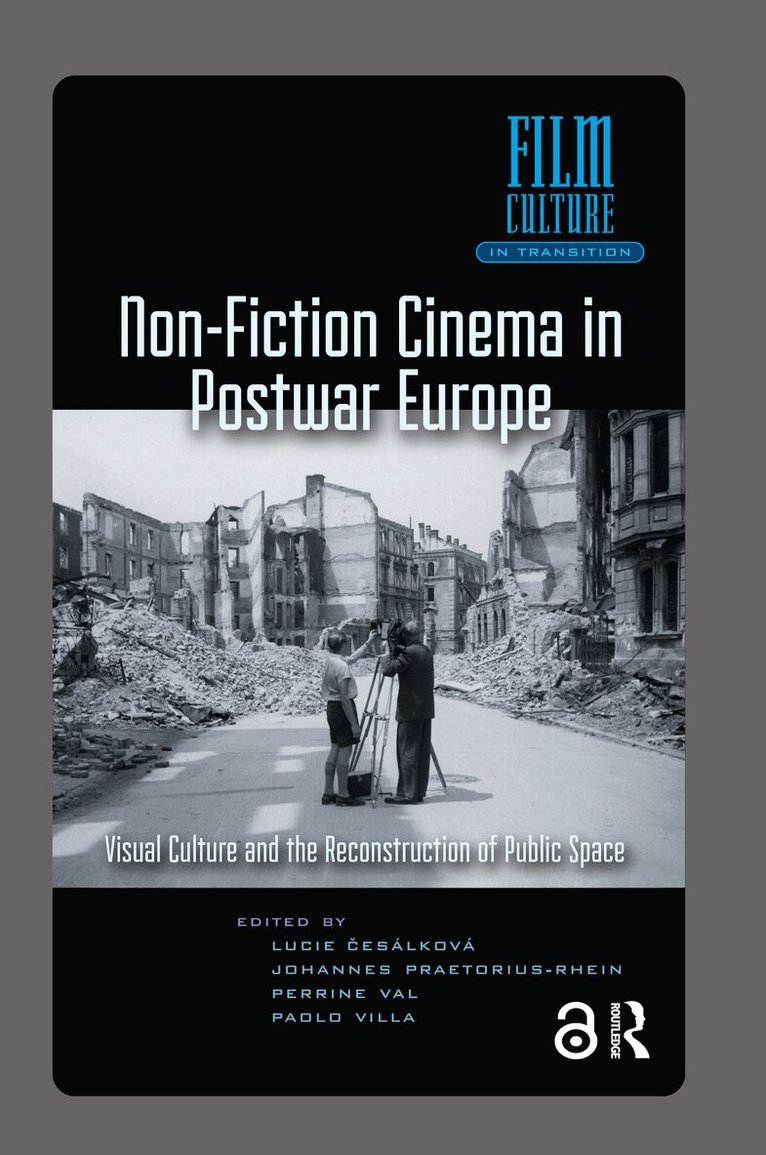
After WWII, cinema was everywhere: in movie theatres, public squares, factories, schools, trial courts, trains, museums, and political meetings. Seen today, documentaries and newsreels, as well as the amateur production, show the kaleidoscopic portrait of a changing Europe. How did these cinematic images contribute to shaping the new societies emerging from the ashes of war, both in the Western and in the Eastern bloc? Why were they so crucial in framing and regulating new places and practices, political systems, economic dynamics, educational frameworks, and memory communities? This edited volume explores the multiple ways nonfiction cinema reconfigured public spaces, collective participation, democratisation, and governmentality between 1944 and 1956. Looking back at it through a transnational perspective and the critical category of spatiality, nonfiction cinema appears in a new light: simultaneously as a specifically situated and as a highly mobile medium, it was a fundamental agent in reshaping Europe's shared identity and culture in a defining decade.
E-bok
Engelska, 2025719 kr
Läs direkt efter köp
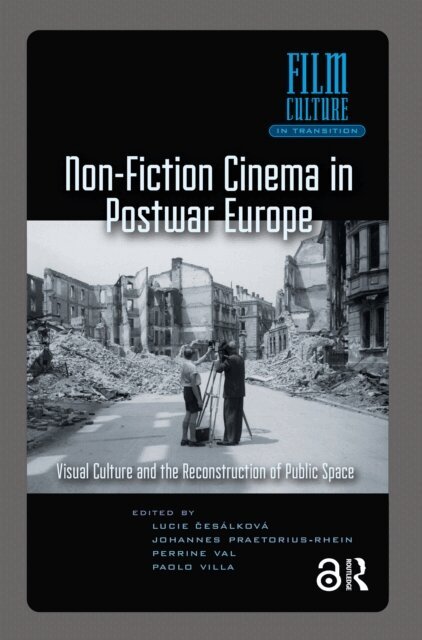
After WWII, cinema was everywhere: in movie theatres, public squares, factories, schools, trial courts, trains, museums, and political meetings. Seen today, documentaries and newsreels, as well as the amateur production, show the kaleidoscopic portrait of a changing Europe. How did these cinematic images contribute to shaping the new societies emerging from the ashes of war, both in the Western and in the Eastern bloc? Why were they so crucial in framing and regulating new places and practices, political systems, economic dynamics, educational frameworks, and memory communities? This edited volume explores the multiple ways nonfiction cinema reconfigured public spaces, collective participation, democratisation, and governmentality between 1944 and 1956. Looking back at it through a transnational perspective and the critical category of spatiality, nonfiction cinema appears in a new light: simultaneously as a specifically situated and as a highly mobile medium, it was a fundamental agent in reshaping Europe's shared identity and culture in a defining decade.
Häftad, Engelska, 2025
671 kr
Skickas inom 10-15 vardagar
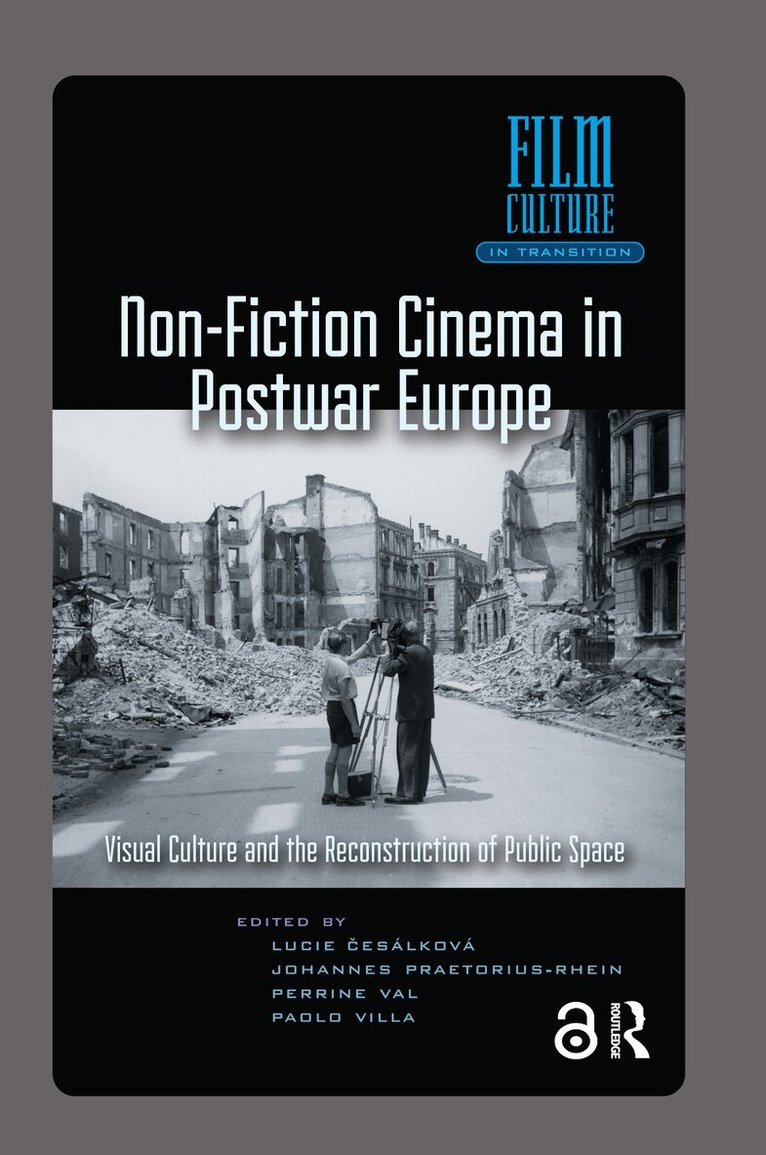
After WWII, cinema was everywhere: in movie theatres, public squares, factories, schools, trial courts, trains, museums, and political meetings. Seen today, documentaries and newsreels, as well as the amateur production, show the kaleidoscopic portrait of a changing Europe. How did these cinematic images contribute to shaping the new societies emerging from the ashes of war, both in the Western and in the Eastern bloc? Why were they so crucial in framing and regulating new places and practices, political systems, economic dynamics, educational frameworks, and memory communities? This edited volume explores the multiple ways nonfiction cinema reconfigured public spaces, collective participation, democratisation, and governmentality between 1944 and 1956. Looking back at it through a transnational perspective and the critical category of spatiality, nonfiction cinema appears in a new light: simultaneously as a specifically situated and as a highly mobile medium, it was a fundamental agent in reshaping Europe’s shared identity and culture in a defining decade.
Del 27 - Jüdische Kulturgeschichte in der Moderne
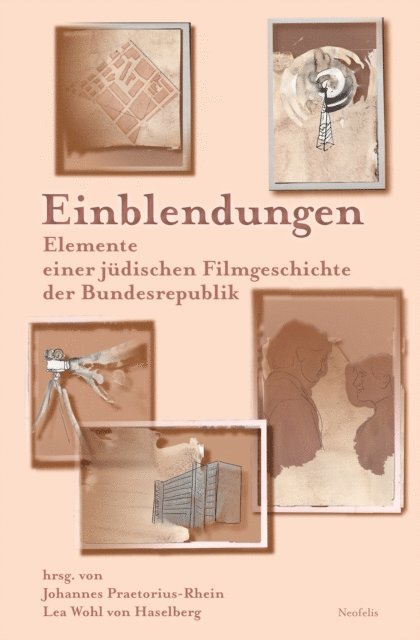
Einblendungen
Häftad, Tyska, 2022
165 kr
Skickas inom 3-6 vardagar
E-bok
PDF, Tyska, 2022149 kr
Läs direkt efter köp
Jüdische Filmgeschichte, davon geht dieser Band aus, steht quer zu Erzählungen des Nationalkinos. Sie lässt sich deshalb am besten von den Rändern der Filmgeschichte her schreiben. Im Rahmen des Forschungsnetzwerks "Deutsch-jüdische Filmgeschichte der BRD" ist deshalb eine besondere Form kollaborativen Schreibens erkundet worden: Zu elementaren Stichworten werden kurze Texte unterschiedlicher Autor*innen versammelt, die ihren Fokus jeweils auf einzelne Anekdoten, Details und Irregularitäten legen, die zwar besonders auffällig oder beziehungsreich sind, die aber im wissenschaftlich und methodisch reflektierten Schreiben dennoch oft nur den Status von Fußnoten erlangen.Dabei sind es durchaus methodische Überlegungen, die es geboten erscheinen lassen, eine deutsch-jüdische Filmgeschichte nach 1945 auf einer solchen Basis zu entwickeln: Die Jüdischkeit zahlreicher Filmschaffender in der Bundesrepublik kommt nämlich in der kanonischen Filmhistoriografie in der Regel nur durch vereinzelte Biografismen oder implizit verbleibende Zuschreibungen zur Geltung oder wird als lebensgeschichtliches Datum erwähnt. In jedem Fall gewinnt sie kein eigenes filmgeschichtliches Profil, sondern bleibt bruchstückhaft.Die Kompilation solcher historiografischer Bruchstücke kann es jedoch ermöglichen, so die These, durch Serialität die darin enthaltenen Muster erkennbar zu machen und zugleich ein Mosaik unterschiedlicher Erfahrungen zu gewinnen. Darüber hinaus ermöglicht das kollaborative Schreiben, eine Vielzahl von Autor*innen, die mit ganz unterschiedlichen Perspektiven und mit spezifischen Expertisen zu einer Vielzahl von Archivbeständen, Nachlässen und Filmen arbeiten, zusammenzubringen und zueinander in Beziehung zu setzen.Diese Serie wurde in der Zeitschrift Medaon bereits erprobt und erscheint nun in erweiterter Form auch als Buch.Mit Beiträgen von Tobias Ebbrecht-Hartmann, Imme Klages, Simone Nowicki, Johannes Praetorius-Rhein, Raphael Rauch, Naomi Rolef, Claudia Sandberg, Ulrike Schneider, Lisa Schoß, Julia Schumacher, Tirza Seene und Lea Wohl von Haselberg.
Inbunden, Engelska, 2024
2 316 kr
Skickas inom 10-15 vardagar
After WWII, cinema was everywhere: in movie theatres, public squares, factories, schools, trial courts, trains, museums, and political meetings. This edited volume explores the multiple ways nonfiction cinema reconfigured public spaces, collective participation, democratisation, and governmentality between 1944 and 1956.