John D. Collins - Böcker
Visar alla böcker från författaren John D. Collins. Handla med fri frakt och snabb leverans.
2 produkter
2 produkter
Del 1 - ECVPH Food safety assurance
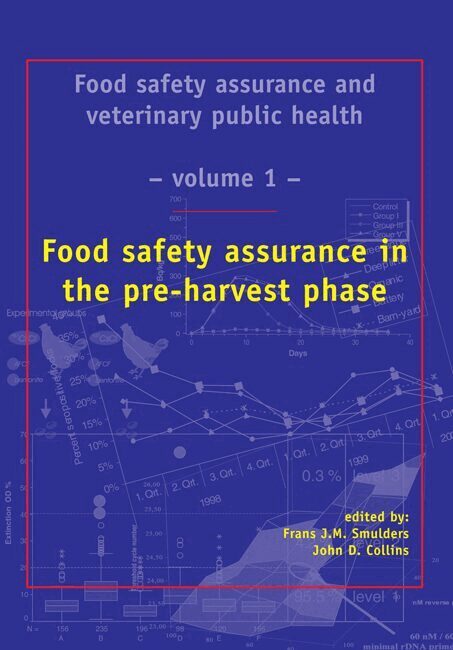
Food safety assurance in the pre-harvest phase
Inbunden, Engelska, 2002
2 468 kr
Skickas inom 5-8 vardagar
A considerable number of pre-harvest factors jeopardise the safety of foods of animal origin. These include factors related to the food animal environment (industrial activity in the immediate production surroundings leading to microbiological or chemical contamination), epidemiological factors resulting from intrinsic characteristics of classical and emerging microorganisms, an increasing degree of chemical pollution, husbandry / harvesting practices (particularly associated with animal feed), and veterinary activities introducing antibiotic resistancy of foodborne pathogens. All of these areas are addressed in this publication by scientists of worldwide repute and affiliated with both Academia and Industry. The involvement of Public Health strategians representing two most powerful tradeblocks (EU and USA) will be extremely important for the scientific community involved in Food Safety Assurance research, as the policies currently set out will inherently have severe impact on associated research strategies in the next decade.
2 468 kr
Skickas inom 5-8 vardagar
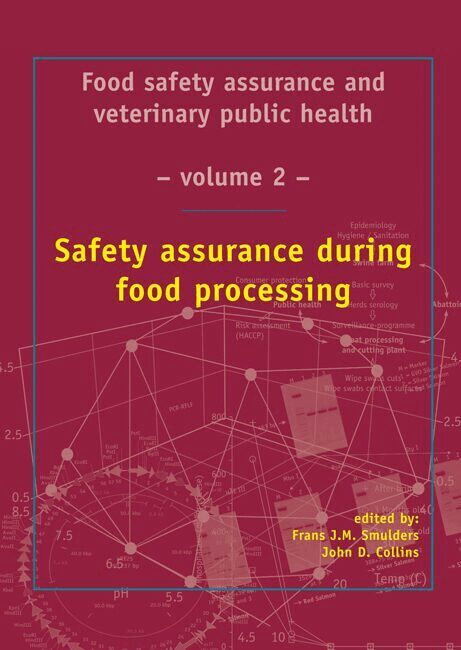
"Microbial agents (particularly bacteria) represent the greatest risk to public health. The traditional end-product oriented food inspection systems are inadequate for identifying and eliminating the usually symptomless animal carriers of agents causing foodborne infections and intoxications. Modern, risk-based, prevention approaches are the only effective way to reduce the prevalence of these hazards from our foods. As an additional 'safety-valve' microbial decontamination procedures are currently being suggested and its implementation in industrial food processing has, at least in some parts of the world, met with governmental approval. The residues in foods of some non-microbial agents have more recently also caused substantial consumer disquiet. This equally applies to non-conventional foods containing GMO's.In this publication these issues are addressed by invited expert scientists from various disciplines, many of which have key-positions in EU-funded research programmes on these very topics and/or are advisers to international public health bodies. The editors firmly believe that the very nature of the theme, the excellence of the papers and the holistic approach chosen will draw an audience from both an industry and academic background."