John Daniel – författare
584 kr
Läs direkt efter köp
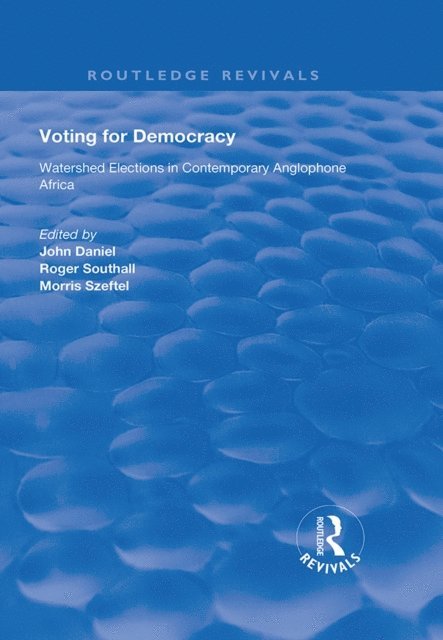
First published in 1999, the essays in this book examine the context and conduct of a series of watershed elections held in Anglophone Africa in the first half of the 1990s. These elections crystallized a wider process of democratization, underway in much of sub-Saharan Africa during the last decade, in which attempts were made to shift from various forms of authoritarian rule (colonial or racial oligarchies, military regimes, one-party states, or presidential rule) to pluralist parliamentary politics.
This volume brings together for the first time, studies of these events in countries sharing a comparable legacy of British colonialism, an acquaintance with the Westminster constitutional tradition and related experiences of decolonization and democratic struggle. Written from a variety of perspectives by contributors with first-hand knowledge and long experience of research in Africa, the papers situate each election in its wider political context, examining the political forces at work and the events which gave rise to reform. All indicate that, despite Western pressure for reform and the influence of the collapse of the Soviet Bloc in Eastern Europe, internal African demands for democracy provided the primary driving force for change.
Not all the elections fulfilled the hopes invested in them. In Nigeria, they were annulled before all the votes had been counted. In Kenya, the disarray of the opposition ensured the return to power of the old order. Even where they produced a successful regime transition, the democratic credentials of the new governments were sometimes seriously flawed. Yet for all these limitations, these watershed elections signalled important progress for African democracy. They brought a formal end to colonial rule in Namibia and to three centuries of racial discrimination in South Africa. They brought changes of government through the ballot box in Zambia and Malawi, among the first instances in Africa of such change being accomplished without the use of force.
Above all, they provided African electorates with an opportunity to pass judgement on long-serving authoritarian regimes – with unequivocal results: in every case, when given the chance to vote, Africans voted for democracy.
584 kr
Läs direkt efter köp
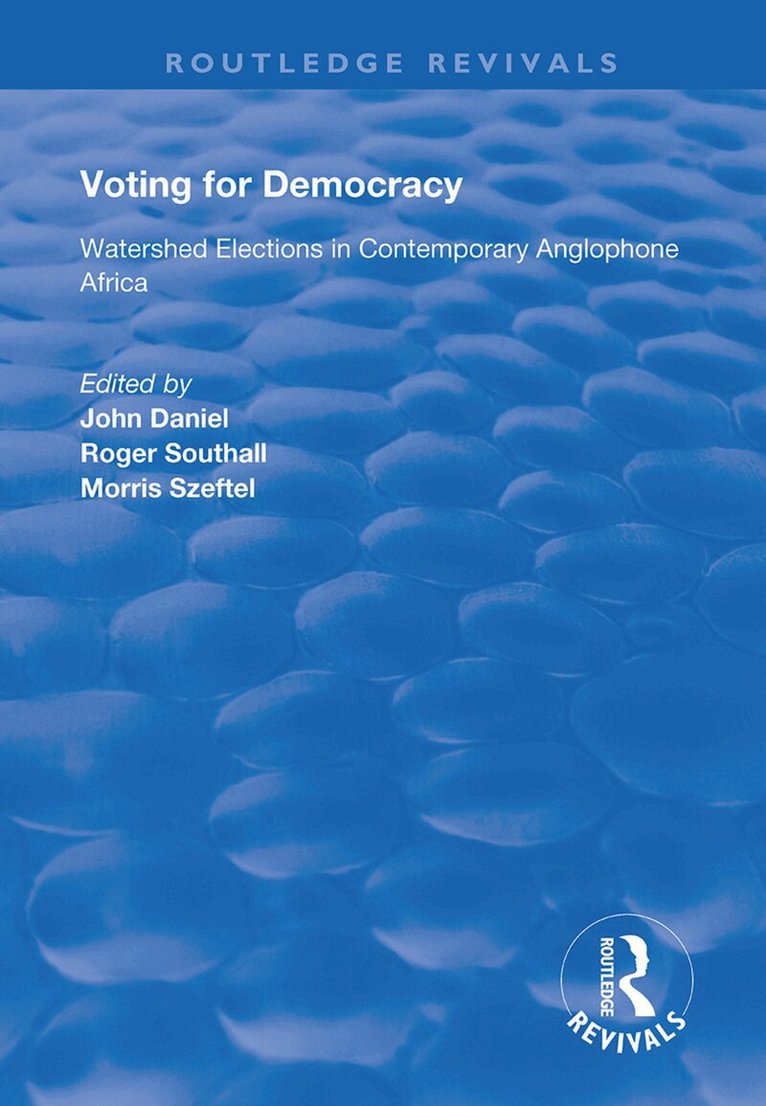
First published in 1999, the essays in this book examine the context and conduct of a series of watershed elections held in Anglophone Africa in the first half of the 1990s. These elections crystallized a wider process of democratization, underway in much of sub-Saharan Africa during the last decade, in which attempts were made to shift from various forms of authoritarian rule (colonial or racial oligarchies, military regimes, one-party states, or presidential rule) to pluralist parliamentary politics.
This volume brings together for the first time, studies of these events in countries sharing a comparable legacy of British colonialism, an acquaintance with the Westminster constitutional tradition and related experiences of decolonization and democratic struggle. Written from a variety of perspectives by contributors with first-hand knowledge and long experience of research in Africa, the papers situate each election in its wider political context, examining the political forces at work and the events which gave rise to reform. All indicate that, despite Western pressure for reform and the influence of the collapse of the Soviet Bloc in Eastern Europe, internal African demands for democracy provided the primary driving force for change.
Not all the elections fulfilled the hopes invested in them. In Nigeria, they were annulled before all the votes had been counted. In Kenya, the disarray of the opposition ensured the return to power of the old order. Even where they produced a successful regime transition, the democratic credentials of the new governments were sometimes seriously flawed. Yet for all these limitations, these watershed elections signalled important progress for African democracy. They brought a formal end to colonial rule in Namibia and to three centuries of racial discrimination in South Africa. They brought changes of government through the ballot box in Zambia and Malawi, among the first instances in Africa of such change being accomplished without the use of force.
Above all, they provided African electorates with an opportunity to pass judgement on long-serving authoritarian regimes – with unequivocal results: in every case, when given the chance to vote, Africans voted for democracy.
2 594 kr

Skickas inom 10-15 vardagar
1 116 kr
Skickas inom 5-8 vardagar
205 kr
Skickas inom 5-8 vardagar
430 kr
Skickas inom 5-8 vardagar
362 kr
Skickas inom 5-8 vardagar
207 kr
Skickas inom 5-8 vardagar
1 041 kr
Läs direkt efter köp
1 050 kr
Läs direkt efter köp
1 688 kr
Skickas inom 10-15 vardagar
511 kr
Skickas inom 10-15 vardagar
267 kr
Skickas inom 5-8 vardagar
263 kr
Skickas inom 5-8 vardagar
275 kr
Skickas inom 5-8 vardagar
267 kr
Skickas inom 5-8 vardagar
275 kr
Skickas inom 5-8 vardagar
267 kr
Skickas inom 5-8 vardagar
267 kr
Skickas inom 5-8 vardagar
184 kr
Skickas inom 5-8 vardagar
184 kr
Skickas inom 5-8 vardagar
268 kr
Skickas inom 5-8 vardagar
188 kr
Skickas inom 5-8 vardagar
184 kr
Skickas inom 5-8 vardagar
186 kr
Skickas inom 5-8 vardagar
184 kr
Skickas inom 5-8 vardagar
184 kr
Skickas inom 5-8 vardagar
185 kr
Skickas inom 5-8 vardagar
183 kr
Skickas inom 5-8 vardagar