John E. Simmons - Böcker
Visar alla böcker från författaren John E. Simmons. Handla med fri frakt och snabb leverans.
11 produkter
11 produkter
665 kr
Skickas inom 10-15 vardagar
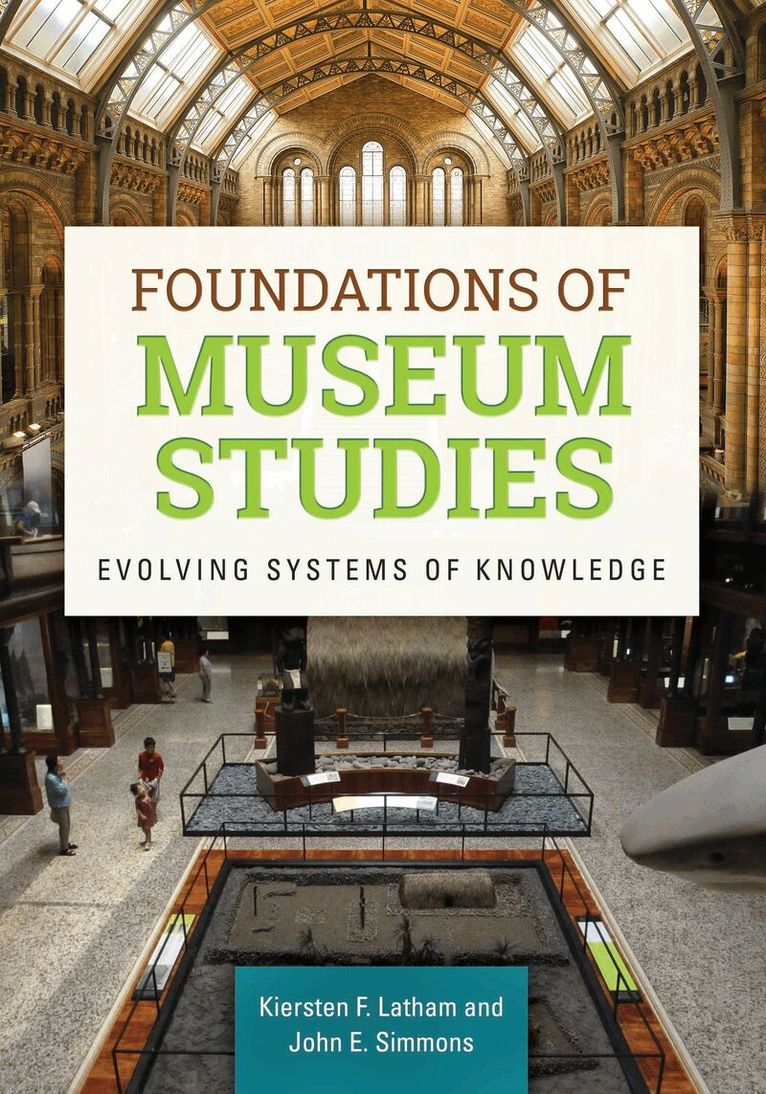
This broad introduction to museums benefits all educators who teach introductory museum studies, addressing the discipline from a holistic, dynamic, and document-centered perspective.Museums serve to help us understand the past and navigate our future—as individuals, as societies, and as a global community. A careful and accurate assessment of a museum's purpose is crucial to its ability to serve its users effectively. Foundations of Museum Studies: Evolving Systems of Knowledge offers a holistic introduction to museums and the study of them from the perspective of specialization in museum studies within the context of library and information science (LIS).The book strikes a balance between theory and practice, examining museums from a systems perspective that considers museums to be document-centered institutions—that objects are documents that generate and convey information, meaning, and inspiration. The authors utilize examples drawn from their experience with institutions in the United States that can be applied to museums across the world. Future museum professionals who read this book will have a broader perspective, an expanded skill set, and the adaptability to span the spectrum of traditional academic disciplines.
1 678 kr
Skickas inom 10-15 vardagar
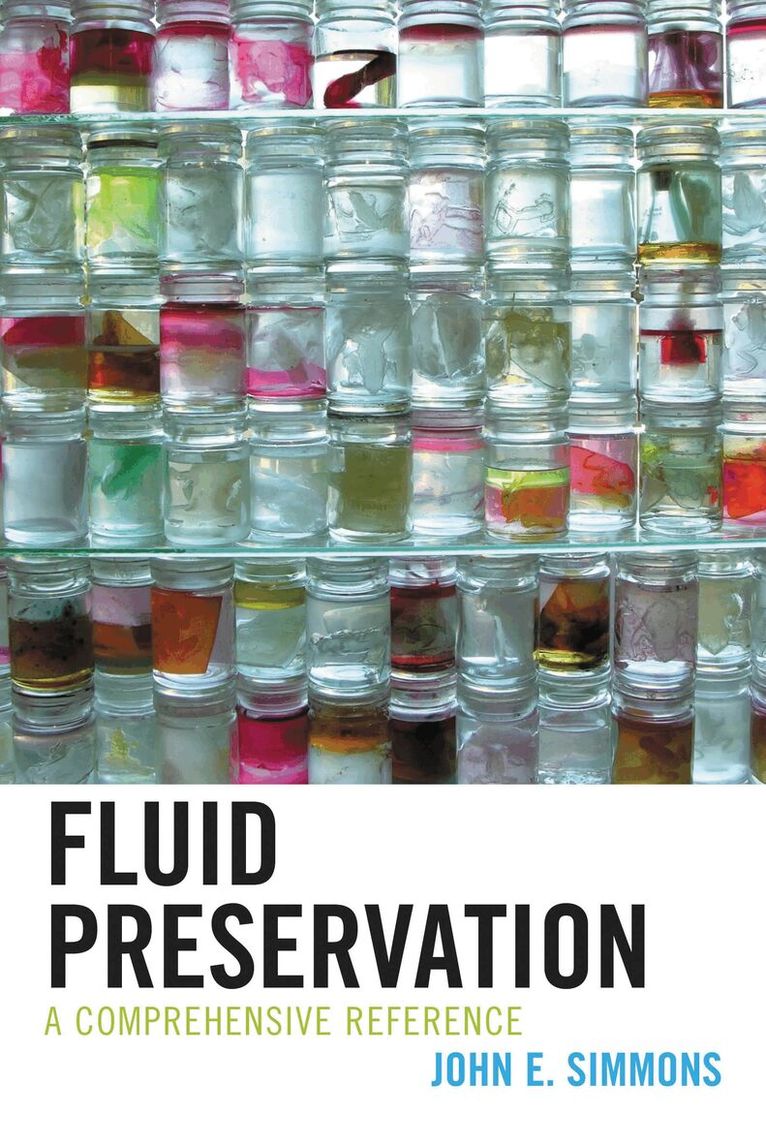
Fluid preservation refers to specimens and objects that are preserved in fluids, most commonly alcohol and formaldehyde, but also glycerin, mineral oil, acids, glycols, and a host of other chemicals that protect the specimen from deterioration. Some of the oldest natural history specimens in the world are preserved in fluid. Despite the fact that fluid preservation has been practiced for more than 350 years, this is the only handbook that summarize all that is known about this complex and often confusing topic. Fluid Preservation: A Comprehensive Reference covers the history and techniques of fluid preservation and how to care for fluid preserved specimens in collections. More than 900 references on fluid preservation were reviewed for this project.An historical survey of preservative recipes provides for guidance for museums with older collections (many fluid preservatives contain hazardous chemicals). Current standards and best practices for collection care and management are presented.Current and controversial topics (e.g., the preservation of DNA, alternatives to alcohol and formaldehyde) are discussed and fully referenced.Health and safety issues involved with caring for fluid preserved collections are discussed.The final chapter addresses fluid preserved specimens as cultural products and their use in art, literature, film, and song.Although most fluid-preserved specimens are found in natural history and medical museums, it is not at all uncommon to find them in art museums, history museums, and science centers. In addition to animals, plants, and anatomical specimens, fluid preserved collections include some minerals and fossils and many other objects. Fluid Preservation is an essential reference for: Natural history curatorsNatural history collections managers ConservatorsMedical and anatomical museum collections managers and curatorsArt and history museum staff who have fluid preserved specimens and objects in their care (e.g., works by Damien Hirst)Private collectorsResearchers using museum collections as sources of DNA, isotopes, etc.Health and safety professionalsExhibit planners and designersMuseum facilities planners and managersPeople interested in the history of sciencePeople interested in the history of natural history museumsMuseum studies students
1 245 kr
Skickas inom 10-15 vardagar
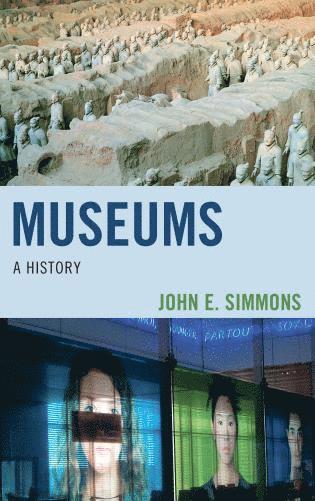
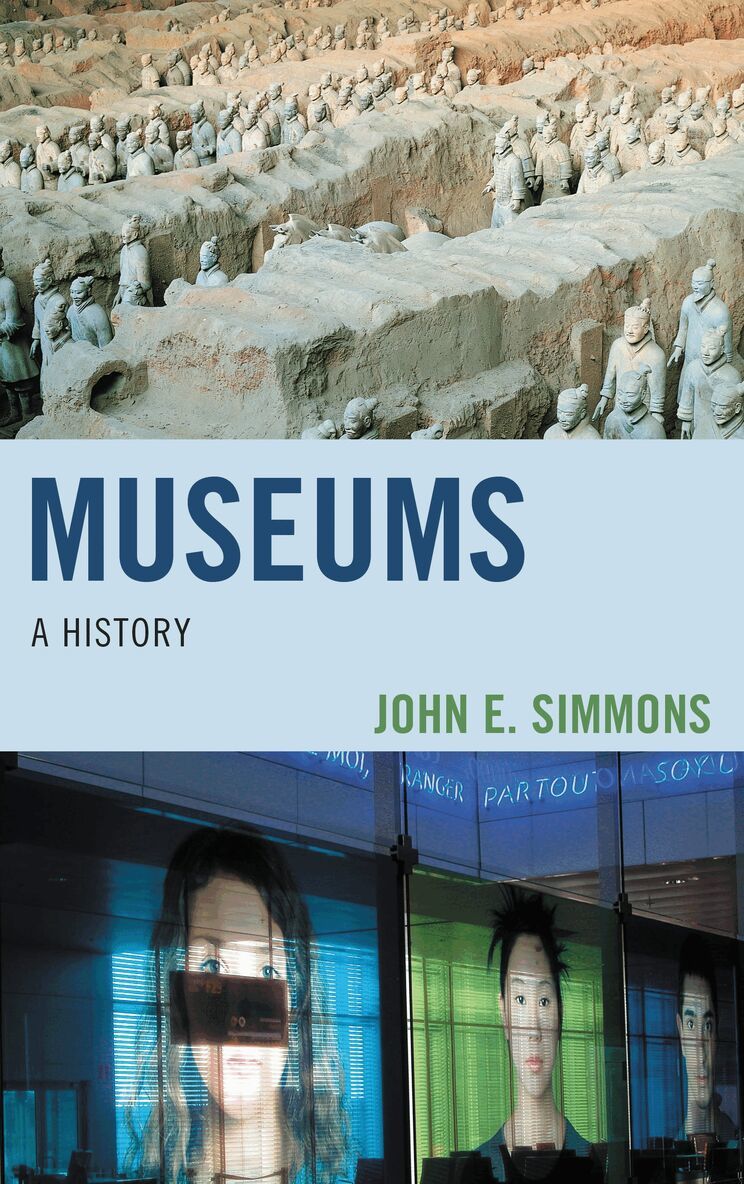
This comprehensive history of museums begins with the origins of collecting in prehistory and traces the evolution of museums from grave goods to treasure troves, from the Alexandrian Temple of the Muses to the Renaissance cabinets of curiosities, and onto the diverse array of modern institutions worldwide. The development of museums as public institutions is explored in the context of world history with a special emphasis on the significance of objects and collecting. The book examines how the successful exportation of the European museum model and its international adaptations have created public institutions that are critical tools in diverse societies for understanding the world. Rather than focusing on a specialized aspect of museum history, this volume provides a comprehensive synthesis of museums worldwide from their earliest origins to the present. Museums: A History tells the fascinating story of how museums respond to the needs of the cultures that create them.Readers will come away with an understanding of:the comprehensive history of museums from prehistoric collections to the presentthe evolution of museums presented in the context of world historythe development of museums considered in diverse cultural contextsglobal perspective on museumsthe object-centered history of museumsmuseums as memory institutionsA constant theme throughout the book is that museums have evolved to become institutions in which objects and learning are associated to help human beings understand the world around them. Illustrations amplify the discussions.
2 166 kr
Skickas inom 10-15 vardagar
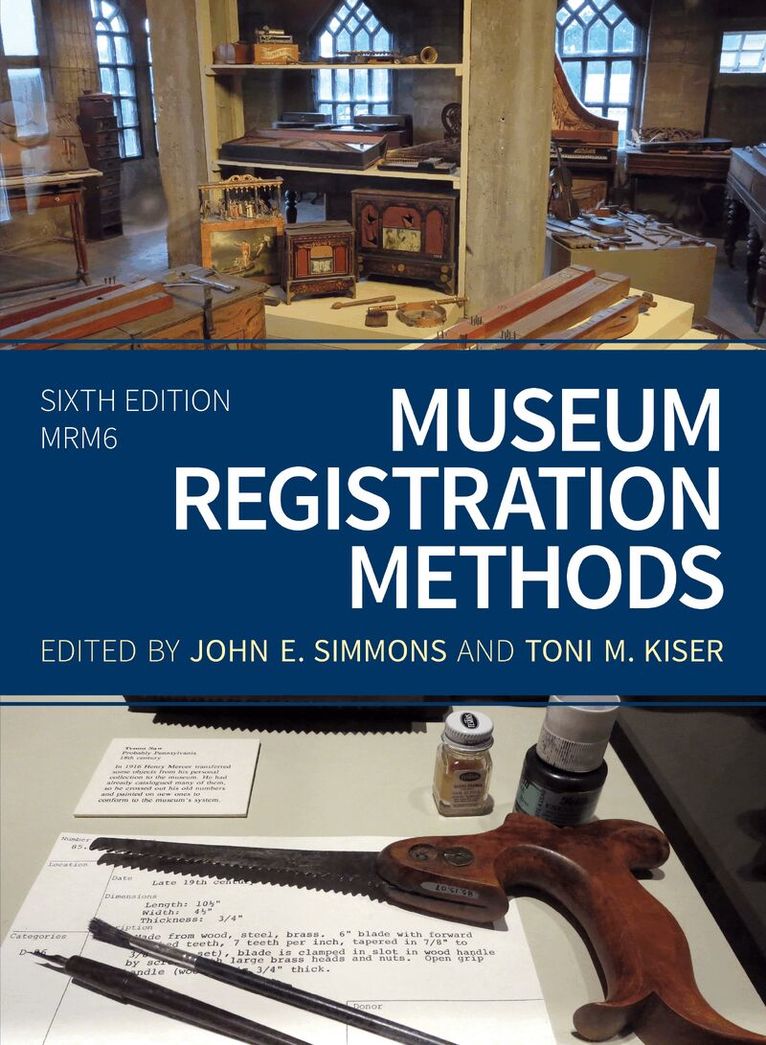
Since the first edition was published in 1958, Museum Registration Methods has defined the profession and served as a fundamental reference for all aspects of collections registration, care, and management. The sixth edition of Museum Registration Methods is a comprehensive guide to registration and collections management for museums, from acquisition to use and deaccessioning. The authors and other contributors come from a wide variety of museums and specializations. The 56 chapters in this edition are either new or updated, and include the history of the profession, the role of the registrar in the museum, managing very large collections, developing and implementing collection management policies, documentation of collections, accessioning, condition reports, deaccessioning, repositories, and provenance research. Contemporary and digital art, living and natural history collections, loans, exhibitions, found-in-collection objects, shipping, records management, and electronic data management are also addressed, along with object handling and numbering, digitization, condition reporting, preventive care, storage on and off-site, inventory, moving and packing, shipping nationally and internationally, couriering, risk assessment, security, insurance, integrated pest management, ethics, sustainability, sacred and culturally sensitive objects, intellectual property rights, appraisal, ethical and legal issues, and research. The book includes a comprehensive resource list, glossary, hypothetical situations to ponder, and model collection forms.
1 251 kr
Skickas inom 10-15 vardagar
Since the first edition was published in 1958, Museum Registration Methods has defined the profession and served as a fundamental reference for all aspects of collections registration, care, and management. The sixth edition of Museum Registration Methods is a comprehensive guide to registration and collections management for museums, from acquisition to use and deaccessioning. The authors and other contributors come from a wide variety of museums and specializations. The 56 chapters in this edition are either new or updated, and include the history of the profession, the role of the registrar in the museum, managing very large collections, developing and implementing collection management policies, documentation of collections, accessioning, condition reports, deaccessioning, repositories, and provenance research. Contemporary and digital art, living and natural history collections, loans, exhibitions, found-in-collection objects, shipping, records management, and electronic data management are also addressed, along with object handling and numbering, digitization, condition reporting, preventive care, storage on and off-site, inventory, moving and packing, shipping nationally and internationally, couriering, risk assessment, security, insurance, integrated pest management, ethics, sustainability, sacred and culturally sensitive objects, intellectual property rights, appraisal, ethical and legal issues, and research. The book includes a comprehensive resource list, glossary, hypothetical situations to ponder, and model collection forms.
365 kr
Skickas inom 10-15 vardagar
This comprehensive history of museums begins with the origins of collecting in prehistory and traces the evolution of museums from grave goods to treasure troves, from the Alexandrian Temple of the Muses to the Renaissance cabinets of curiosities, and onto the diverse array of modern institutions worldwide. The development of museums as public institutions is explored in the context of world history with a special emphasis on the significance of objects and collecting. The book examines how the successful exportation of the European museum model and its international adaptations have created public institutions that are critical tools in diverse societies for understanding the world. Rather than focusing on a specialized aspect of museum history, this volume provides a comprehensive synthesis of museums worldwide from their earliest origins to the present. Museums: A History tells the fascinating story of how museums respond to the needs of the cultures that create them.Readers will come away with an understanding of:the comprehensive history of museums from prehistoric collections to the presentthe evolution of museums presented in the context of world historythe development of museums considered in diverse cultural contextsglobal perspective on museumsthe object-centered history of museumsmuseums as memory institutionsA constant theme throughout the book is that museums have evolved to become institutions in which objects and learning are associated to help human beings understand the world around them. Illustrations amplify the discussions.
1 126 kr
Skickas inom 10-15 vardagar
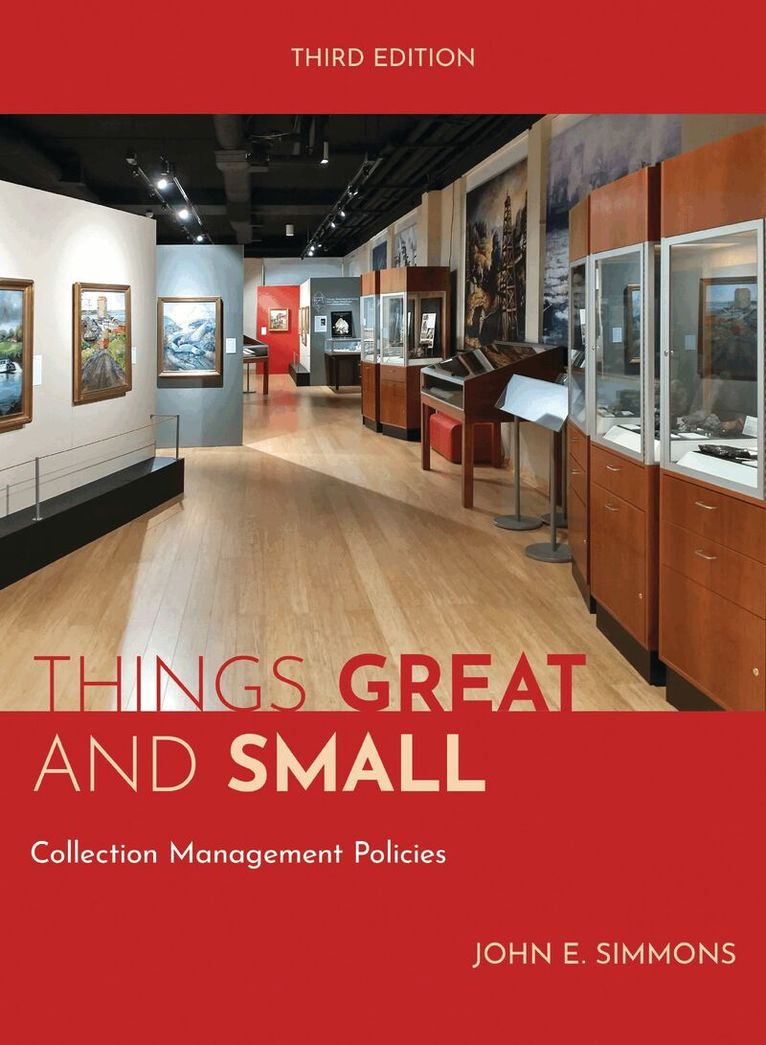
Collection care is a fundamental responsibility for museums and other collecting institutions, and the foundation of collection stewardship is good collection management policies. The new third edition of Things Great and Small continues to be a comprehensive resource for developing, implementing, and revising collection management policies and includes new information for addressing prolonged or permanent closure of museums, wider parameters for collection storage environments, and sustainable collection management practices to cope with climate change. Drawing on more than 50 years of experience as a collection manager, educator, consultant, and AAM Museum Assessment Program peer reviewer, John E. Simmons reviews the most recent collection management thinking and literature, helps determine which policies an institution needs, and provides guidance on policy content. In this new edition, coverage of critical areas is expanded, including digital objects, intellectual property rights, deaccessioning, decolonization, standards and best practices, collection storage environment parameters, managing off-site storage facilities, health and safety, laws and regulations, risk management, and sustainable collection management practices. With more than 50 tables and charts and model policy templates, this major publication is aimed at museums of all kinds, historic houses and sites, and other collecting institutions.
602 kr
Skickas inom 10-15 vardagar
Collection care is a fundamental responsibility for museums and other collecting institutions, and the foundation of collection stewardship is good collection management policies. The new third edition of Things Great and Small continues to be a comprehensive resource for developing, implementing, and revising collection management policies and includes new information for addressing prolonged or permanent closure of museums, wider parameters for collection storage environments, and sustainable collection management practices to cope with climate change. Drawing on more than 50 years of experience as a collection manager, educator, consultant, and AAM Museum Assessment Program peer reviewer, John E. Simmons reviews the most recent collection management thinking and literature, helps determine which policies an institution needs, and provides guidance on policy content. In this new edition, coverage of critical areas is expanded, including digital objects, intellectual property rights, deaccessioning, decolonization, standards and best practices, collection storage environment parameters, managing off-site storage facilities, health and safety, laws and regulations, risk management, and sustainable collection management practices. With more than 50 tables and charts and model policy templates, this major publication is aimed at museums of all kinds, historic houses and sites, and other collecting institutions.
1 258 kr
Skickas inom 10-15 vardagar
A holistic introduction to museum theory and practice, this second edition is designed to be the core introductory text for any foundational museum studies course being taught in any discipline.You’ll examine the evolution, divergence, definition, and legal organization of museums in the context of collections of objects and how museums perform the basic functions of preservation, communication, and research. Through the lens of museological theory and a systems approach, you’ll learn how museum objects are managed by professionals and used by the public and scholars. You’ll get an overview of contemporary museums worldwide and think through the future of museums. Useful as an introductory text for any foundational museum studies course – whether in library and information science, museum studies, or a related area – this text’s unique perspective approaches museums as communicative knowledge systems that deal with people, objects, and ideas. The second edition includes new material on museum careers, legal issues, globalization, climate change, positive museology, and museums and sustainability.This foundational text is adaptable to a broad range of courses and disciplines when paired with supplementary readings.
577 kr
Skickas inom 7-10 vardagar
A holistic introduction to museum theory and practice, this second edition is designed to be the core introductory text for any foundational museum studies course being taught in any discipline.You’ll examine the evolution, divergence, definition, and legal organization of museums in the context of collections of objects and how museums perform the basic functions of preservation, communication, and research. Through the lens of museological theory and a systems approach, you’ll learn how museum objects are managed by professionals and used by the public and scholars. You’ll get an overview of contemporary museums worldwide and think through the future of museums. Useful as an introductory text for any foundational museum studies course – whether in library and information science, museum studies, or a related area – this text’s unique perspective approaches museums as communicative knowledge systems that deal with people, objects, and ideas. The second edition includes new material on museum careers, legal issues, globalization, climate change, positive museology, and museums and sustainability.This foundational text is adaptable to a broad range of courses and disciplines when paired with supplementary readings.
1 226 kr
Skickas inom 7-10 vardagar
This revised edition of Fluid Preservation: A Comprehensive Reference has been updated with a wealth of new research published during the last decade on preserving specimens in alcohol, formaldehyde, and other fluids. The text includes an expanded comprehensive bibliography and sections on managing fluid-preserved collections, determining preservative concentration, storage environments, preservation history and techniques, anatomical preparations, health and safety, fluid-preserved specimens in art and history museums, and cultural interpretations of fluid preservation in art, literature, and film. Although fluid preservation has been practiced for more than 350 years, Fluid Preservation: A Comprehensive Reference remains the only reference that thoroughly summarizes current knowledge about this complex and often confusing topic.