John Fender – författare
Visar alla böcker från författaren John Fender. Handla med fri frakt och snabb leverans.
5 produkter
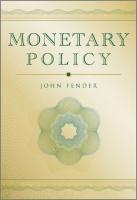
Monetary Policy
Av John Fender
Häftad, 2012
727 kr
Lägg i varukorg
Designed for advanced undergraduates in economics, this new text provides an up-to-date analysis of the practice and theory of monetary policy and discusses key models that tie in with contemporary research and policy. The transmission mechanism of monetary policy is given particular emphasis and …
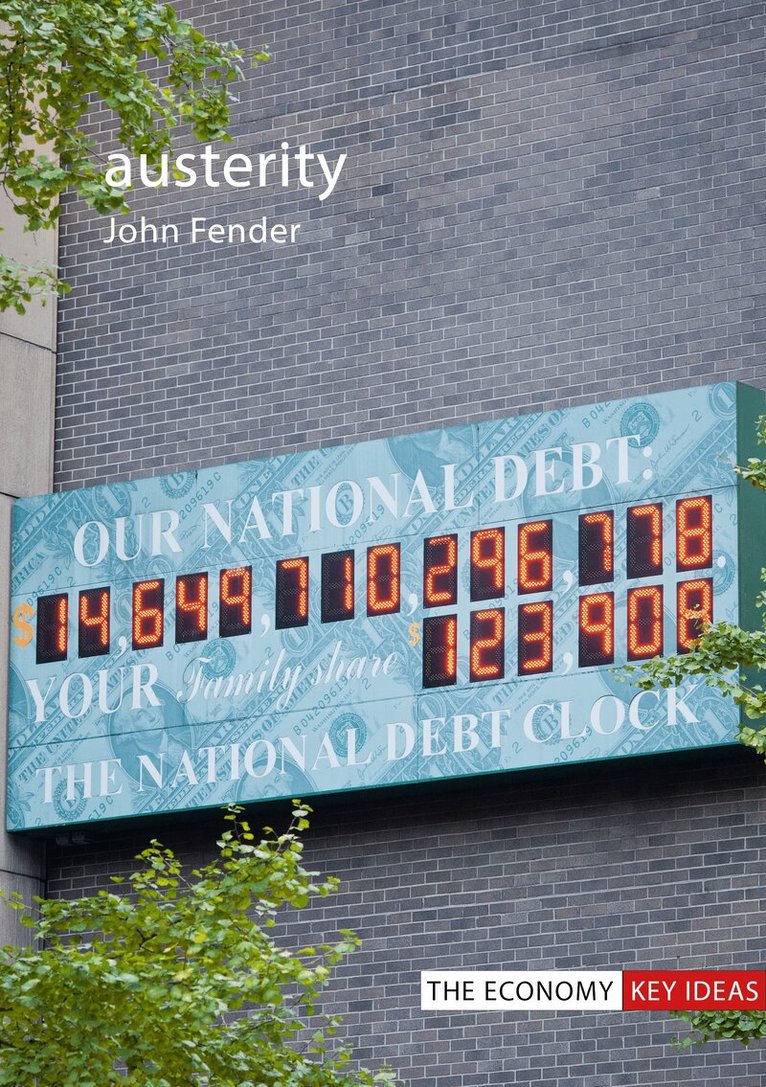
Austerity
When is it a mistake and when is it necessary?
Av John Fender
E-bok, 2020
385 kr
Lägg i varukorg
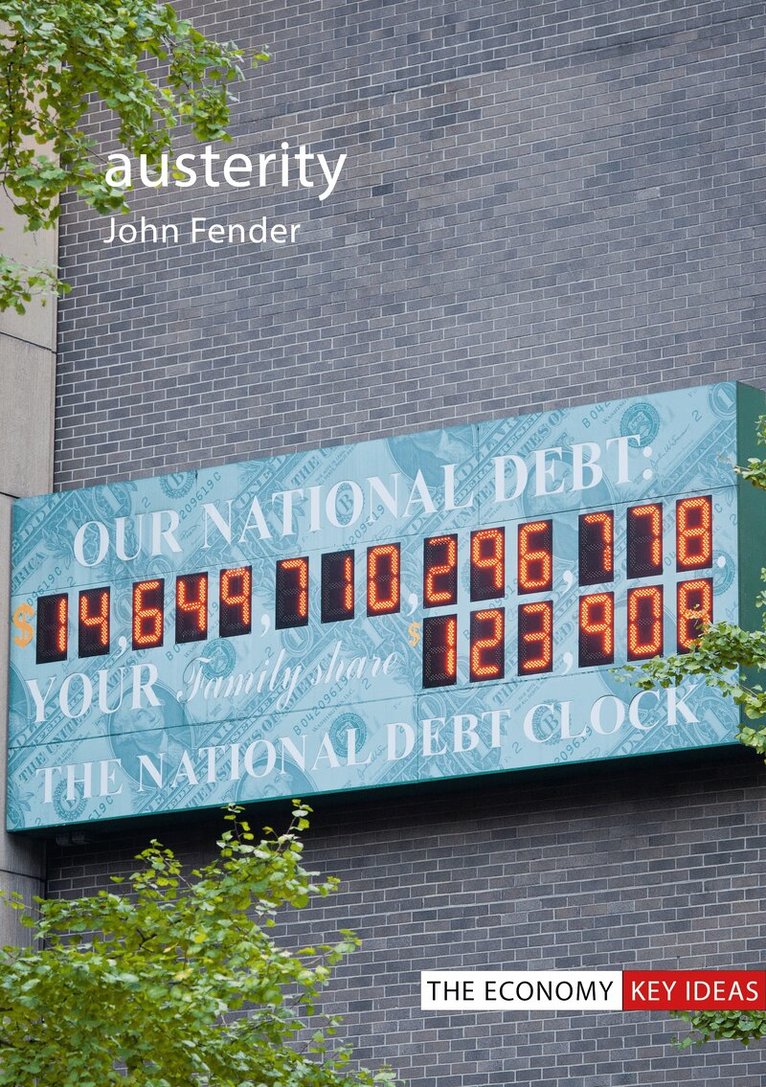
Austerity has dominated economic debate since the financial crisis of 2008. Governments have implemented austerity policies by reducing their spending on goods and services, increasing taxation and cutting welfare budgets. John Fender explains how austerity (or "fiscal consolidation") works in …
Austerity
When is it a mistake and when is it necessary?
Av John Fender
Inbunden, 2020
1303 kr
Lägg i varukorg
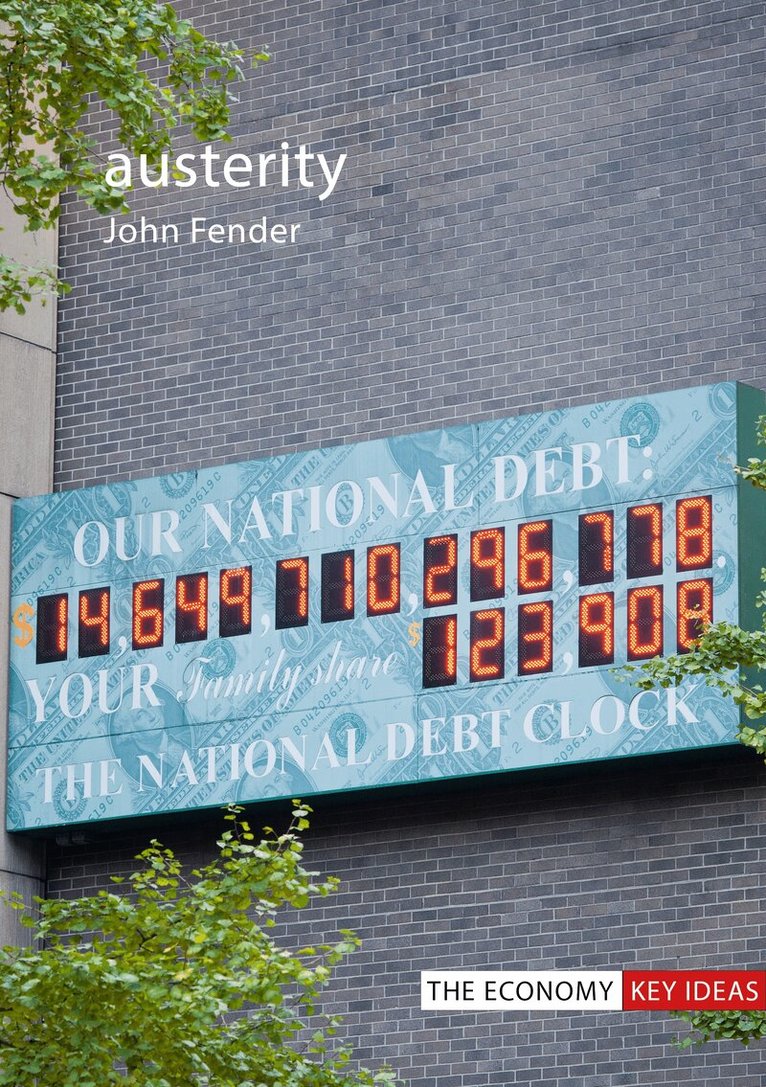
Austerity has dominated economic debate since the financial crisis of 2008. Governments have implemented austerity policies by reducing their spending on goods and services, increasing taxation and cutting welfare budgets.John Fender explains how austerity (or "fiscal consolidation") works in …
Austerity
When is it a mistake and when is it necessary?
Av John Fender
Häftad, 2020
341 kr
Lägg i varukorg
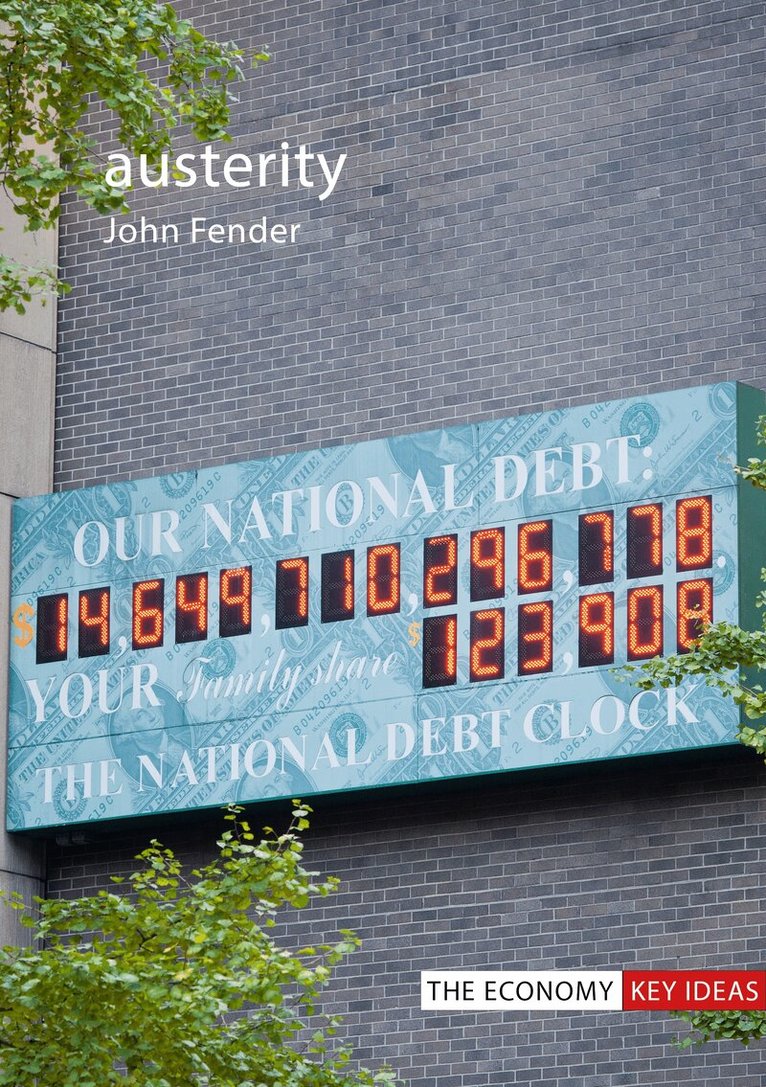
Austerity has dominated economic debate since the financial crisis of 2008. Governments have implemented austerity policies by reducing their spending on goods and services, increasing taxation and cutting welfare budgets.John Fender explains how austerity (or "fiscal consolidation") works in …
Austerity
When is it a mistake and when is it necessary?
Av John Fender
E-bok, 2020
394 kr
Lägg i varukorg
Austerity has dominated economic debate since the financial crisis of 2008. Governments have implemented austerity policies by reducing their spending on goods and services, increasing taxation and cutting welfare budgets. John Fender explains how austerity (or "fiscal consolidation") works in …