John Greenacre – författare
Visar alla böcker från författaren John Greenacre. Handla med fri frakt och snabb leverans.
7 produkter
7 produkter
Häftad, Engelska, 2023
160 kr
Skickas
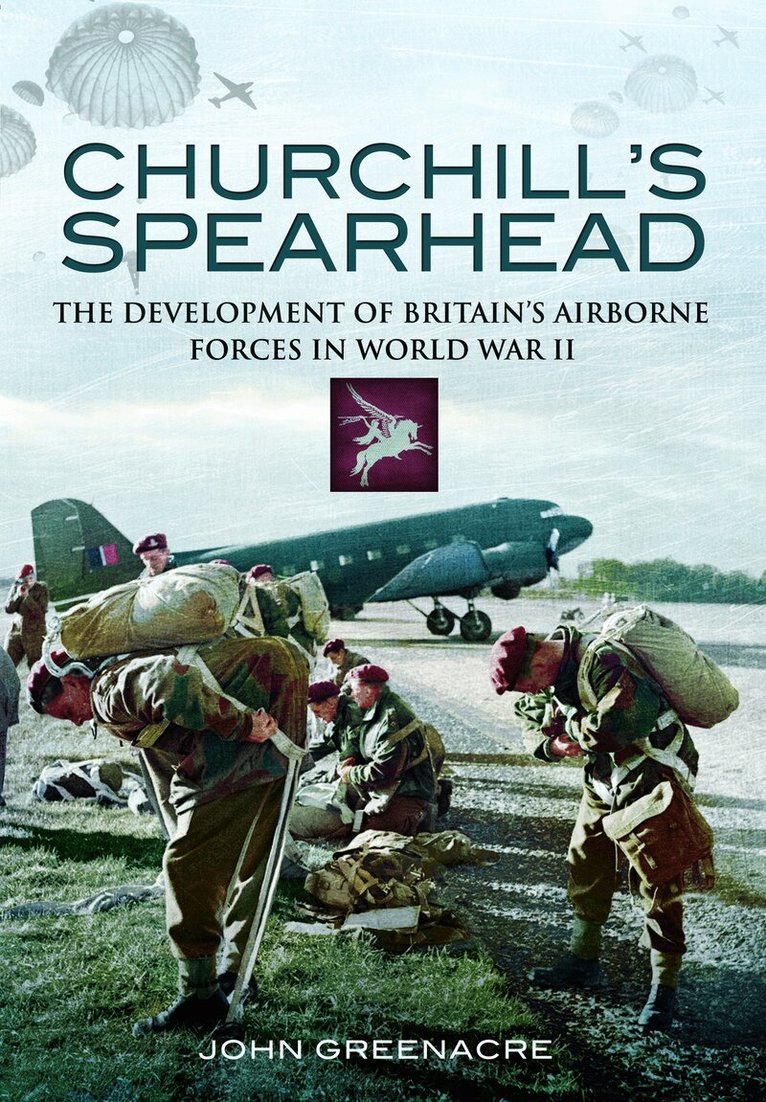
This book covers the inception, growth and employment of Britains airborne forces (parachute and glider-borne formations) between June 1940 and March 1945. It takes a comparative approach and follows tailored lines of development. Each of these lines - politics and policy, equipment and technology, personnel and training, command and control and concepts and doctrine - influence each other.The contents include:Politics and Policy: The political environment within which the major decisions were made concerning the concept of development of Britains airborne forces. Churchills personal contribution, the effect of inter-service rivalry and the influence of other government departments. Equipment and Technology: The methods and obstacles of procuring and supplying the bespoke equipment required by airborne forces. The supply of combat equipment, the provision of support aircraft and the procurement of gliders. Personnel and Training: The effort incurred to man the new force and the effect of different approaches to recruitment and training. The selection and recruitment of airborne personnel, the individual training of paratroops and glider pilots and the role of collective training prior to operations. Command and Control: The ability of individuals in key appointments to influence the path of development and the operational and tactical employment of the force. The reaction and approach of higher commanders to the new capability, the selection and impact of commanders within the airborne force and the influence of the airborne staff. Concept and Doctrine: Examines the manner in which Britains airborne forces were employed and performed on operations in the Mediterranean and northwest Europe. How the development of the airborne concept was influenced by physical constraints (equipment and personnel), the ideas of higher commanders and the German example. The impact of individual commanders and physical limitations.
E-bok
PDF, Engelska, 201014 kr
Läs direkt efter köp
This book covers the inception, growth and employment of Britains airborne forces (parachute and glider-borne formations) between June 1940 and March 1945. It takes a comparative approach and follows tailored lines of development. Each of these lines-politics and policy, equipment and technology, personnel and training, command and control and concepts and doctrine-influence each other.The contents include:Politics and Policy: The political environment within which the major decisions were made concerning the concept of development of Britains airborne forces. Churchills personal contribution, the effect of inter-service rivalry and the influence of other government departments. Equipment and Technology: The methods and obstacles of procuring and supplying the bespoke equipment required by airborne forces. The supply of combat equipment, the provision of support aircraft and the procurement of gliders. Personnel and Training: The effort incurred to man the new force and the effect of different approaches to recruitment and training. The selection and recruitment of airborne personnel, the individual training of paratroops and glider pilots and the role of collective training prior to operations. Command and Control: The ability of individuals in key appointments to influence the path of development and the operational and tactical employment of the force. The reaction and approach of higher commanders to the new capability, the selection and impact of commanders within the airborne force and the influence of the airborne staff. Concept and Doctrine: Examines the manner in which Britains airborne forces were employed and performed on operations in the Mediterranean and northwest Europe. How the development of the airborne concept was influenced by physical constraints (equipment and personnel), the ideas of higher commanders and the German example. The impact of individual commanders and physical limitations.
Inbunden, Engelska, 2024
364 kr
Skickas
Inbunden, Engelska, 2026
364 kr
Kommande
E-bok
Engelska, 2021108 kr
Läs direkt efter köp
This book covers the inception, growth and employment of Britain’s airborne forces (parachute and glider-borne formations) between June 1940 and March 1945. It takes a comparative approach and follows tailored lines of development. Each of these lines - politics and policy, equipment and technology, personnel and training, command and control and concepts and doctrine - influence each other.The contents include:Politics and Policy: The political environment within which the major decisions were made concerning the concept of development of Britain’s airborne forces. Churchill’s personal contribution, the effect of inter-service rivalry and the influence of other government departments. Equipment and Technology: The methods and obstacles of procuring and supplying the bespoke equipment required by airborne forces. The supply of combat equipment, the provision of support aircraft and the procurement of gliders.Personnel and Training: The effort incurred to man the new force and the effect of different approaches to recruitment and training. The selection and recruitment of airborne personnel, the individual training of paratroops and glider pilots and the role of collective training prior to operations.Command and Control: The ability of individuals in key appointments to influence the path of development and the operational and tactical employment of the force. The reaction and approach of higher commanders to the new capability, the selection and impact of commanders within the airborne force and the influence of the airborne staff.Concept and Doctrine: Examines the manner in which Britain’s airborne forces were employed and performed on operations in the Mediterranean and northwest Europe. How the development of the airborne concept was influenced by physical constraints (equipment and personnel), the ideas of higher commanders and the German example. The impact of individual commanders and physical limitations.
E-bok
Engelska, 2021127 kr
Läs direkt efter köp
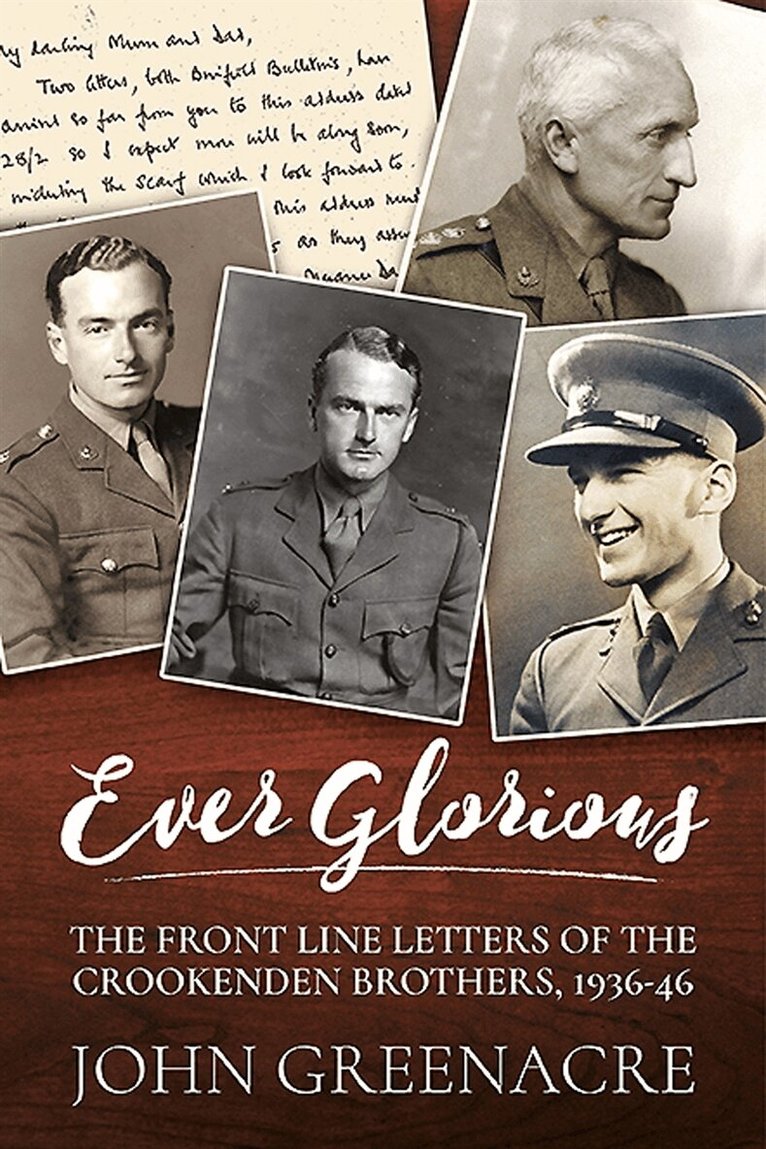
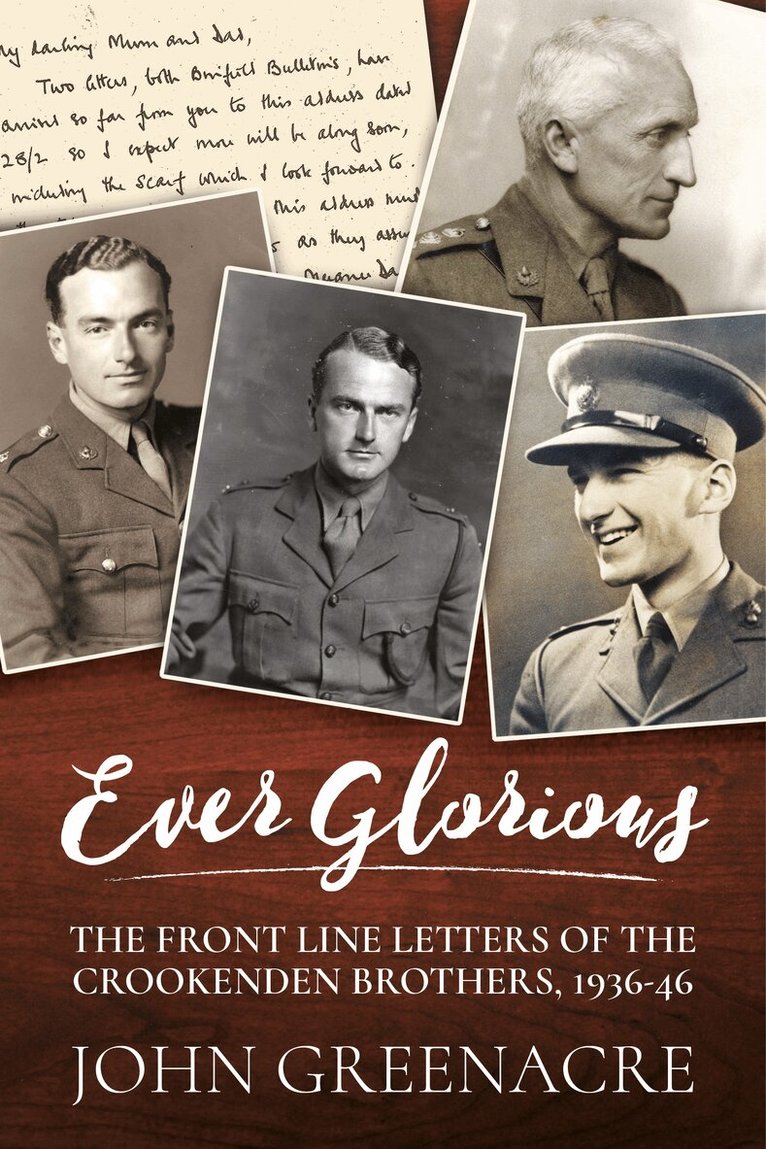
The Crookenden brothers – Henry, Napier and Spencer - were born into a military dynasty. Their father, Arthur, was a renowned Cheshire Regiment officer and had served as a Brigade Major in Gallipoli and on the Western Front during the First World War. Napier followed in his father’s footsteps - becoming an officer in the Cheshire Regiment - and saw action during the Arab Revolt in Palestine in 1936. On the outbreak of the Second World War, Napier’s brothers followed him into the army for war service: Henry in the Queen’s Westminster Rifles and the King’s Royal Rifle Corps and Spencer in the Royal Engineers. Spencer and Henry’s wartime service took a different course to their brother. While Napier languished in a succession of unrewarding posts in Great Britain, his brothers fought across North Africa and into Italy. Napier - desperate to see action - joined the new airborne arm and, as a Brigade Major, arrived in Normandy by glider on D-Day. Promotion followed rapidly and he took over a parachute battalion before returning to England. As the pace of the war increased, Napier found himself continually in the front line. His battalion fought in the Battle of the Bulge and he parachuted at its head during the Rhine crossing operation. Napier pursued the German Army across its homeland - reaching the Baltic, where he finished the war facing down the Russian Army in Wismar on VE Day. With the war over, the brothers’ fortunes once again took different paths. Henry and Spencer left with the effects of wounds and illness sustained during the war, and returned to civilian life to pursue full careers and lives. Napier stayed with the army and saw operational service in Palestine once again and Malaya. He retired in 1972 as a three-star General. Ever Glorious is written through the letters exchanged between Henry, Napier, Spencer and their father, Arthur. The book takes the reader from Gallipoli to the Baltic; North Africa to the Ardennes; Normandy to Palestine; and from Italy to Malaya. Often gripping - sometimes amusing and always insightful - these letters reveal the experiences, thoughts and emotions of a family involved in war across the 20th century.EPUB3: Reflowable
Inbunden, Engelska, 2016
270 kr
Tillfälligt slut