John Laughland – författare
Visar alla böcker från författaren John Laughland. Handla med fri frakt och snabb leverans.
12 produkter
12 produkter
Häftad, Engelska, 2016
263 kr
Skickas inom 5-8 vardagar
Häftad, Engelska, 2006
295 kr
Skickas inom 5-8 vardagar
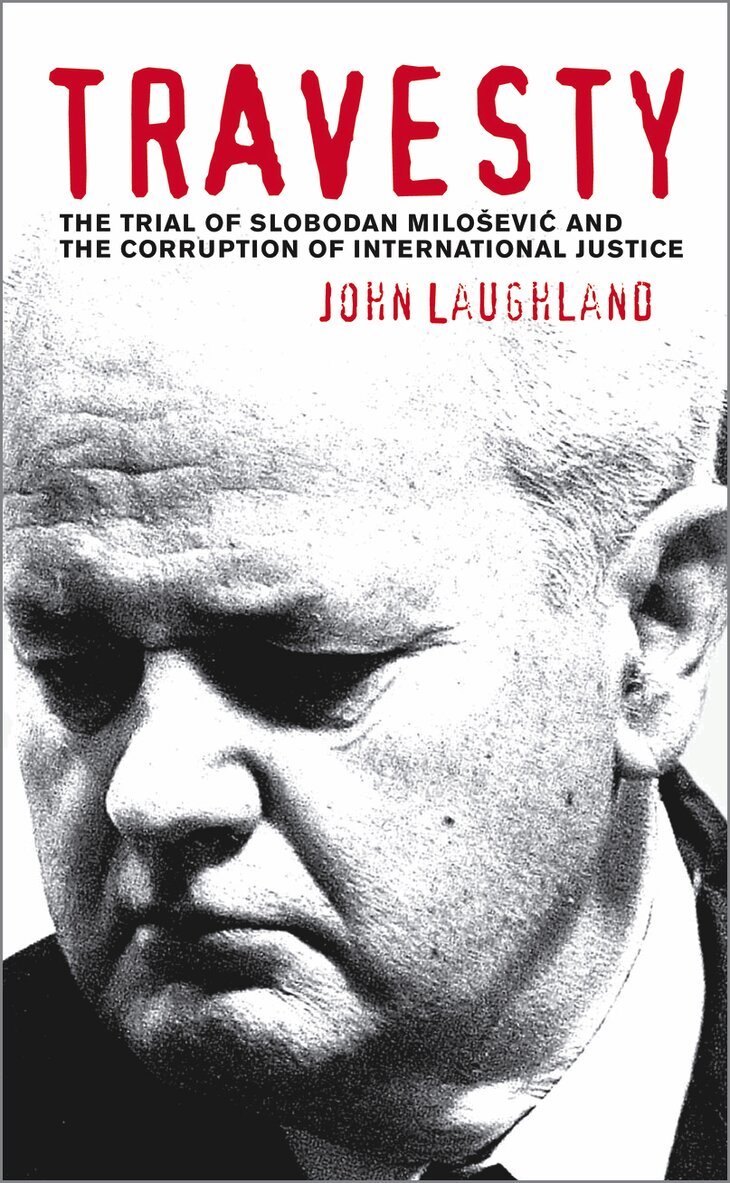
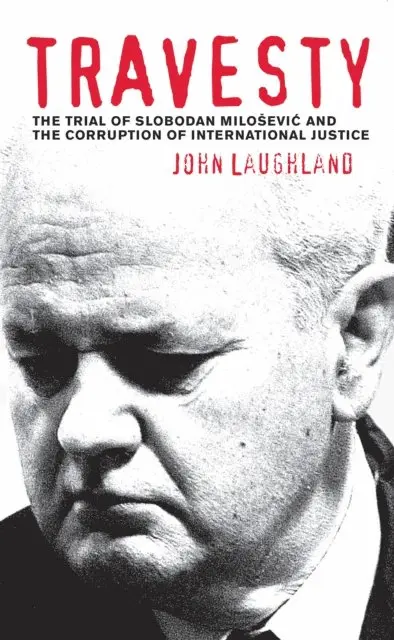
Slobodan Milosevic died in prison in 2006 during a four-year marathon trial at The Hague for war crimes. John Laughland was one of the last Western journalists to meet him. He followed the trial from the beginning and wrote extensively on it, challenging the legitimacy of the Yugoslav Tribunal and the hypocrisy of 'international justice' in the Guardian and the Spectator.In this book Laughland gives a full account of the trial, which was the longest criminal trial in history. From the moment the indictment was issued at the height of NATO's attack on Yugoslavia to the day of Milosevic's mysterious death in custody. 'International justice' is supposed to hold war criminals to account but, as the trials of both Milosevic and Saddam Hussein show, the indictments are politically motivated and the judicial procedures are irredeemably corrupt. Laughland argues that international justice is an impossible dream and that such show trials are little more than a propaganda exercise designed to distract attention from the war crimes committed by Western states.
Inbunden, Engelska, 2007
2 206 kr
Skickas inom 10-15 vardagar
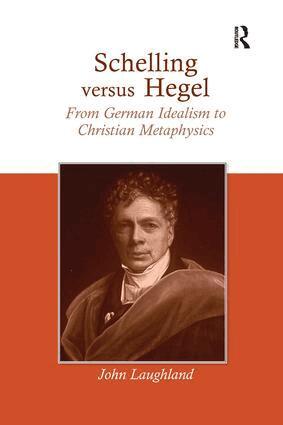
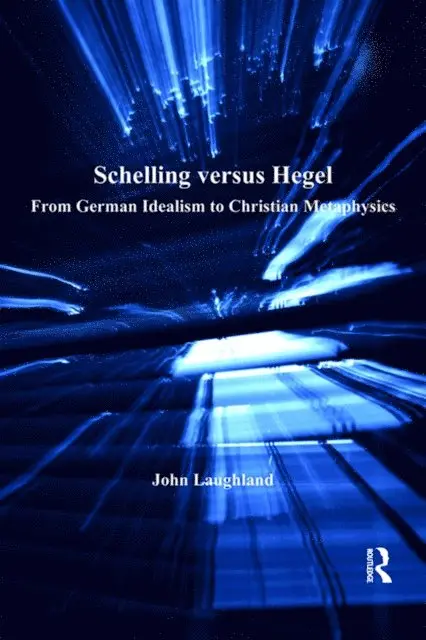
In tracing Friedrich von Schelling's long philosophical development, John Laughland examines in particular his disentanglement from German idealism and his reaction, later in life, against Hegel. He argues that this story has relevance beyond the facts themselves and that it explains much about the direction philosophy took in the century between the French Revolution and the rise of Communism. Schelling's development turned principally on the related questions of human liberty and the creation. Following a sharp disagreement with his old friend Hegel over the Phenomenology in 1807, Schelling wrote a short but brilliant essay on human freedom in 1809, after which he never published another word. In the remaining decades of his life (d. 1854) Schelling developed in an increasingly conservative and Christian direction, preoccupied with the relationship between Christianity and metaphysics. In numerous lectures and unpublished works, he attacked what he saw as the hubris and artificiality of Hegelian rationalism. However the path against which Schelling warned was the one which philosophy finally took. Schelling was determined to show how philosophy (especially ontology) explained and was explained by Christianity, and that both had been damaged by modern rationalism. But Hegel’s Marxist epigones who attended his later lectures scoffed and Hegelianism triumphed. This is an elegantly written and engaging study in the history of ideas of a philosopher on the losing side.
Häftad, Engelska, 2016
837 kr
Skickas inom 10-15 vardagar
In tracing Friedrich von Schelling's long philosophical development, John Laughland examines in particular his disentanglement from German idealism and his reaction, later in life, against Hegel. He argues that this story has relevance beyond the facts themselves and that it explains much about the direction philosophy took in the century between the French Revolution and the rise of Communism. Schelling's development turned principally on the related questions of human liberty and the creation. Following a sharp disagreement with his old friend Hegel over the Phenomenology in 1807, Schelling wrote a short but brilliant essay on human freedom in 1809, after which he never published another word. In the remaining decades of his life (d. 1854) Schelling developed in an increasingly conservative and Christian direction, preoccupied with the relationship between Christianity and metaphysics. In numerous lectures and unpublished works, he attacked what he saw as the hubris and artificiality of Hegelian rationalism. However the path against which Schelling warned was the one which philosophy finally took. Schelling was determined to show how philosophy (especially ontology) explained and was explained by Christianity, and that both had been damaged by modern rationalism. But Hegel’s Marxist epigones who attended his later lectures scoffed and Hegelianism triumphed. This is an elegantly written and engaging study in the history of ideas of a philosopher on the losing side.
Inbunden, Engelska, 2008
802 kr
Tillfälligt slut
Häftad, Engelska, 2008
295 kr
Tillfälligt slut
Häftad, Engelska, 2007
288 kr
Tillfälligt slut
Inbunden, Engelska, 2007
778 kr
Tillfälligt slut
Häftad, Engelska, 2007
288 kr
Tillfälligt slut
Inbunden, Engelska, 2008
778 kr
Tillfälligt slut
Häftad, Engelska, 2008
287 kr
Tillfälligt slut
Häftad, Engelska, 2018
302 kr
Tillfälligt slut