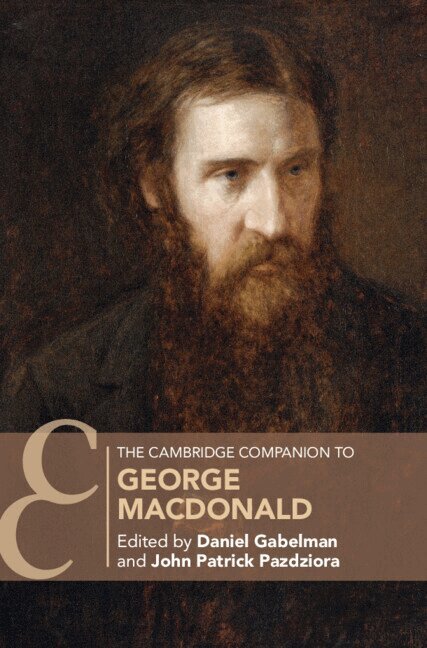
George MacDonald (1824-1905) remains one of the most persistently read and beloved of the Victorians. His fairy tales and children's books have delighted generations of young readers, while his sermons, essays, and poems still offer startling insights into life and literature. He has increasingly been recognised as one of Scotland's most important nineteenth-century novelists. Here, seventeen new essays from an international, diverse group of scholars illuminate the crucial aspects of MacDonald's remarkable, varied works. The chapters are organised around MacDonald's life, major genres, and central themes, and provide clear points of entry for students, researchers, and curious readers. For readers approaching MacDonald's works for the first time and for those renewing a long acquaintance, The Cambridge Companion to George MacDonald is an indispensable guide. With a foreword by Malcom Guite and an afterword by Roderick McGillis.
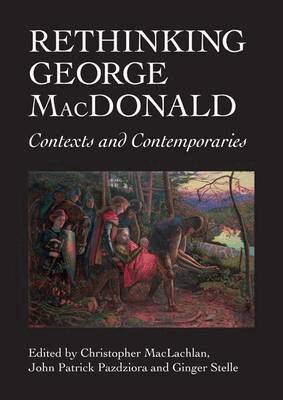
George MacDonald (1824 - 1905) is the acknowledged forefather of later fantasy writers such as C. S. Lewis and J. R. R. Tolkien: however, his place in his own time is seldom examined. This omission does MacDonald a grave disservice. By ignoring a fundamental aspect of what made MacDonald the man he was, the critical habit of viewing MacDonald's work only in terms of his followers reinforces the long-entrenched assessment that it has a limited value - one only for religious enthusiasts and fantasy lovers. The essays in this anthology seek to correct that omission, by looking directly at MacDonald the Victorian - at his place in the Victorian literary scene, at his engagement with the works of his literary contemporaries and at his interest in the social, political, and theological movements of his age. The resulting portrait reveals a MacDonald who deserves a more prominent place in the rich literary history of the nineteenth century than he has hitherto been given.