John Peter Oleson - Böcker
Visar alla böcker från författaren John Peter Oleson. Handla med fri frakt och snabb leverans.
7 produkter
7 produkter
2 258 kr
Skickas inom 5-8 vardagar
Nearly every aspect of daily life in the Mediterranean world and Europe during the florescence of the Greek and Roman cultures is relevant to the topics of engineering and technology. This volume highlights both the accomplishments of the ancient societies and the remaining research problems, and stimulates further progress in the history of ancient technology. The subject matter of the book is the technological framework of the Greek and Roman cultures from ca. 800 B.C. through ca. A.D. 500 in the circum-Mediterranean world and Northern Europe. Each chapter discusses a technology or family of technologies from an analytical rather than descriptive point of view, providing a critical summation of our present knowledge of the Greek and Roman accomplishments in the technology concerned and the evolution of their technical capabilities over the chronological period. Each presentation reviews the issues and recent contributions, and defines the capacities and accomplishments of the technology in the context of the society that used it, the available "technological shelf," and the resources consumed. These studies introduce and synthesize the results of excavation or specialized studies. The chapters are organized in sections progressing from sources (written and representational) to primary (e.g., mining, metallurgy, agriculture) and secondary (e.g., woodworking, glass production, food preparation, textile production and leather-working) production, to technologies of social organization and interaction (e.g., roads, bridges, ships, harbors, warfare and fortification), and finally to studies of general social issues (e.g., writing, timekeeping, measurement, scientific instruments, attitudes toward technology and innovation) and the relevance of ethnographic methods to the study of classical technology. The unrivalled breadth and depth of this volume make it the definitive reference work for students and academics across the spectrum of classical studies.
930 kr
Skickas inom 5-8 vardagar
Nearly every aspect of daily life in the Mediterranean world and Europe during the florescence of the Greek and Roman cultures is relevant to the topics of engineering and technology. This volume highlights both the accomplishments of the ancient societies and the remaining research problems, and stimulates further progress in the history of ancient technology. The subject matter of the book is the technological framework of the Greek and Roman cultures from ca. 800 B.C. through ca. A.D. 500 in the circum-Mediterranean world and Northern Europe. Each chapter discusses a technology or family of technologies from an analytical rather than descriptive point of view, providing a critical summation of our present knowledge of the Greek and Roman accomplishments in the technology concerned and the evolution of their technical capabilities over the chronological period. Each presentation reviews the issues and recent contributions, and defines the capacities and accomplishments of the technology in the context of the society that used it, the available "technological shelf," and the resources consumed. These studies introduce and synthesize the results of excavation or specialized studies. The chapters are organized in sections progressing from sources (written and representational) to primary (e.g., mining, metallurgy, agriculture) and secondary (e.g., woodworking, glass production, food preparation, textile production and leather-working) production, to technologies of social organization and interaction (e.g., roads, bridges, ships, harbors, warfare and fortification), and finally to studies of general social issues (e.g., writing, timekeeping, measurement, scientific instruments, attitudes toward technology and innovation) and the relevance of ethnographic methods to the study of classical technology. The unrivalled breadth and depth of this volume make it the definitive reference work for students and academics across the spectrum of classical studies.
Harbours of Caesarea Maritima
Results of the Caesarea Ancient Harbour Excavation Project 1980-85: Volume II: The Finds and the Ship
Häftad, Engelska, 1994
1 355 kr
Skickas inom 5-8 vardagar
Del 18 - Archaoelogical Reports
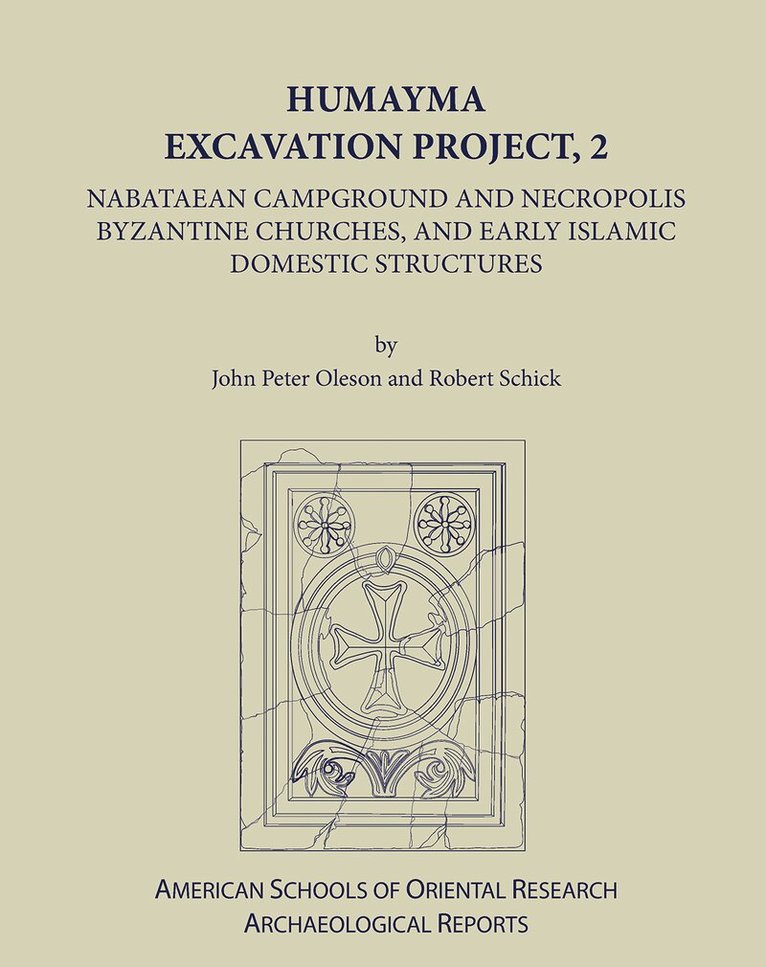
Humayma Excavation Project, 2
Nabatean Campground and Necropolis, Byzantine Churches, and Early Islamic Domestic Structures
Inbunden, Engelska, 2014
326 kr
Skickas inom 5-8 vardagar
Includes 384 illustrations, some in colour. In 1986 and 1987 Oleson and a small team surveyed an area of 250 sq km around the site of al-Humayma (ancient Hawara) in Jordan’s southern desert. Hawara was founded sometime in the first century BC by the Nabataean king Aretas. The flourishing settlement was occupied by a unit of Roman soldiers after AD 107, and it became the largest settlement in the Hisma desert during the Byzantine period. The Abbasid family built a manor house and mosque at Humayma in the late seventh century. This is the second volume of a projected four volume series about the research on this important site. This volume reports on a Nabataean campground, which provides unique testimony to the flexible character of Nabataean settlement design, and provides detailed information on the Nabataean necropolis, which shows parallels with those at both Petra and Hegra. The volume also includes the excavation records and analysis of five Byzantine churches, two of which lay above Nabataean structures, and three of which were modified for re-occupation in the Early Islamic period. There are also short reports on the probing of an Early Islamic structure of undetermined character, and on an important hoard of coins and jewellery found in the countryside. A number of subsidiary studies concern the human remains, botanical and faunal remains, fish bones, and molluscs found at the site in the course of the 11 seasons of excavation. The ceramics and small finds associated with the structures are analyzed, along with the many marble chancel screen fragments. The main audience will be archaeologists of the Near and Middle East. The presentation highlights issues such as the projection of culture from Petra outward to peripheral settlements, transitions between nomadic pastoralist and sedentary agricultural ways of life in Arabia Petraea, design eccentricities in rural church architecture, the spread and practice of Christianity in this region, and rural architecture of the Early Islamic period. There is also discussion of the physical evidence for local desert agriculture, stock raising, hunting, the import and export of foodstuffs, and the state of human nutrition at ancient Humayma.
Del 15 - Archaeological Reports
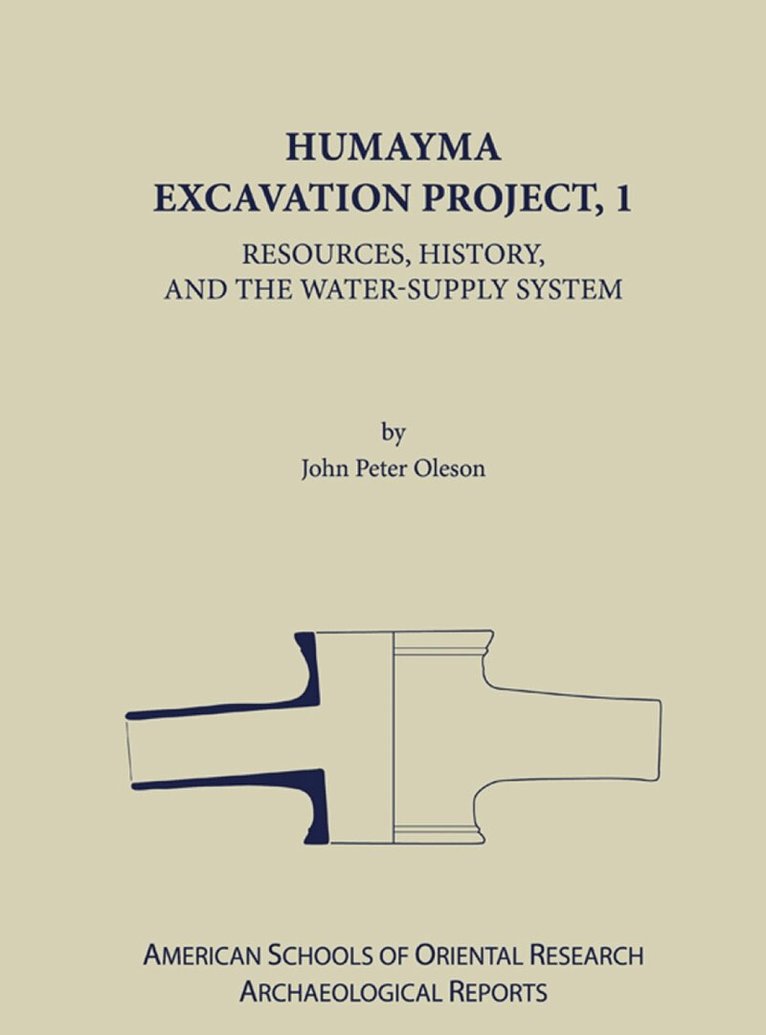
Humayma Excavation Project, 1
Resources, History and the Water-Supply System
Inbunden, Engelska, 2010
326 kr
Tillfälligt slut
Includes 397 b/w figures and 31 tables. Humayma, ancient Hawara, was the only significant settlement in the Hisma, the desert between Petra and Aqaba. Founded by a Nabataean king in the late first century B.C., the site flourished for 750 years as a Nabataean, Roman, Byzantine, and Early Islamic settlement. In 25 years of survey and excavation, the author has recovered unique architectural and artifactual remains of all these cultures. In this final report volume, the first of four, he presents the topography and ecology of the region, the history of the site, and a detailed examination of the integrated water-supply system that made the settlement possible. A long synthetic chapter evaluates this system in the context of the water-supply technology of the ancient Near East. This book will be of interest to both students and scholars concerned with ancient hydraulic technology, the Nabataeans, the Romans in the Near East, early Byzantine culture, and the origins of the Abbasid family.
Del 31 - Archaeological Reports
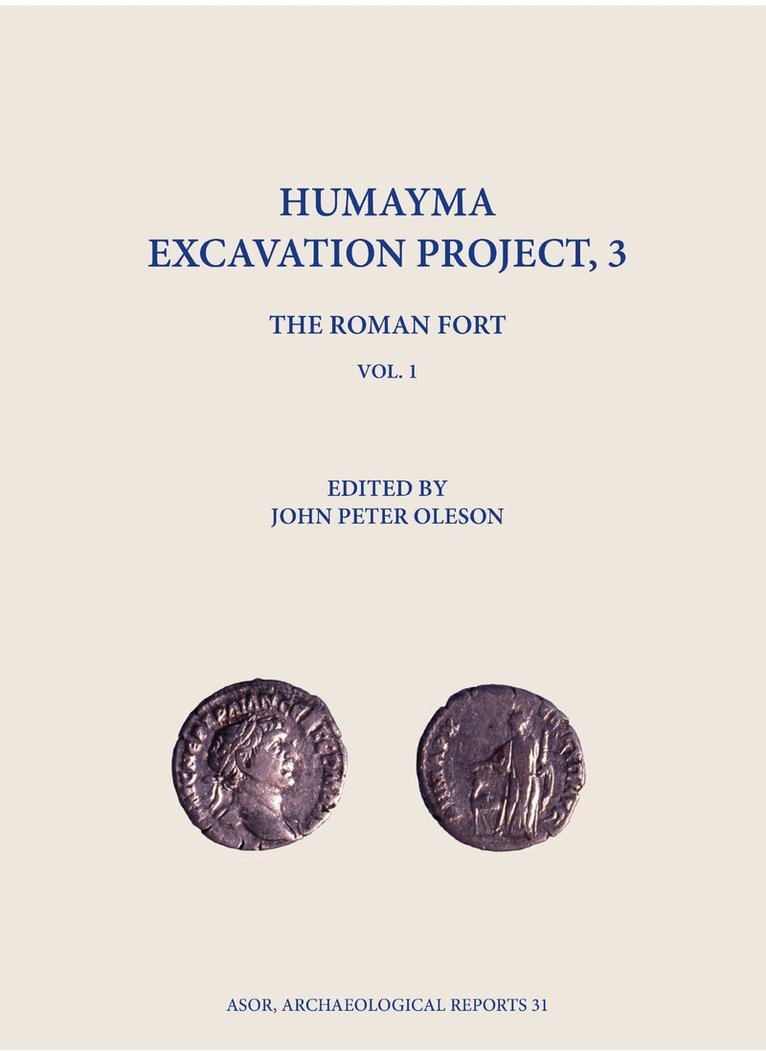
Humayma Excavation Project, 3 (two volumes)
The Roman Fort
Inbunden, Engelska, 2025
2 411 kr
Skickas inom 5-8 vardagar
This third publication of the Humayma Excavation Project presents the most thorough excavation report and analysis of a Roman frontier fort yet published. Humayma, ancient Hawar or Hawara, began life as a small Nabataean settlement in the Hisma desert of Southern Jordan, 80 km south of Petra. Soon after the Roman conquest of the Nabataean kingdom in 106 CE, the town was incorporated into the new Provincia Arabia as Hauarra, and a fort was built on the slope above the original settlement. Hauarra flourished through the Byzantine period and in the late seventh century was purchased by the Abbasid family, which built an elaborately frescoed manor house and mosque. Henceforth known as al-Humayma, the town withered away after the Abbasids moved to Iraq in 749 and led the revolt against the Umayyad caliphate. Oleson began excavation in the fort with a small probe in 1987, followed by 10 seasons of extensive excavation and geophysical survey between 1993 and 2005, and a follow-up campaign by Reeves in 2012. The excavations provided important new information about the process of the Trajanic conquest of the Nabataean kingdom, the development of Roman military fortification design, the organization of the southern portion of the Provincia Arabia and adjacent frontier of the empire, and relations between Nabataean town dwellers and their Roman occupiers from the second through the fifth centuries.Published as a two-volume set.
3 178 kr
Skickas inom 10-15 vardagar