John Pick – författare
Visar alla böcker från författaren John Pick. Handla med fri frakt och snabb leverans.
11 produkter
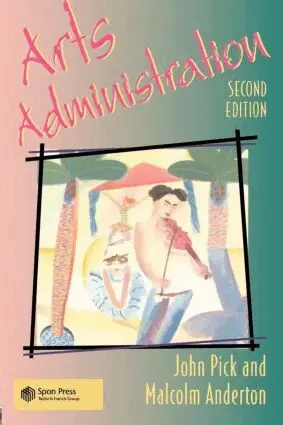
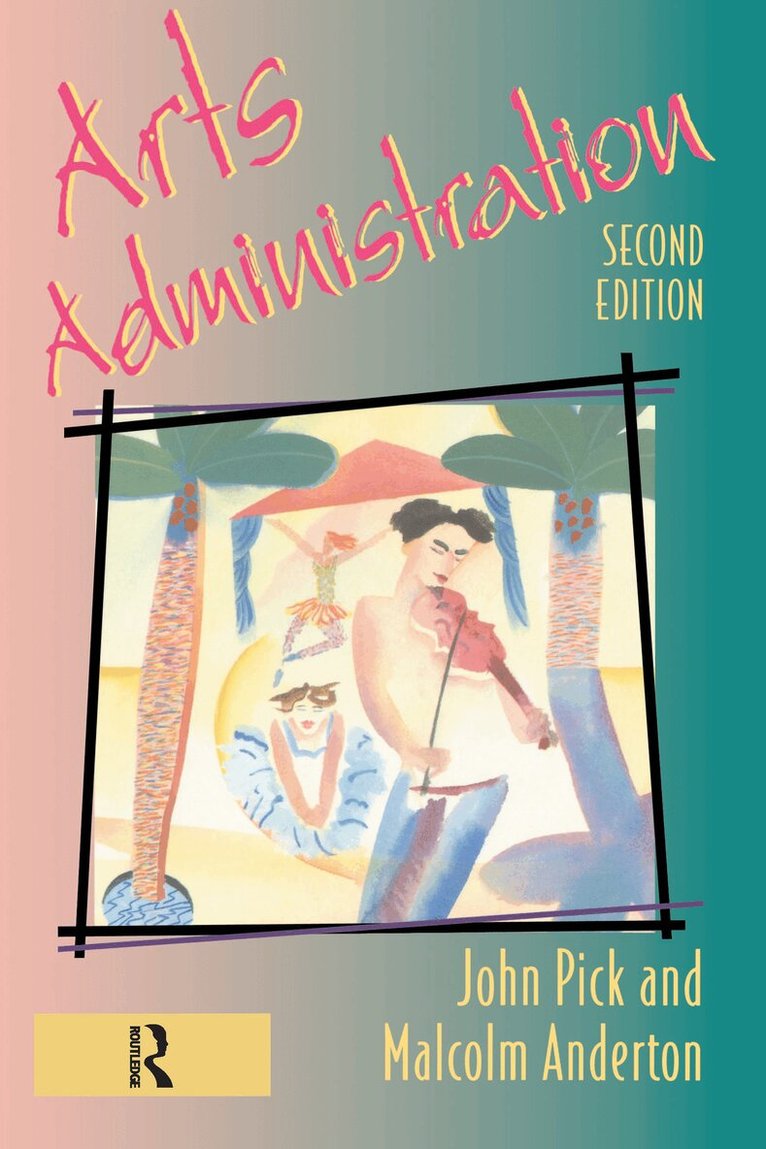
Arts Administration
Av Malcolm Anderton, John Pick
Häftad, 1995
1494 kr
Lägg i varukorg
The nature of arts administration and management has changed dramatically over the last decade with policy, funding and restructuring all playing major parts. Following on from the successful first edition, Arts Administration has now been updated to include arts policy under the new UK Ministry of …
People Are the News
Grant Pick's Chicago Stories
Av Northwestern University Press, John Pick
Inbunden, 2008
352 kr
Lägg i varukorg
This distinctive collection features writings from Grant Pick's long, distinguished career in literary journalism. Pick had a uniquely open eye and ear for people who were in difficult situations, doing extraordinary things, or both. Most of his stories focus on interesting but overlooked …
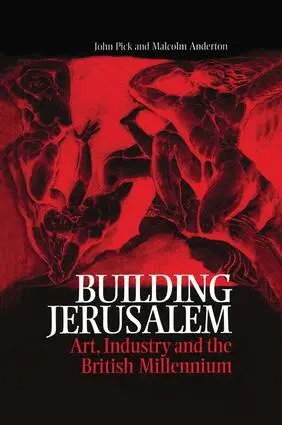
Building Jerusalem
Art, Industry and the British Millennium
Av John Pick
E-bok, 2013
890 kr
Lägg i varukorg
A lively and provocative account of the arts in Britain, Building Jerusalem suggests that even after fifty years of state planning of Britain''s "leisure industries" the country is nevertheless approaching the millennium in a state of cultural confusion. Drawing on a wealth of historical material …
Building Jerusalem
Art, Industry and the British Millennium
Av John Pick
E-bok, 2013
910 kr
Lägg i varukorg
A lively and provocative account of the arts in Britain, Building Jerusalem suggests that even after fifty years of state planning of Britain''s "leisure industries" the country is nevertheless approaching the millennium in a state of cultural confusion. Drawing on a wealth of historical material …
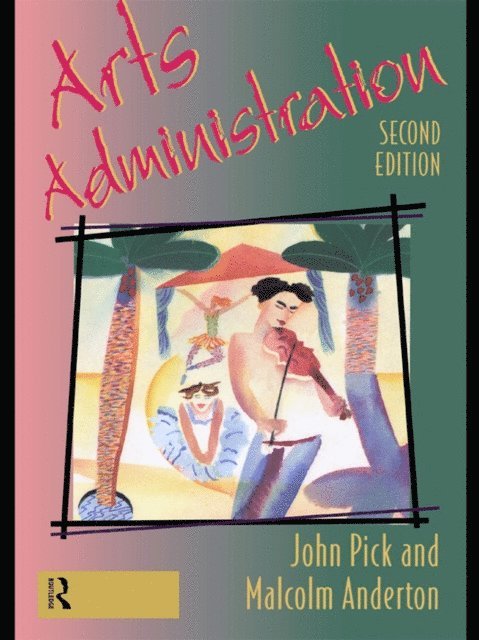
Arts Administration
Av John Pick, Malcolm Anderton
E-bok, 2002
1727 kr
Lägg i varukorg
The nature of arts administration and management has changed dramatically over the last decade with policy, funding and restructuring all playing major parts. Following on from the successful first edition, Arts Administration has now been updated to include arts policy under the new UK Ministry of …
Arts Administration
Av John Pick, Malcolm Anderton
E-bok, 2002
1765 kr
Lägg i varukorg
The nature of arts administration and management has changed dramatically over the last decade with policy, funding and restructuring all playing major parts. Following on from the successful first edition, Arts Administration has now been updated to include arts policy under the new UK Ministry of …
Building Jerusalem
Art, Industry and the British Millennium
Av John Pick
Häftad, 2014
773 kr
Lägg i varukorg
A lively and provocative account of the arts in Britain, Building Jerusalem suggests that even after fifty years of state planning of Britain's "leisure industries" the country is nevertheless approaching the millennium in a state of cultural confusion. Drawing on a wealth of historical material …
Arts Administration
Av Malcolm Anderton, John Pick
Inbunden, 2016
2831 kr
Lägg i varukorg
The nature of arts administration and management has changed dramatically over the last decade with policy, funding and restructuring all playing major parts. Following on from the successful first edition, Arts Administration has now been updated to include arts policy under the new UK Ministry of …
Building Jerusalem
Art, Industry and the British Millennium
Av John Pick
Inbunden, 1999
2590 kr
Lägg i varukorg
A lively and provocative account of the arts in Britain, Building Jerusalem suggests that even after fifty years of state planning of Britain's "leisure industries" the country is nevertheless approaching the millennium in a state of cultural confusion. Drawing on a wealth of historical material …
People Are the News
Grant Pick's Chicago Stories
Av Grant Pick, John Pick
Häftad, 2008
234 kr
Tillfälligt slut
This distinctive collection features writings from Grant Pick's long, distinguished career in literary journalism. Most of his stories focus on interesting but overlooked Chicagoans, like the struggling owner of a Laundromat on the West Side or the successful doctor who, as he faced his own death, …
Managing Britannia
Culture and Management in Modern Britain
Av Robert Protherough, John Pick
Häftad, 2003
220 kr
Tillfälligt slut
For more than thirty years the solution to all Britain's problems has been better management. As a result management schools dominate higher education and managers are at work everywhere developing 'strategies’ and ‘systems’ and quantifying ‘outcomes’. There are now more managers on the rail …