John Q. Wang – författare
Visar alla böcker från författaren John Q. Wang. Handla med fri frakt och snabb leverans.
3 produkter
3 produkter
Inbunden, Engelska, 2002
1 674 kr
Skickas inom 10-15 vardagar
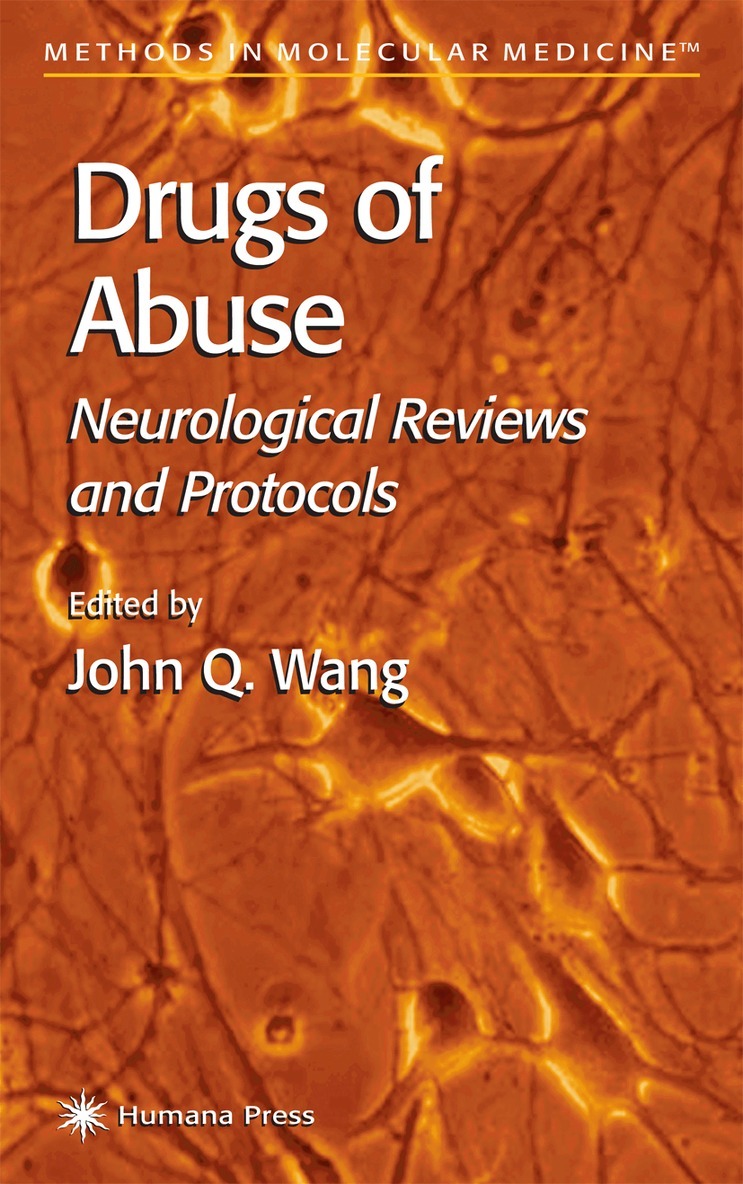
A cutting-edge collection of updated and core techniques for the neurological study of drugs of abuse. Described in step-by-step detail by hands-on experts, these readily reproducible protocols cover a wide variety of coherent methods for gathering information on quantitative changes in protein and mRNA at both tissue and cellular levels. There are various methods for detecting single and multiple alterations in single and multiple gene expression, for analyzing the functional roles of genes and proteins, for studying the release kinetics of striatal dopamine, and for the quantitative measurement of such neurotransmitters as acetylcholine. Insightful review articles address key current topics on the effect of drugs of abuse on the brain.

E-bok
Engelska, 20082 036 kr
Läs direkt efter köp
Drugs of Abuse: Neurological Reviews and Protocols is intended to provide insightful reviews of key current topics and, particularly, state-- the-art methods for examining drug actions in their various neuroanato- cal, neurochemical, neurophysiological, neuropharmacological, and molecular perspectives. The book should prove particularly useful to n- comers (graduate students and technicians) in this field, as well as to those established scientists (neuroscientists, biochemists, and molecular biologists) intending to pursue new careers or directions in the study of drugs. The book’s protocols cover a wide variety of coherent methods for gathering inf- mation on quantitative changes in proteins and mRNAs at both tissue and cel- lar levels. Inducible gene expression in striatal neurons has been a hot topic over the last decade. Alterations in gene expression for a wide range of proteins in the striatum have been investigated in response to drug administration. Altered expression of given mRNAs and their product proteins constitutes essential molecular steps in the development of neuroplasticity related to long-term addictive properties of drugs of abuse. With the multiple labeling methods that are also described in the book, gene expression can be detected in a chemically identified cell phenotype; the expression of multiple genes of interest can be detected in a single cell simultaneously. Hundreds or thousands of gene expr- sion products can today be detected in one experimental setup using the pow- ful systematic cDNA macroarray or microarray screening technology. Moreover, protocols useful in analyzing the functional roles of genes and proteins (e. g.
Häftad, Engelska, 2010
1 674 kr
Skickas inom 10-15 vardagar
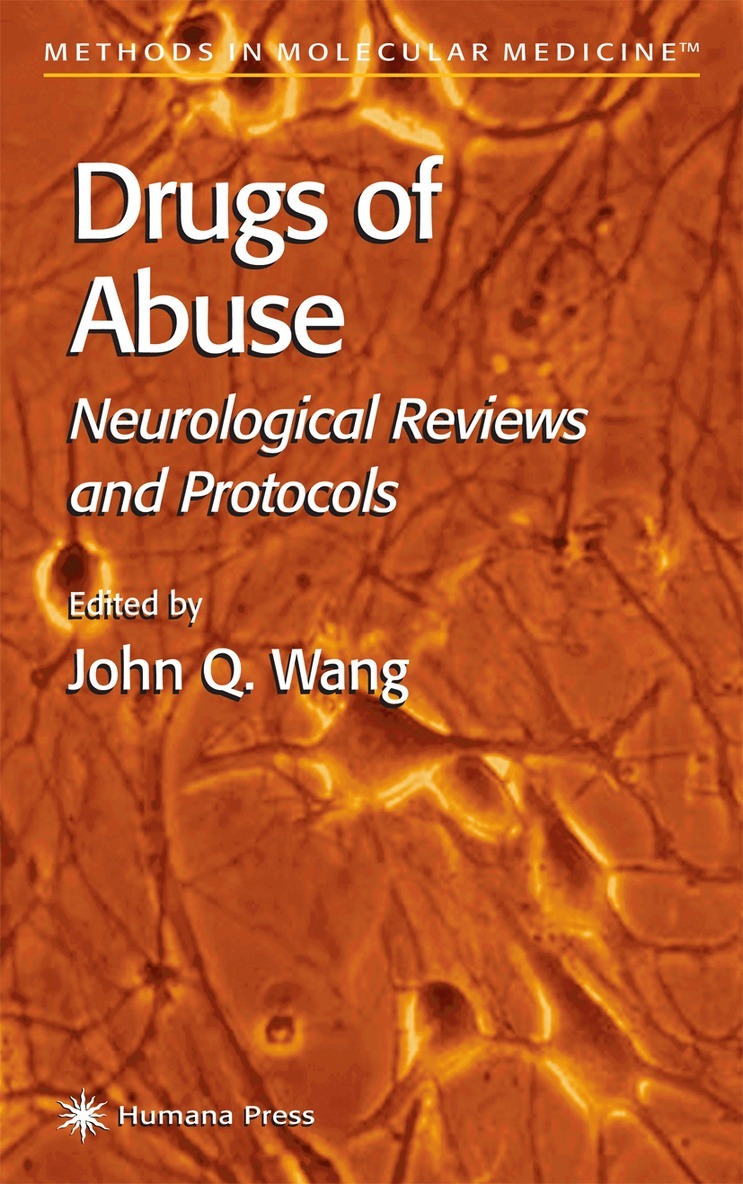
Drugs of Abuse: Neurological Reviews and Protocols is intended to provide insightful reviews of key current topics and, particularly, state-- the-art methods for examining drug actions in their various neuroanato- cal, neurochemical, neurophysiological, neuropharmacological, and molecular perspectives. The book should prove particularly useful to n- comers (graduate students and technicians) in this field, as well as to those established scientists (neuroscientists, biochemists, and molecular biologists) intending to pursue new careers or directions in the study of drugs. The book’s protocols cover a wide variety of coherent methods for gathering inf- mation on quantitative changes in proteins and mRNAs at both tissue and cel- lar levels. Inducible gene expression in striatal neurons has been a hot topic over the last decade. Alterations in gene expression for a wide range of proteins in the striatum have been investigated in response to drug administration. Altered expression of given mRNAs and their product proteins constitutes essential molecular steps in the development of neuroplasticity related to long-term addictive properties of drugs of abuse. With the multiple labeling methods that are also described in the book, gene expression can be detected in a chemically identified cell phenotype; the expression of multiple genes of interest can be detected in a single cell simultaneously. Hundreds or thousands of gene expr- sion products can today be detected in one experimental setup using the pow- ful systematic cDNA macroarray or microarray screening technology. Moreover, protocols useful in analyzing the functional roles of genes and proteins (e. g.